SK hynix seeks US export clearance for Wuxi memory equipment
The South Korean chipmaker filed the request to maintain production lines at a facility that provides 48% of its dynamic random access memory output, as annual waivers expire in December.
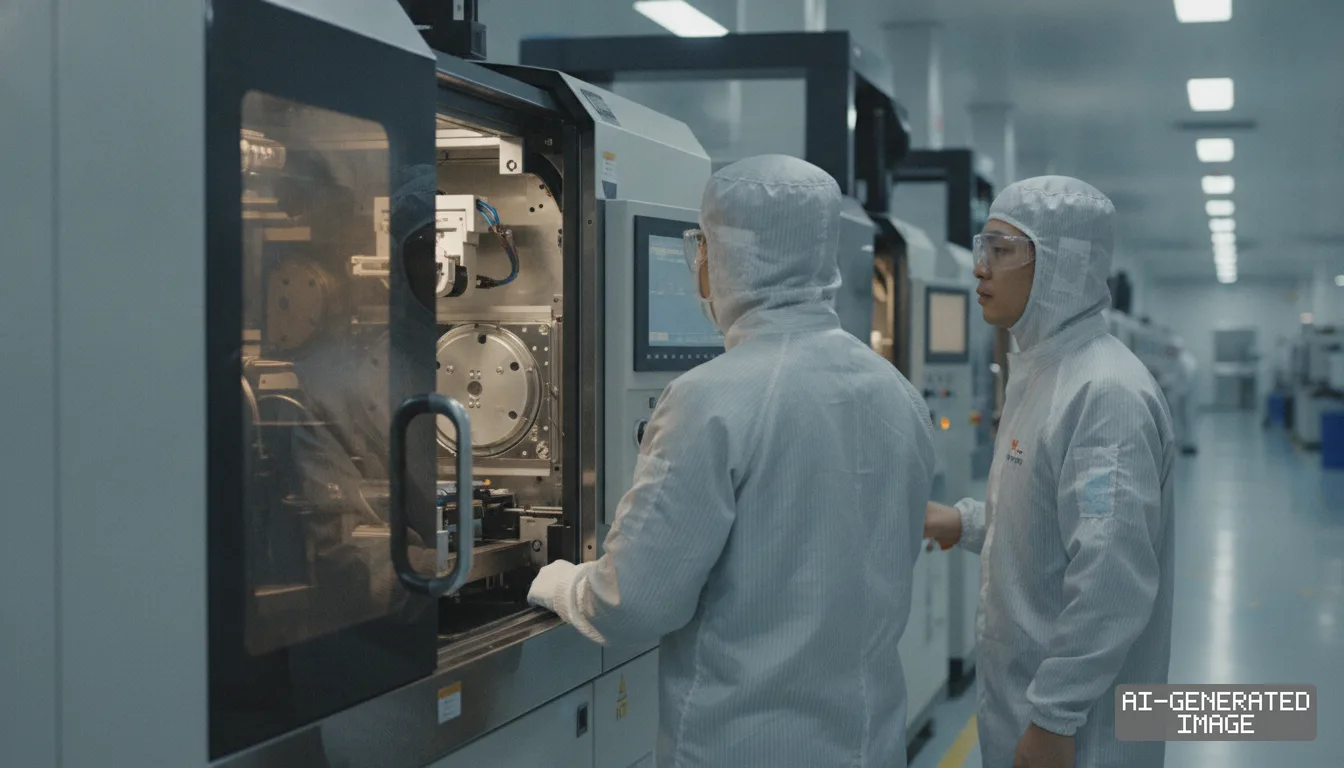
SK hynix applied to the U.S. Department of Commerce on Oct. 18 for export licenses to deliver semiconductor manufacturing tools to its memory fabrication plant in Wuxi, China.
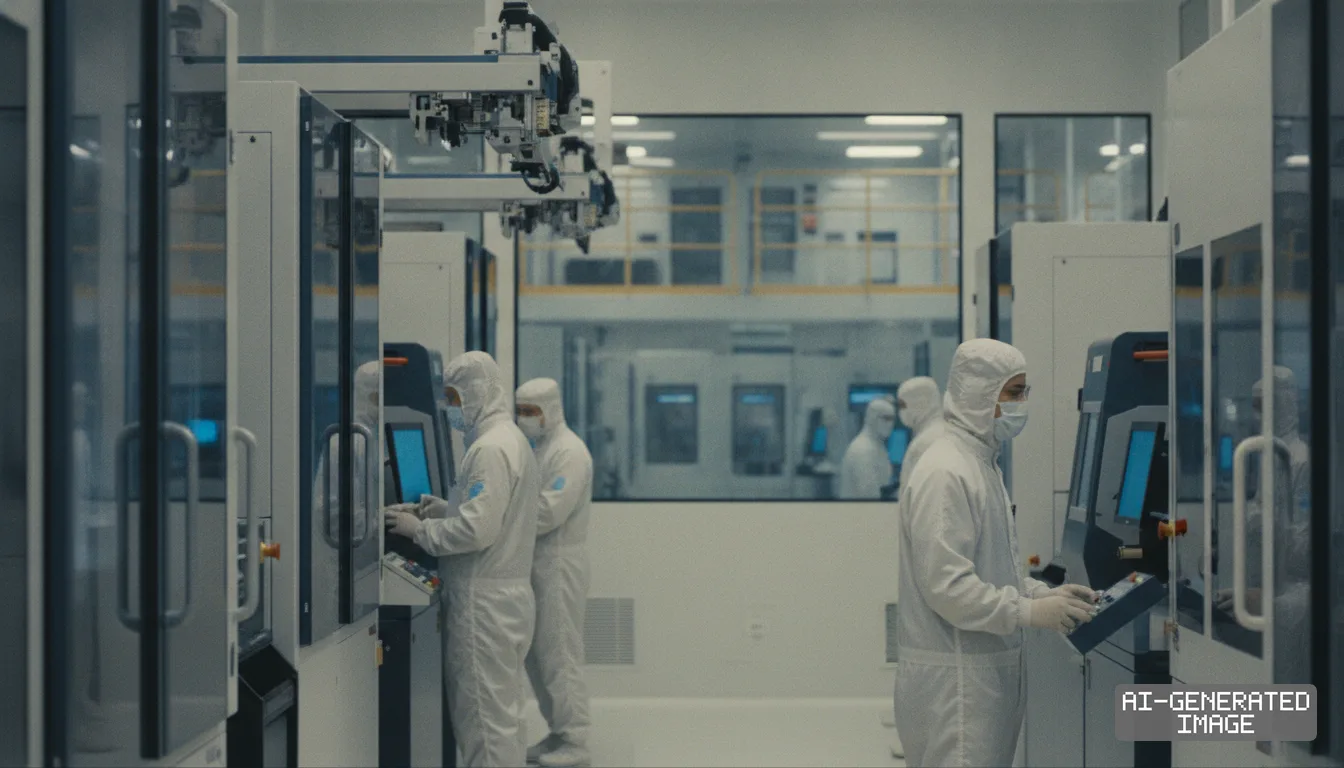
The Wuxi facility produces roughly 48% of the company's dynamic random access memory (DRAM) wafer output. That volume represents approximately 13% of the world's total DRAM bit supply, according to semiconductor market tracker estimates.
The application arrives as foreign chipmakers in China face a shift from broad regulatory exemptions to annual approvals. The Bureau of Industry and Security revoked standing waivers for foreign-owned Chinese fabrication plants late last year, enforcing tighter oversight on tool movements.
Under the previous Validated End-User framework, vetted multinational manufacturers imported U.S.-regulated equipment without filing individual license applications for each shipment. The Commerce Department removed foreign memory facilities from that list effective Dec. 31, 2025, calling the older system an administrative loophole.
To prevent sudden operational disruptions, the Commerce Department granted temporary one-year operating licenses on Dec. 30, 2025. Those annual authorizations permitted the shipment of replacement components and maintenance tools for calendar year 2026, industry officials said.
The export control rules strictly prohibit equipment intended to expand overall wafer capacity or upgrade advanced process nodes. U.S. guidelines bar American-origin tools capable of fabricating DRAM with half-pitch dimensions of 18 nanometers or less without explicit case-by-case authorization.
SK hynix uses the Wuxi fabrication complex primarily to manufacture mature-node DRAM and mid-10-nanometer-class memory chips. The chipmaker produces its most lucrative high-bandwidth memory (HBM) and sub-15-nanometer DRAM products exclusively at domestic production sites in South Korea.
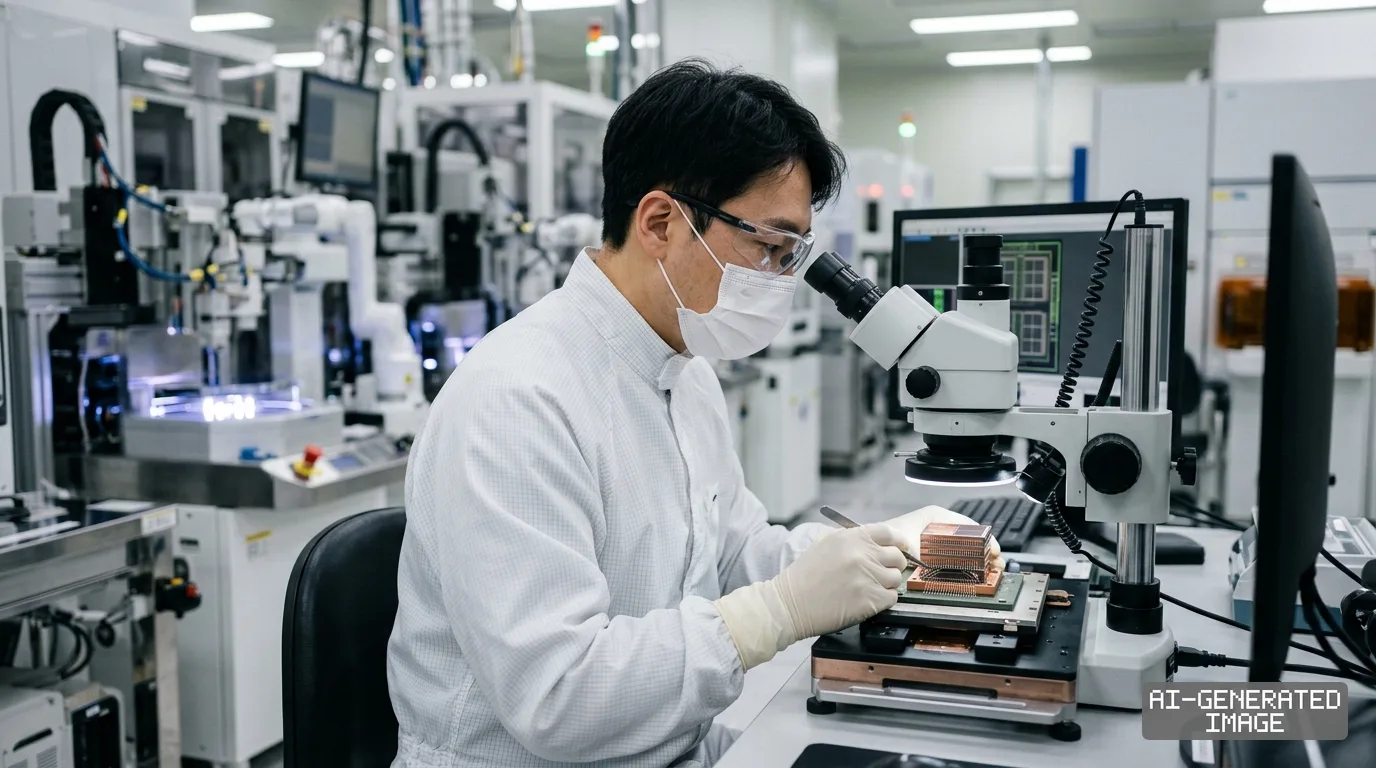
Running high-volume memory fabrication lines requires a regular flow of maintenance parts, precision valves and replacement chambers across deposition and etching systems. Without scheduled maintenance deliveries, older lithography lines face yield degradation within several operational quarters, semiconductor manufacturing engineers said.
The Commerce Department has not published an official docket confirming receipt of the application. SK hynix has not disclosed the specific equipment models, tool quantities or monetary values requested in the Wuxi submission.
SK hynix declined to comment on the details of its regulatory submissions to Washington. The company said it continues to comply fully with export control rules across all international jurisdictions where it operates manufacturing facilities.
Peer memory manufacturer Samsung Electronics operates under the identical annual licensing regime at its fabrication complex in Xi'an, China. The Xi'an site produces roughly 40% of Samsung's total NAND flash memory output, exposing $12 billion in offshore capital investment to annual regulatory renewals.
American semiconductor equipment vendors Applied Materials and Lam Research maintain direct commercial exposure to the licensing process. Both toolmakers derive approximately 30% to 40% of their quarterly revenues from sales to customers located in China, according to their regulatory filings.
The annual approval system forces toolmakers and facility operators to forecast equipment needs up to a year in advance. Securing clearances across thousands of individual tool assemblies and replacement components adds recurring compliance costs, trade attorneys said.
U.S. memory rival Micron Technology operates no front-end wafer fabrication facilities inside mainland China. That manufacturing footprint shields Micron from the annual Commerce Department license reviews that govern its South Korean competitors.
SK hynix has accelerated capital spending in South Korea to insulate its long-term memory roadmap from geopolitical friction. The company has committed 122 trillion won ($88 billion) to construct four mega-fabs at its Yongin semiconductor cluster south of Seoul.
The chipmaker also operates a separate NAND flash fabrication plant in Dalian, China, acquired through its acquisition of Intel's memory unit. That facility faces the same annual license expiration and technological caps as the Wuxi DRAM complex, corporate filings show.
South Korea's Ministry of Trade, Industry and Energy has maintained regular consultations with the Commerce Department to protect corporate operations. Trade officials in Seoul said they seek transparent procedures that allow memory manufacturers to run existing capital assets without abrupt disruptions.
Both South Korean chipmakers have tested deposition and etching tools from non-American suppliers to mitigate regulatory bottlenecks. Alternative suppliers remain unable to replace advanced lithography systems and specialized metrology tools subject to multilateral export control regimes.
The End-User Review Committee reviews all contested license applications for Chinese destinations. That interagency body includes representatives from the U.S. Departments of Commerce, Defense, Energy and State, operating under strict national security evaluation criteria.
The annual export authorizations issued to foreign chipmakers expire Dec. 31, 2026. The Commerce Department must finish its review cycle before year-end to establish shipment parameters for the 2027 calendar year, trade lawyers said.
The Bureau of Industry and Security will process the export requests under standard administrative timelines before issuing formal written determination notices to the applicant companies.
Impact map
How this development propagates across the region and out to global buyers.
| Event | Korea | China | Japan | Global impact |
|---|---|---|---|---|
| annual fab tool licensing | SK hynix and Samsung face recurring annual reviews on 48% of DRAM and 40% of NAND capacity | Wuxi and Xi'an fabs remain capped at mature nodes without tool upgrades | Tokyo Electron navigates case-by-case license scrutiny for maintenance tools shipped to China | Memory buyers absorb annual regulatory renewal uncertainty across 13% of global DRAM supply |
In this story
- Companies
- SK hynixSamsung Electronics
- Tickers
- 000660.KS005930.KS
- Exposed
- Applied MaterialsLam ResearchMicron Technology
- Policy
- Export Controls
- Impact
- ComplianceCapexSupply Chain
Track every Export Controls development →
Related briefings
- Samsung denies Chinese tool testing as US tightens fab controls Also on Lam Research, Applied Materials, SK hynix
- China yttrium export curbs squeeze Western chip toolmakers Also on Lam Research, Applied Materials, Export Controls
- Skytech opens TSMC-backed advanced process lab to speed chip tool verification Also on Lam Research, Applied Materials, Compliance
- ASML expands Japan workforce to 700 to support Rapidus 2nm and TSMC fabs Also on Lam Research, Applied Materials
Sources
Primary documents
Reporting
Confidence: high — how we grade this
The documents behind this briefing are linked above. East Asia Brief produces its English text with AI assistance under human editorial review, and does not translate or republish other outlets' articles. See our methodology and AI policy. Spotted an error? Tell us.
The Morning Brief
What changed in Korean, Chinese and Japanese industry overnight — and what it means for your supply chain. One email, weekday mornings, US time. Free.
The Morning Brief is in preparation. Leave your address and we will write to you once — when the first issue is ready. Nothing before that.