Nvidia and Tesla fund $2.8B Samsung Electro-Mechanics lines
The co-investment funnels capital into flip-chip ball grid array packaging lines in South Korea as computing bottlenecks move upstream from foundry wafer fabrication.
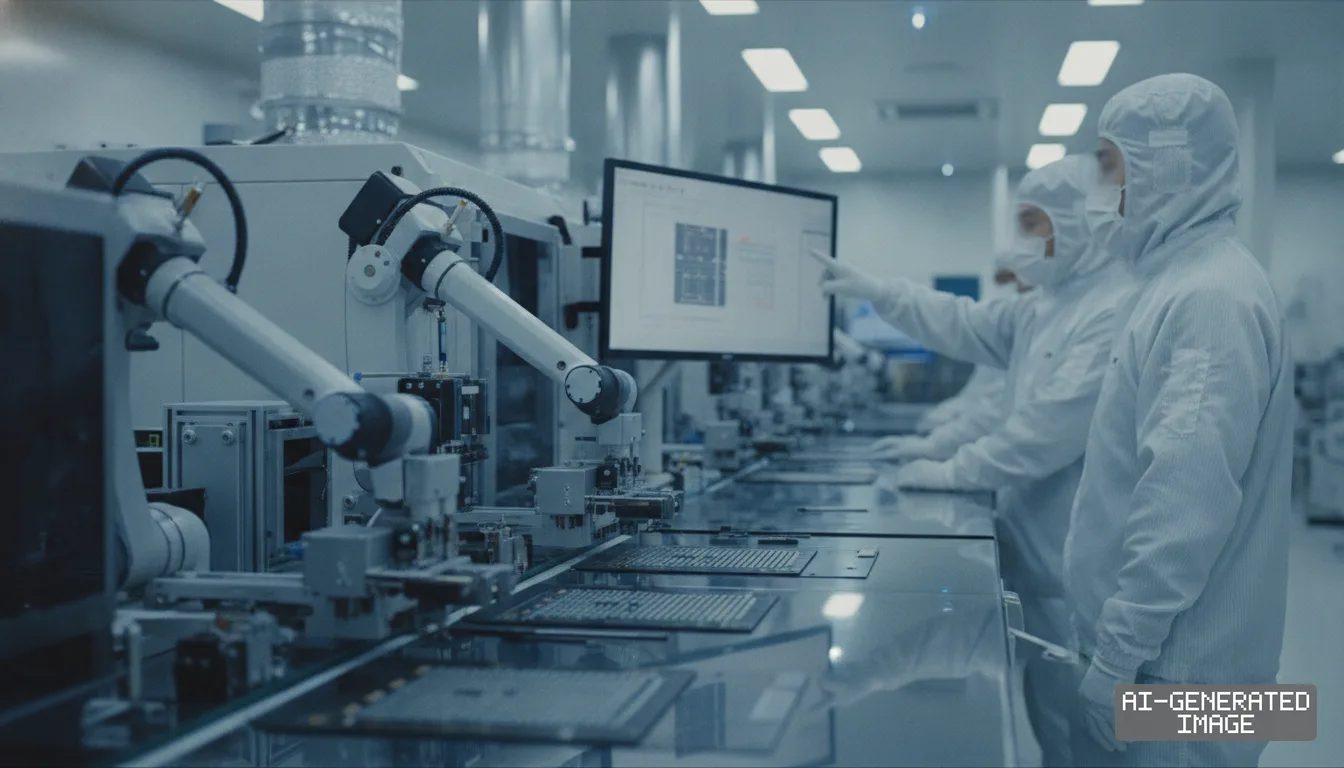
Samsung Electro-Mechanics secured a reported 3.7 trillion won ($2.8 billion) co-investment pledge from Nvidia and Tesla on Oct. 22, 2026, to build dedicated flip-chip ball grid array production lines.
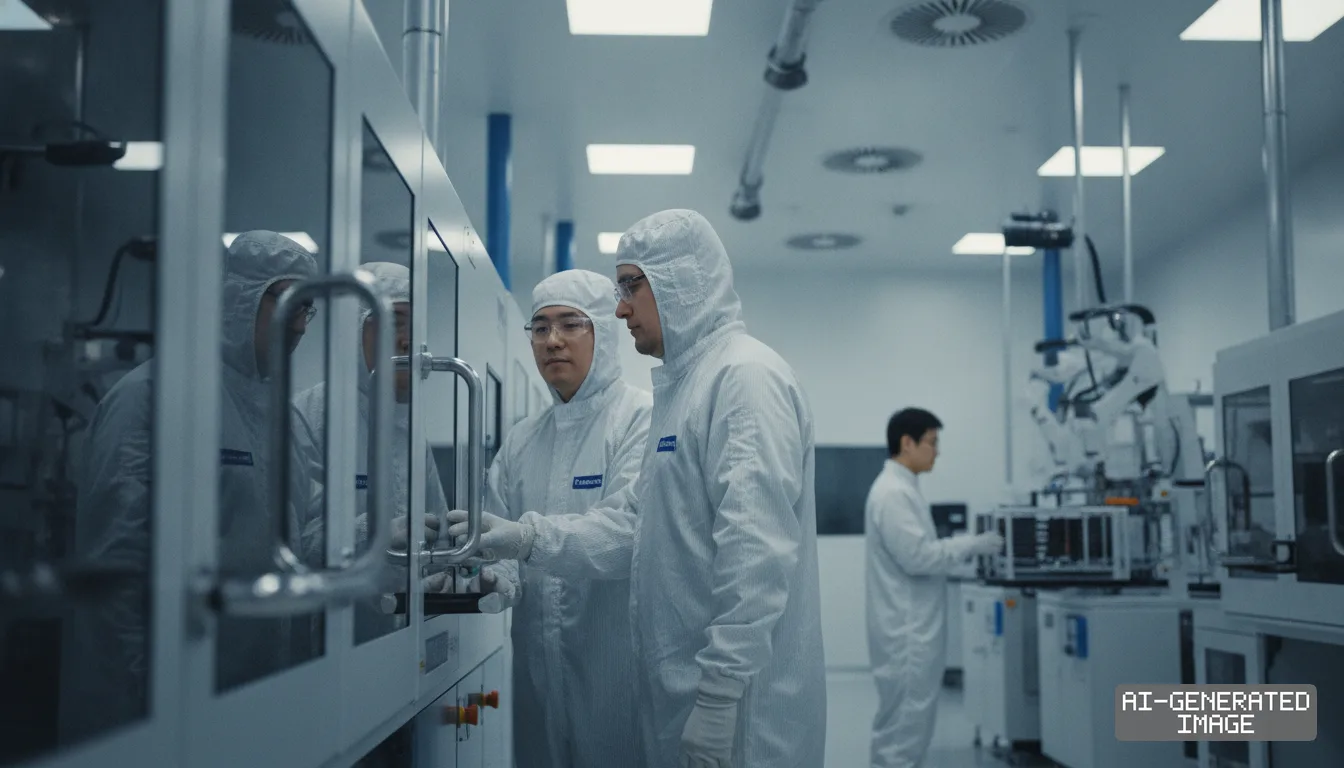
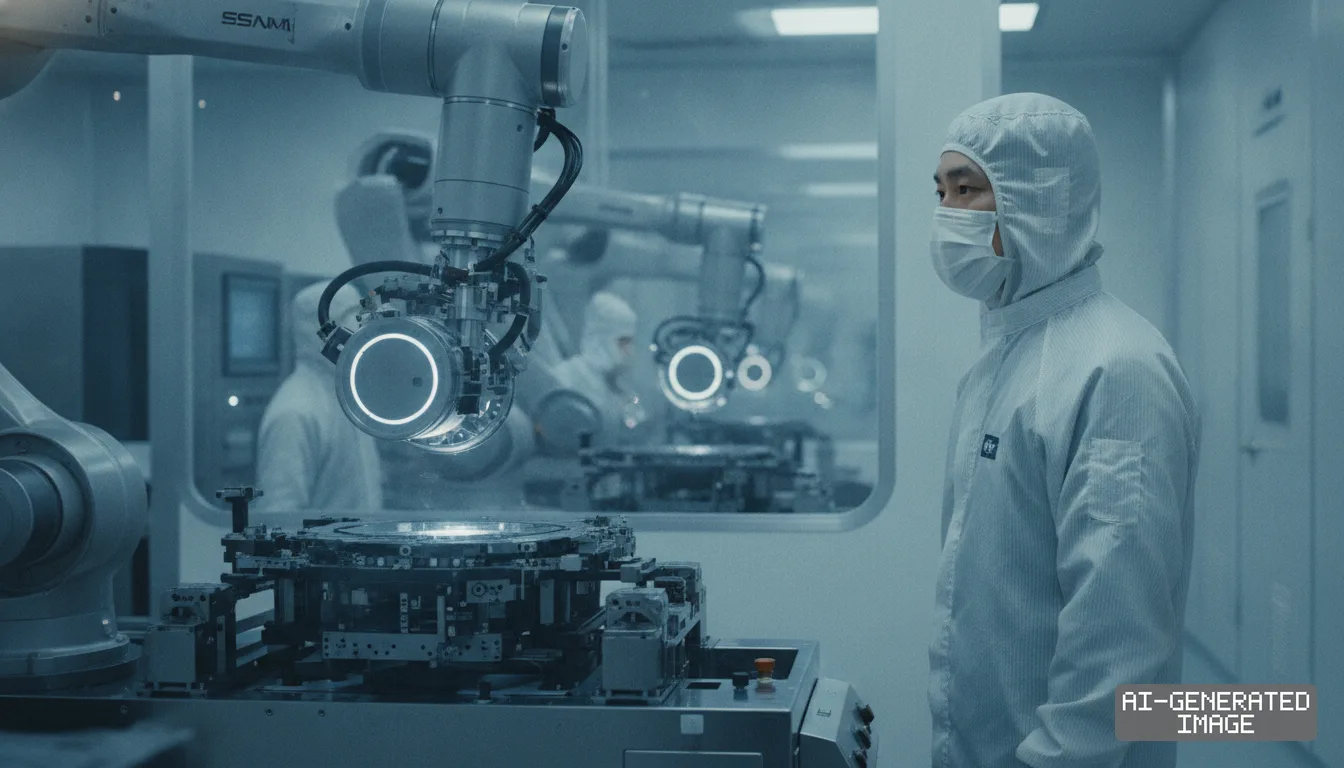
The arrangement channels capital directly from US technology customers into Korean cleanrooms to guarantee manufacturing capacity for high-density computing boards. Advanced packaging substrates connect computing dies to motherboards and have emerged as a primary bottleneck for high-performance computing hardware.
The capital commitment covers roughly 87% of a 4.27 trillion won ($3.1 billion) plant expansion at the component maker's domestic production hub in Sejong. Samsung Electro-Mechanics previously disclosed the site budget on Sept. 29, 2026, alongside a companion 2.51 trillion won substrate facility in Vietnam.
Under terms described by industry officials on Oct. 22, Nvidia will provide 2.6 trillion won to finance dedicated substrate lines across Sejong and Busan. Tesla will contribute 1.1 trillion won to reserve dedicated production at the Sejong complex.
The capital injection marks a structural shift in how semiconductor buyers secure critical components. Leading computing architects no longer rely solely on market orders, choosing instead to fund supplier capital spending directly in exchange for exclusive production volume.
Samsung Electro-Mechanics formalised its initial strategic partnership with Nvidia on Oct. 21, 2026, agreeing to supply advanced packaging units for artificial intelligence computing chipsets and network switches. The company will start multiyear commercial deliveries to Nvidia beginning later in 2026.
Flip-chip ball grid array (FC-BGA) substrates use microscopic solder spheres distributed across an inverted silicon chip to create thousands of input-output connections. The format lowers electrical resistance and accelerates signal transmission compared with traditional perimeter wire bonding.
Modern server processors require substrates that incorporate more than 20 circuit layers across surface areas exceeding 100 square millimeters. These complex specifications cause severe fabrication yields losses, leaving total factory output roughly 50% below current data center demand.
Nvidia's volume allocation at Samsung Electro-Mechanics is projected to expand at a double-digit percentage rate each year through 2028. The boards will embed miniature multilayer ceramic capacitors and silicon capacitors to suppress voltage noise during rapid processor cycles.
For Tesla, the planned allocation secures dedicated substrate supply over a five-year window running from 2029 through 2033. The components will support central processor units deployed inside autonomous electric vehicles and Optimus bipedal robots.
The client financing removes significant balance sheet exposure for Samsung Electro-Mechanics. The company's 4.27 trillion won Sejong expenditure represents 43.6% of its total book equity at the close of 2025.
By accepting non-refundable customer prepayments, the manufacturer insulates its operating margin from depreciation shocks while guaranteeing capacity utilization well into the next decade. The factory buildouts will elevate the Korean supplier against Japanese incumbent Ibiden, which has absorbed billions of dollars in client funding to triple substrate production at its Ono site.
Equipment installation and pilot operations across the new Sejong production lines are scheduled to conclude in the first half of 2028. Commercial mass production from the expanded Korean cleanrooms will commence in September 2028, according to regulatory filings.
Neither Samsung Electro-Mechanics nor Tesla has filed a regulatory disclosure confirming the 1.1 trillion won bilateral contract, and company exchange notices do not itemize the exact capital split between partners.
Impact map
How this development propagates across the region and out to global buyers.
| Event | Korea | China | Japan | Global impact |
|---|---|---|---|---|
| Big tech substrate co-investment | Samsung Electro-Mechanics offsets 87% of Sejong capex with customer funding | Domestic EV makers face tighter advanced packaging allocation as US buyers lock lines | Ibiden faces direct capacity challenge from subsidized Korean lines by 2028 | AI and auto compute supply chains shift capital forward to resolve packaging bottlenecks |
In this story
- Companies
- Samsung Electro-Mechanics
- Tickers
- 009150.KS
- Exposed
- NvidiaTeslaIbiden
- Impact
- CapexSupply ChainOrder Book
Related briefings
- Ibiden and Shinko ramp high-layer FC-BGA lines as AI server package sizes expand Also on Ibiden, Samsung Electro-Mechanics, Order Book
- South Korean substrate makers develop embedded silicon bridges for AI chips Also on Ibiden, Samsung Electro-Mechanics
- Samsung opens Yokohama chip packaging lab to rival TSMC lead Also on Ibiden
- Murata completes Vietnam inductor plant for power components Also on Samsung Electro-Mechanics, Order Book
Sources
Reporting
Confidence: medium — how we grade this
The documents behind this briefing are linked above. East Asia Brief produces its English text with AI assistance under human editorial review, and does not translate or republish other outlets' articles. See our methodology and AI policy. Spotted an error? Tell us.
The Morning Brief
What changed in Korean, Chinese and Japanese industry overnight — and what it means for your supply chain. One email, weekday mornings, US time. Free.
The Morning Brief is in preparation. Leave your address and we will write to you once — when the first issue is ready. Nothing before that.