Korea opens US talks as tool license delays hit SK hynix Dalian
Wafers at the NAND plant represent 20% of the firm's global output, with the dispute now clouding a proposed $45 billion Marcy project.
South Korea's Ministry of Trade, Industry and Energy contacted the U.S. Department of Commerce on Nov. 6, 2026, opening bilateral consultations after Washington delayed export licenses for SK hynix's Dalian plant.
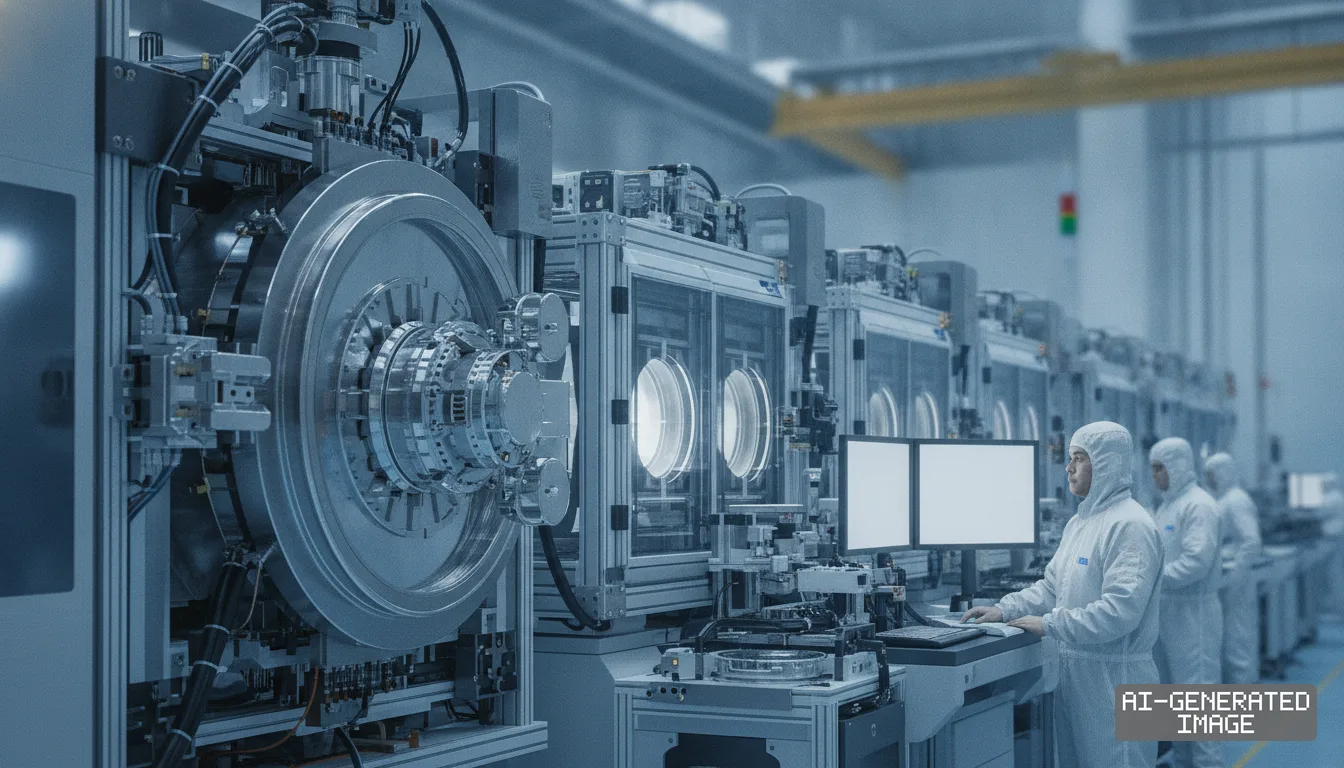
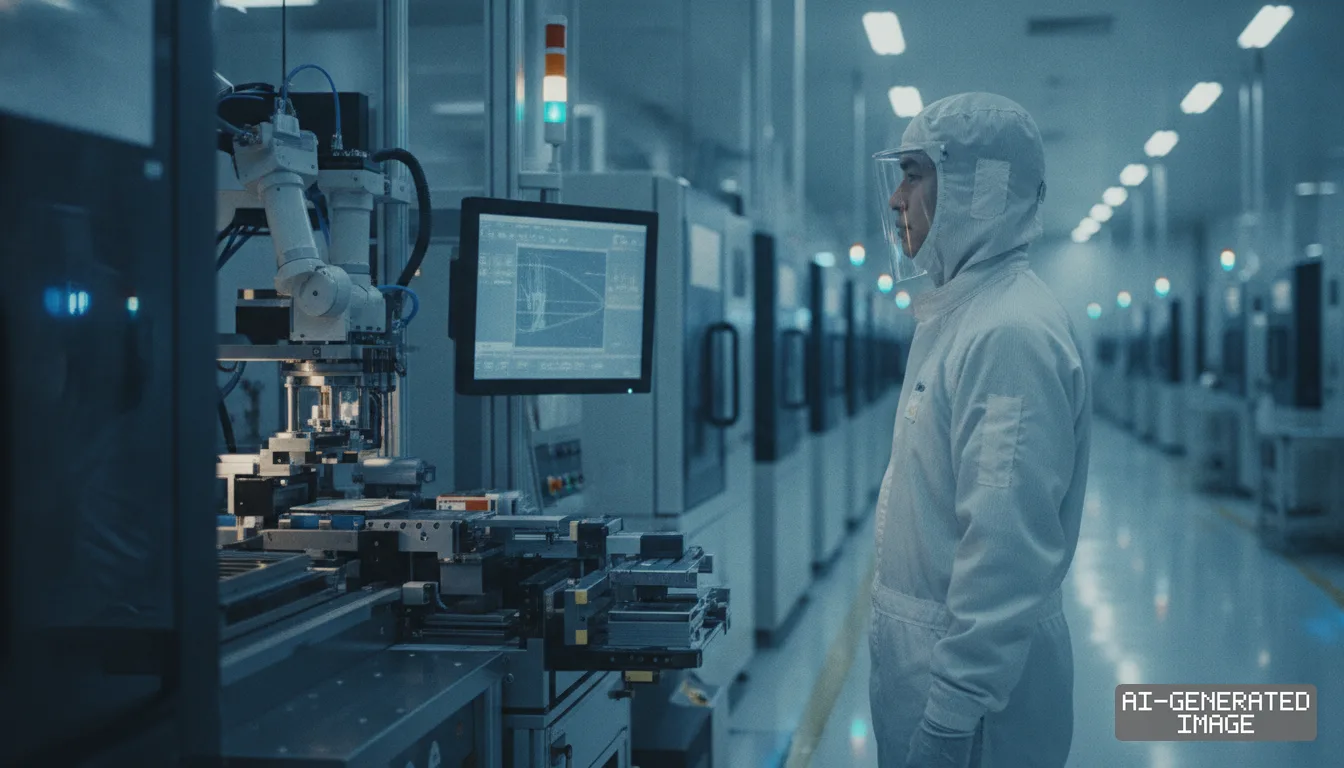
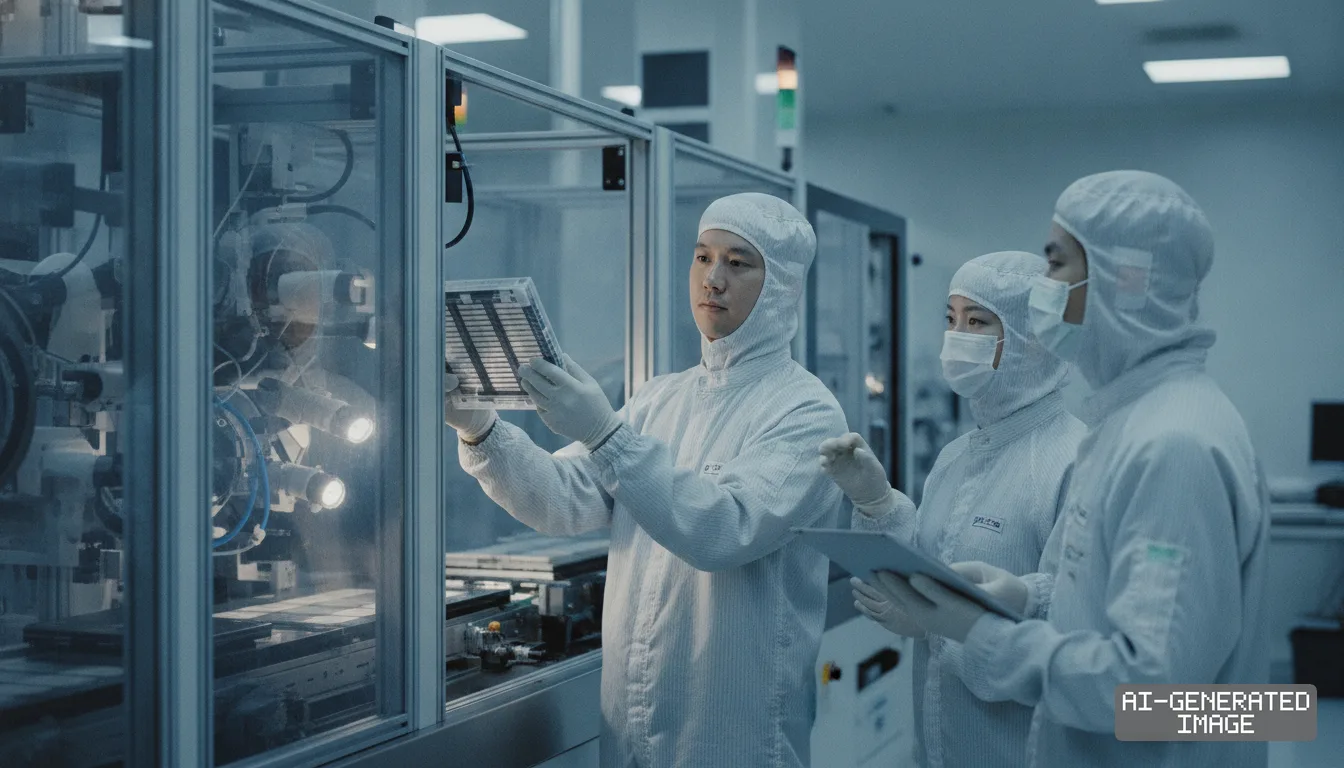
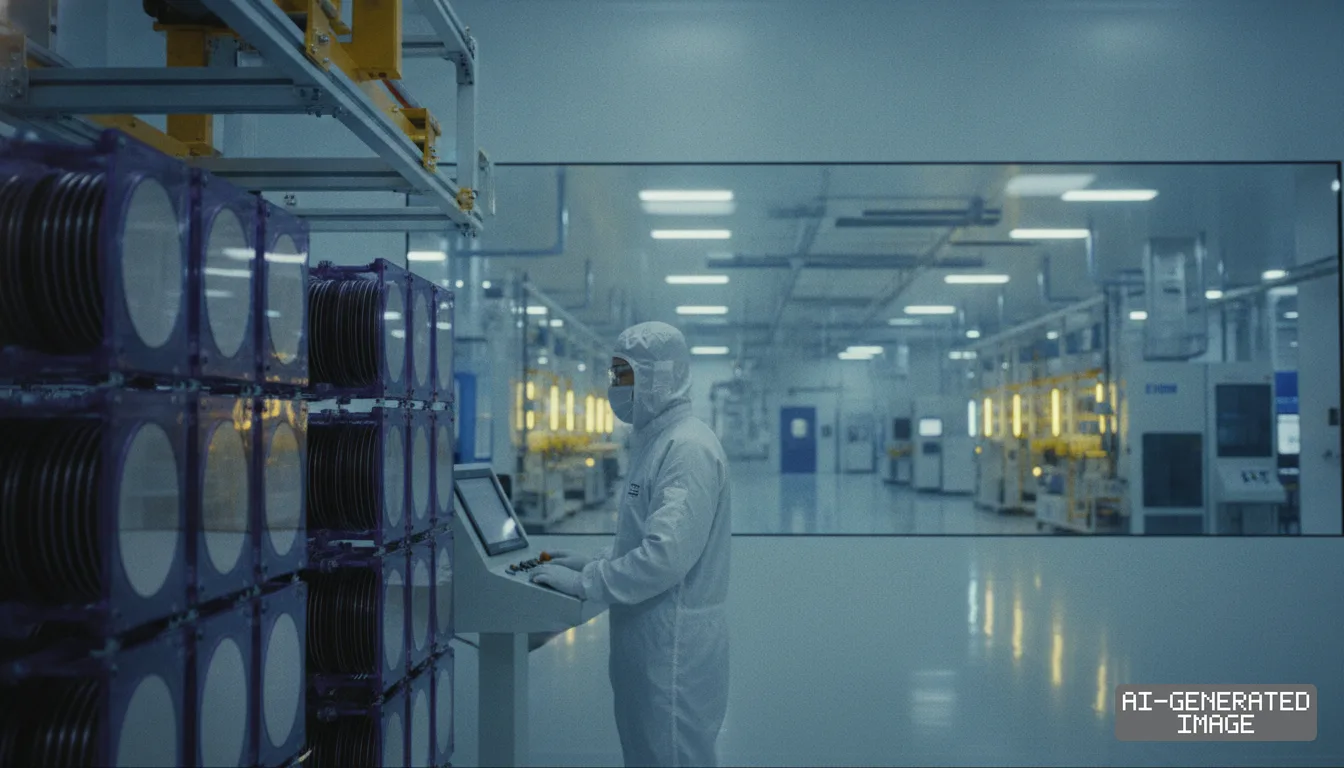
The fabrication plant in northeastern China processes roughly 100,000 wafers each month. That volume represents about 20% of SK hynix's global manufacturing capacity for NAND flash memory — non-volatile storage chips that retain data without electric power.
The licensing dispute also threatens a proposed $45 billion investment in Marcy, New York. SK hynix's American subsidiary, Solidigm, planned to build two memory fabrication plants using cash flows generated from expanded Dalian operations.
South Korean trade officials activated a standing bilateral export-control channel to coordinate regulatory positions with Washington, an official at the Ministry of Trade, Industry and Energy said.
The discussions address export permits for manufacturing tools needed inside Module B at Dalian. SK hynix constructed the cleanroom facility in 2023 but delayed tool installations during an industry downturn.
U.S. export rules restrict American tool shipments to Chinese chip plants. The Bureau of Industry and Security limits exports that allow Chinese facilities to produce advanced 3D NAND memory exceeding 128 layers.
Commerce Under Secretary Jeffrey Kessler informed Solidigm executives in late October that Washington would not authorize equipment shipments that expand manufacturing volume or advance process technology in China, officials familiar with discussions said.
Solidigm management held nearly 10 meetings with U.S. Commerce Department officials between late August and early November. Those sessions failed to secure export approvals for the idle Module B cleanroom.
SK hynix acquired the Dalian complex from Intel for $9 billion in 2020. The South Korean chipmaker transferred operational management of the site to Solidigm, its California-based storage subsidiary.
The regulatory standoff stems from an administrative rule change enacted by the Bureau of Industry and Security. The agency published the final rule under Docket Number 250825-0144 in August 2025.
That regulation revoked Validated End-User status for the Dalian plant on Dec. 31, 2025. The revocation eliminated broad general authorizations that previously allowed unrestricted equipment shipments to the facility.
The End-User Review Committee — comprising officials from the Departments of Commerce, State, Defense and Energy — replaced the open waiver with an annual site-licensing framework that requires recurrent administrative evaluations.
Approved tool deliveries continue under an existing 2026 authorization, SK hynix said on Nov. 4. Negotiations for 2027 operational permits remain underway, the company said.
The company argued that placing tools into Module B does not expand facility footprint. SK hynix maintains the equipment completes an existing structure rather than building new manufacturing space.
Commerce Department officials rejected that distinction in recent regulatory sessions. Regulators determined that installing tools to activate idle cleanrooms constitutes a functional expansion of fabrication capacity.
The regulatory delay directly affects American equipment manufacturers. Applied Materials, Lam Research and KLA produce the deposition, etching and inspection tools required for advanced vertical NAND memory fabrication.
Those vendors must secure individual export licenses before shipping tools to the Dalian facility. Without federal export clearance, equipment suppliers cannot deliver high-precision machinery already assigned to the Chinese factory.
The licensing bottleneck restricts SK hynix's ability to upgrade Dalian lines to high-density quad-level cell architectures. Those memory designs stack more than 200 active storage layers per die.
Enterprise customers require high-density storage drives for data center racks operating artificial intelligence models. SK hynix relies on Dalian to produce high-capacity solid-state drives that serve that cloud infrastructure demand.
Solidigm previously outlined plans to construct two fabrication plants in Marcy, New York. Company representatives told U.S. officials that long-term capital spending at the site could reach $100 billion.
Solidigm stated it continues to evaluate potential factory sites across several countries. The subsidiary said it has not reached a binding commitment regarding the Marcy development project.
The hold illustrates the operational dilemma confronting South Korean memory manufacturers. Both SK hynix and Samsung Electronics maintain large fabrication operations in China while expanding capital investments in the United States.
Samsung Electronics operates a NAND production complex in Xi'an, China. That facility produces more than 40% of Samsung's total NAND flash memory output under similar licensing restrictions.
South Korean trade negotiators are pressing Washington to decouple routine fabrication upgrades from national security restrictions. Officials argue that abrupt equipment cutoffs disrupt international memory component supplies.
Negotiators are discussing technical criteria that would permit SK hynix to replace aging tools without increasing total wafer starts at Dalian, trade officials in Seoul said.
Existing equipment licenses authorizing routine maintenance at the Dalian facility expire on Dec. 31, 2026. The Commerce Department must review renewal terms before that deadline.
The Ministry of Trade, Industry and Energy has not published an official document detailing the specific conditions proposed during the Nov. 6 consultations with the U.S. Department of Commerce.
The U.S. Department of Commerce has not issued a formal denial letter for the Module B equipment applications, leaving the export permits in administrative review.
Impact map
How this development propagates across the region and out to global buyers.
| Event | Korea | China | Japan | Global impact |
|---|---|---|---|---|
| Dalian tool licensing hold | SK hynix delays Dalian NAND node upgrade, Solidigm $45B New York fab delayed | Dalian fab faces technology freeze at sub-200-layer 3D NAND | Tokyo Electron sees advanced tool install schedules slip | High-density QLC enterprise SSD supply tightens for AI data centers |
In this story
- Companies
- SK hynixSolidigmSamsung ElectronicsApplied MaterialsLam ResearchKLA
- Tickers
- 000660.KS005930.KSAMAT.OLRCX.OKLAC.O
- Exposed
- Intel
- Policy
- Export Controls
- Impact
- Supply ChainCapexCompliance
Track every Export Controls development →
Related briefings
- Samsung denies Chinese tool testing as US tightens fab controls Also on KLA, Lam Research, Applied Materials
- Samsung and SK hynix upgrade China memory fabs to 286 layers Also on KLA, Lam Research, Applied Materials
- US Delays SK hynix China Export Licenses, Stalling Marcy Fab Also on KLA, Lam Research, Applied Materials
- SK hynix subsidiary Solidigm weighs NAND fab in New York Also on Solidigm, Intel, SK hynix
Sources
Primary documents
Reporting
Confidence: high — how we grade this
The documents behind this briefing are linked above. East Asia Brief produces its English text with AI assistance under human editorial review, and does not translate or republish other outlets' articles. See our methodology and AI policy. Spotted an error? Tell us.
The Morning Brief
What changed in Korean, Chinese and Japanese industry overnight — and what it means for your supply chain. One email, weekday mornings, US time. Free.
The Morning Brief is in preparation. Leave your address and we will write to you once — when the first issue is ready. Nothing before that.