SK hynix subsidiary Solidigm weighs NAND fab in New York
The South Korean memory producer said Sept. 18 that no terms are settled, as Washington pressures foreign chipmakers to onshore wafer fabrication.

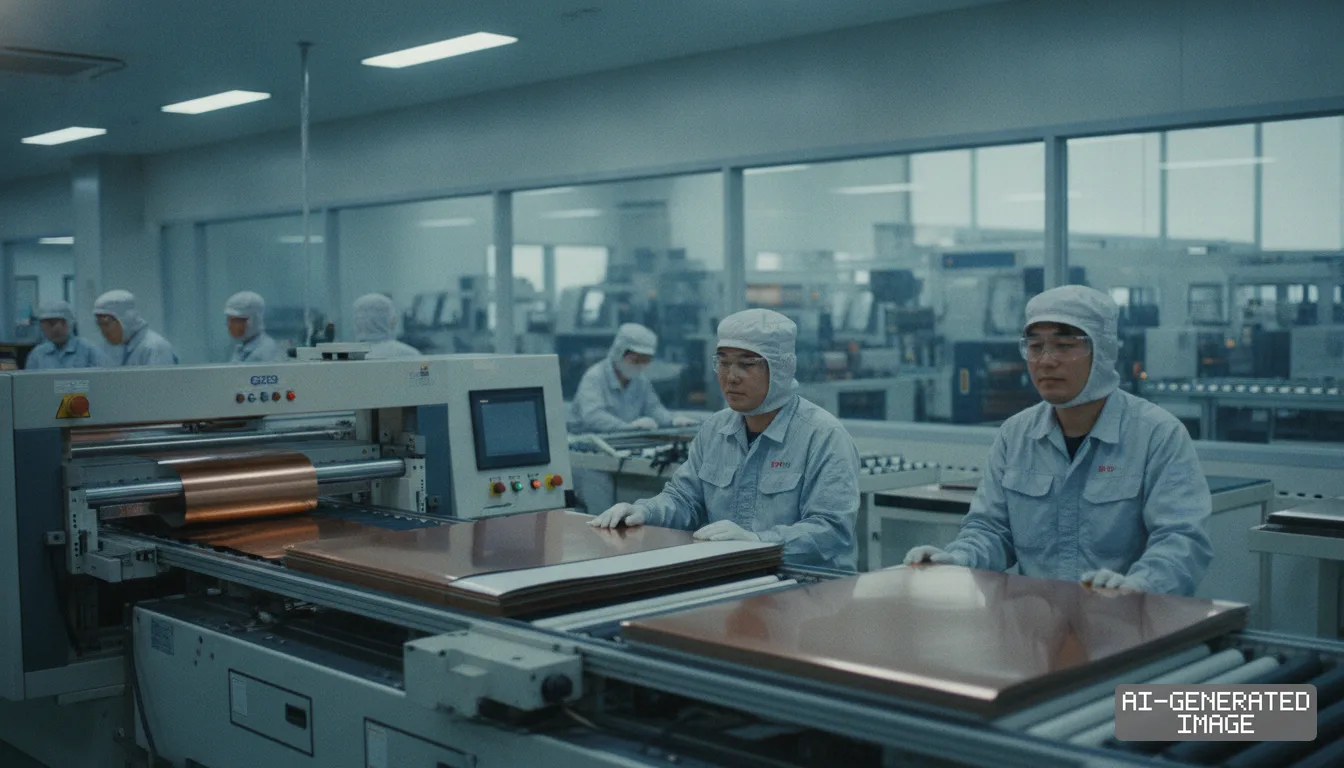
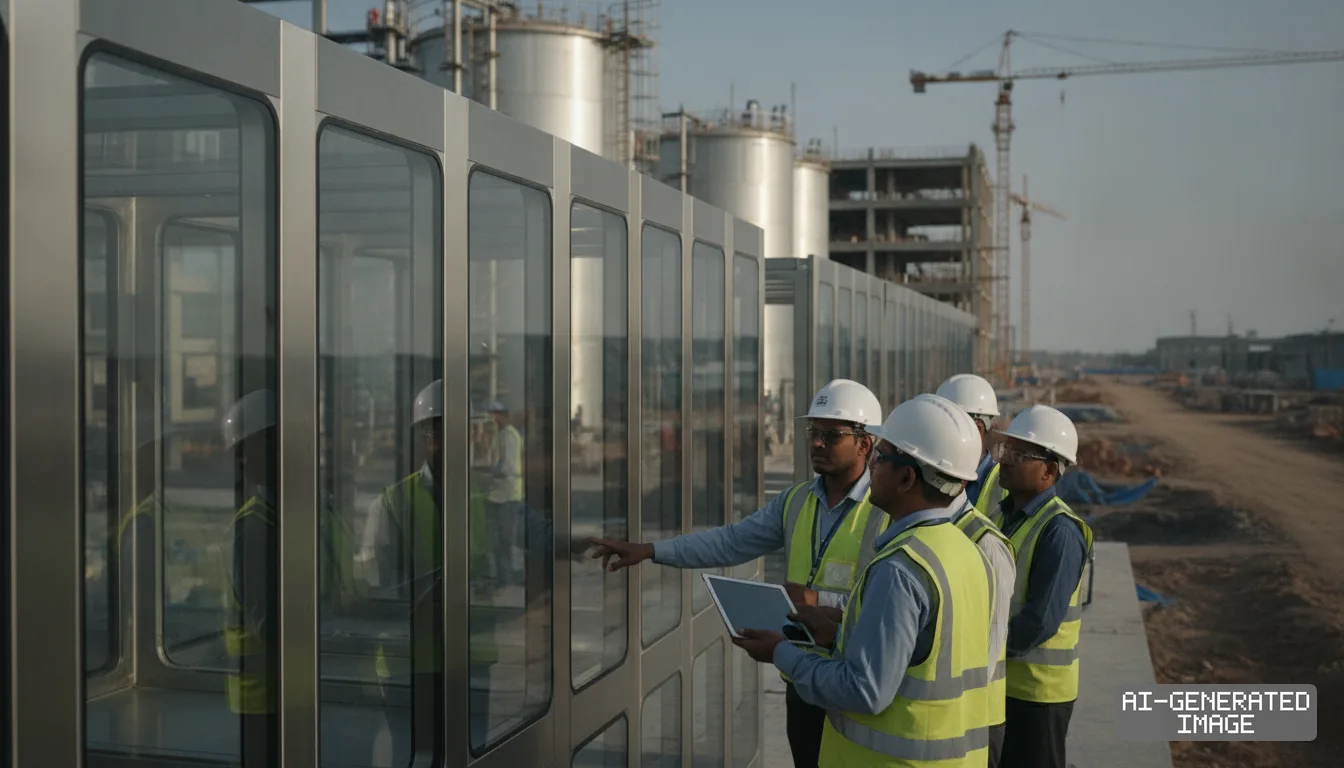
SK hynix subsidiary Solidigm began evaluating upstate New York on Sept. 18, 2026 as a prospective location for its first American NAND flash wafer fabrication plant.
The company and state authorities have not disclosed an investment budget, a wafer capacity target or a project acreage. Front-end flash memory wafer plants typically cost over $10 billion to build.
SK hynix confirmed the review in a verbal response on Sept. 18, 2026, saying no plans have been finalized. The company did not issue a regulatory filing to the Korea Exchange.
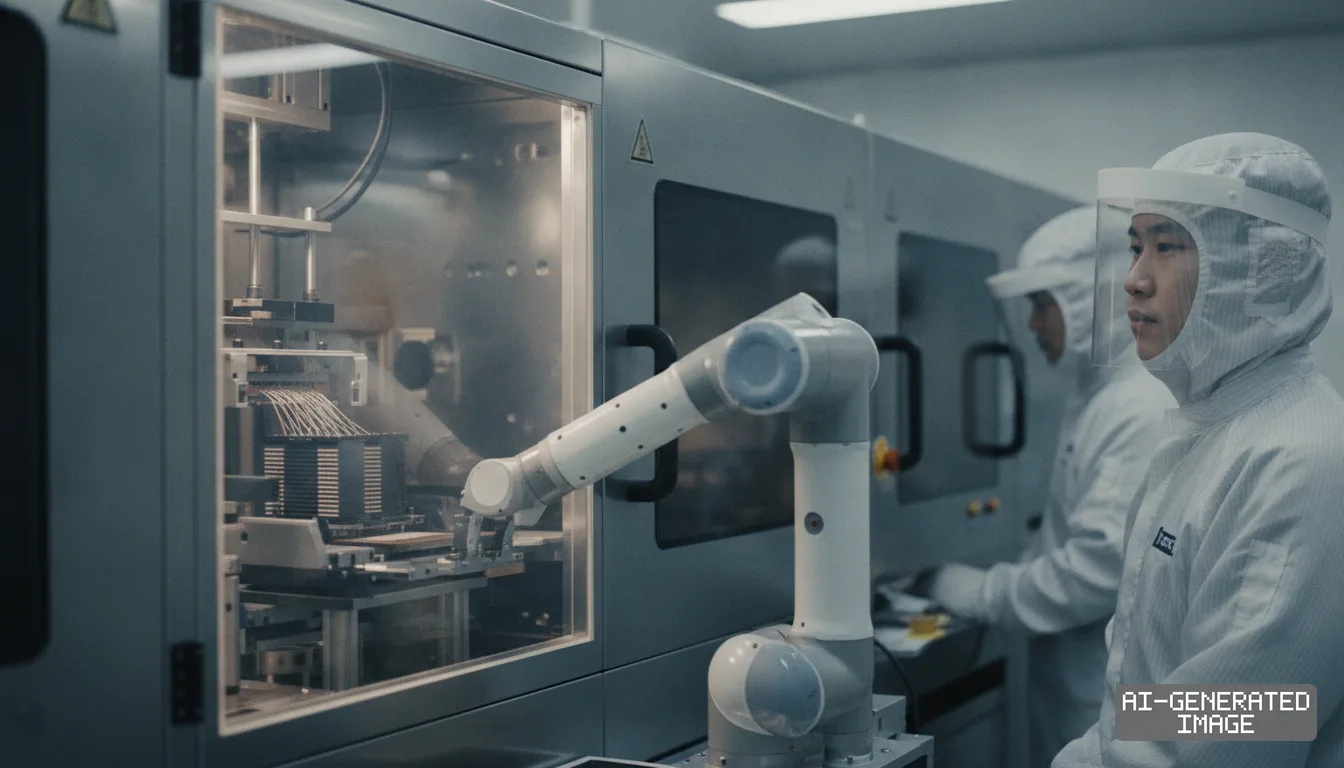
The prospective manufacturing plant would mark the first time Solidigm builds front-end wafer fabrication facilities in the United States. The subsidiary develops high-density enterprise solid-state drives for hyperscale artificial intelligence data centers.
Solidigm produces all its NAND flash memory wafers at a single production complex in Dalian, China. SK hynix acquired that facility from Intel in a phased $9 billion transaction announced in late 2020.
Operating a sole fabrication base in China exposes Solidigm directly to escalating United States export controls on advanced semiconductor tooling. Wafer fabs inside China cannot readily import next-generation lithography or deposition machinery without specific waivers.
A manufacturing base in New York would shield enterprise drive manufacturing from prospective tariff increases. Trade officials in Washington have weighed import penalties reaching up to 100% on imported memory components.
Upstate New York offers established semiconductor infrastructure and clean industrial power. Micron Technology is already constructing a multi-phase memory complex in Onondaga County, backed by federal grants from the CHIPS and Science Act.
The New York project is being pursued separately from SK hynix's ongoing operational talks with Intel, according to people familiar with the matter. Those separate discussions involve leasing cleanroom space at Intel's upcoming campus in New Albany, Ohio.
The NAND flash initiative also runs parallel to SK hynix's $3.87 billion advanced packaging project in West Lafayette, Indiana. That Indiana site broke ground in late August 2026 to process high-bandwidth memory dies shipped from South Korea.
SK hynix closed the second phase of its Intel asset transfer, paying the final $2 billion consideration in 2025. That payment transferred the remaining Dalian operational patents, design software and factory personnel to the South Korean parent.
Solidigm's primary commercial asset is quad-level cell NAND architecture. Quad-level technology packs 4 bits of digital data into each microscopic memory cell, maximizing internal capacity for server racks.
The company supplies 61-terabyte enterprise solid-state drives to North American cloud service operators. SK hynix and Solidigm hold roughly 30% of the worldwide enterprise drive market, competing directly with Samsung Electronics.
American cloud infrastructure builders account for more than half of worldwide server storage procurement. Supplying those hyperscalers from domestic cleanrooms eliminates crossing cross-border tariff lines during geopolitical disputes.
High operational costs in the United States present a commercial obstacle for commodity memory production. Constructing and staffing cleanrooms in North America runs significantly higher than running established fabrication lines in East Asia.
SK hynix carries heavy domestic capital commitments alongside its American expansion drive. The parent firm committed roughly 120 trillion won ($90 billion) to construct four fabrication lines at the Yongin Semiconductor Cluster in South Korea.
Financial authorities in Seoul have tracked Solidigm's structural corporate reorganization throughout 2026. SK hynix filed clarification notices with Korean regulators on Aug. 5 and Sept. 4 regarding market speculation about an initial public offering or pre-IPO equity sale for the unit.
The parent company and state authorities have not published an investment figure, a construction timetable or a specific site within New York.
The New York State Empire State Development board holds its next scheduled regional economic assessment meeting on Oct. 15, 2026. Solidigm's formal qualification filings for state manufacturing incentives will clarify the project's scale if talks advance to binding development contracts.
Impact map
How this development propagates across the region and out to global buyers.
| Event | Korea | China | Japan | Global impact |
|---|---|---|---|---|
| Solidigm US NAND Fab Review | SK hynix balances $90B Yongin cluster capex with US onshore demands | Dalian fab risks equipment stagnation under tightened US export control licensing | Tokyo Electron and Kioxia face competitive realignment in high-density QLC storage | Cloud data center eSSD supply chains pivot toward US-based wafer fabrication |
In this story
- Companies
- SK hynixSolidigm
- Tickers
- 000660.KS
- Exposed
- IntelMicron TechnologySamsung Electronics
- Policy
- TariffsExport ControlsSubsidies
- Impact
- CapexSupply ChainCompliance
Track every Tariffs development → Track every Export Controls development → Track every Subsidies development →
Related briefings
- CXMT starts pilot HBM3E production as China accelerates AI chip self-reliance Also on Micron Technology, SK hynix, Export Controls
- CXMT beats SK hynix and Micron in DRAM margin at 87.59% gross rate Also on Micron Technology, SK hynix, Export Controls
- SK hynix starts $4 billion packaging plant in Indiana to feed US AI Also on Micron Technology, SK hynix, Export Controls
- Tokyo Electron Deploys Cryogenic Etch Systems to Challenge US Grip on 3D NAND Also on Micron Technology, SK hynix, Export Controls
Sources
Primary documents
Reporting
Confidence: high — how we grade this
The documents behind this briefing are linked above. East Asia Brief produces its English text with AI assistance under human editorial review, and does not translate or republish other outlets' articles. See our methodology and AI policy. Spotted an error? Tell us.
The Morning Brief
What changed in Korean, Chinese and Japanese industry overnight — and what it means for your supply chain. One email, weekday mornings, US time. Free.
The first issue goes out shortly. Sign up now and you will not miss it.