AMD raises AI accelerator prices 10% on TSMC foundry costs
A planned fourth-quarter price adjustment covers enterprise Instinct accelerators and graphics cards while leaving consumer desktop Ryzen processors untouched, supply chain reports indicate.
Advanced Micro Devices moved to raise enterprise artificial intelligence accelerator chip prices by 10% on Sept. 20, 2026, passing higher contract manufacturing expenses downstream to datacenter hardware customers.
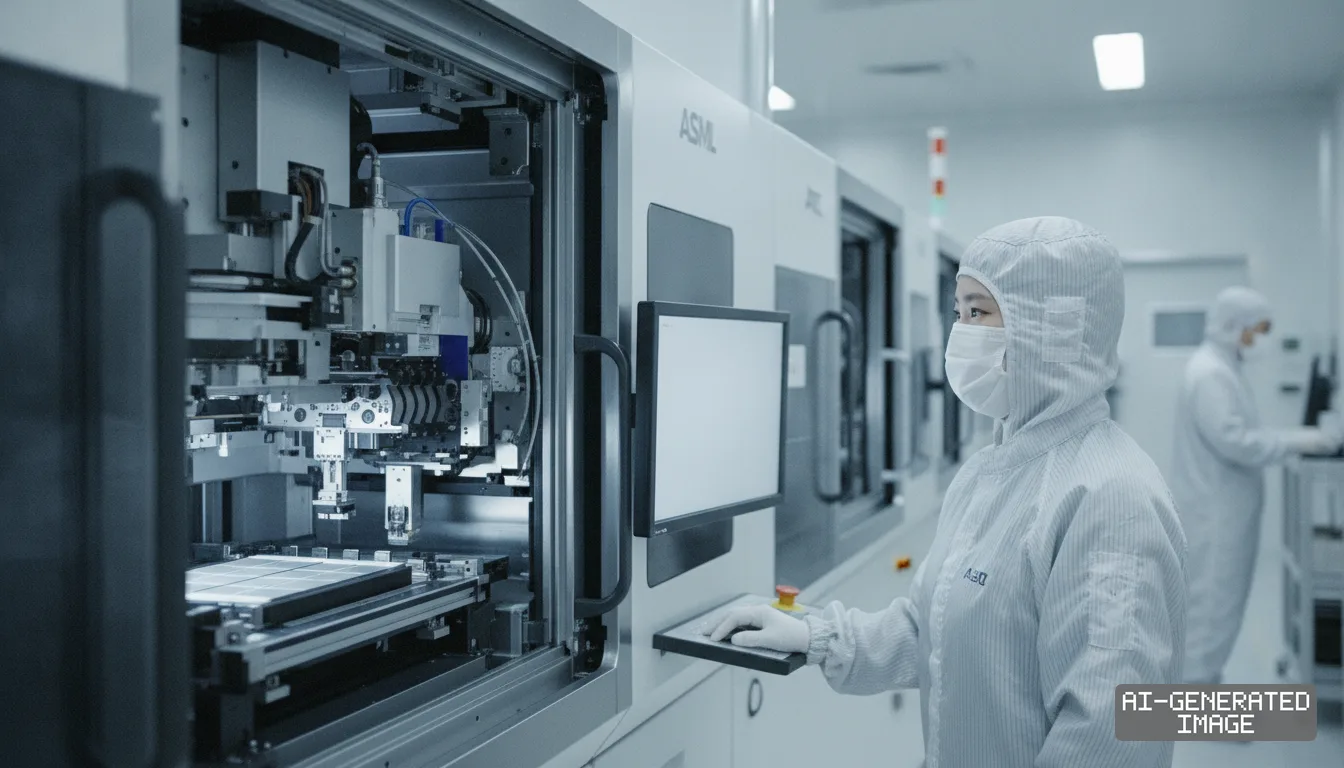
The price adjustment followed notifications from Taiwan Semiconductor Manufacturing Company alerting fabless chip designers to a 10% hike in contract wafer fabrication fees. AMD relies on TSMC to manufacture its high-performance silicon.
The 10% increase applies across AMD Instinct accelerators, Radeon graphics processors and motherboard chipsets scheduled for delivery in the fourth quarter. AMD booked $34.6 billion in total revenue during 2025, driven by datacenter compute sales.
Enterprise AI accelerators represent AMD's fastest expanding product line, powering large-scale machine learning clusters for cloud providers and server makers. The Instinct MI300 and MI350 product families compete directly with Nvidia graphic processors in enterprise data centers.
TSMC informed major customers that escalating operational costs and capital investments for advanced packaging lines required higher wafer quotes. Advanced packaging integrates processor compute dies and high-bandwidth memory stacks into single high-performance modules for artificial intelligence workloads.
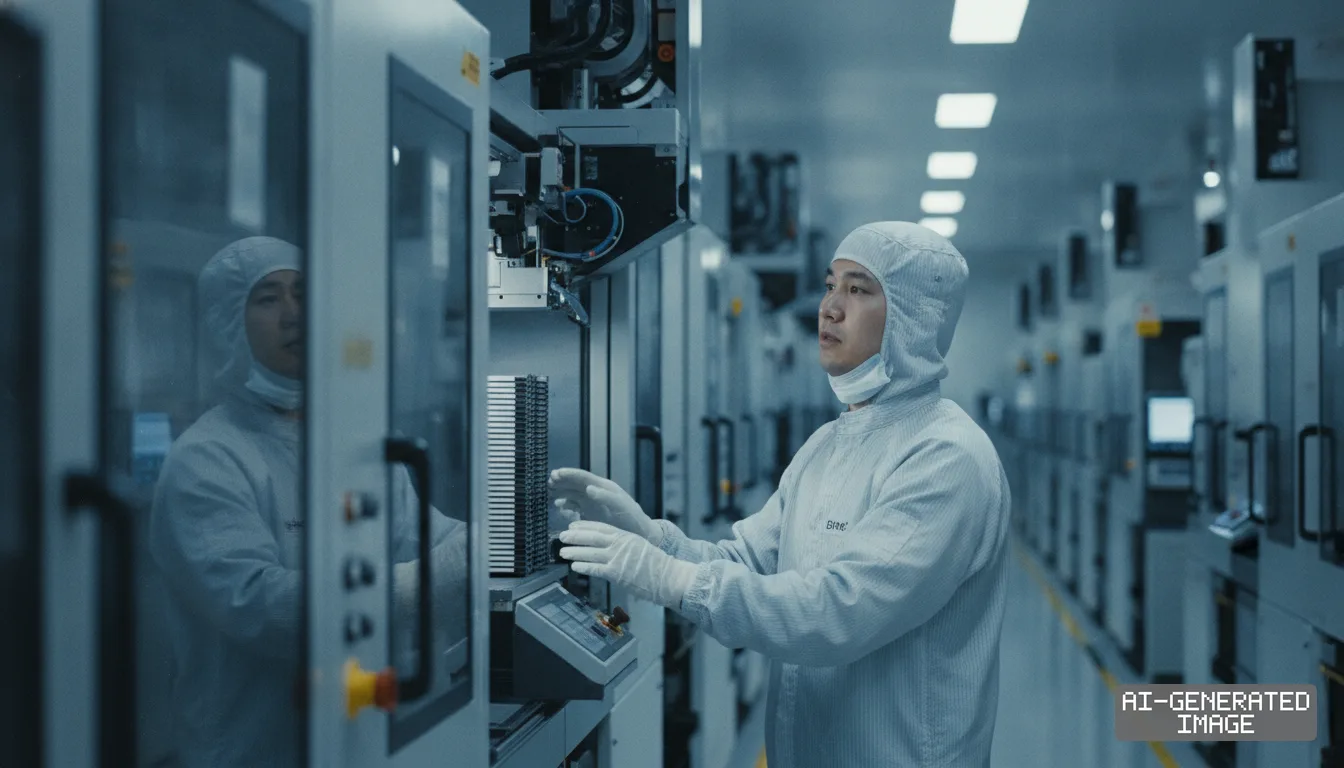
Foundry packaging bottlenecks and substrate fabrication expenses have increased production costs across the semiconductor manufacturing chain. TSMC has expanded chip-on-wafer-on-substrate capacity across Taiwan to meet sustained accelerator delivery commitments from American fabless designers.
Cloud infrastructure providers and enterprise server manufacturers face direct procurement budget increases from the component revisions. Major customers including OpenAI, Meta and Microsoft deploy AMD Instinct accelerators for gigawatt-scale artificial intelligence cluster installations.
Server assemblers including Supermicro, Wiwynn and Foxconn build multi-accelerator server systems that carry eight Instinct modules per chassis. A 10% component price increase adds thousands of dollars to each high-density rack installation.
AMD also notified board partners assembling Radeon graphics cards and motherboard chipsets of the 10% price revision. Hardware vendors ASUS, MSI and Gigabyte must decide whether to absorb the margin compression or raise consumer retail tags.
Printed circuit board suppliers raised component prices up to 50% across 2026 due to rising raw copper and laminate resin costs. Motherboard manufacturers face compounding component inflation across passive capacitors, voltage regulators and foundry-supplied chipsets.
Consumer desktop Ryzen processors were absent from the partner price adjustment schedule, according to Asian hardware supply reports. Hardware distributors noted that the omission keeps retail desktop processor prices unchanged entering the peak autumn shopping period.
Competitor Intel announced client processor price increases of roughly 10% scheduled to take effect on Oct. 5, 2026. AMD chose to hold Ryzen wholesale prices steady to capture personal computer market share from its rival.
Client desktop processors share advanced TSMC manufacturing nodes with server chips, leaving both lines exposed to higher wafer contract rates. AMD elected to absorb wafer cost increases on consumer processors while recovering operating margins through enterprise accelerators.
The pricing strategy reflects divergent commercial elasticity between hyperscale datacenter operators and price-sensitive consumer PC buyers. Cloud operators training frontier artificial intelligence models accept higher unit silicon costs to secure accelerator delivery schedules.
High-bandwidth memory components from SK hynix and Samsung Electronics constitute a major share of total accelerator manufacturing bills. Rising contract prices for memory stacks throughout 2026 have amplified gross margin pressures on fabless processor vendors.
Fabless semiconductor companies lack proprietary fabrication plants and cannot easily transfer high-volume advanced node production to alternative foundries. TSMC maintains near-total control over leading-edge fabrication services requiring sub-five-nanometer lithography and advanced 2.5D packaging.
Alternative contract foundries including Samsung Electronics and Intel Foundry continue developing rival packaging services, but commercial yields remain limited. AMD remains bound to TSMC manufacturing queues to fulfill multi-year enterprise delivery agreements.
Industry analysts noted that contract foundries now possess greater pricing leverage over fabless designers than during previous manufacturing cycles. Leading-edge manufacturing capacity remains booked through 2027, preventing customers from negotiating lower wafer processing fees.
Board partners in Taiwan and mainland China confirmed receiving informal guidance regarding component price adjustments. Channel distributors began recalculating fourth-quarter inventory budgets to account for higher graphics card and motherboard acquisition costs.
Supply chain communications indicate that the revised component pricing schedule takes effect at the start of the fourth quarter on Oct. 1, 2026. Hardware partners will receive updated wholesale billing manifests for silicon deliveries scheduled across the final three months of the year.
AMD has not published an official statement or filed Form 8-K disclosures with the U.S. Securities and Exchange Commission to verify the partner notices. The company has not confirmed whether consumer Ryzen CPUs will avoid future price increases.
AMD reports its third-quarter financial results and updated revenue guidance to institutional investors on Oct. 27, 2026.
Impact map
How this development propagates across the region and out to global buyers.
| Event | Korea | China | Japan | Global impact |
|---|---|---|---|---|
| AMD 10% chip price revision | SK hynix and Samsung face higher HBM margin scrutiny from fabless buyers | Board makers in Shenzhen absorb 10% chipset hikes alongside 50% PCB cost gains | Tokyo Electron sees sustained tool utilization for TSMC advanced packaging lines | AI server BOM rises thousands of dollars per eight-GPU chassis from Oct. 1 |
In this story
- Companies
- Advanced Micro DevicesTaiwan Semiconductor Manufacturing Company
- Tickers
- AMD2330.TW
- Exposed
- IntelSK hynixSamsung ElectronicsMicrosoftMeta Platforms
- Policy
- Economic Security
- Impact
- PricingSupply ChainCost Structure
Track every Economic Security development →
Related briefings
- Ibiden and Shinko ramp high-layer FC-BGA lines as AI server package sizes expand Also on Advanced Micro Devices, Taiwan Semiconductor Manufacturing Company, Intel
- Silicon interposer scaling drives foundry and OSAT shifts in 3.5D chiplets Also on Advanced Micro Devices, Intel, Samsung Electronics
- AMD Reaffirms TSMC Alliance While Evaluating Rival Foundries Also on Advanced Micro Devices, Samsung Electronics, Pricing
- SK hynix and foundries advance hybrid bonding for AI silicon in 2027 Also on Taiwan Semiconductor Manufacturing Company, Intel, SK hynix
Sources
Primary documents
Reporting
Confidence: high — how we grade this
The documents behind this briefing are linked above. East Asia Brief produces its English text with AI assistance under human editorial review, and does not translate or republish other outlets' articles. See our methodology and AI policy. Spotted an error? Tell us.
The Morning Brief
What changed in Korean, Chinese and Japanese industry overnight — and what it means for your supply chain. One email, weekday mornings, US time. Free.
The Morning Brief is in preparation. Leave your address and we will write to you once — when the first issue is ready. Nothing before that.