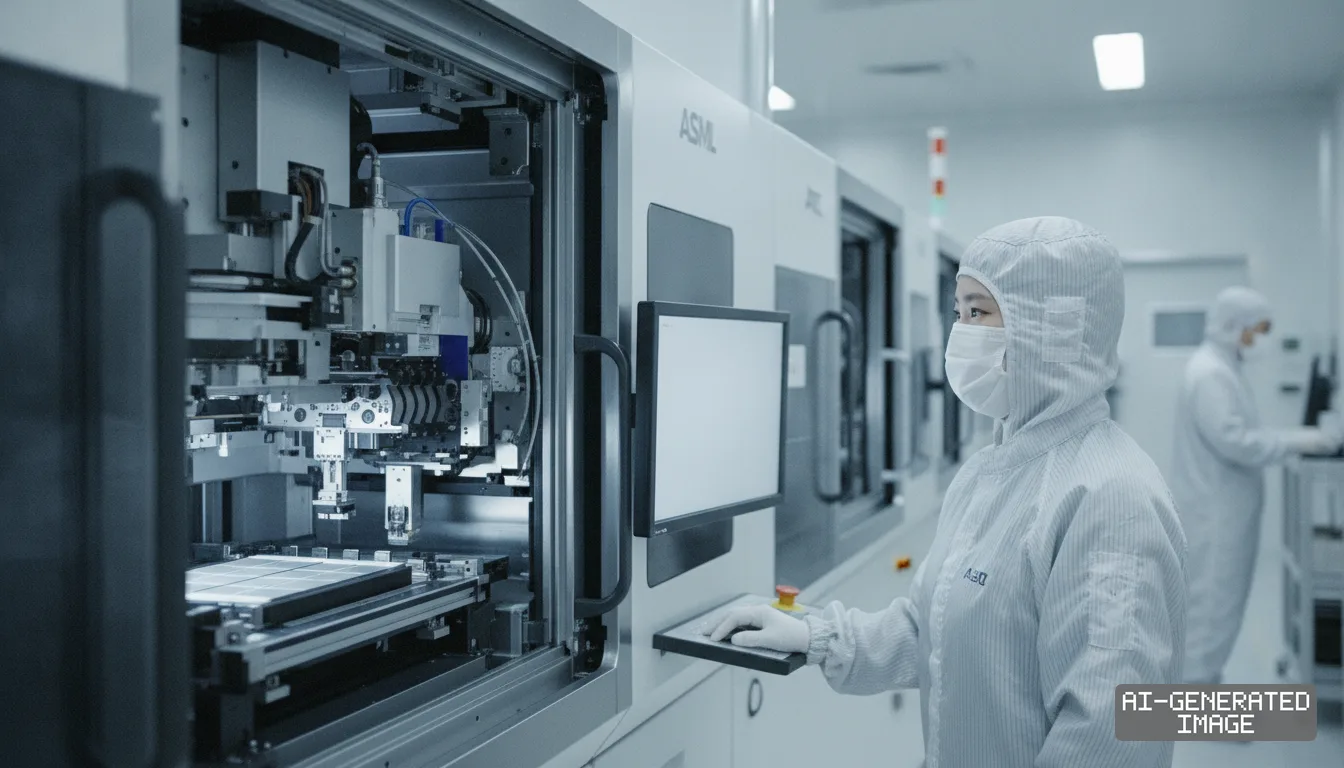
Chinese rare earth suppliers halt shipments to US customers
Hold-ups of yttrium and indium cargo follow Beijing's blacklisting of the Responsible Business Alliance, leaving aerospace and defense supply chains short before a Nov. 10 quota deadline.
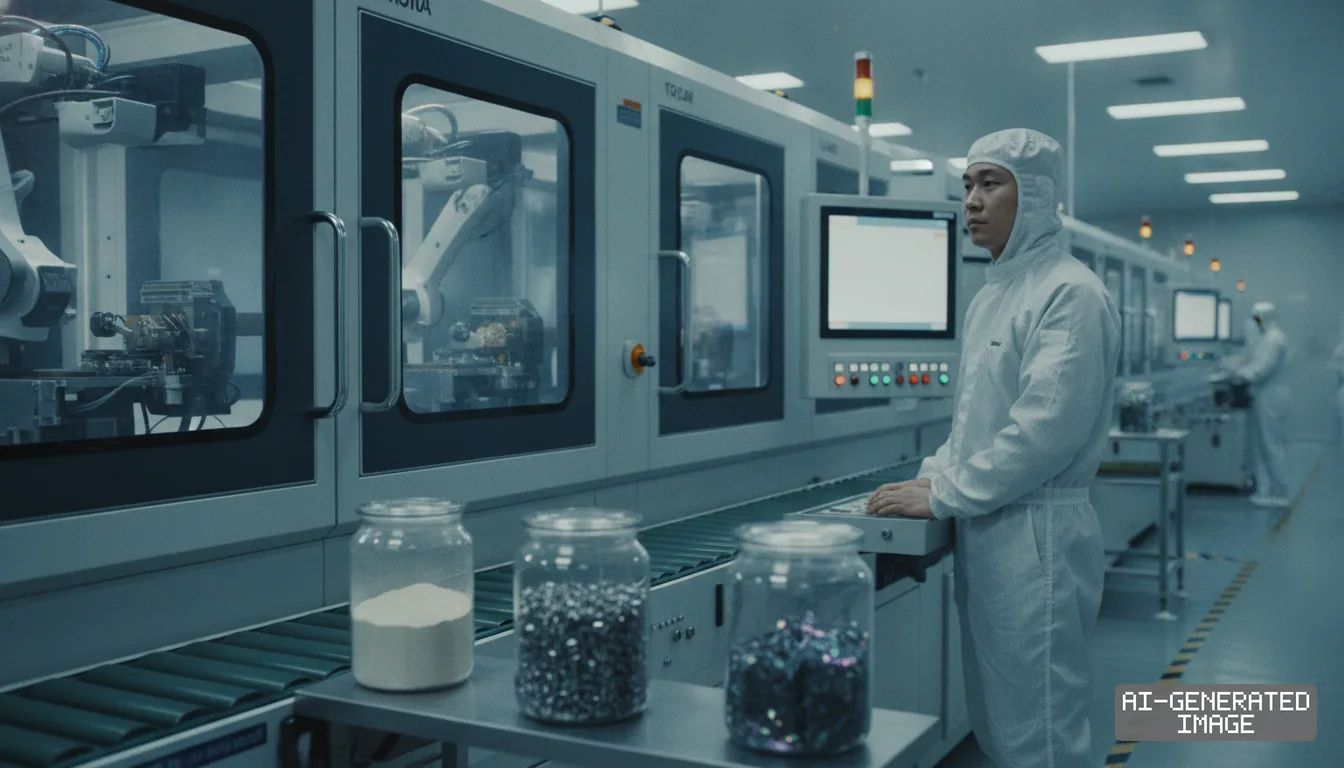
Chinese rare earth suppliers withheld scheduled shipments of critical minerals to American buyers on Sept. 20, citing compliance risks under Beijing's expanded counter-sanctions regime ahead of bilateral trade negotiations.
The commercial freeze targets specialized heavy elements, including yttrium, tungsten and indium phosphide. These inputs support military avionics, precision radar and high-frequency semiconductor manufacturing.
China processes roughly 90% of global rare earth elements and controls 70% of extraction capacity, according to International Energy Agency data. That concentration leaves Western defense contractors dependent on Chinese refiners.
Chinese customs disclosures show exporters sent 27 tonnes of yttrium to the United States in July. That volume was roughly half of average monthly shipments recorded during 2024.
The delivery halts emerged after China's Ministry of Commerce issued Decree No. 2 on Aug. 5. The order added the US-based Responsible Business Alliance to Beijing's official counter-sanctions list.
Under China's Anti-Foreign Sanctions Law, domestic entities cannot cooperate with blacklisted organizations. Chinese suppliers feared that conducting supply-chain audits tied to the group would trigger domestic penalties, industry participants said.
The Responsible Business Alliance operates the Responsible Minerals Initiative, a verification platform used by Western industrial firms. Major automotive and defense buyers require suppliers to submit mineral sourcing data through that program.
Chinese processing companies concluded that sharing audit data with American clients could violate Chinese statutes. Several refiners opted to suspend shipments rather than risk state investigation, commercial traders said.
The supply stoppages occurred despite vendors holding valid export licenses from Chinese authorities. Exporters feared that shipped material might reach US defense firms already subject to Chinese sanctions.
Trade records documented at least four separate instances where Chinese refiners refused to deliver booked cargoes. The rejections involved specialized military-grade minerals bound for American component manufacturers.
The informal bans created immediate bottlenecks for North American aerospace contractors. Lockheed Martin and Boeing rely on heavy rare earths for radar components, missile guidance actuators and thermal barrier coatings.
Commercial magnet producers also face extended delivery cycles for dysprosium and terbium compounds. Non-Chinese refining plants currently provide less than 2% of the world's commercial heavy rare earth separations.
The export friction extends beyond the United States into allied manufacturing hubs. Japanese customs records show terbium imports from China dropped to zero in July, down from 20 tonnes a year earlier.
Japanese imports of Chinese gallium also fell 65% over the same period. Gallium compounds provide essential substrates for high-power radio-frequency chips and military radar transmitters.
US officials raised rare earth licensing disruptions during preliminary bilateral meetings this month. Washington requested that Beijing honor commitments made in Busan and Beijing to maintain predictable export approvals.
The export slow-walk coincides with preparations for a bilateral summit in Washington scheduled for Sept. 24. Critical mineral access forms a central pillar of the high-level trade agenda.
Regulatory pressure will peak again in late autumn. China's Ministry of Commerce previously confirmed that a temporary suspension of heavy rare earth export controls will expire on Nov. 10.
Those underlying rules, originally published in October 2025, establish strict end-user verification for overseas shipments. An end to the suspension would reinstate mandatory reviews across all heavy rare earth shipments.
The International Energy Agency estimated that complete enforcement of Beijing's export rules could disrupt $6.5 trillion in annual industrial output outside China. Automotive, aerospace and clean energy equipment face direct exposure.
Western mining ventures continue to develop domestic extraction sites, but refining capacity lags by several years. MP Materials operates the Mountain Pass rare earth mine in California, yet sends heavy mineral concentrate abroad for separation.
South Korean battery cathode producers and component makers are tracking the shipping dispute closely. Korean firms import more than 80% of their refined heavy rare earth additives from Chinese smelters.
The Ministry of Commerce has not published a formal directive halting exports to the United States. Chinese authorities have also omitted data detailing the total volume of detained cargo.
Chinese exporters hold valid export licenses through the fourth quarter, but private consignments remain halted at coastal ports. Commercial negotiations between suppliers and overseas buyers remain stalled pending the Sept. 24 summit.
Impact map
How this development propagates across the region and out to global buyers.
| Event | Korea | China | Japan | Global impact |
|---|---|---|---|---|
| Rare earth shipment freeze | Battery cathode makers monitor upstream heavy rare earth additives, domestic stockpiles cover three months | Domestic refiners enforce Anti-Foreign Sanctions Law, halting direct contracts with US buyers | Terbium imports from China dropped to zero while gallium purchases fell 65% | Defense and aerospace lead times widen as alternative heavy rare earth refining remains below 10% |
In this story
- Companies
- China Northern Rare Earth GroupChina Rare Earth Group
- Tickers
- 600111.SS000831.SZ
- Exposed
- Lockheed MartinBoeingMP Materials
- Policy
- Export ControlsCounter-Sanctions
- Impact
- Supply ChainCompliancePricing
Track every Export Controls development →
Related briefings
- China scales dysprosium recovery from spent magnets as primary mining quotas tighten Also on China Northern Rare Earth Group, China Rare Earth Group, Export Controls
- China Rare Earth Group seeks control of Shenghe Resources Also on MP Materials, China Rare Earth Group, Export Controls
- Modi warns BRICS against mineral export curbs in New Delhi Also on China Northern Rare Earth Group, Export Controls, Pricing
- Xi Jinping plans business delegation for Donald Trump summit Also on Boeing, Export Controls, Pricing
Sources
Primary documents
Reporting
Confidence: high — how we grade this
The documents behind this briefing are linked above. East Asia Brief produces its English text with AI assistance under human editorial review, and does not translate or republish other outlets' articles. See our methodology and AI policy. Spotted an error? Tell us.
The Morning Brief
What changed in Korean, Chinese and Japanese industry overnight — and what it means for your supply chain. One email, weekday mornings, US time. Free.
The Morning Brief is in preparation. Leave your address and we will write to you once — when the first issue is ready. Nothing before that.