TSMC weighs Texas foundry campus to expand US chip capacity
Deliberations over an additional manufacturing site follow $265 billion committed to Arizona, as North American customers generate 75.64% of the foundry giant's wafer revenue.
Taiwan Semiconductor Manufacturing Co. reviewed preliminary plans on Oct. 3, 2026 to evaluate building advanced wafer fabrication plants in Texas, weighing a geographic diversification beyond its $265 billion production complex in Arizona.
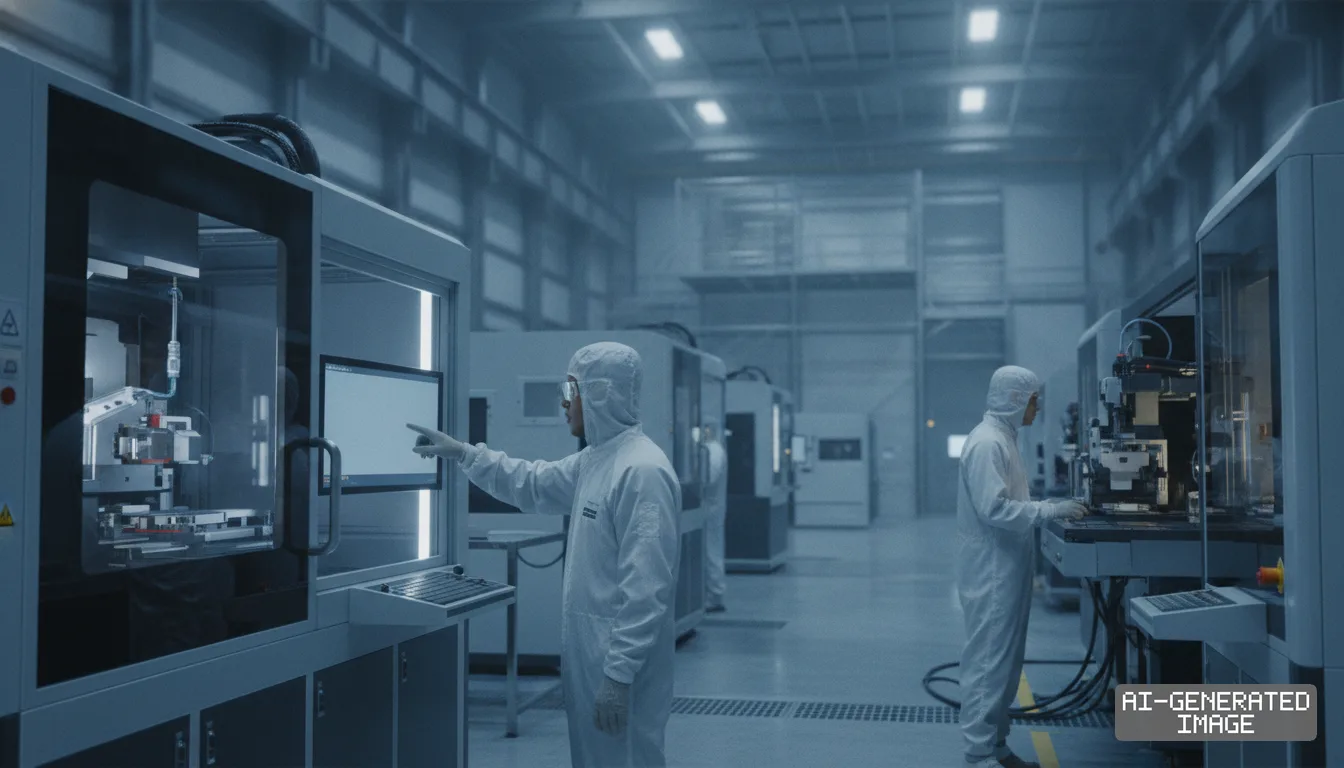
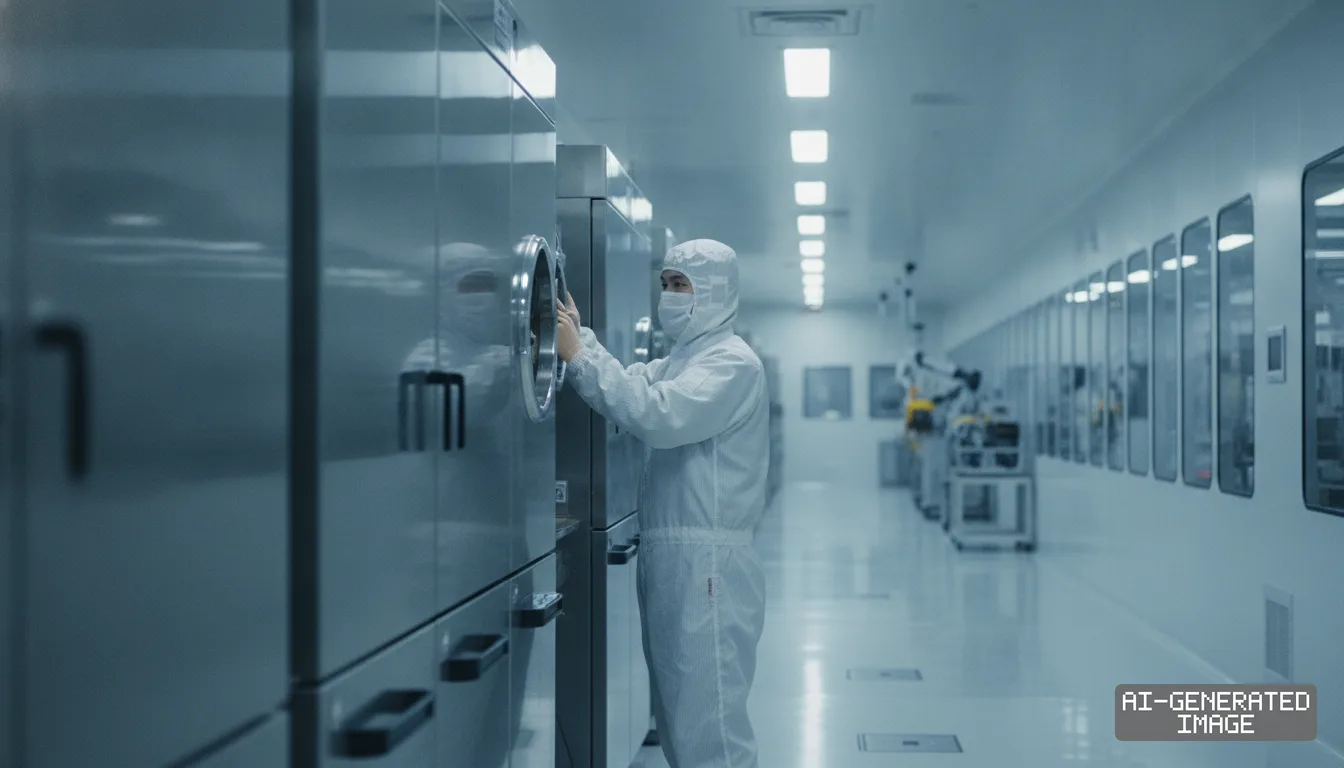
The world's largest contract chipmaker is assessing industrial acreage near Dallas as a candidate site for a second American manufacturing hub. The contemplated campus would house multiple front-end wafer fabrication facilities dedicated to advanced logic nodes.
Any commercial commitment in Texas would expand a capital expenditure program already deployed in Phoenix. North American customers accounted for 75.64% of TSMC's total wafer manufacturing revenue during the first half of 2026.
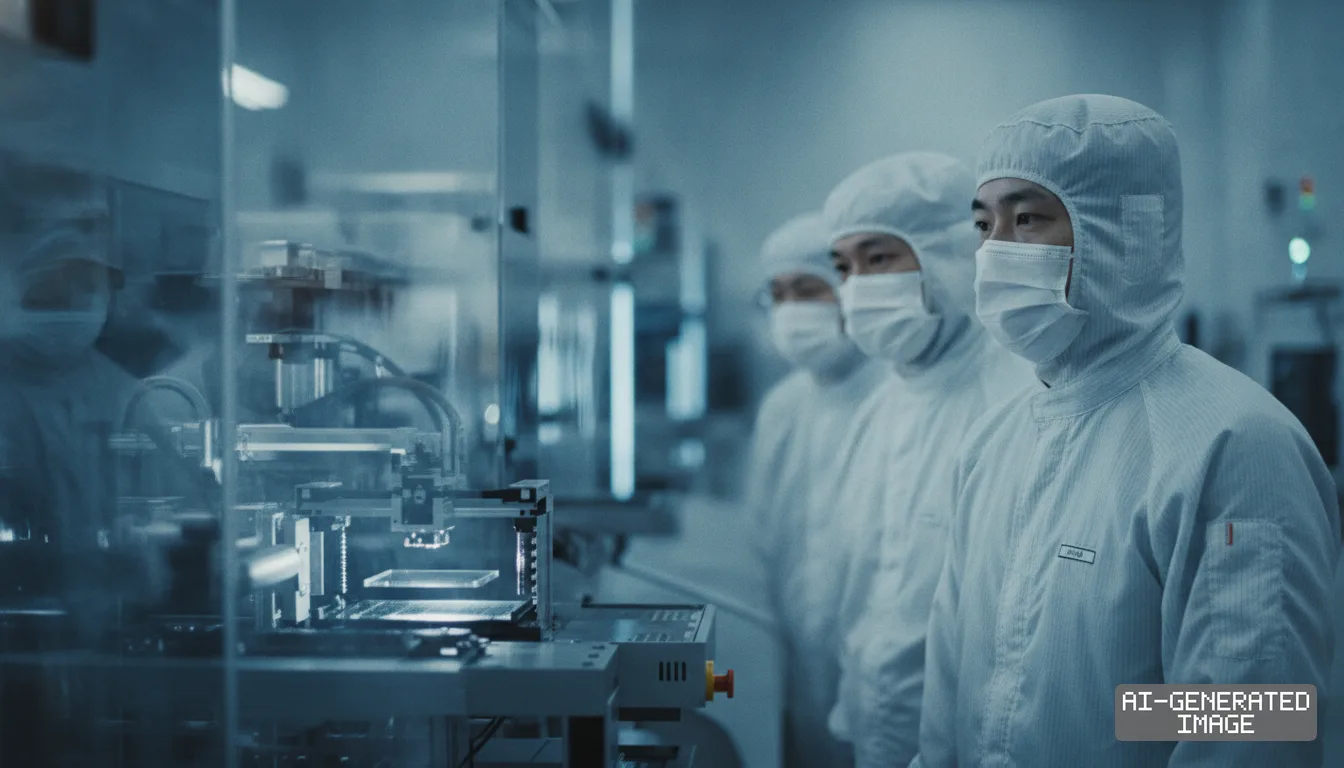
Demand for artificial intelligence hardware has congested TSMC's existing cleanroom lines. Customers including Nvidia Corp. and Advanced Micro Devices Inc. have placed record production orders for leading-edge processors and accelerated computing modules.
To meet client backlogs, TSMC roughly doubled its annual procurement of advanced chipmaking tools over the past year. Company leadership lifted planned capital spending for 2026 to a range of $60 billion to $64 billion.
Initial supply chain discussions outline up to six advanced wafer fabs across the proposed Texas campus. Independent engineering estimates indicate that building and equipping each modern cleanroom facility costs at least $20 billion.
If TSMC executes the complete multi-phase development in Texas, total capital outlays could surpass its committed Arizona budget. The company pledged $265 billion to Arizona in July 2026, adding $100 billion to prior authorizations.
The Arizona roadmap comprises 10 semiconductor logic fabs, two advanced packaging plants and an industrial research and development center. The Phoenix complex represents the largest foreign direct investment project in modern American history.
Commercial manufacturing at the first Phoenix facility began in late 2024, producing 4-nanometer logic wafers. TSMC is currently installing production equipment at its second Arizona fab to prepare for 3-nanometer commercial runs.
Construction is also proceeding on a third Arizona facility designed to introduce 2-nanometer and A16 process nodes. Preliminary groundwork started earlier this year on a fourth fabrication structure and a dedicated advanced packaging plant.
Texas provides established industrial infrastructure for leading-edge semiconductor manufacturing. TSMC already operates a design service center in Austin, though it does not possess commercial wafer fabrication capacity within the state.
The surrounding region contains large-scale foundry and packaging investments by rival producers. Samsung Electronics Co. is constructing an advanced manufacturing complex in Taylor, while Texas Instruments Inc. is investing over $30 billion across new fabs in Sherman.
Industry reporting over the weekend also linked TSMC to operational discussions for Elon Musk's planned Terafab installation in Texas. Neither enterprise has confirmed commercial discussions or signed binding manufacturing agreements for that facility.
Supply chain analysts expressed caution regarding TSMC's capacity to finance and construct two simultaneous American megasites. Building duplicate manufacturing hubs between 2030 and 2035 would create severe competition for specialized semiconductor engineers and construction contractors.
Engineering bandwidth remains tight across TSMC's primary manufacturing campuses in Taiwan, Japan and Germany. The chipmaker is expanding production lines in Kumamoto, Japan, while simultaneously advancing work on a European foundry in Saxony.
Capital allocations remain tied to existing regulatory clearances and board-approved financing tranches. Taiwan's Ministry of Economic Affairs has approved $44 billion in direct outbound investment for TSMC's American manufacturing subsidiary since December 2020.
TSMC's board of directors previously authorized $31.28 billion in capital appropriations for advanced technologies. That approval accompanied a dedicated equity capital injection of up to $20 billion into the company's Arizona operational entity.
Federal policy incentives represent another decisive factor in corporate deliberations over a Texas presence. TSMC is monitoring whether the United States Congress extends the 35% advanced manufacturing investment tax credit before statutory authority expires at year-end.
Without extended federal tax credits, the operational cost penalty of running high-volume fabrication facilities inside the United States increases by an estimated 30% to 50%. Senior executives have repeatedly conditioned international expansion on sustained fiscal support from host governments.
The company has not filed regulatory disclosures confirming a Texas property purchase or fab design contract. TSMC's board of directors has not approved capital expenditures or construction authorizations for a manufacturing site outside Phoenix.
TSMC declined to comment on site evaluations, describing accounts of a Texas expansion as market speculation. Management will address quarterly capital spending and overseas fab construction during its institutional investor conference on Oct. 15, 2026.
Impact map
How this development propagates across the region and out to global buyers.
| Event | Korea | China | Japan | Global impact |
|---|---|---|---|---|
| TSMC Texas campus evaluation | Samsung faces direct geographical competition for foundry tooling and labor in Taylor, Texas | SMIC and domestic foundries face wider technological isolation as leading-edge capacity concentrates in North America | Tokyo Electron and Japanese toolmakers gain long-cycle tool demand across multiple concurrent US construction programs | AI hardware developers gain potential dual-state foundry redundancy, though manufacturing costs remain elevated |
In this story
- Companies
- Taiwan Semiconductor Manufacturing Co.
- Tickers
- 2330.TWTSM
- Exposed
- NvidiaAdvanced Micro DevicesSamsung ElectronicsTexas Instruments
- Policy
- SubsidiesTax Credits
- Impact
- CapexSupply Chain
Track every Subsidies development → Track every Tax Credits development →
Related briefings
- TSMC Dismisses Terafab Rumors as Texas Factory Talks Surface Also on Texas Instruments, Tax Credits, Taiwan Semiconductor Manufacturing Co.
- Taiwan breaks ground on TSMC packaging base to relieve CoWoS limits Also on Advanced Micro Devices, Taiwan Semiconductor Manufacturing Co, Nvidia
- AMD Reaffirms TSMC Alliance While Evaluating Rival Foundries Also on Advanced Micro Devices, Taiwan Semiconductor Manufacturing Co., Samsung Electronics
- Silicon interposer scaling drives foundry and OSAT shifts in 3.5D chiplets Also on Advanced Micro Devices, Taiwan Semiconductor Manufacturing Co, Samsung Electronics
Sources
Reporting
Confidence: medium — how we grade this
The documents behind this briefing are linked above. East Asia Brief produces its English text with AI assistance under human editorial review, and does not translate or republish other outlets' articles. See our methodology and AI policy. Spotted an error? Tell us.
The Morning Brief
What changed in Korean, Chinese and Japanese industry overnight — and what it means for your supply chain. One email, weekday mornings, US time. Free.
The Morning Brief is in preparation. Leave your address and we will write to you once — when the first issue is ready. Nothing before that.