SK Hynix, Micron Shares Fall as Chip Sell-Off Hits Korea Market
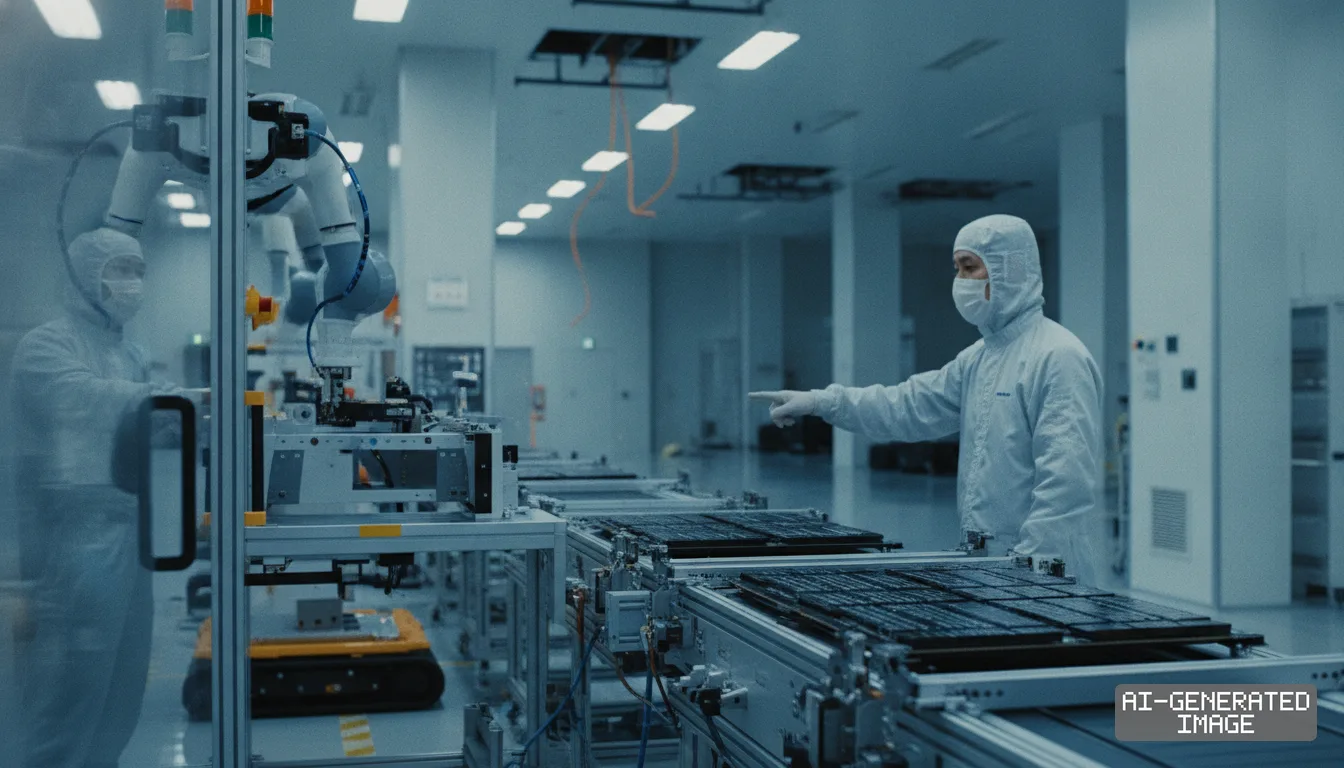
A broad decline in Korean chip stocks on Oct. 13 dragged SK Hynix and Samsung Electronics lower, tracking losses in Micron shares tied to competition concerns.
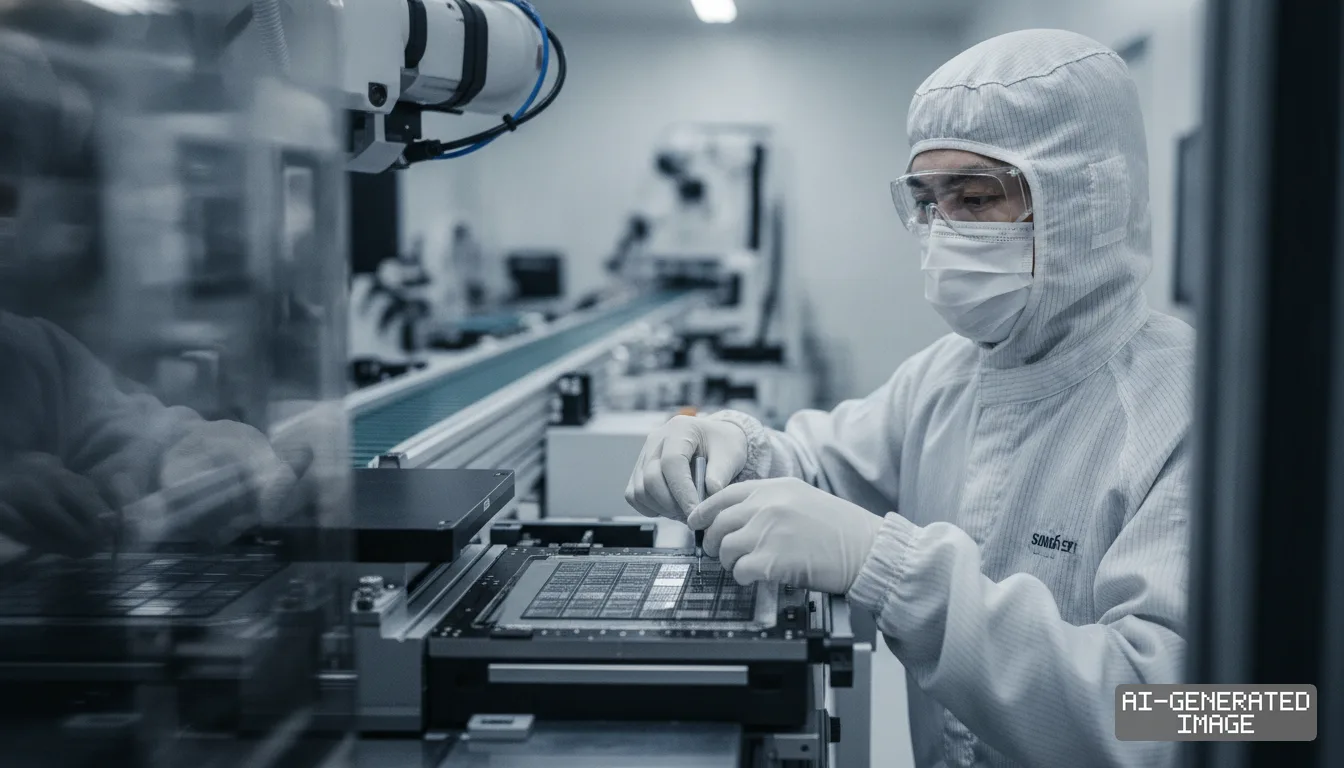
SK Hynix and Micron Technology shares fell on Oct. 13, 2026, as a broader sell-off in memory chip stocks spread through South Korea's benchmark KOSPI index. The decline followed a steep drop in Micron's share price in the United States tied to investor concern over Chinese competition in the memory chip market.
SK Hynix, the world's second-largest maker of dynamic random access memory (DRAM) and a leading supplier of high-bandwidth memory (HBM) used in artificial intelligence processors, saw its stock decline alongside Samsung Electronics on the Korea Exchange. The two companies together account for the large majority of global DRAM output, making them the primary channel through which global memory price swings reach Korean equity markets.
Micron, the largest U.S. memory chipmaker, had already dropped sharply in American trading before the Korean market opened, according to trading activity on the Nasdaq. That move set the tone for the Seoul session, where chip-sector stocks led the KOSPI lower.
The immediate trigger cited by market participants was renewed concern over Chinese memory producers narrowing the technology gap with Korean and U.S. suppliers. Investors have watched Chinese DRAM and NAND flash makers for signs that domestic output could begin displacing imported chips in China, the world's largest electronics manufacturing base.
This matters to institutional readers because Korean memory makers derive a substantial share of revenue from the Chinese market, both through direct sales and through component demand from Chinese smartphone and server assemblers. Any erosion of that demand, whether from substitution by domestic Chinese suppliers or from pricing pressure, flows directly into SK Hynix and Samsung Electronics earnings.
SK Hynix has in recent years positioned HBM as its primary growth product, supplying the memory stacks used in AI accelerator chips from companies including Nvidia. A sell-off tied to broader memory competition fears nonetheless weighs on sentiment across the company's full product line, not only the HBM segment that has driven its recent earnings growth.
The scale of the share price declines on Oct. 13 was not independently verified against exchange filings at the time of this report. Neither the Korea Exchange nor SK Hynix had published a same-day statement addressing the trading activity.
Micron has not issued a public statement attributing its share price movement to a specific Chinese competitor announcement or product launch. The company's most recent quarterly earnings release did not reference the Oct. 13 trading session, as that report predates the event.
What is established is the sequence: Micron shares fell in U.S. trading, Korean memory stocks followed in the next session, and the KOSPI chip sector underperformed the broader index on Oct. 13. The specific percentage declines for SK Hynix, Samsung Electronics and Micron on that date could not be confirmed against a primary exchange or company source for this report.
Market attention now turns to whether Chinese memory producers disclose capacity or output figures that would substantiate the competitive concern driving the sell-off. No Chinese memory maker had published new capacity or shipment data as of Oct. 14 that directly addressed the speculation reported in markets.
SK Hynix's next scheduled earnings disclosure will give investors a chance to assess whether the company's China-linked revenue or pricing outlook has changed since the sell-off. The company typically reports quarterly results in the weeks following each quarter's close, with its next release expected to cover the third quarter of 2026.
The notice from the Korea Exchange on trading halts or volatility interruptions during the Oct. 13 session, if any were triggered, was not available for review at the time of this report. Readers should treat the specific magnitude of the share price moves as unconfirmed until exchange data is published.
In this story
- Companies
- SK hynixSamsung ElectronicsMicron Technology
- Tickers
- 000660.KS005930.KS
- Exposed
- Nvidia
- Impact
- PricingSupply Chain
Related briefings
- Micron Cuts DRAM Lead of SK hynix to One Point on HBM Demand Also on Micron Technology, Nvidia, SK hynix
- Nvidia locks up 37% of global HBM supply for AI accelerators Also on Micron Technology, Nvidia, SK hynix
- DeepSeek cuts AI memory use 75%, rattling global chipmakers Also on Micron Technology, Nvidia, SK hynix
- Samsung and SK hynix Target Robot DRAM as Demand Multiplies Also on Micron Technology, Nvidia, SK hynix
Sources
Primary documents
Reporting
- Samsung and SK Hynix Lead Chip Sell-Off as China Competition Fears Grow - Macro Economic Trends and Risks - Motley Fool Community
- Korean Chip Stocks Sink on Chinese Rival Worry, Broadcom Remarks
- Chip sell-off triggers 7% Korea rout after CEO’s ‘casino’ warning
- Memory chip stocks face continued sell-off amid end of buybacks and technological advances by Chinese competitors
Confidence: high — how we grade this
The documents behind this briefing are linked above. East Asia Brief produces its English text with AI assistance under human editorial review, and does not translate or republish other outlets' articles. See our methodology and AI policy. Spotted an error? Tell us.
The Morning Brief
What changed in Korean, Chinese and Japanese industry overnight — and what it means for your supply chain. One email, weekday mornings, US time. Free.
The Morning Brief is in preparation. Leave your address and we will write to you once — when the first issue is ready. Nothing before that.