Nvidia locks up 37% of global HBM supply for AI accelerators
Surging procurement commitments reach $279 billion as the chip designer and cloud rivals absorb 85% of advanced DRAM lines, raising costs across enterprise memory.
Nvidia has secured commitments covering roughly 37% of global high-bandwidth memory output for 2027, according to supply-chain procurement data compiled on Sept. 25, 2026.
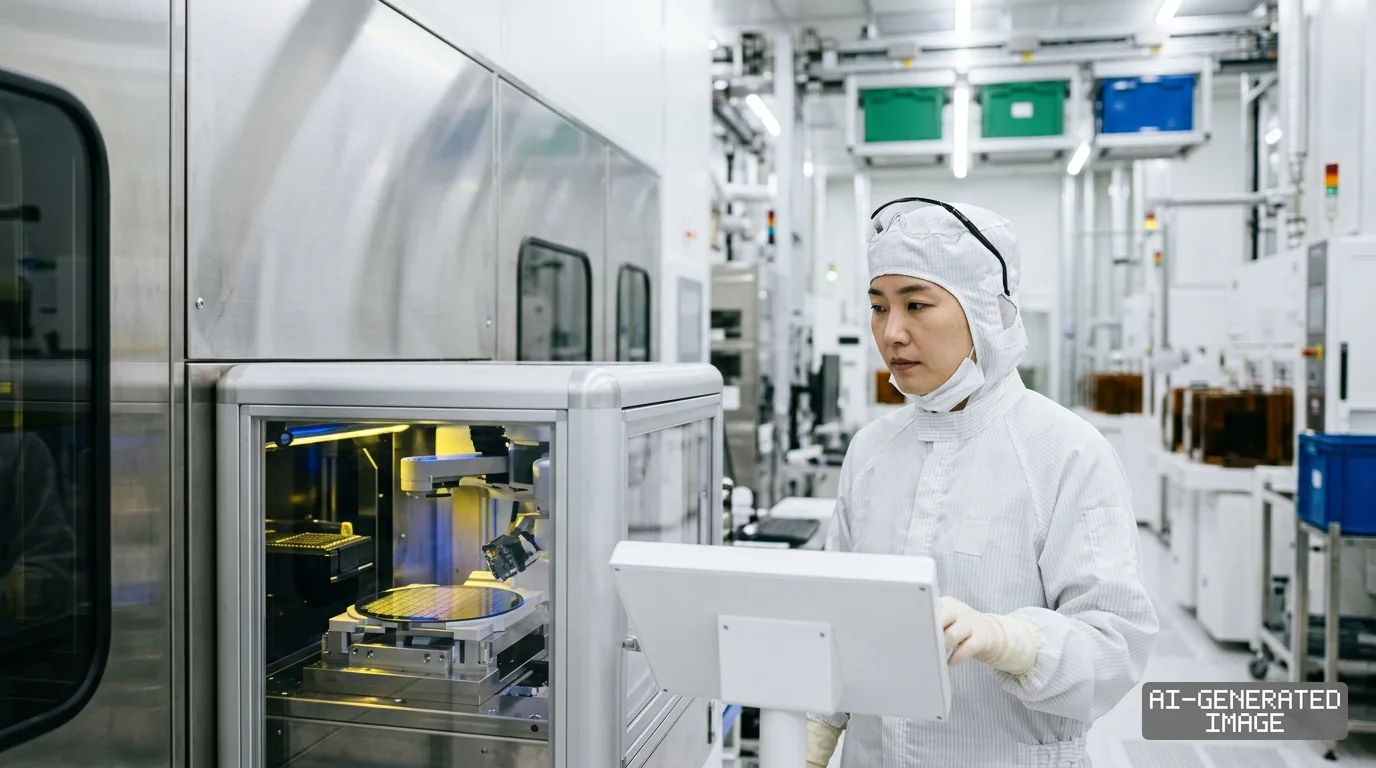
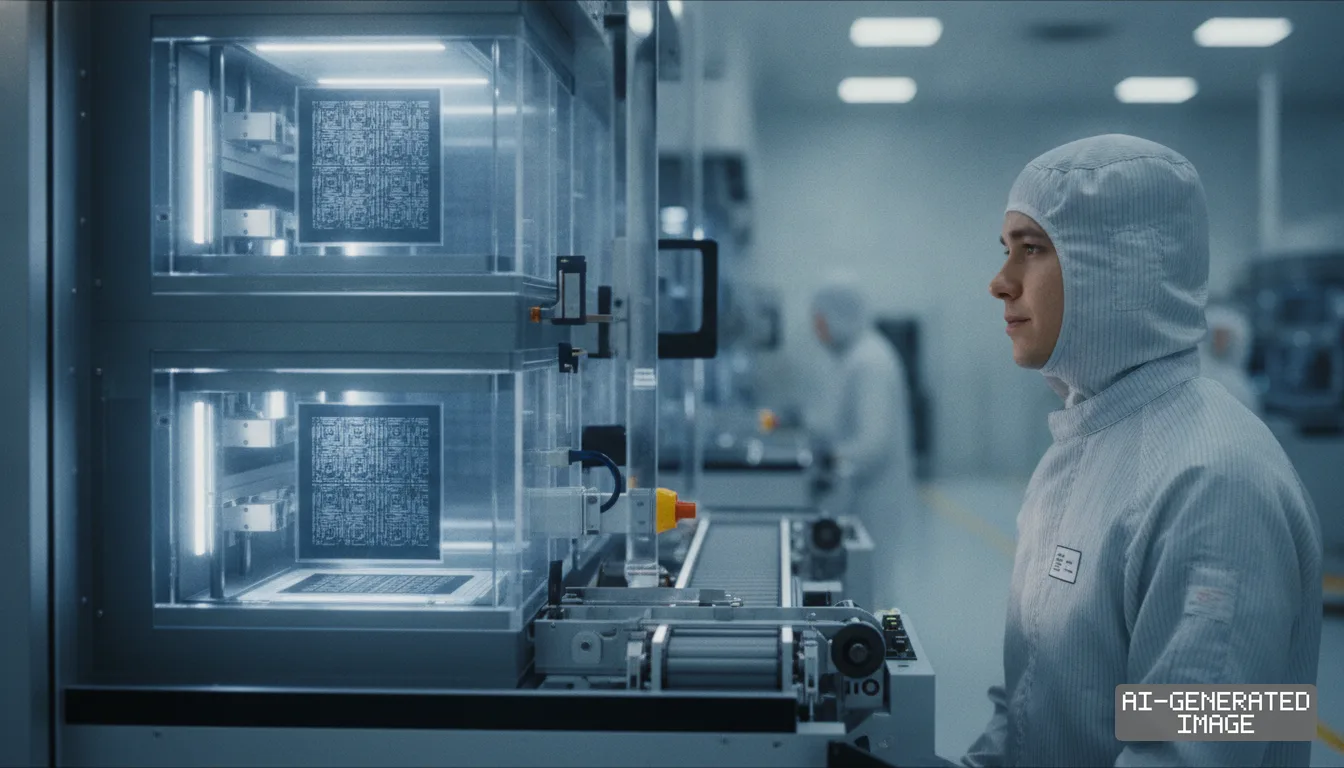
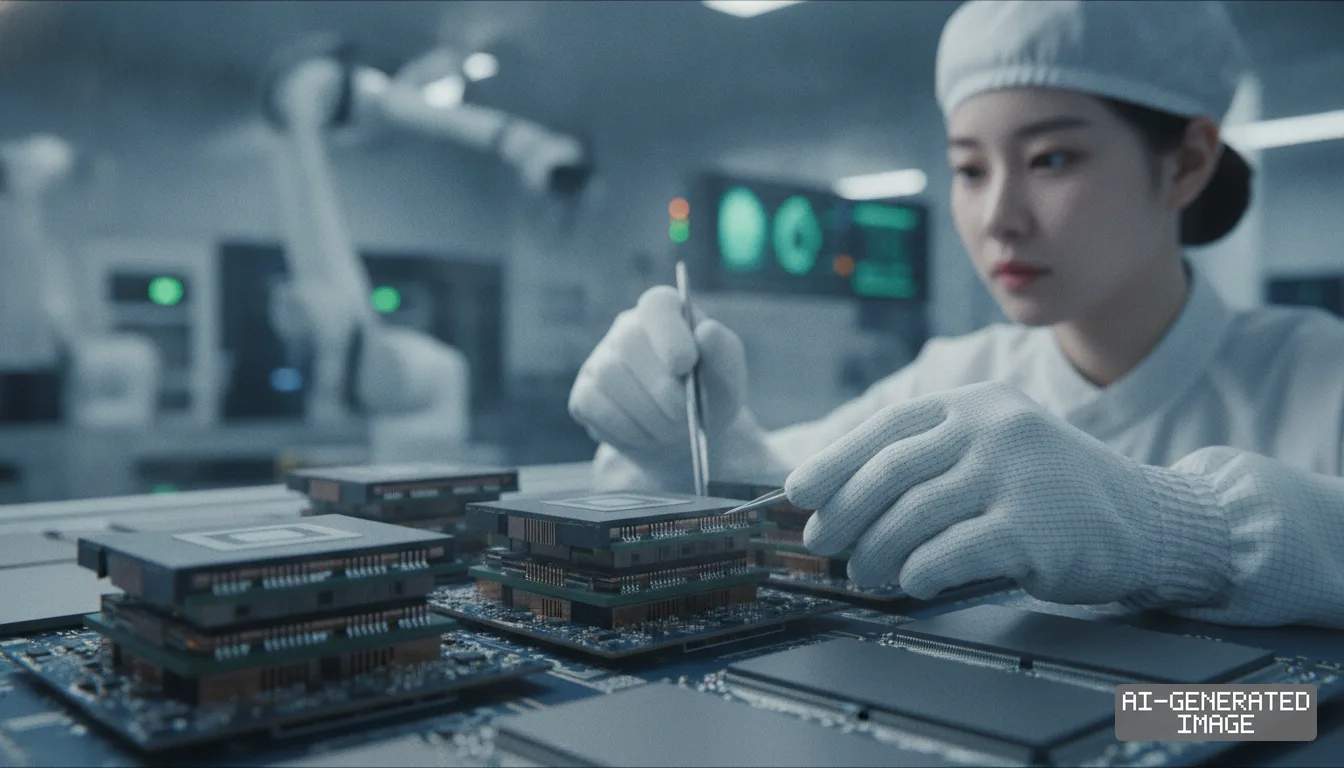
The allocation cements Nvidia as the single largest buyer of advanced memory in the global semiconductor sector. High-bandwidth memory, known as HBM, stacks dynamic random-access memory dies vertically to feed processing engines with high data transfer speeds.
Combined allocations for Nvidia, Alphabet and Advanced Micro Devices account for approximately 85% of global 2027 HBM production capacity, according to estimates by Morgan Stanley Research. That leaves 15% of projected industry output for all remaining artificial intelligence hardware developers.
The concentration follows public remarks by Nvidia Chief Executive Jensen Huang on Sept. 17, when he said the company plans to double its total semiconductor unit shipment volumes next year compared to this year.
Huang made the statement before attending an artificial intelligence summit in Scotland, citing accelerating global infrastructure demand.
The physical buildout to support that volume is already recorded on Nvidia's balance sheet. The company disclosed in its fiscal second-quarter regulatory filing on Aug. 27 that supply and capacity commitments surged to $279 billion.
That obligation rose from $119 billion in the preceding quarter. Chief Financial Officer Colette Kress confirmed during the quarterly earnings call that the jump reflects advance cash and contractual commitments to secure critical memory components, particularly HBM stacks.
SK hynix stands as Nvidia's primary manufacturing anchor. The South Korean chipmaker signed a multi-year cooperation and supply agreement with Nvidia on June 8 to develop and deliver customized HBM units for the upcoming Vera Rubin accelerator platform.
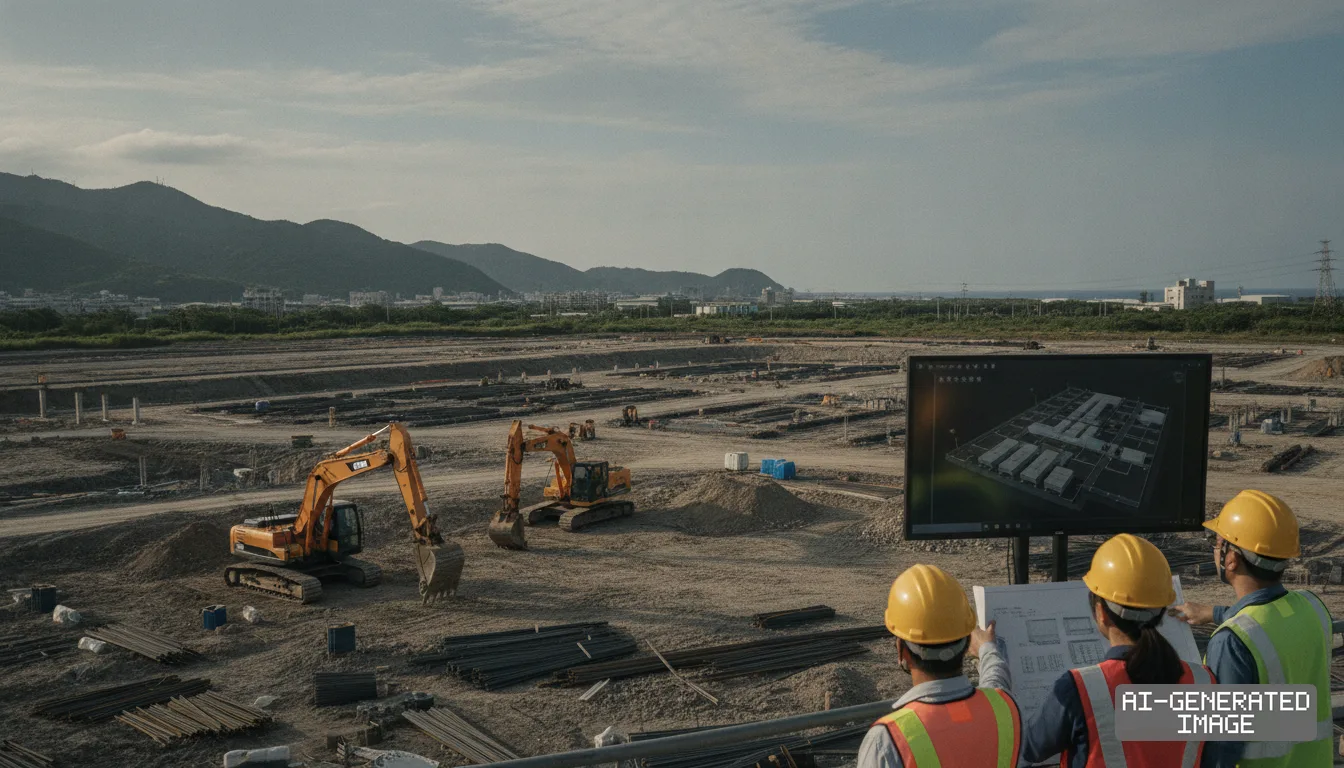
SK hynix had already committed its entire available DRAM and HBM output for calendar year 2026 by late 2025. The additional multi-year commitments lock up new cleanroom capacity at its domestic fabrication facilities through 2027.
Rival suppliers Samsung Electronics and Micron Technology are also shifting cleanroom footprint toward high-bandwidth packaging lines. Both manufacturers are competing for secondary supply allocations for Nvidia's next-generation memory architecture.
The massive redirection of silicon capacity carries direct consequences for the broader memory market. Manufacturing HBM consumes roughly three times the raw silicon wafer capacity required for standard commodity DRAM per bit.
Next-generation HBM architectures widen that ratio toward four times standard wafer consumption. Cleanroom floor space and extreme ultraviolet lithography scanners assigned to HBM stacks cannot process standard double data rate five, or DDR5, memory modules.
Because Samsung Electronics, SK hynix and Micron Technology produce more than 90% of the world's DRAM wafers, allocating fabrication lines to Nvidia structurally caps the global output of conventional computer memory.
Enterprise server manufacturers and personal computer makers are already experiencing the resulting price transmission. Tier-one hardware original equipment manufacturers have reduced operating inventory reserves to between eight and 11 weeks of supply.
Procurement costs for conventional server DDR5 memory modules have climbed sharply over the past two quarters. Contract prices for enterprise memory are projected to rise further through the end of 2026 as wafer conversions accelerate.
Cloud infrastructure operators outside the top three buyers face both higher component prices and extended lead times. Companies building proprietary AI hardware without multi-year foundry prepayments must negotiate for the remaining 15% sliver of projected 2027 HBM volume.
Downstream packaging constraints compound the memory bottleneck. Advanced packaging methods like chip-on-wafer-on-substrate, which connect graphics processing units to adjacent HBM stacks on a silicon interposer, remain tightly rationed across contract foundries.
TSMC has expanded its advanced packaging lines, but packaging availability continues to dictate delivery schedules for AI accelerators industry-wide. Nvidia's prepayment commitments guarantee dedicated packaging slots alongside raw memory wafers.
The supply lockup also shifts financial risk onto hardware balance sheets. Nvidia identified rising supply obligations and indebtedness as distinct operational risk factors in its August quarterly disclosure, citing exposure if end-market data center deployments slow.
Nvidia has not confirmed the 37% allocation figure in its regulatory filings, and memory manufacturers do not disclose customer shipment percentages. The market share figure remains an external estimate derived from supply-chain channel checks and capital spending models.
Hardware manufacturers are tracking Nvidia's next scheduled operational update. The company is scheduled to report its fiscal third-quarter financial results in late November 2026, when executives will provide updated figures on long-term supply obligations.
Commercial deliveries of the Vera Rubin platform and its accompanying custom HBM stacks are scheduled to begin volume shipments during the first half of 2027.
Impact map
How this development propagates across the region and out to global buyers.
| Event | Korea | China | Japan | Global impact |
|---|---|---|---|---|
| HBM supply lockup | SK hynix dedicates packaging lines to Vera Rubin, securing multi-year volume | Cloud operators face tighter access to advanced packaging and high-density DRAM | Toolmakers Tokyo Electron and Advantest see advanced packaging backlogs hold | Server OEMs face tighter commodity DDR5 supply and higher component costs |
| HBM supply lockup | SK hynix dedicates packaging lines to Vera Rubin, securing multi-year volume | Cloud operators face tighter access to advanced packaging and high-density DRAM | Toolmakers Tokyo Electron and Advantest see advanced packaging backlogs hold | Server OEMs face tighter commodity DDR5 supply and higher component costs |
In this story
- Companies
- NvidiaSK hynix
- Tickers
- NVDA000660.KS
- Exposed
- AlphabetSamsung ElectronicsMicron Technology
- Policy
- Economic Security
- Impact
- Supply ChainPricingCapex
Track every Economic Security development →
Related briefings
- Fanuc and Google launch AI welding robot to read blueprints Also on Alphabet
- DeepSeek cuts AI memory use 75%, rattling global chipmakers Also on Micron Technology, Nvidia, SK hynix
- Samsung Electronics opens HBM4 base die supply to rival TSMC for AI Also on Micron Technology, Nvidia, SK hynix
- Samsung narrows SK hynix HBM lead as HBM4 shipments expand Also on Micron Technology, Nvidia, SK hynix
Sources
Primary documents
Reporting
Confidence: high — how we grade this
The documents behind this briefing are linked above. East Asia Brief produces its English text with AI assistance under human editorial review, and does not translate or republish other outlets' articles. See our methodology and AI policy. Spotted an error? Tell us.
The Morning Brief
What changed in Korean, Chinese and Japanese industry overnight — and what it means for your supply chain. One email, weekday mornings, US time. Free.
The Morning Brief is in preparation. Leave your address and we will write to you once — when the first issue is ready. Nothing before that.