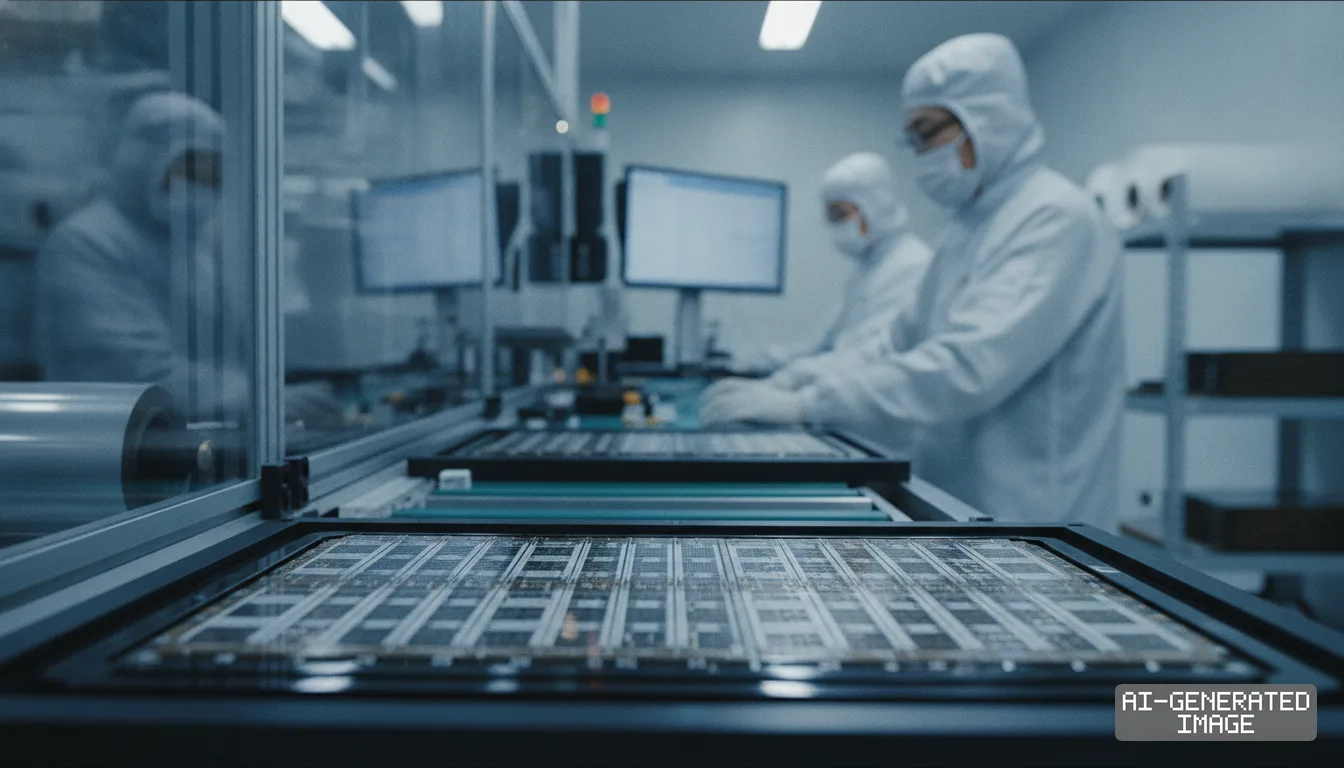
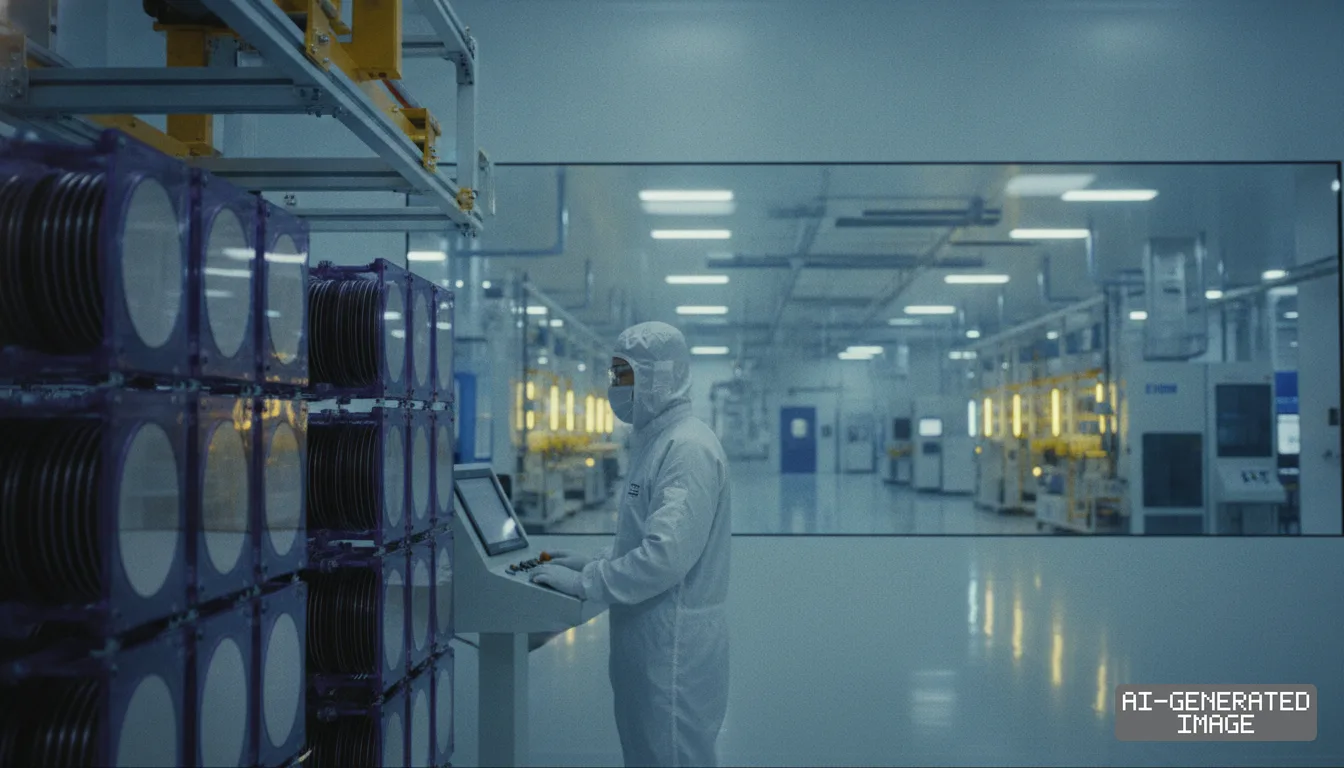
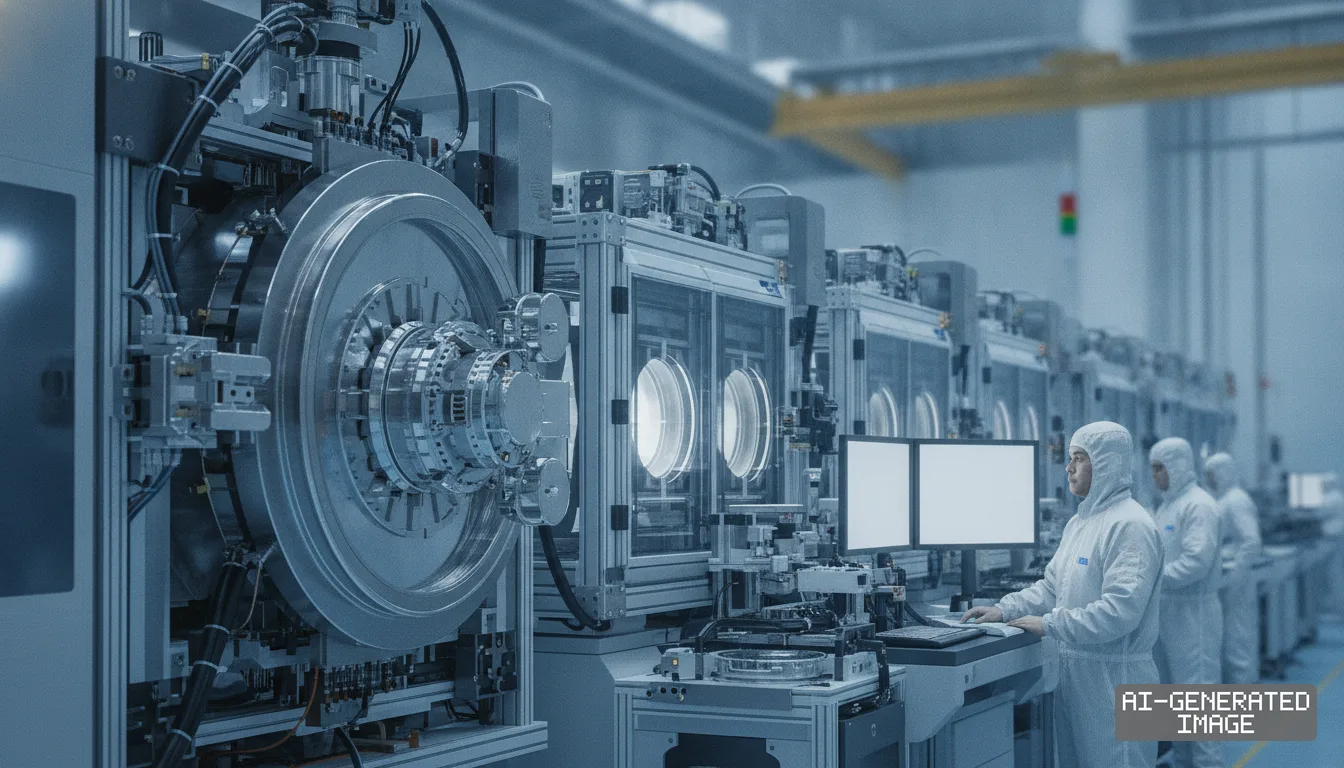
Samsung convenes 170 Hyundai executives for auto chip summit
The Yongin summit gathers Samsung SDI and Display leaders with Hyundai and Kia, which produced 7.3 million vehicles last year, though formal wafer contracts remain unannounced.
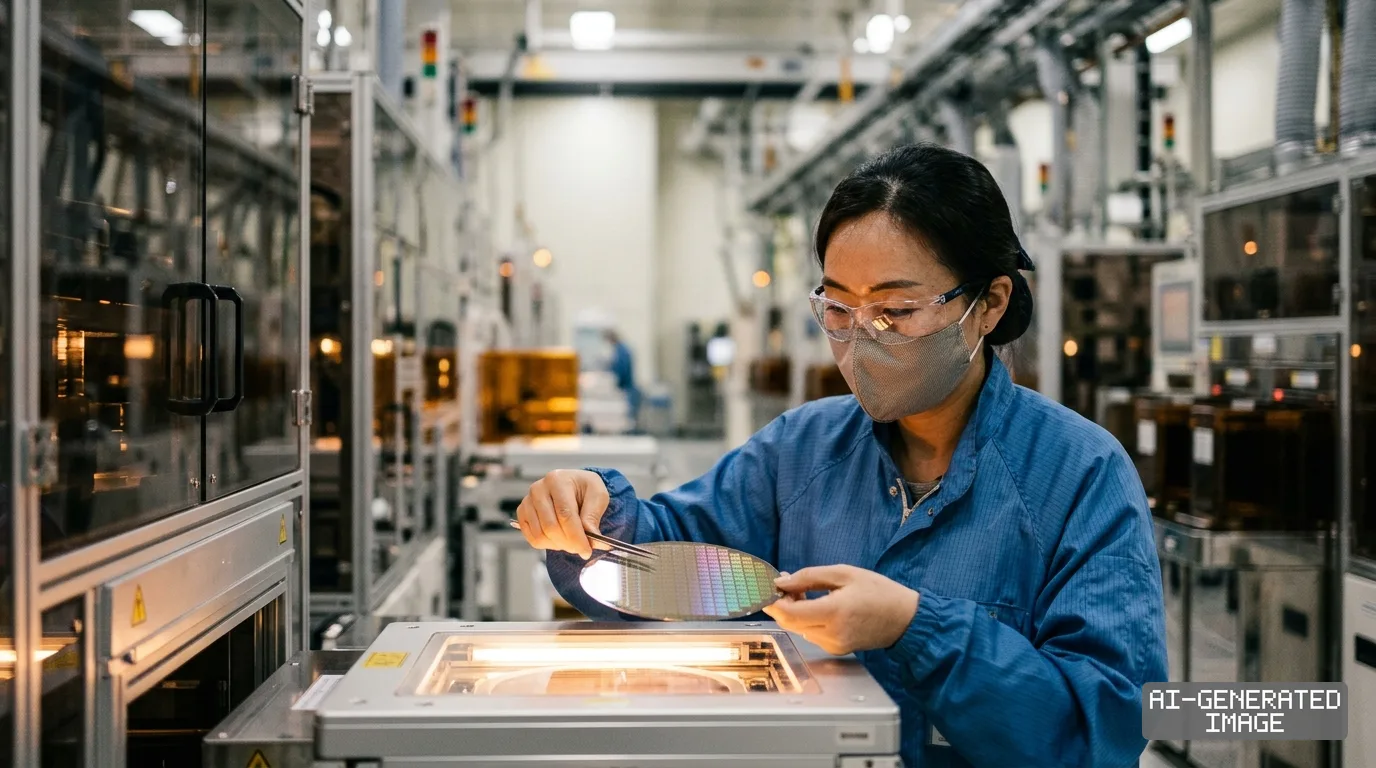
Samsung Electronics invited roughly 170 Hyundai Motor Group executives and their spouses to a corporate summit on Nov. 8, 2026, deepening high-level ties across automotive chips and mobility hardware.
The event brings together leadership from Samsung Electronics, Samsung SDI, Samsung Electro-Mechanics and Samsung Display. Hyundai Motor and affiliate Kia dispatched heads of research, development and global operations to the session.
The carmaker produced roughly 7.3 million vehicles globally last year, representing a massive captive market for electronics suppliers. Samsung Foundry has disclosed no dedicated automotive wafer allocation figures or dollar value for future contracts.
Samsung Vice Chairman Jun Young-hyun and Hyundai Motor Group Vice Chairman Chang Jae-hoon led the gathering. The meeting marks the first large-scale domestic networking event hosted by Samsung for an external industrial partner.
Senior executives attending include Jose Munoz, president and global chief operating officer of Hyundai Motor, and Manfred Harrer, head of Hyundai and Kia vehicle development. Both lead key aspects of the automaker's software-driven restructuring.
Samsung dispatched unit heads overseeing display panels, power storage and electronic passives alongside semiconductor directors. That executive presence reflects the multiple supply chains linking the two South Korean manufacturing conglomerates.
Cooperation between the two conglomerates expanded after Hyundai selected Samsung's Exynos Auto V920 processor in 2023. That processor uses a 10-core central processing unit designed to power next-generation in-vehicle infotainment displays.
The infotainment system processes high-resolution graphic streams across up to six separate vehicle monitors simultaneously. The chip also manages sensory feeds coming from up to 12 exterior cameras.
Samsung aims to diversify its contract chip manufacturing business away from smartphone application processors. Advanced driver assistance systems and digital cockpits require high-performance compute silicon fabricated on five-nanometer and four-nanometer nodes.
Automotive chips command higher reliability thresholds than standard consumer electronics. Silicon designs must pass stringent automotive qualification standards to ensure uninterrupted operation across extreme temperatures and vibration.
Hyundai Motor is transitioning toward software-defined vehicles, which consolidate distributed electronic control units into centralized computers. That architectural change increases demand for high-performance automotive system-on-chips manufactured on advanced foundry processes.
Centralizing computing architecture reduces electrical wiring harnesses inside vehicle chassis. The transition requires high-throughput neural processing units capable of evaluating road obstacles and navigation routing in real time.
Samsung affiliates face varying exposure to Hyundai's vehicle roadmap. Samsung SDI manufactures prismatic and cylindrical battery cells, while Samsung Electro-Mechanics supplies multilayer ceramic capacitors and camera modules to global automakers.
Samsung Display manufactures organic light-emitting diode panels for luxury vehicle dashboards and center consoles. Expanding automotive supply contracts helps cushion consumer display volume swings in smartphones and television sets.
The two conglomerates previously signed agreements connecting Samsung's SmartThings platform with Hyundai and Kia vehicles. Those arrangements established car-to-home services that allow drivers to operate household appliances from vehicle dashboards.
Subsequent technical agreements linked connected vehicle telematics directly to domestic smart-home ecosystems. That software integration provided early groundwork for broader hardware collaboration across in-vehicle platforms.
Speculation across the semiconductor sector has centered on whether Samsung Foundry will manufacture Hyundai's proprietary autonomous driving chips. Such contracts would provide Samsung with reference customers against rival Taiwan Semiconductor Manufacturing Co.
TSMC currently manufactures the vast majority of advanced automotive processors for global automotive designers. Securing high-volume automotive production runs allows commercial foundries to amortize advanced lithography tooling across longer product cycles.
Domestic packaging and testing contractors in South Korea also follow these negotiations. Outsourced semiconductor assembly and test providers rely on foundry volume to sustain production lines in Gyeonggi Province.
The automotive chip market provides countercyclical stability against memory pricing volatility. Foundries operating automotive qualified lines maintain higher fab utilization rates during consumer electronics downturns.
Samsung has expanded marketing for its automotive process design kits to fabless designers. The foundry division offers dedicated manufacturing lines spanning legacy eight-inch mature nodes to cutting-edge gate-all-around transistor nodes.
South Korea's government has encouraged domestic supply chain integration between local automotive makers and chip designers. State policy initiatives seek to raise domestic procurement rates for critical transportation components.
The companies have not published regulatory filings or statements confirming a foundry manufacturing contract for Hyundai's autonomous driving silicon. Neither party has disclosed wafer allocation schedules or specific fabrication facility assignments.
The executive gathering convenes Nov. 9 at Samsung's The Universe training center in Yongin. Commercial deployment schedules for vehicles carrying Samsung's Exynos Auto V920 processor remain slated for review through 2027.
Impact map
How this development propagates across the region and out to global buyers.
| Event | Korea | China | Japan | Global impact |
|---|---|---|---|---|
| Automotive chip and hardware alliance | Samsung Foundry seeks domestic captive automotive volume to diversify away from mobile processors | Domestic NEV makers maintain local silicon sourcing through SMIC and regional foundries | Renesas and automotive tiered suppliers face competition in next-generation infotainment compute | Automotive compute foundry market remains concentrated at TSMC pending qualified alternative fab lines |
In this story
- Companies
- Samsung ElectronicsHyundai Motor Company
- Tickers
- 005930.KS005380.KS
- Exposed
- KiaSamsung SDISamsung Electro-MechanicsSamsung Display
- Impact
- Supply ChainOrder BookCapex
Related briefings
- Samsung SDI pushes Indiana battery plant after buying out GM stake Also on Samsung Display, Samsung SDI
- Samsung SDI buys GM stake in Indiana battery venture for ESS Also on Samsung Display, Samsung SDI
- SFC clears KOSPI listing review ahead of 1 trillion won IPO Also on Samsung Display
- Japan Display sells Mobara fab to Shinko for chip packaging Also on Samsung Display
Sources
Reporting
Confidence: medium — how we grade this
The documents behind this briefing are linked above. East Asia Brief produces its English text with AI assistance under human editorial review, and does not translate or republish other outlets' articles. See our methodology and AI policy. Spotted an error? Tell us.
The Morning Brief
What changed in Korean, Chinese and Japanese industry overnight — and what it means for your supply chain. One email, weekday mornings, US time. Free.
The Morning Brief is in preparation. Leave your address and we will write to you once — when the first issue is ready. Nothing before that.