KKR deploys record $3 billion into South Korea AI hardware
The private equity firm is targeting data center platforms, enterprise services and clean generation capacity tied to advanced packaging and memory manufacturing.
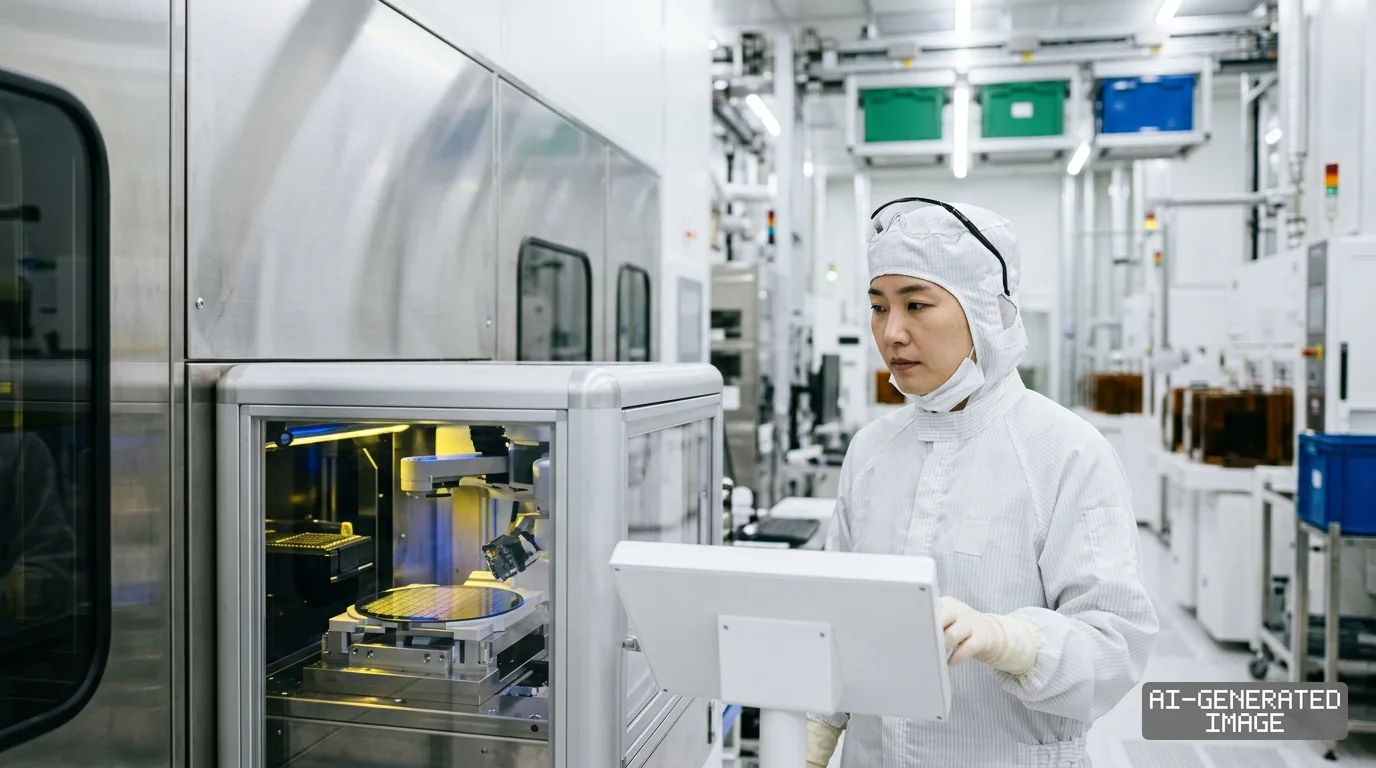
KKR confirmed Sept. 22 it has deployed roughly $3 billion across South Korea in 2026, marking an annual record driven by artificial intelligence infrastructure and semiconductor supply chain investments.
The allocation elevates South Korea into the private equity firm's three largest markets in the Asia-Pacific region. KKR is targeting physical and digital assets underpinning global graphics processing clusters.
The deployment represents 8.1% of the $37 billion in total private equity investment South Korea attracted through early September, according to data from research provider Preqin.
That nationwide transaction volume approaches the historical full-year peak of $41.4 billion set in 2021. Global capital is flowing heavily toward specialized hardware inputs, data halls and industrial utilities.
South Korea anchors the worldwide supply of high-bandwidth memory (HBM). The architecture stacks dynamic random-access memory dies vertically to accelerate data transfer in advanced artificial intelligence processors.
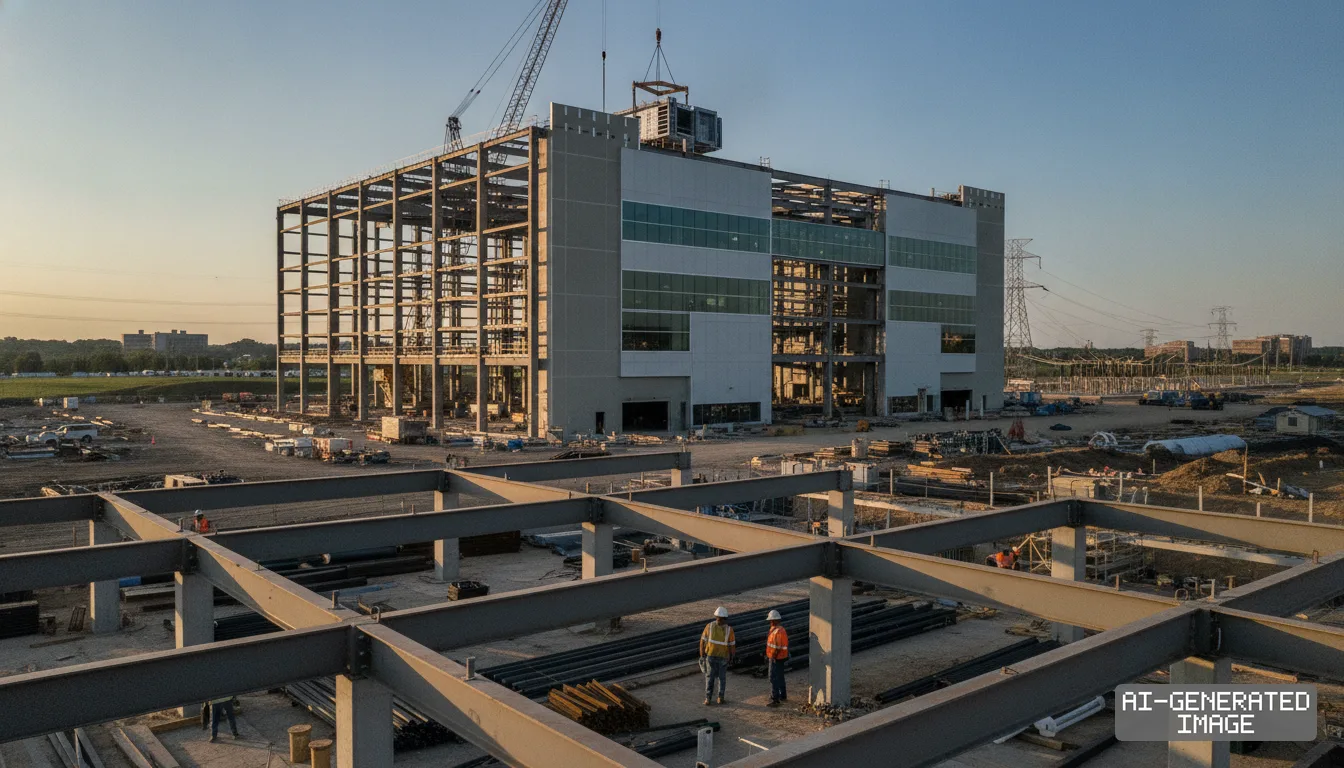
Samsung Electronics and SK hynix produce most of the world's HBM components. Their fabrication roadmaps require massive balance-sheet commitments for advanced packaging cleanrooms, power distribution systems and precision equipment.
KKR has responded by partnering directly with the country's dominant industrial conglomerates. The structured equity and corporate carve-out transactions fund capital programs without overburdening parent company balance sheets.
Korean conglomerates are concentrating capital on core semiconductor operations, KKR partner and Korea head Chung Ho Park said. That corporate posture creates opportunities for outside alternative managers to supply expansion equity, Park said.
The cornerstone corporate transaction closed in April, when KKR acquired 1.22 trillion won ($880 million) of newly issued convertible bonds from enterprise technology provider Samsung SDS.
That capital injection supports enterprise AI software development, cloud infrastructure upgrades and prospective corporate acquisitions. Samsung SDS manages internal software architectures and cloud facilities across Samsung Group.
KKR also secured a direct operating footprint in hyperscale compute facilities through telecommunications carrier SK Telecom. The asset manager participated in a structured corporate carve-out executed in late August.
Under that agreement, SK Telecom is separating the data center and submarine cable units of subsidiary SK Broadband into an independent entity named SK Horizon.
KKR agreed to purchase a 29% equity interest in SK Horizon as part of a 3.08 trillion won ($2.1 billion) investment package. Domestic institutional managers completed the syndicate.
The domestic consortium, comprising IMM Investment and Stonebridge Capital, acquired a 20% stake, while SK Telecom retains a controlling 51% interest in SK Horizon.
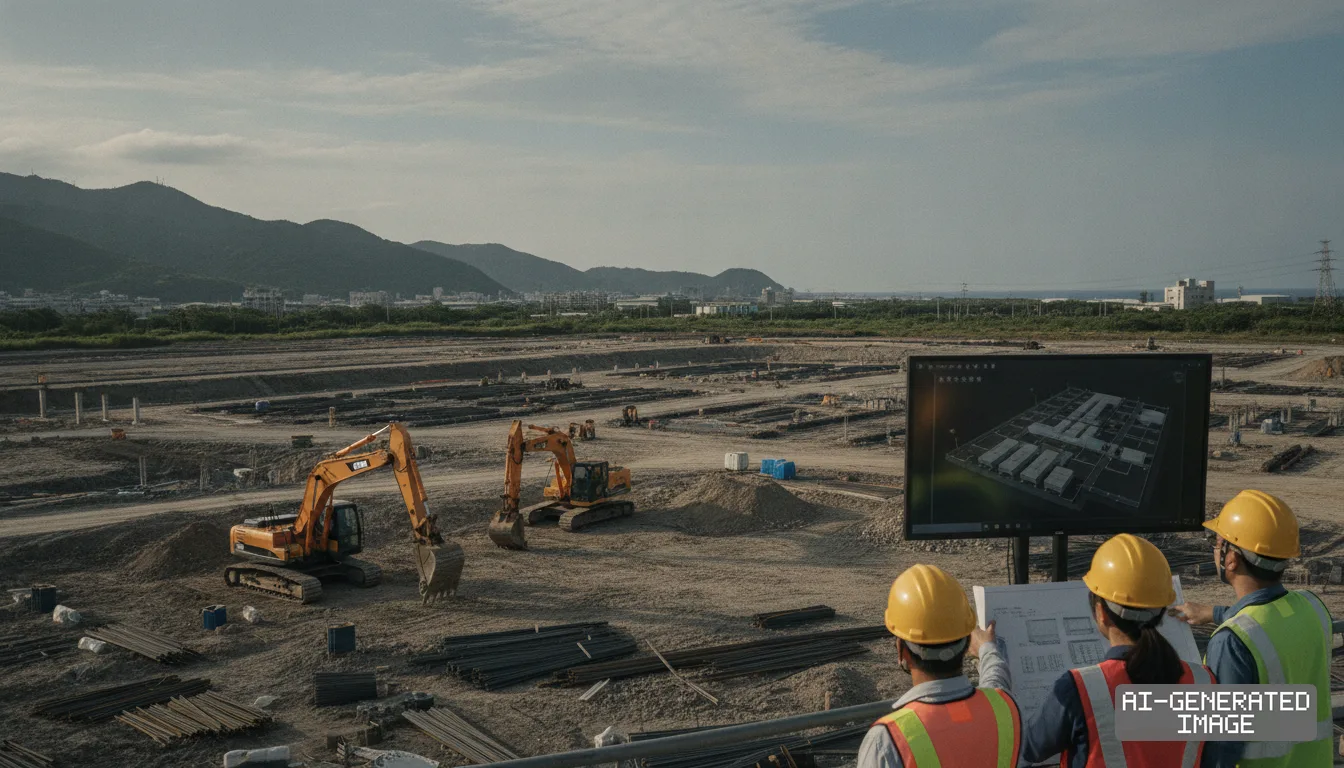
SK Horizon will manage an operational footprint of 318 megawatts across eight existing domestic facilities, including sites in Seocho and Pangyo, while funding new server construction in Ulsan.
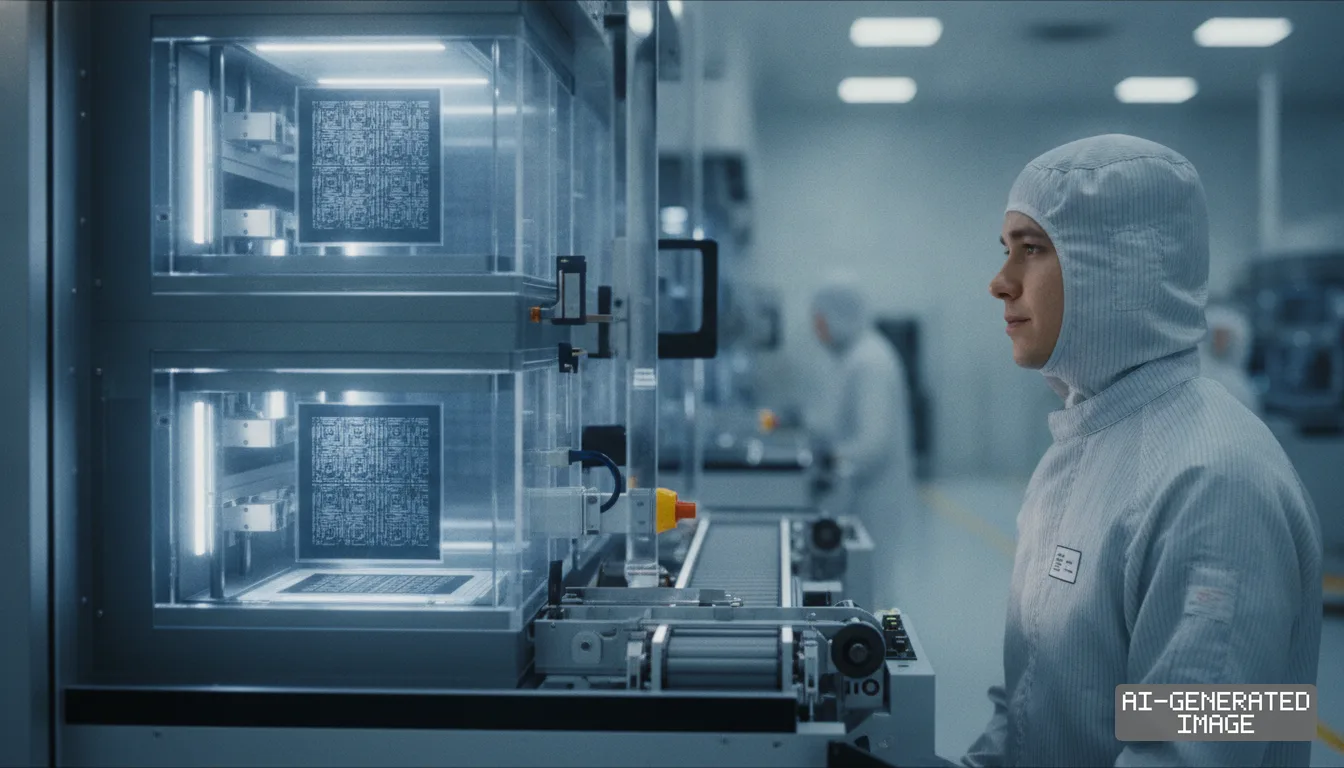
The expanding compute fleet feeds demand directly into South Korea's precision equipment makers. Specialized wafer handling and packaging tool vendors require liquidity to fund cross-border cleanroom installations.
Domestic equipment vendors face heavy working capital demands as memory makers transition toward hybrid bonding and larger multi-die packages. Private equity syndicates offer carve-out financing to support supplier delivery schedules.
Power availability presents another critical operational bottleneck for chipmakers and server operators. High-performance computing campuses require dedicated, continuous high-voltage electricity feeds.
KKR is addressing local utility constraints through an industrial renewable energy partnership with developer SK Eternix and SK Group affiliates. The venture develops dedicated off-grid power generation.
The partnership aims to expand an initial 1.7 gigawatts of clean electricity capacity to 10 gigawatts by 2031, providing decarbonized baseload power to fabrication facilities and data halls.
South Korea is one of Asia's most attractive renewable energy markets due to intense power needs from memory makers and data centers, KKR infrastructure partner Keith Kim said.
The operational schedule hinges on formal corporate execution. SK Telecom plans to submit the SK Horizon division to an extraordinary general meeting of shareholders on Jan. 15, 2027.
The legal corporate spin-off and equity closing will take effect Feb. 1, 2027, according to regulatory disclosures filed with the Korea Exchange.
The firm did not disclose the valuation multiples applied to its equipment pipeline, and KKR has not published a single filing detailing specific packaging suppliers under review.
Institutional capital deployment across South Korean technology assets reflects a broader structural change in corporate finance. Global funds are acting as balance-sheet partners to basic industrial hardware capacity.
Domestic electronics suppliers continue to balance high fabrication spending against balance-sheet discipline. That dynamic leaves corporate capital allocation tied closely to private equity syndicates.
Impact map
How this development propagates across the region and out to global buyers.
| Event | Korea | China | Japan | Global impact |
|---|---|---|---|---|
| KKR $3B South Korea AI investment | SK Telecom and Samsung SDS offload $3B in capex burdens to private capital | Domestic packaging firms face wider technological capital gap with Korean peers | Japanese equipment suppliers see increased tool orders for Korean memory lines | Global cloud hyperscalers secure 318 MW of dedicated Korean AI compute capacity |
In this story
- Companies
- KKRSamsung SDSSK Telecom
- Tickers
- KKR018260.KS017670.KS
- Exposed
- SK hynixSamsung ElectronicsSK Eternix
- Policy
- Economic SecuritySubsidies
- Impact
- CapexSupply ChainOrder Book
Track every Economic Security development → Track every Subsidies development →
Related briefings
- Samsung SDS develops robot orchestration platform for 2027 Also on Samsung SDS, Samsung Electronics, Order Book
- Korea expands tax credits for artificial intelligence compute infrastructure Also on SK Telecom
- Samsung Electronics opens HBM4 base die supply to rival TSMC for AI Also on SK hynix, Samsung Electronics, Order Book
- Korean tool makers advance high-k ALD platforms for sub-10nm 3D DRAM fabs Also on SK hynix, Samsung Electronics, Order Book
Sources
Reporting
Confidence: medium — how we grade this
The documents behind this briefing are linked above. East Asia Brief produces its English text with AI assistance under human editorial review, and does not translate or republish other outlets' articles. See our methodology and AI policy. Spotted an error? Tell us.
The Morning Brief
What changed in Korean, Chinese and Japanese industry overnight — and what it means for your supply chain. One email, weekday mornings, US time. Free.
The Morning Brief is in preparation. Leave your address and we will write to you once — when the first issue is ready. Nothing before that.