Samsung SDS develops robot orchestration platform for 2027
The IT services unit formed the Team REX alliance with 10 hardware makers to automate 1,000 internal lines and link legacy manufacturing execution systems.
Samsung SDS announced on Sept. 8, 2026, that it will launch a commercial robot orchestration platform in 2027 to centrally control mixed robotic fleets across industrial factories.
The information technology services arm of Samsung Group unveiled the project during its annual REAL Summit conference in Seoul. Samsung SDS President and Chief Executive Junehee Lee framed the platform as a commercial robotics transformation initiative.
Deploying a single automated unit is straightforward, but operating 100 mixed machines continuously across a factory remains technically difficult, Samsung SDS Vice President Bae Soon-min said during a presentation at the venue.
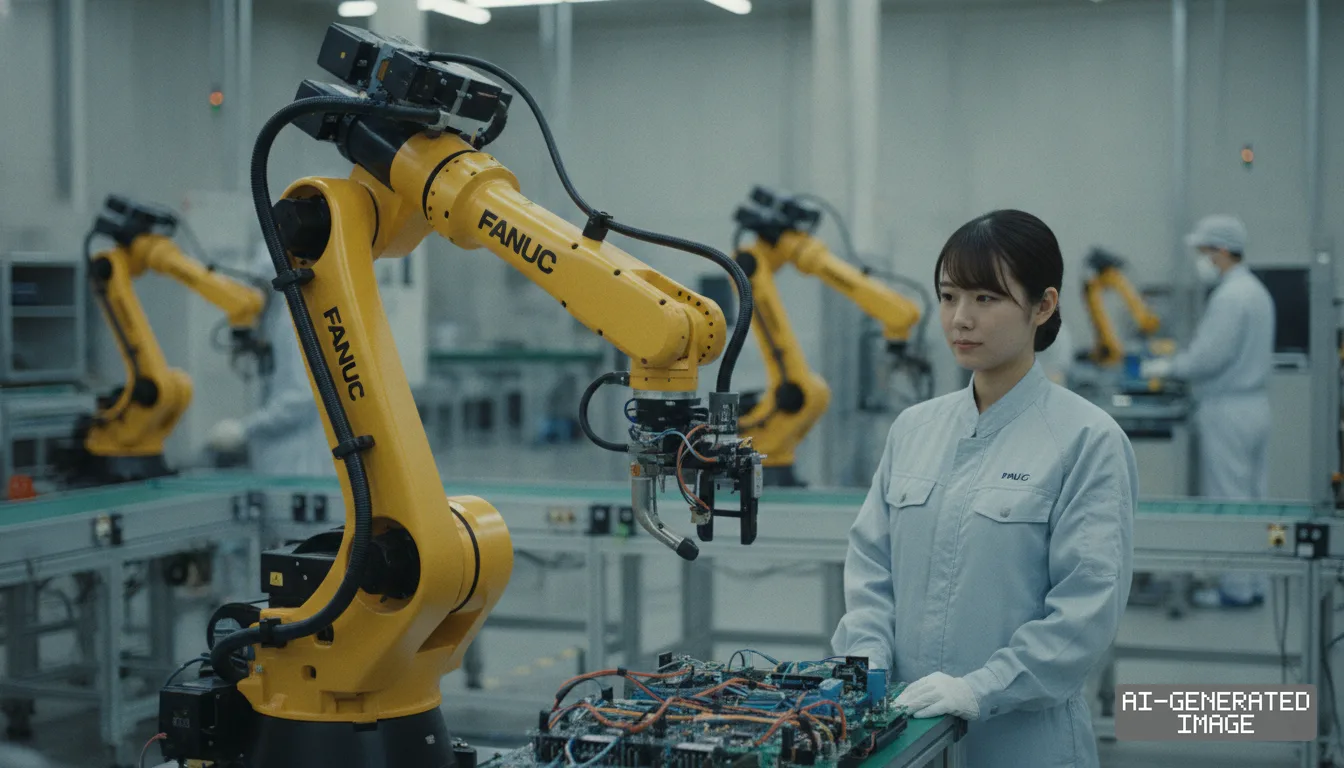
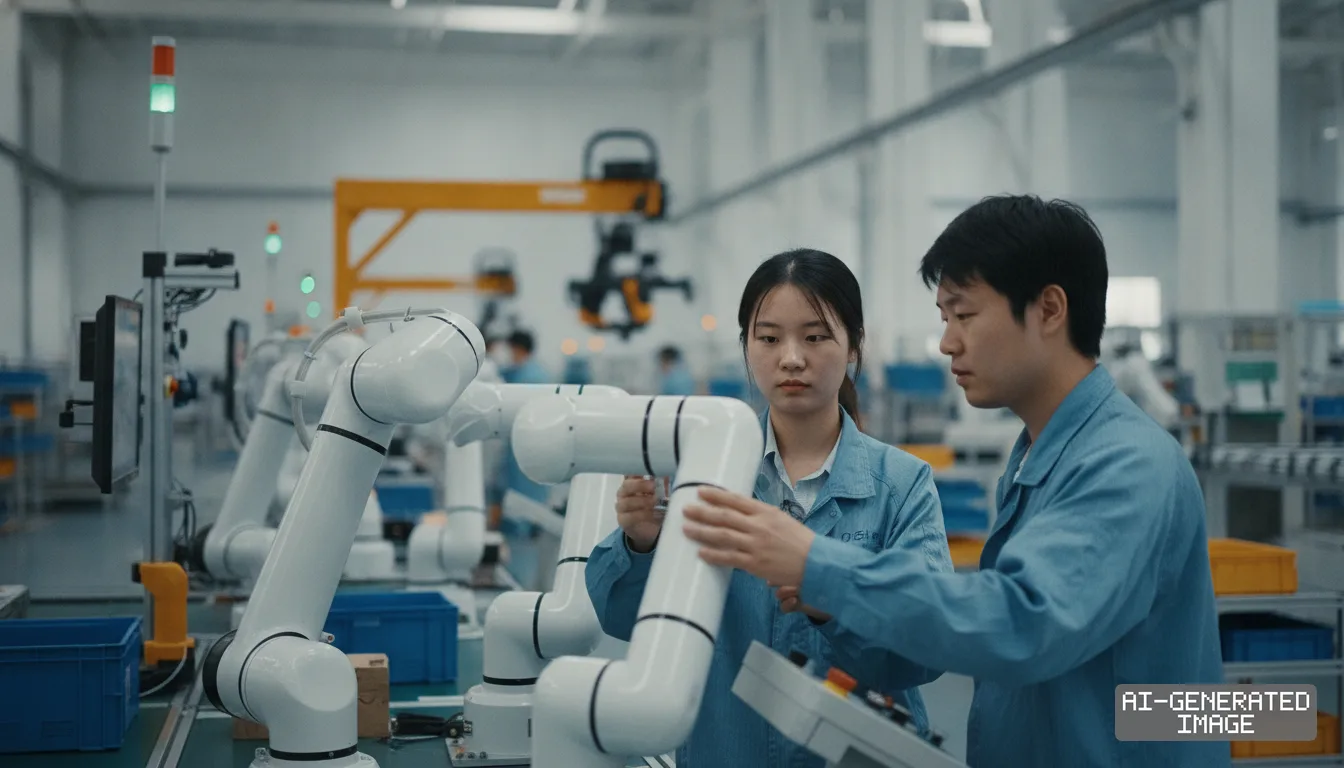
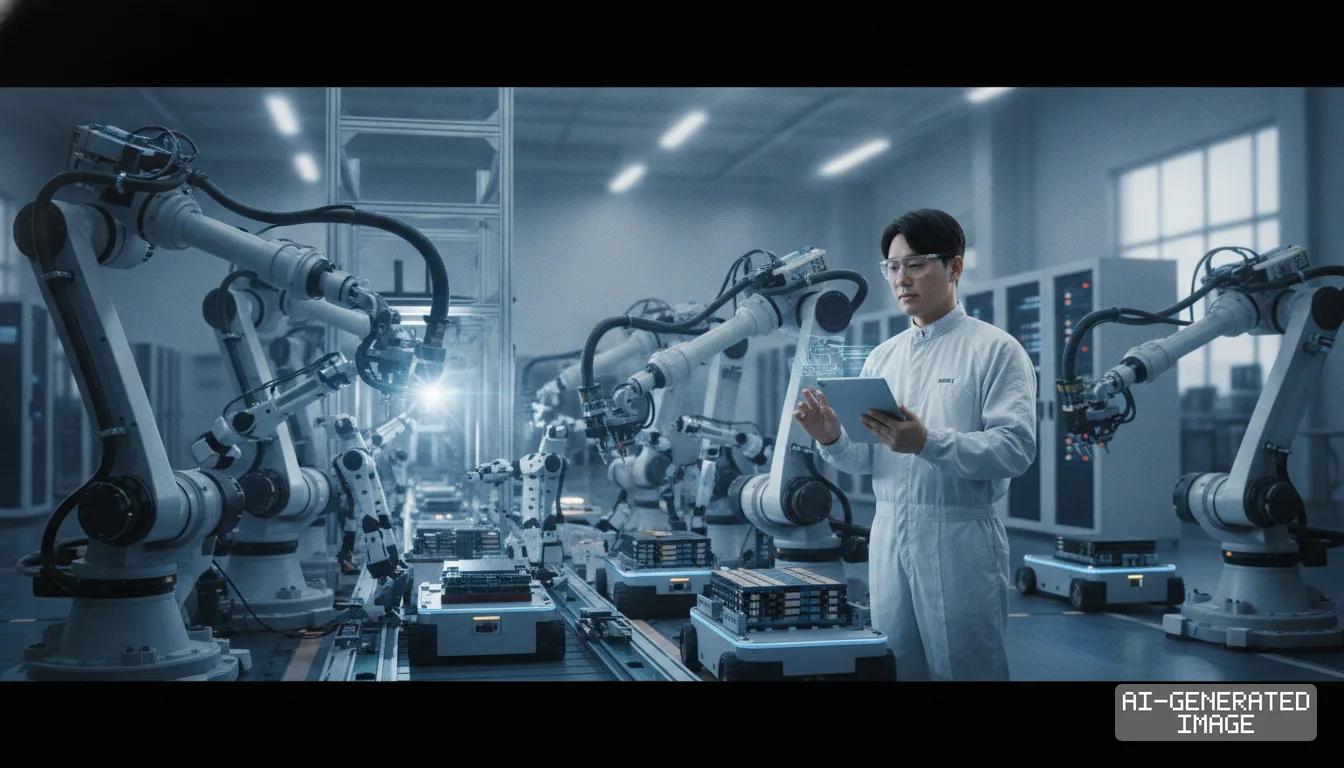
The software connects mobile transport robots, articulated arms and existing production equipment under a unified control network. The system assigns workloads, prevents physical collisions and monitors operating health across different hardware brands in real time.
The software architecture divides operations into two primary layers, named Intelligence and Fleet. The Intelligence module compiles telemetry from active factory robots and cleans the data streams to train physical artificial intelligence models for assembly tasks.
A data factory pipeline cleans incoming sensor logs into machine-readable formats. A companion model factory evaluates incoming tasks, selects appropriate neural network models and distributes execution policies back to the operating machines.
The Fleet management engine oversees direct machine control across the physical floor. The software interfaces with proprietary protocols from diverse robot manufacturers to dispatch work routes and balance factory traffic.
The system automatically identifies malfunctioning units and reassigns incomplete tasks to operational machines on the same line. That failover capability prevents isolated mechanical breakdowns from halting an entire production run, the company said.
The orchestration system operates in tandem with manufacturing execution systems — the enterprise software suites that schedule production and track inventory from raw materials to finished goods.
The manufacturing execution system transmits high-level production schedules directly to the platform. The software translates those production orders into individual machine instructions, then feeds telemetry and error logs back to plant supervisors.
To establish hardware compatibility, Samsung SDS formed an industrial alliance named Team REX with 10 robotics companies. The partnership includes humanoid robot developer Walden Robotics, South Korean manufacturer Rainbow Robotics and domestic engineering firm A-Robot.
Samsung SDS made a strategic equity investment in Walden Robotics in June 2026 to support general-purpose manipulation models. The investment followed executive decisions to prioritize software that governs complex parts handling.
The company validated its software integration during engineering field tests held Aug. 31 through Sept. 1 in Mountain View, California. Engineers tested automated component handling and consumable replacement under realistic manufacturing parameters.
Technical teams from Samsung Electro-Mechanics and semiconductor equipment maker Semes participated in the California trials. The demonstrations confirmed that multi-purpose robotic arms could complete delicate assembly steps previously handled by human workers.
Samsung Heavy Industries and engineering contractor Samsung E&A also tested heavy-duty autonomous machines during the same trials. Those tests focused on automated fabrication tasks across unstructured shipyard and industrial plant environments.
Samsung SDS created dedicated administrative structures to manage the rollouts. The company established a robotics transformation business team and a dedicated execution team under its Cloud Service Business Division in June 2026.
The commercialization plan targets manual workstations across approximately 1,000 manufacturing lines operated by Samsung affiliates. Initial deployments will automate material transfer, repetitive parts loading and cleanroom transport across electronics facilities.
Samsung SDS then plans to market the orchestration platform to external manufacturing clients. The company currently provides manufacturing execution software to approximately 430 external industrial customers in semiconductors, batteries, automotive components and pharmaceuticals.
Company leadership identified advanced manufacturing hubs in North America as an expansion target. The platform seeks to support newly built reshoring plants where manufacturers combine machines from dozens of independent equipment suppliers.
Industrial facilities increasingly deploy autonomous mobile robots alongside fixed robotic arms from competing vendors. Managing those machines through isolated, proprietary applications creates communication silos and inflates factory integration costs.
Centralized orchestration allows manufacturers to treat hardware as interchangeable assets while maintaining continuous software oversight. The strategy shifts Samsung SDS toward recurring software subscriptions linked directly to physical production capacity.
Samsung SDS did not file a regulatory disclosure or publish an independent press release detailing development expenditures on Sept. 8, and executives did not specify which quarter of 2027 will see commercial software delivery.
The company will continue live trial deployments across affiliate electronics and component factories through late 2026, gathering operational datasets before releasing commercial integration tools to external manufacturing clients next year.
Impact map
How this development propagates across the region and out to global buyers.
| Event | Korea | China | Japan | Global impact |
|---|---|---|---|---|
| Industrial robot orchestration platform | Samsung SDS targets 1,000 internal lines and 430 domestic MES client plants | Domestic robot vendors face higher software integration bar in Korean-operated fabs | Fanuc and Yaskawa hardware face unified third-party supervisory software layers | Multi-vendor factory lines cut proprietary integration downtime across reshoring hubs |
In this story
- Companies
- Samsung SDS
- Tickers
- 018260.KS
- Exposed
- Samsung ElectronicsRainbow RoboticsWalden Robotics
- Policy
- Economic Security
- Impact
- Supply ChainCapexOrder Book
Track every Economic Security development →
Related briefings
- Samsung develops humanoid robot prototype before 2027 debut Also on Rainbow Robotics, Samsung Electronics, Order Book
- Bigwave Robotics partners with automation suppliers to scale US physical AI Also on Rainbow Robotics, Samsung Electronics, Order Book
- Korean electronics component suppliers deploy AI dual-arm robots as factory labor pool shrinks Also on Rainbow Robotics, Samsung Electronics
- Korea tightens export licensing rules on robotics actuator technology Also on Rainbow Robotics
Sources
Reporting
Confidence: medium — how we grade this
The documents behind this briefing are linked above. East Asia Brief produces its English text with AI assistance under human editorial review, and does not translate or republish other outlets' articles. See our methodology and AI policy. Spotted an error? Tell us.
The Morning Brief
What changed in Korean, Chinese and Japanese industry overnight — and what it means for your supply chain. One email, weekday mornings, US time. Free.
The first issue goes out shortly. Sign up now and you will not miss it.