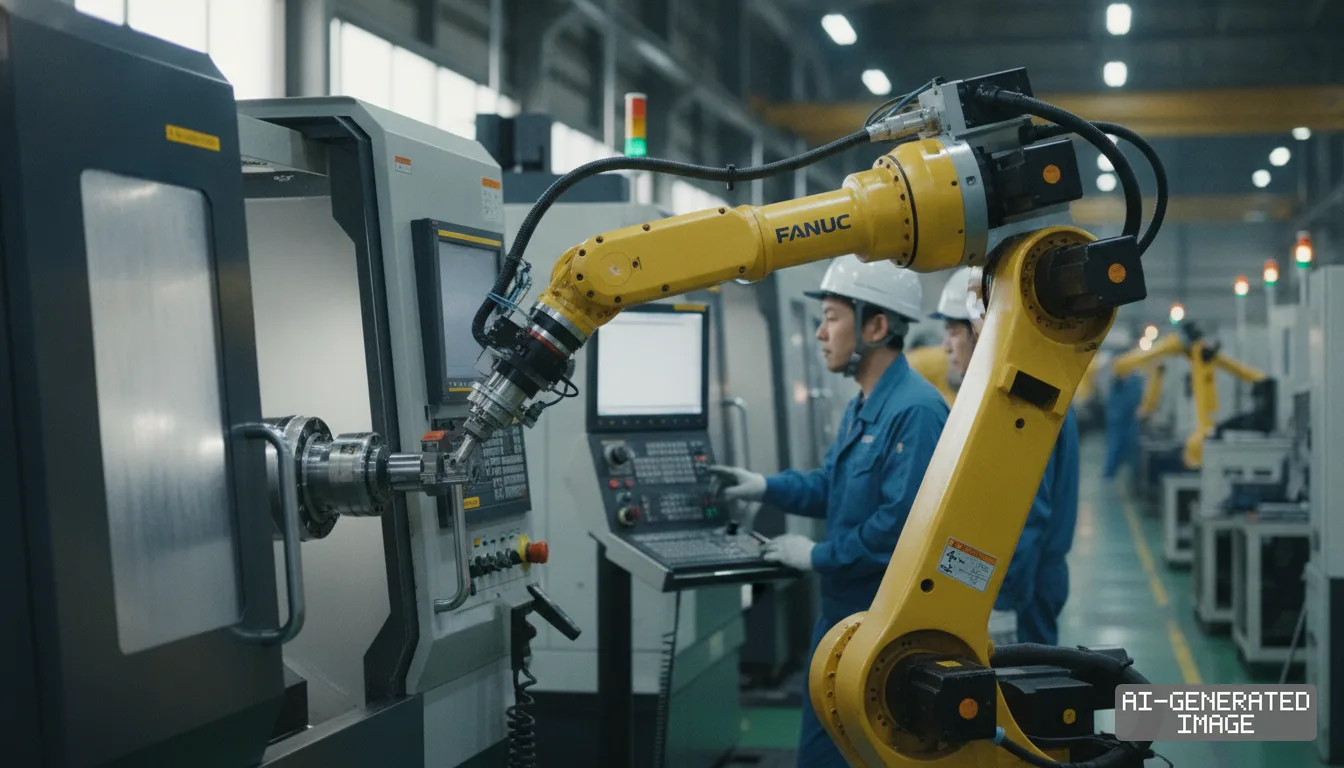
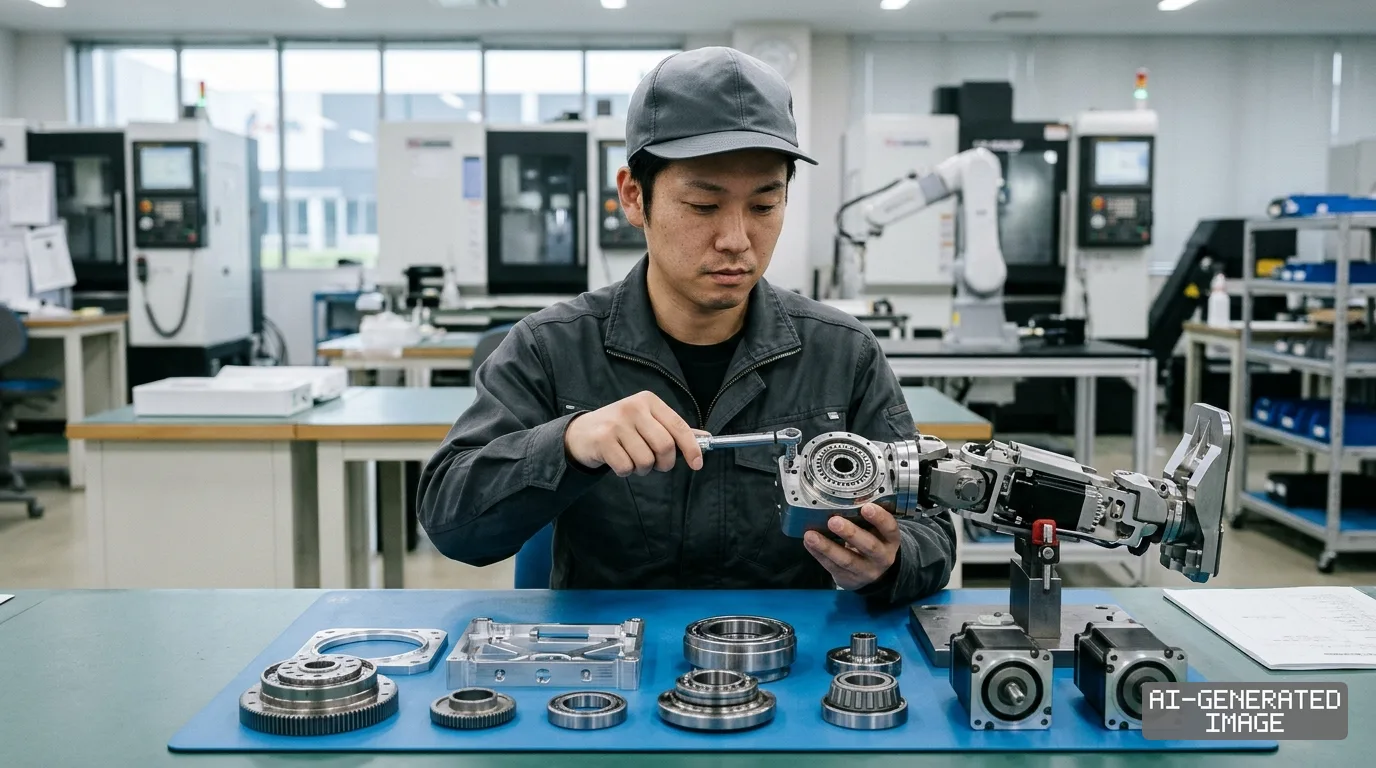
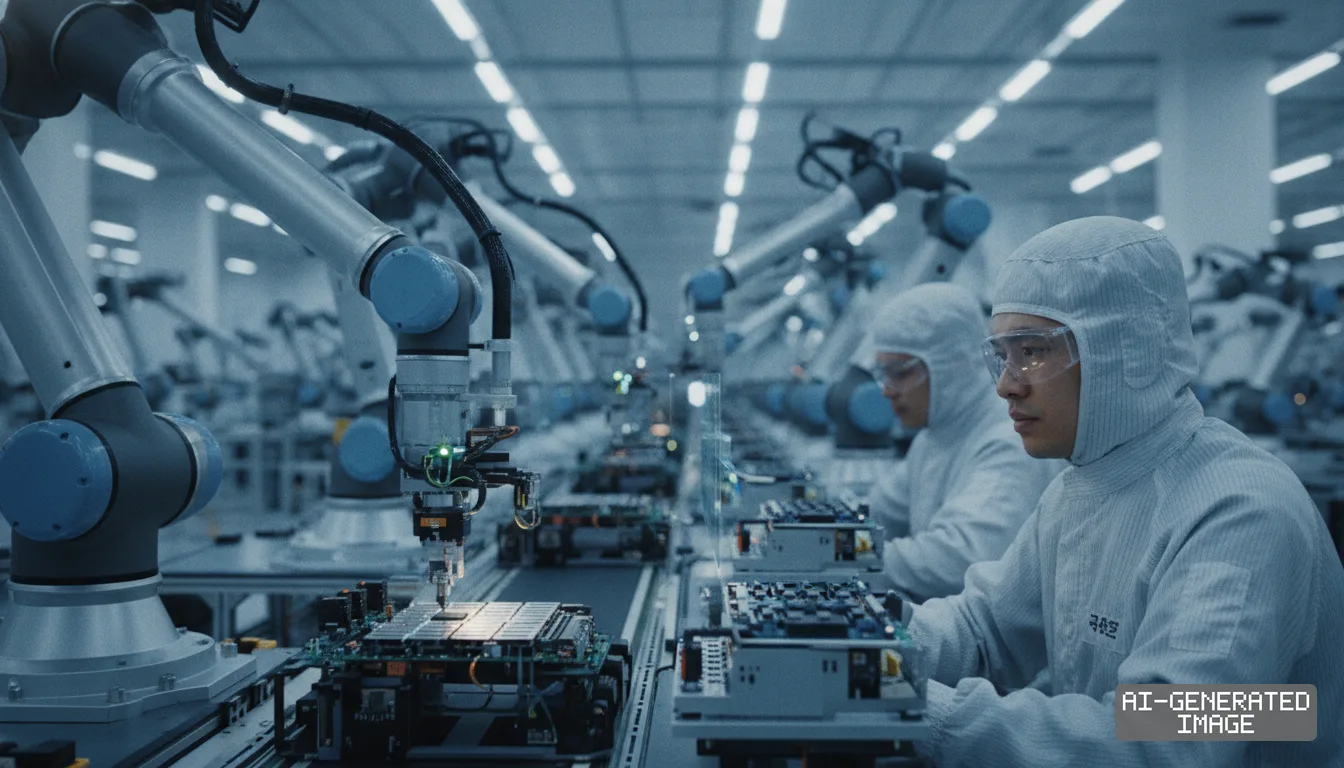
Samsung tests dexterous robot hands for factory automation
Chairman Lee Jae-yong inspected tendon-driven grippers at the Seoul R&D campus on Oct. 27 as the group targets round-the-clock humanoid operations across assembly lines by 2028.
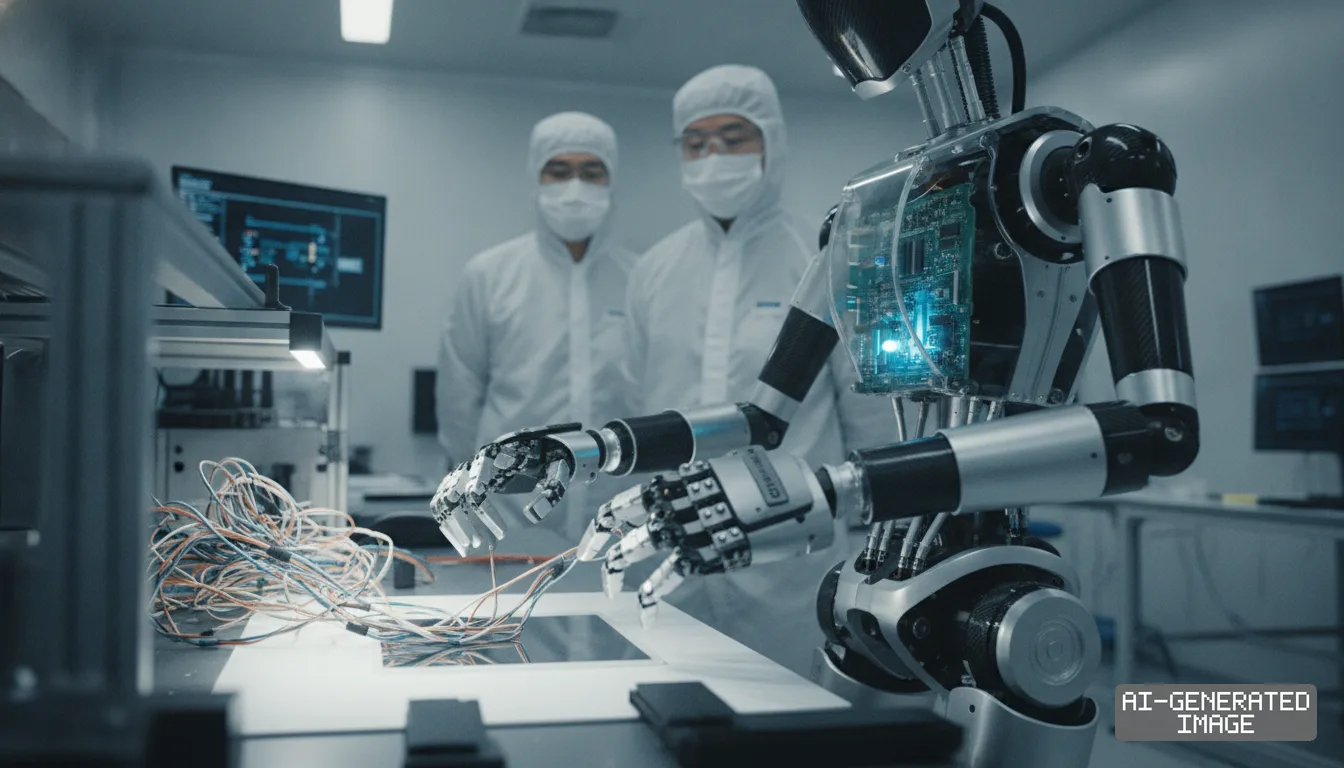
Samsung Electronics finalized internal performance reviews on Oct. 26, 2026, for a bipedal humanoid robot equipped with in-house dexterous robotic hands designed to automate semiconductor and electronics assembly lines.
The hardware focuses on high-precision pick-and-place manipulation rather than basic locomotion. Most industrial humanoids navigate open factory floors, but electronics cleanrooms require manipulating flexible wiring harnesses and delicate silicon wafers.
The deployment anchors a 19 trillion won ($14 billion) allocation for humanoid manufacturing and robot data centers at Samsung's Gumi complex. That spending represents nearly a third of the group's 60 trillion won ($44 billion) advanced manufacturing investment package.
Samsung established the Robotics eXperience business promotion office in July under Device eXperience chief Roh Tae-moon. The unit consolidated robotics engineers previously dispersed across Samsung Research, the global technology center and manufacturing labs into a single command center.
Executive Chairman Lee Jae-yong visited the unit at the Seoul research campus in Umyeon-dong on Oct. 27. Lee inspected operating trials of the ten-finger mechanical hands ahead of a planned public demonstration at CES 2027 in Las Vegas.
Researchers demonstrated tendon-driven mechanics — steel cables routed through miniature joints to flex fingers like human sinews. The setup allows the robot to twist, screw and pinch fragile electronic parts without crushing delicate casing materials.
The company secured intellectual property for the mechanism through a US patent granted in April 2026. The patent pairs tactile fingertip sensors with machine vision to adjust finger positions dynamically around irregular shapes.
Precision hands solve the mechanical bottleneck that has kept bipedal humanoids out of high-density cleanrooms. While wheeled automated guided vehicles transport heavy material pods, fine cable routing and component insertion still rely on human operators.
Samsung's robotics subsidiary, Rainbow Robotics, supplies the robotic arm structures and core joint actuators for the platform. Samsung holds a 35% controlling stake in Rainbow Robotics after exercising a 267 billion won ($181 million) call option.
Rainbow Robotics engineers originated from the Korea Advanced Institute of Science and Technology, where they developed Hubo, Korea's first bipedal humanoid. The affiliate builds industrial arm linkages, while Samsung designs the dexterous end-effectors and AI inference software.
The internal testing program runs continuous 24-hour cycles monitored across three eight-hour engineering shifts. Teams track mean time between failures and test hot-swappable battery systems that allow uninterrupted operation on plant floors.
Continuous uptime forms the primary commercial benchmark for factory robotics. Boston Dynamics and UBTech have similarly turned to fast battery swaps to eliminate idle recharging hours during factory shifts.
Group affiliates are coordinating component supply to build out a domestic humanoid supply chain. Samsung SDI develops solid-state battery cells in Ulsan to provide higher energy density and reduce fire risks inside production facilities.
Samsung Electro-Mechanics provides miniature multi-layer ceramic capacitors and ultra-compact camera modules. The Device Solutions semiconductor unit supplies on-device neural processing chips that process vision and motion algorithms locally on the robot.
The manufacturing push supports Samsung's March 1 announcement targeting fully autonomous AI factories across all global facilities by 2030. The roadmap calls for replacing repetitive human manual labor with specialized assembly and operating humanoids.
Rising labor shortages and aging demographics across East Asian manufacturing centers have accelerated automation timelines. South Korean fab operators face steep wage costs and tightening limits on overtime hours in precision manufacturing.
Chinese rivals such as UBTech and Fourier Intelligence have piloted bipedal humanoids across automotive assembly lines. Samsung is attempting to skip automotive pilot stages by engineering manipulators precise enough for electronics cleanrooms.
Domestic competitor LG Electronics is pursuing a parallel push with its CLOiD platform for home and commercial environments. Hyundai Motor Group has integrated Boston Dynamics' Atlas humanoid into pilot automotive parts handling tasks.
Trade fair organizers open CES 2027 in Las Vegas on Jan. 5, 2027, where Samsung aims to present the hardware publicly. Factory pilot tests across domestic memory and smartphone lines follow later that year.
Samsung Electronics has not published a formal product specification or regulatory disclosure confirming the CES showcase schedule, and company spokespeople declined to confirm the exact production line deployment timetable.
Impact map
How this development propagates across the region and out to global buyers.
| Event | Korea | China | Japan | Global impact |
|---|---|---|---|---|
| dexterous humanoid hand development | Samsung and Rainbow Robotics automate cleanrooms, cutting fab operator headcount | UBTech and Fourier face Korean competition in high-precision factory manipulation | Harmonic Drive and Fanuc see Korean robotics makers internalize precision gear supply | Electronics EMS plants evaluate general-purpose humanoids against dedicated automation cells |
In this story
- Companies
- Samsung ElectronicsRainbow Robotics
- Tickers
- 005930.KS039980.KQ
- Exposed
- Samsung SDISamsung Electro-Mechanics
- Impact
- Supply ChainCapexCost Structure
Related briefings
- Samsung and SK hynix see KOSPI weighting fall to 50 percent Also on Samsung Electro-Mechanics, Samsung Electronics
- China Substrate Makers Speed Glass Core Lines for AI Chips Also on Samsung Electro-Mechanics, Cost Structure
- South Korean substrate makers develop embedded silicon bridges for AI chips Also on Samsung Electro-Mechanics, Cost Structure
- Ibiden and Shinko ramp high-layer FC-BGA lines as AI server package sizes expand Also on Samsung Electro-Mechanics, Cost Structure
Sources
Reporting
Confidence: medium — how we grade this
The documents behind this briefing are linked above. East Asia Brief produces its English text with AI assistance under human editorial review, and does not translate or republish other outlets' articles. See our methodology and AI policy. Spotted an error? Tell us.
The Morning Brief
What changed in Korean, Chinese and Japanese industry overnight — and what it means for your supply chain. One email, weekday mornings, US time. Free.
The Morning Brief is in preparation. Leave your address and we will write to you once — when the first issue is ready. Nothing before that.