Fanuc raises annual guidance as industrial robot orders jump
Upgraded projections push full-year sales past ¥1 trillion for the first time after quarterly bookings reached ¥306 billion on surging artificial intelligence equipment demand.
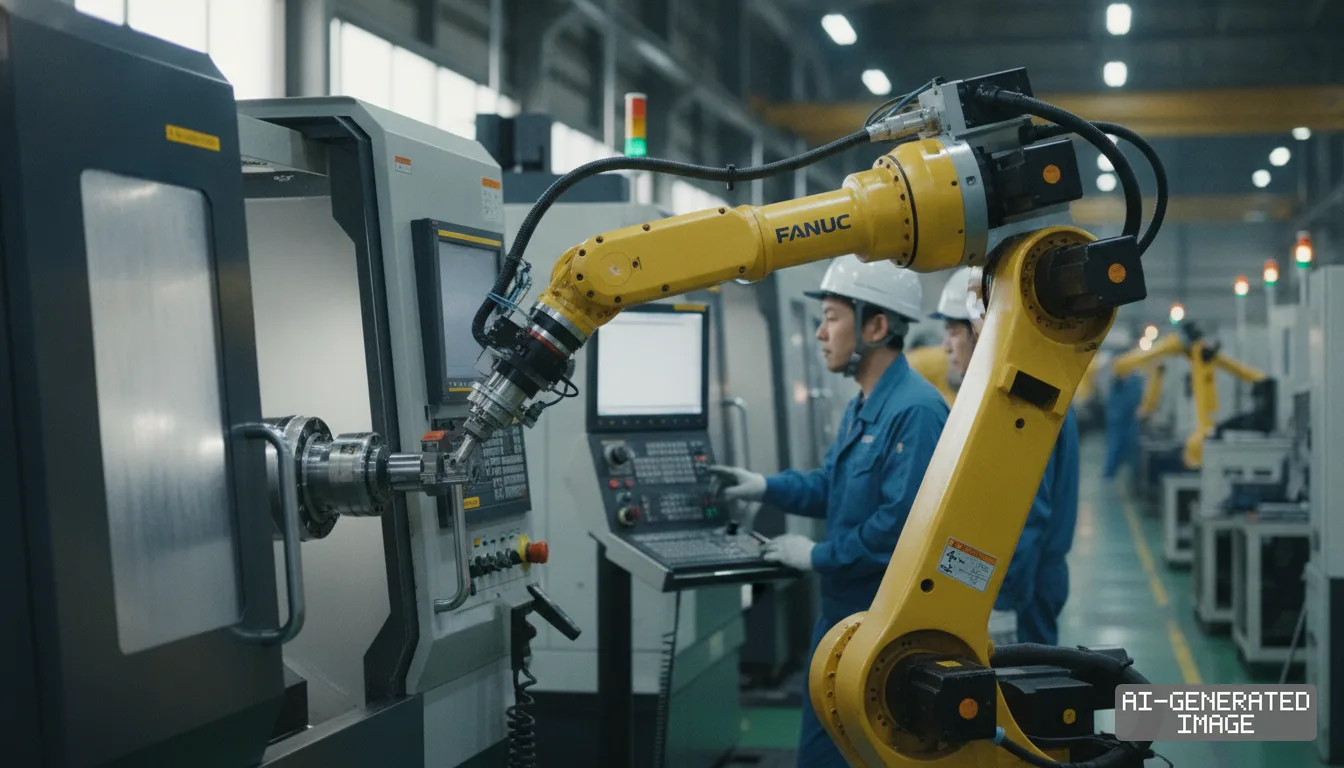
Fanuc Corporation lifted its full-year earnings forecast on Oct. 27, 2026, putting annual sales on track to top 1 trillion yen ($6.76 billion) for the first time as factory automation spending rebounded.
The Japanese manufacturer commands roughly 50% of the global market for computer numerical control systems, the computerized controllers that direct precision machine tools. That market presence makes its quarterly intake a benchmark for industrial capital expenditure worldwide.
The revised outlook raises projected net sales for the fiscal year ending March 31, 2027, to 1.0137 trillion yen ($6.76 billion). That represents a 6.9% increase from the 948.1 billion yen target issued on July 31.
Operating profit guidance rose 10.4% to 240.7 billion yen ($1.61 billion), up from the previous forecast of 218.0 billion yen. Fanuc also increased its net income forecast by 15.3% to 228.3 billion yen ($1.52 billion).
The upward revision follows an expansion in earnings during the first fiscal half ended Sept. 30. Consolidated net sales climbed 16.2% year on year to 473.71 billion yen ($3.16 billion), according to financial statements filed in Tokyo.
First-half operating profit expanded 35.7% from a year earlier to 116.67 billion yen ($778 million). Net income attributable to owners of the parent grew 41.0% to 114.74 billion yen ($765 million) during the six-month period.
Total bookings across all operating divisions reached 306.0 billion yen ($2.04 billion) during the second quarter ended Sept. 30. That marked the highest quarterly order volume in the company's operating history.
Order intake during the July-to-September period jumped 49.0% compared with the same quarter last year. Bookings inside the factory automation division surged 130.1% year on year, reversing six consecutive quarters of customer inventory destocking.
The industrial robot unit generated 194.3 billion yen ($1.30 billion) in revenue during the first half, up 12.6% from the prior year. Shipments of articulated robot arms gained traction across automotive assembly and general industrial manufacturing lines.
Revenue in the factory automation division rose 15.4% to 119.9 billion yen ($799 million) for the six months through September. The segment supplies computerized machine controllers, servomotors and drive amplifiers to machine tool builders globally.
The robomachine division, which manufactures specialized electric injection molding tools and compact machining centers, posted the fastest expansion across the group. Revenue advanced 31.2% year on year to 83.3 billion yen ($555 million).
Accelerating capital expenditure for artificial intelligence infrastructure drove the recovery in equipment bookings. Electronics manufacturers increased machine tool purchases to mill liquid-cooling server chassis, copper heat spreaders and high-density server enclosures.
Semiconductor manufacturing equipment suppliers also increased component orders, the company said. Specialized precision machine tools required computerized controllers to fabricate advanced packaging fixtures, wafer handling assemblies and vacuum-chamber hardware.
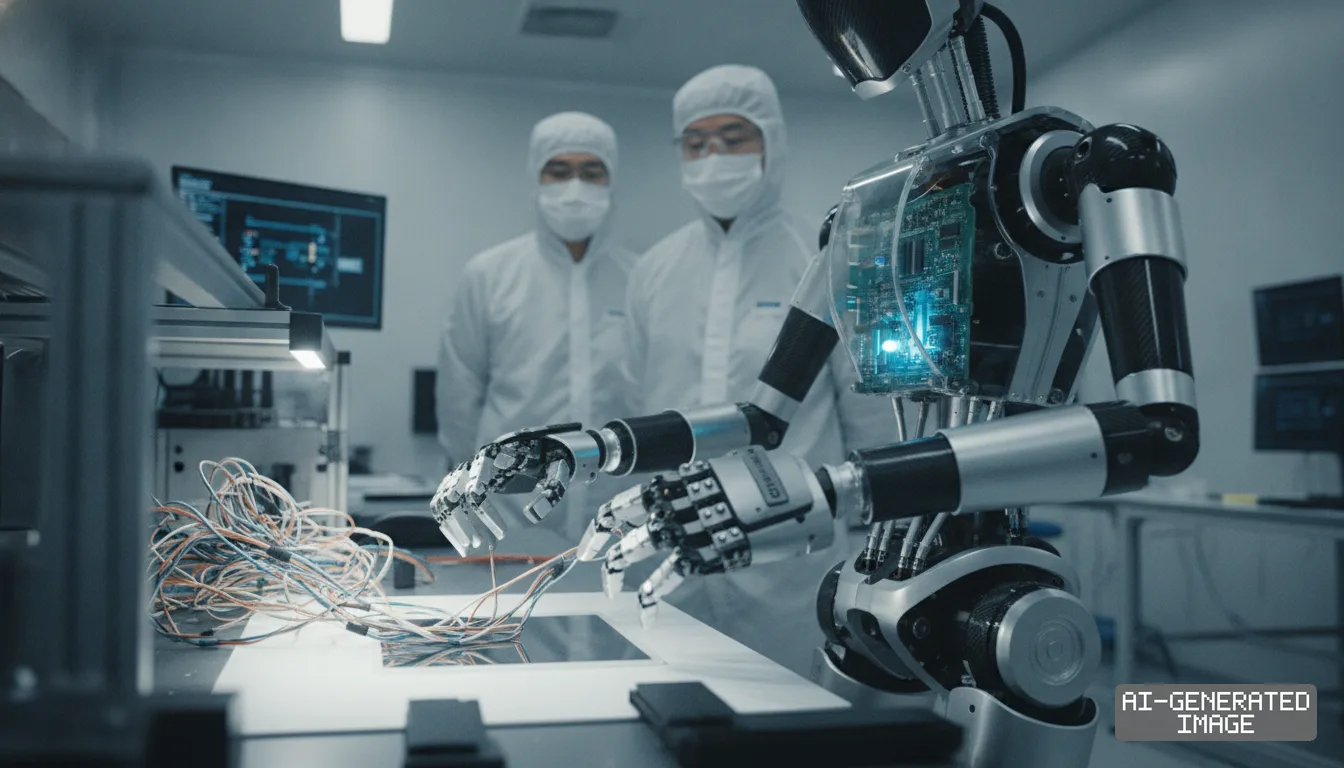
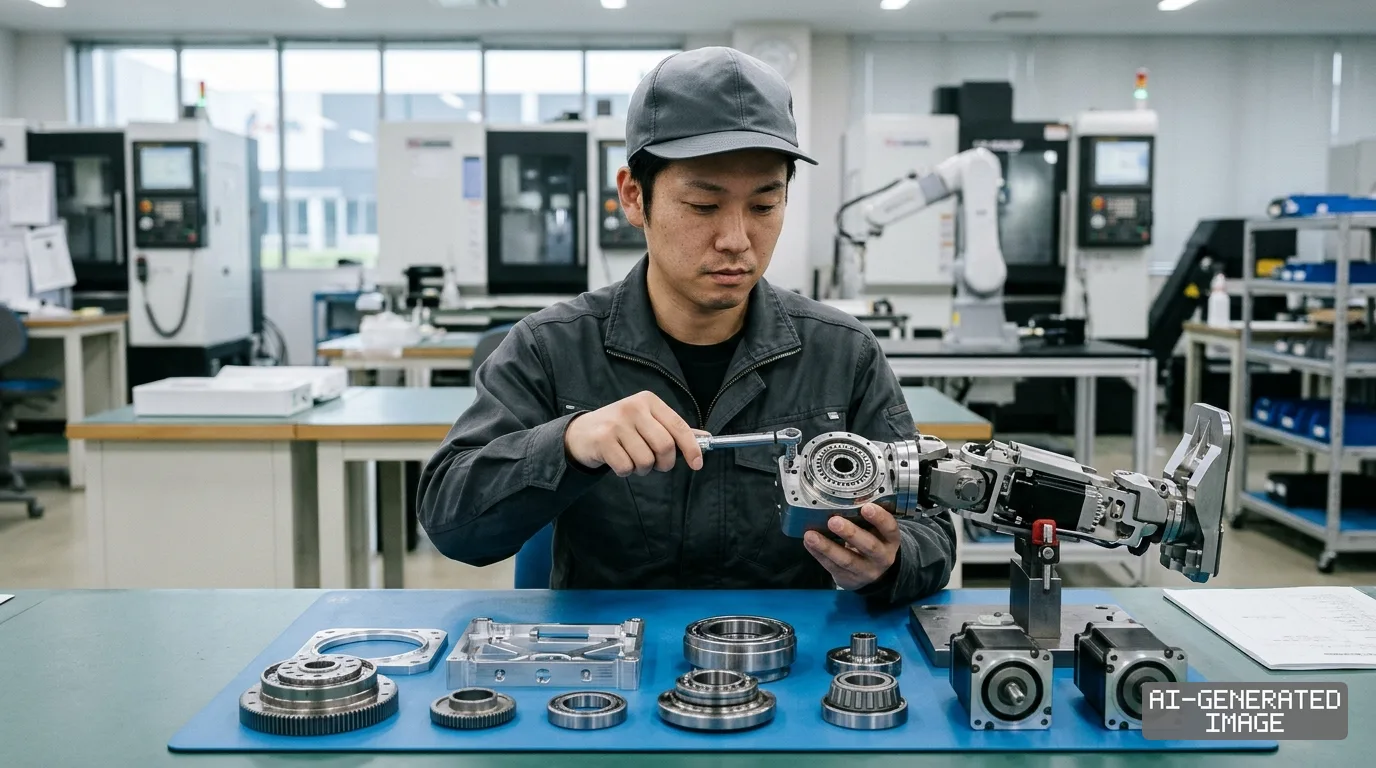
Capital spending widened across new-energy vehicle assembly lines and precision automotive parts suppliers, company documents showed. Machine shops also installed high-precision milling systems to fabricate structural actuators and speed reducers for emerging humanoid robotic arms.
Demand in China recorded the sharpest turnaround among the group's regional markets. Chinese electronics assemblers and precision subcontractors resumed factory equipment purchases following an extended period of conservative capital spending.
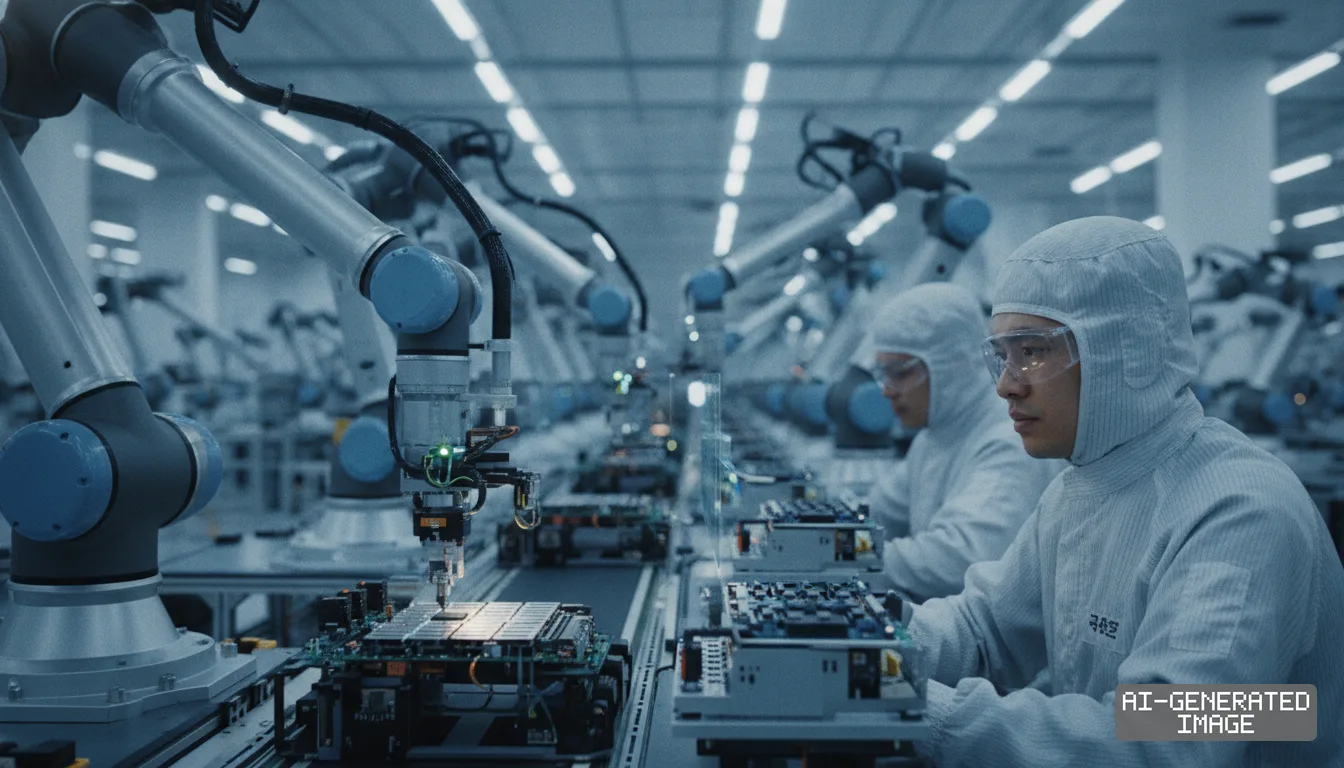
Shipments to South Korea, Japan and Taiwan maintained steady growth during the period. Industrial customers expanded automated assembly facilities dedicated to artificial intelligence server boards, power management chips and high-bandwidth memory testing modules.
In North America, general industrial robot installations rose as manufacturers addressed persistent floor labor shortages. Tooling overhauls at automotive plants and automated material handling across packaging facilities supported regional delivery schedules.
Fanuc paired its upgraded financial targets with a capital return program. The board approved a share buyback of up to 10 million common shares, representing 1.08% of outstanding stock, for a maximum outlay of 50 billion yen ($333 million).
The share repurchase program opened on Oct. 26, 2026, and runs through April 30, 2027, on the Tokyo Stock Exchange. The board also declared an interim dividend of 72.54 yen per share for the first half.
Fanuc did not issue a new regulatory filing on Oct. 27, with the upgraded financial guidance formally lodged with the Tokyo Stock Exchange on Oct. 23.
The company scheduled the conclusion of its current share repurchase operation for April 30, 2027, ahead of releasing full-year audited results for the fiscal period ending March 31.
Impact map
How this development propagates across the region and out to global buyers.
| Event | Korea | China | Japan | Global impact |
|---|---|---|---|---|
| Fanuc guidance upgrade | Memory test lines sustain motion controller procurement | CNC bookings jump 130.1% on AI hardware and precision parts | Fanuc posts record quarterly order bookings of 306.0 billion yen | Factory automation capex enters cyclical recovery driven by AI infrastructure |
In this story
- Companies
- Fanuc Corporation
- Tickers
- 6954.T
- Impact
- CapexOrder Book
Related briefings
- Fanuc tests robot order bottom as factory tooling steadies Also on FANUC Corporation, Order Book
- FANUC expands US packaging robotics with AI and delta cells Also on FANUC Corporation, Order Book
- Chip fab expansion drives cleanroom SCARA robot demand globally Also on Fanuc Corporation, Order Book
- FANUC UK restructures sales leadership to target aerospace and defense Also on FANUC Corporation, Order Book
Sources
Reporting
Confidence: medium — how we grade this
The documents behind this briefing are linked above. East Asia Brief produces its English text with AI assistance under human editorial review, and does not translate or republish other outlets' articles. See our methodology and AI policy. Spotted an error? Tell us.
The Morning Brief
What changed in Korean, Chinese and Japanese industry overnight — and what it means for your supply chain. One email, weekday mornings, US time. Free.
The Morning Brief is in preparation. Leave your address and we will write to you once — when the first issue is ready. Nothing before that.