SK hynix resumes DRAM packaging outsourcing to vendor Winpac
The memory maker is allocating DDR4 and DDR5 flip-chip assembly to the domestic OSAT provider, shifting legacy backend operations outside to reserve cleanroom lines for high-bandwidth memory.
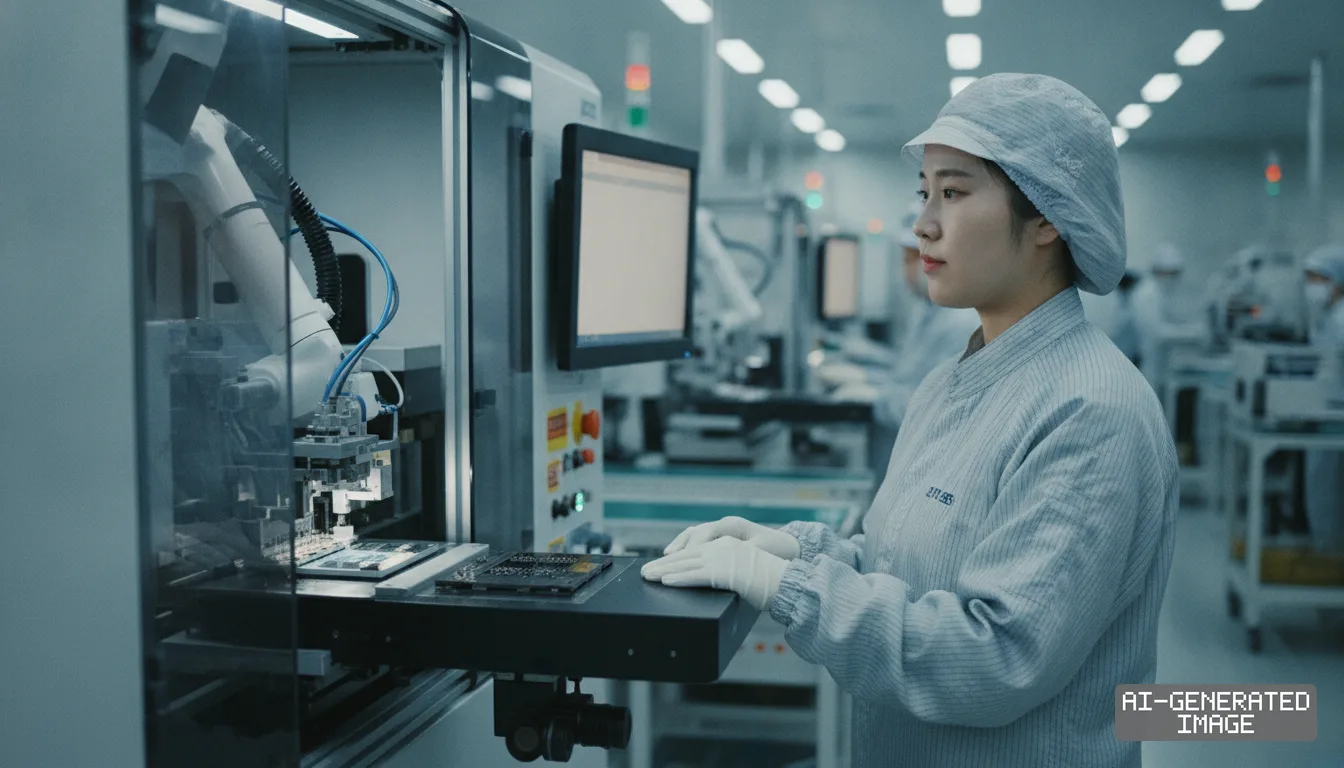
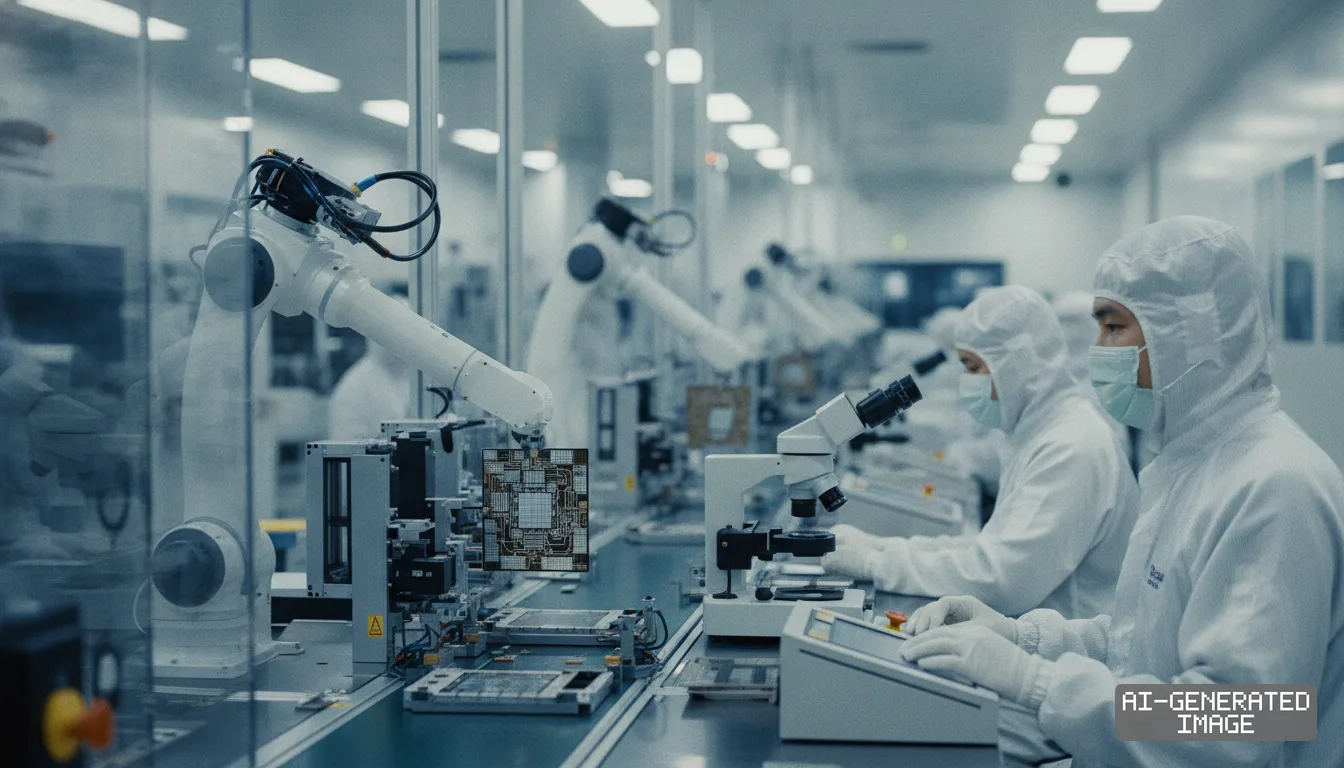
SK hynix resumed outsourcing flip-chip memory packaging to domestic back-end supplier Winpac on Sept. 29, 2026, ending a four-year separation as the chipmaker shifts legacy assembly outside to prioritize high-bandwidth memory.
The contract allocates standard memory assembly to Winpac's primary packaging facility, known as the P Campus. Winpac expanded monthly packaging capacity at the site from 44 million units to 50 million units ahead of mass production.
Initial production under the renewed agreement covers DDR4 and DDR5 dynamic random-access memory chips. Winpac completed equipment retooling at the plant and entered mass production in September, industry publication The Elec reported Sept. 29.
SK hynix is offloading backend packaging for standard computer memory to external outsourced semiconductor assembly and test vendors. The shift allows the memory maker to clear internal cleanroom floor space for advanced stacking lines.
High-bandwidth memory production requires proprietary backend processes, including advanced thermal compression bonding and molded underfill techniques. Those multi-layer packaging steps consume more cleanroom area per wafer than conventional memory modules.
DRAM manufacturers face acute cleanroom space constraints at their domestic fabrication clusters. Outsourcing commoditized packaging lines enables SK hynix to maximize throughput for artificial intelligence memory without constructing new cleanroom buildings.
Flip-chip packaging connects silicon dies directly to substrate boards using microscopic conductive bumps rather than perimeter wire bonds. The method shortens electrical pathways, reduces signal latency and supports higher input-output pin density in server modules.
Traditional memory packaging relied on thin wire loops extending from chip edges to external contact leads. Flip-chip configurations eliminate those wire loops, producing thinner component profiles that fit inside compact server slots and mobile hardware.
Winpac operates its high-density packaging and testing infrastructure at the P Campus in South Korea. The facility packages dynamic random-access memory, NAND flash memory and embedded universal flash storage components for commercial distribution.
Winpac was founded in 2002 and built its business primarily on backend subcontracts from SK hynix. The supplier initially handled ball grid arrays, board-on-chip packaging for DDR2 and DDR3 chips, multi-chip packaging and final testing.
The assembly vendor added flip-chip mass packaging capabilities to its manufacturing lines in 2019. Winpac derived 61% of its total revenue from SK hynix packaging contracts during the first half of 2021.
Operational friction surfaced between the two companies in 2022 after Winpac secured packaging orders from Samsung Electronics. Focus on the new customer created scheduling conflicts, leading to delivery delays on SK hynix memory batches.
SK hynix responded by gradually reducing its packaging allocation to Winpac across subsequent quarters. The commercial partnership was dissolved completely in 2023 when a prolonged semiconductor downturn prompted chipmakers to scale back outside contracts.
The abrupt loss of packaging orders placed severe financial strain on Winpac's manufacturing operations. The supplier accumulated over 60 billion won ($45 million) in operating losses between 2023 and 2025 as factory utilization slumped.
Winpac executed internal corporate restructuring and cost-cutting initiatives earlier this year to stabilize cash reserves. Those balance-sheet adjustments allowed the company to secure working capital needed to reconfigure equipment and run active lines.
SK hynix has simultaneously distributed packaging volumes to other domestic outsourced assembly providers, including APACT. Memory makers are tapping multiple back-end partners to keep pace with recovering demand for high-capacity DDR5 server modules.
The companies have not disclosed the total financial value or shipment volumes covered by the packaging contract. SK hynix and Winpac have not issued public regulatory filings on South Korea's electronic corporate disclosure repository.
Under Korea Exchange listing regulations, public companies must file disclosure notices when single sales contracts exceed designated annual revenue thresholds. Winpac has not published a formal material contract notice detailing specific supply quotas.
Neither firm has released formal statements regarding the duration of the arrangement or future allocation targets. Winpac will report its third-quarter financial results in November, providing the first audited metric of resumed packaging revenues.
Impact map
How this development propagates across the region and out to global buyers.
| Event | Korea | China | Japan | Global impact |
|---|---|---|---|---|
| Memory packaging outsourcing resumption | Winpac fills 50 million unit monthly line, SK hynix frees cleanroom capacity | CXMT faces wider competitive gap as SK hynix accelerates HBM throughput | Shinko Electric and Ibiden see steady substrate pull for server flip-chip packaging | AI server supply chains absorb increased high-bandwidth memory allocation |
In this story
- Companies
- SK hynixWinpac
- Tickers
- 000660.KS097800.KQ
- Exposed
- APACTSamsung Electronics
- Policy
- Economic Security
- Impact
- Supply ChainCapexCost Structure
Track every Economic Security development →
Related briefings
- Korea unfreezes Honam grid to add 2.6 GW of solar capacity Also on SK hynix, Samsung Electronics, Cost Structure
- SK hynix taps TSMC for 3D DRAM logic, diverging from Samsung in 2026 Also on SK hynix, Samsung Electronics, Cost Structure
- SK hynix and foundries advance hybrid bonding for AI silicon in 2027 Also on SK hynix, Samsung Electronics, Cost Structure
- US chip suppliers commit $2 billion to South Korea semiconductor supply chain Also on SK hynix, Samsung Electronics, Cost Structure
Sources
Reporting
Confidence: medium — how we grade this
The documents behind this briefing are linked above. East Asia Brief produces its English text with AI assistance under human editorial review, and does not translate or republish other outlets' articles. See our methodology and AI policy. Spotted an error? Tell us.
The Morning Brief
What changed in Korean, Chinese and Japanese industry overnight — and what it means for your supply chain. One email, weekday mornings, US time. Free.
The Morning Brief is in preparation. Leave your address and we will write to you once — when the first issue is ready. Nothing before that.