OCI anchors Jeonbuk chip materials hub with acid expansion
The chemical maker will lift Gunsan phosphoric acid capacity to 30,000 tons as South Korea commits 45 billion won to anchor an 830 billion won regional supply cluster.
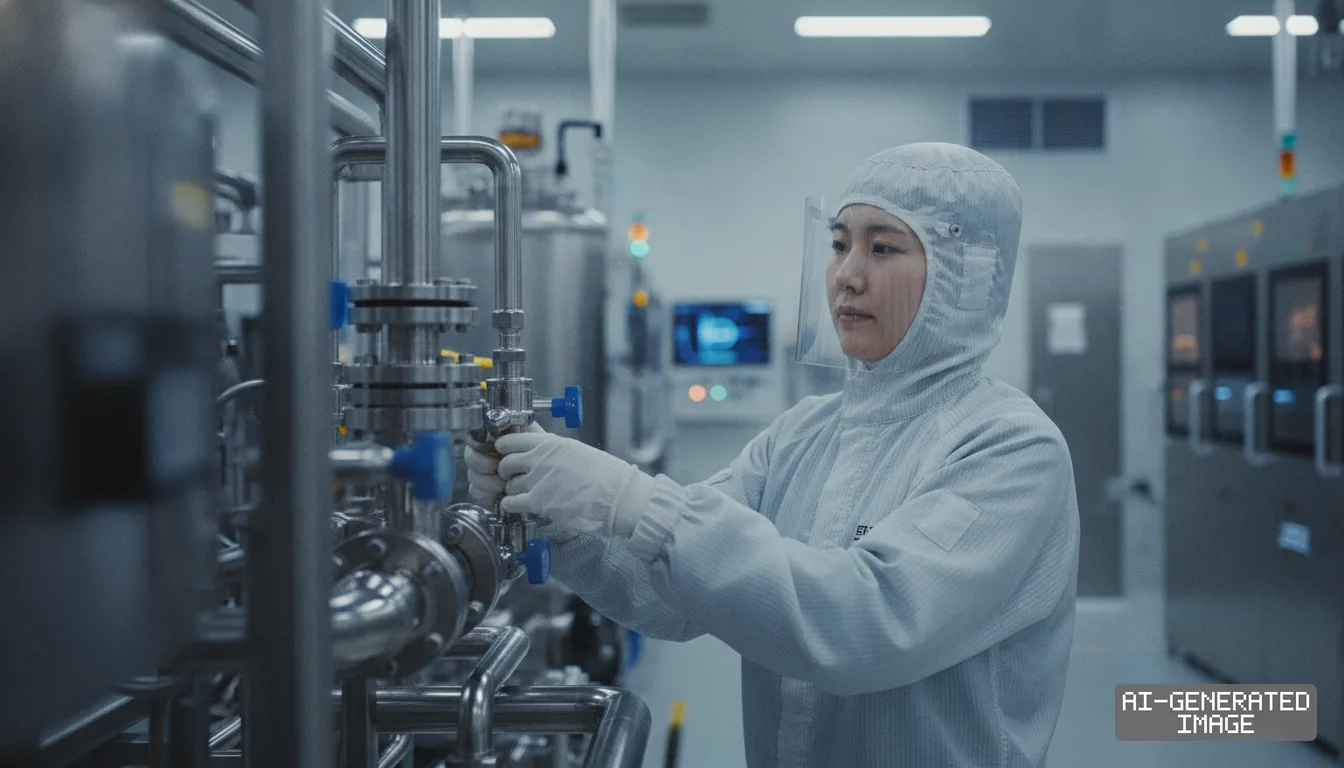
OCI announced Sept. 29, 2026 that it will anchor a high-purity semiconductor materials cluster in North Jeolla Province, expanding domestic production of critical etching chemicals for advanced fabrication lines.
The company's formal operating commitment builds on an initiative finalized twelve days earlier by South Korea's Ministry of Trade, Industry and Energy. The ministry selected the industrial zones of Gunsan, Iksan and Wanju on Sept. 17, 2026 as the nation's third-round specialized complex for semiconductor chemical materials.
The designated complex will receive 45 billion won ($33 million) in central government funding over five years. The state aid funds shared utility infrastructure, joint research facilities and specialized chemical workforce training across the three municipal districts.
Participating private manufacturers have pledged a collective investment of 830 billion won ($610 million) over the same five-year timeframe. The capital outlay establishes domestic manufacturing lines for electronic-grade wet chemicals, reducing procurement exposure to foreign supply bottlenecks.
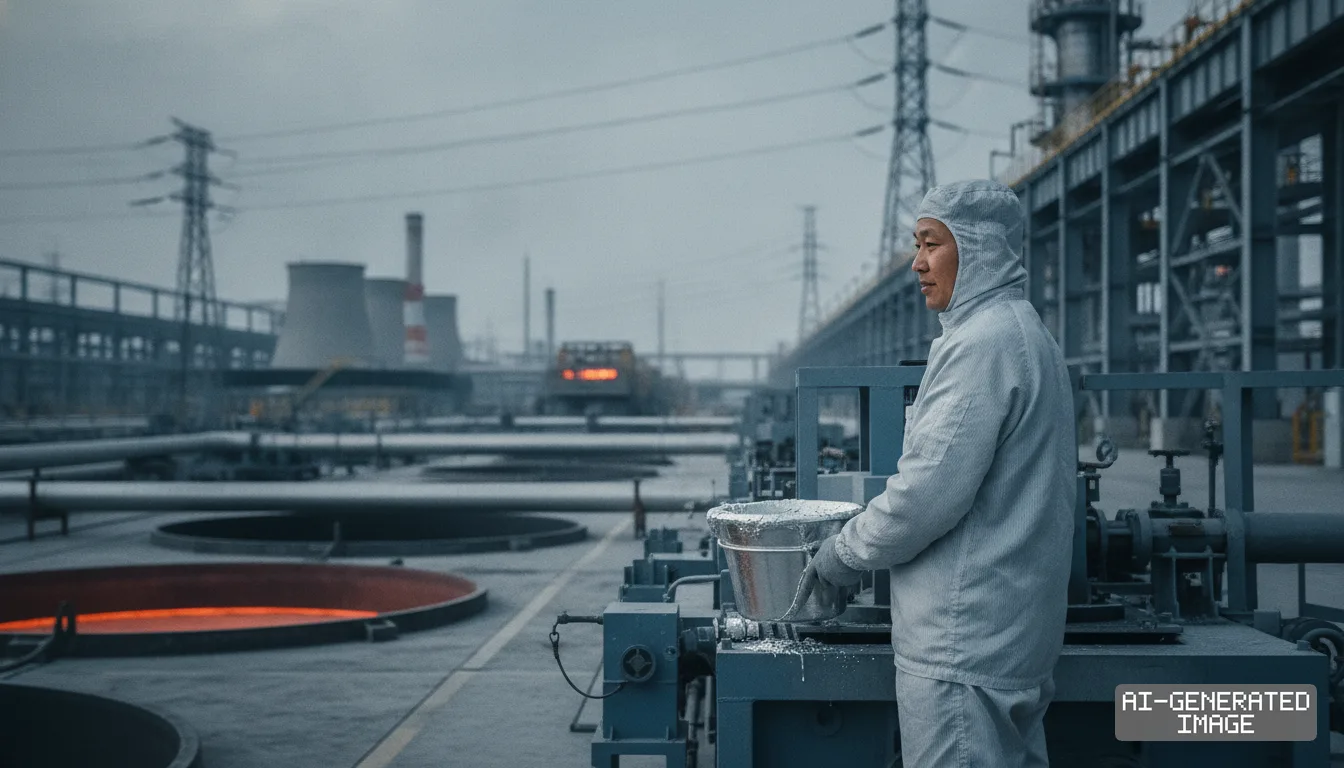
Under the operational roadmap, OCI will focus on scaling electronic-grade phosphoric acid output at its flagship Gunsan manufacturing complex. The site currently produces 25,000 metric tons of high-purity phosphoric acid annually for wafer etching.
OCI confirmed an active capital project to expand Gunsan's phosphoric acid capacity to 30,000 metric tons per year. That expansion represents a 20% increase in output designed to meet the processing requirements of sub-two-nanometer logic and advanced three-dimensional NAND memory.
High-purity phosphoric acid acts as an essential chemical reagent during the selective wet-etching stage of semiconductor manufacturing. The chemical removes silicon nitride layers without corroding adjacent silicon dioxide patterns, a process vital for vertical cell stacking in solid-state storage.
The Gunsan facility also maintains an annual output capacity of 4,700 metric tons of semiconductor-grade polysilicon. That volume provides basic crystalline silicon feedstock for domestic ingot pulling and wafer slicing operations.
In neighboring Iksan, OCI operates a high-purity hydrogen peroxide plant dedicated to semiconductor cleaning and wet etching solutions. The company established commercial operations at the site in 1979, developing a specialized purification network over four decades.
The Iksan facility positions OCI as the second-largest producer of high-purity hydrogen peroxide in South Korea. The solution functions as a primary oxidizing agent in RCA clean steps, stripping particulate contaminants and organic residues from polished silicon wafers before lithography.
The strategic push into the specialized complex includes commercial diversification beyond established basic process materials. OCI confirmed it has initiated research programs to formulate proprietary specialty etchants for novel transistor architectures.
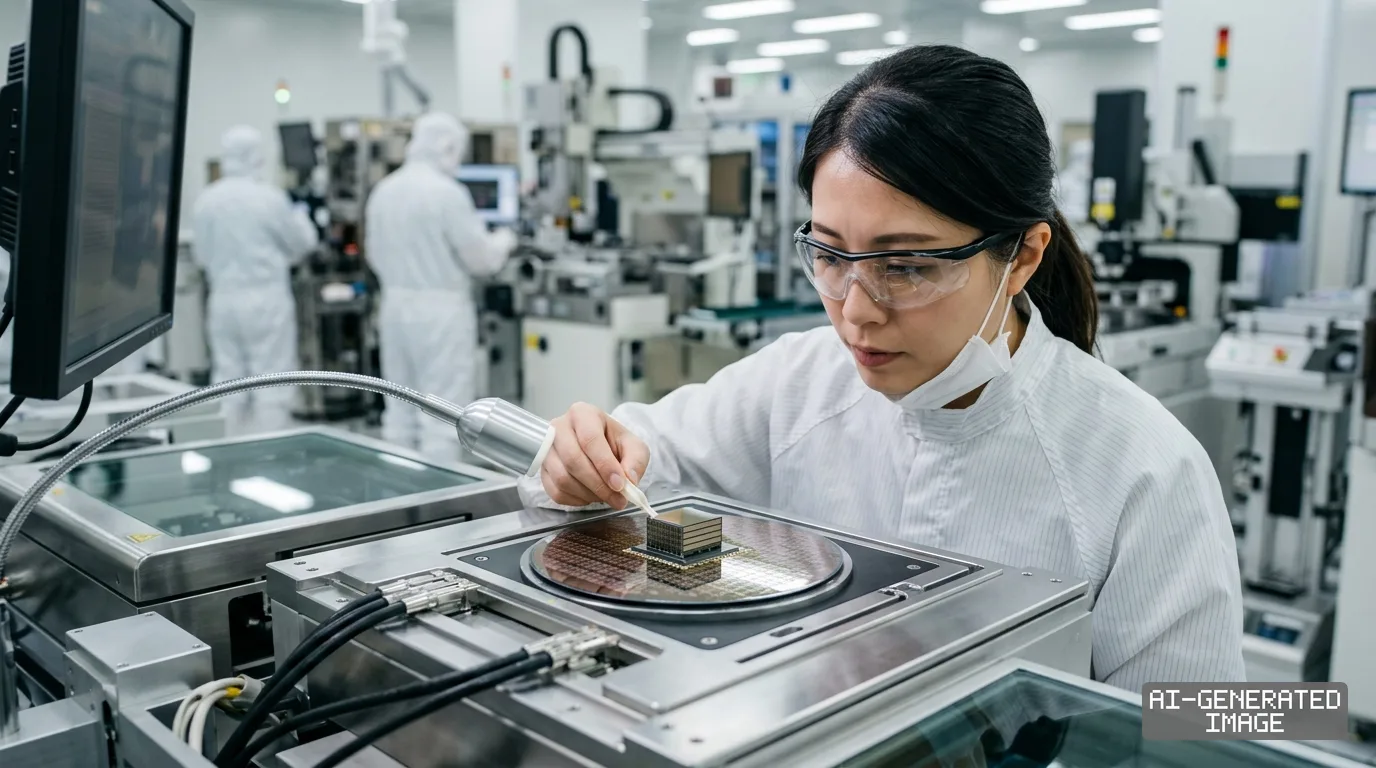
The chemical supplier is also entering the packaging-grade wafer reclamation business. The process recycles test and carrier wafers used during advanced chiplet packaging, lowering production overhead for domestic contract packaging facilities.
Advanced packaging processes require repeated temporary bonding and rigorous mechanical handling steps. Reclaiming high-diameter silicon wafers allows domestic packaging houses to curb materials consumption during test iterations.
OCI President Lee Su-mi said the company will strengthen the domestic materials supply chain by accelerating investments in high-purity chemical formulations. Lee added that OCI will concentrate resources on upgrading specialty chemical assets to support next-generation domestic fabrication lines.
The operational expansion addresses long-standing vulnerabilities in South Korea's semiconductor materials ecosystem. While Samsung Electronics and SK hynix dominate global dynamic random-access memory manufacturing, their production lines remain partially reliant on overseas chemical refining for critical wet formulations.
Samsung Electronics operates mega-fabs in Pyeongtaek and Hwaseong, while SK hynix runs high-volume lines in Icheon and Cheongju. Both chipmakers have established vendor localization targets following recurring trade restrictions and cross-border logistics disruptions over the past seven years.
A sudden interruption in high-purity chemical shipments can stall wafer throughput across an entire production module within hours. By concentrating chemical synthesis, purification and delivery systems within North Jeolla Province, domestic fabricators secure shorter inland supply corridors.
The North Jeolla complex joins South Korea's national network of targeted materials zones, following prior designations in Yongin, Anseong and Cheonan. Establishing dedicated chemical infrastructure outside the capital region also alleviates industrial utility constraints in Gyeonggi Province.
The five-year development cycle runs through 2031 under the mandate approved by the government's Materials, Parts and Equipment Competitiveness Committee on Sept. 17, 2026. State budget allocations and infrastructure permitting will begin during the first quarter of 2027.
OCI has not published a separate regulatory filing detailing its individual financial share of the collective 830 billion won private investment pledge. The company's corporate statement did not disclose the precise capital expenditure allocated strictly to the Gunsan phosphoric acid expansion.
Impact map
How this development propagates across the region and out to global buyers.
| Event | Korea | China | Japan | Global impact |
|---|---|---|---|---|
| Jeonbuk chemical materials cluster | OCI expands phosphoric acid to 30,000 tons, stabilizing fab feedstock for Samsung and SK hynix | Secondary market export demand for basic phosphorus feedstock rises to feed Korean purification lines | Mitsubishi Gas Chemical and Tokuyama face domestic Korean competition in high-purity etching reagents | Advanced memory packaging BOM stabilizes as localized chemical and reclaimed wafer supply shortens lead times |
In this story
- Companies
- OCI
- Tickers
- 456040.KS
- Exposed
- Samsung ElectronicsSK hynix
- Policy
- SubsidiesIndustrial Policy
- Impact
- Supply ChainCapexCost Structure
Track every Subsidies development → Track every Industrial Policy development →
Related briefings
- Comparing East Asia Fab Subsidies Across Japan, Korea, and China Also on Industrial Policy, SK hynix, Samsung Electronics
- Foundries Standardize 300mm Silicon Photonics PDKs for AI Optical Interconnects Also on Industrial Policy, Samsung Electronics, Cost Structure
- LG taps Samsung Foundry for appliance AI chips under Korean state project Also on Industrial Policy, Samsung Electronics
- East Asia fab water rules diverge as Taiwan mandates reuse while Korea and Japan rely on state grids and local pacts Also on Industrial Policy, Samsung Electronics
Sources
Primary documents
Reporting
Confidence: high — how we grade this
The documents behind this briefing are linked above. East Asia Brief produces its English text with AI assistance under human editorial review, and does not translate or republish other outlets' articles. See our methodology and AI policy. Spotted an error? Tell us.
The Morning Brief
What changed in Korean, Chinese and Japanese industry overnight — and what it means for your supply chain. One email, weekday mornings, US time. Free.
The Morning Brief is in preparation. Leave your address and we will write to you once — when the first issue is ready. Nothing before that.