Korea unfreezes Honam grid to add 2.6 GW of solar capacity
The policy ends a two-year connection freeze across 164 substations on Oct. 1, paving the way for 20 GW of planned power across Samsung and SK hynix chip hubs.
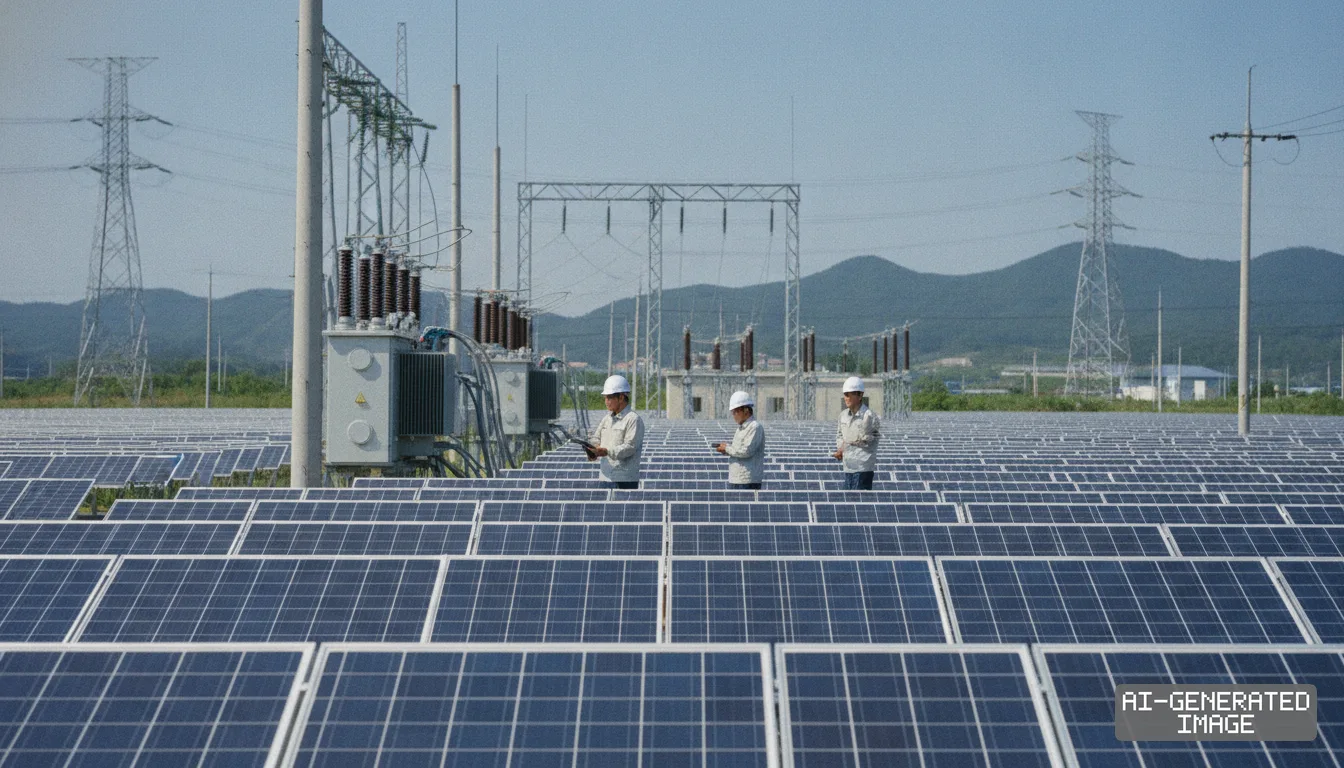
South Korea's Ministry of Climate, Energy and Environment unveiled grid reform measures on Sept. 29, 2026, lifting transmission connection freezes across 164 substations in the southwestern Honam region.
The decision rescinds a moratorium imposed in September 2024 that had locked solar operators out of the grid until 2034. The policy immediately releases 2.6 GW of solar connection headroom across Honam.
The ministry reported the plan during a cabinet session, targeting over 100 GW of renewable capacity nationwide by 2030. Honam transmission capacity will widen from 37 GW to 64 GW under the overhaul.
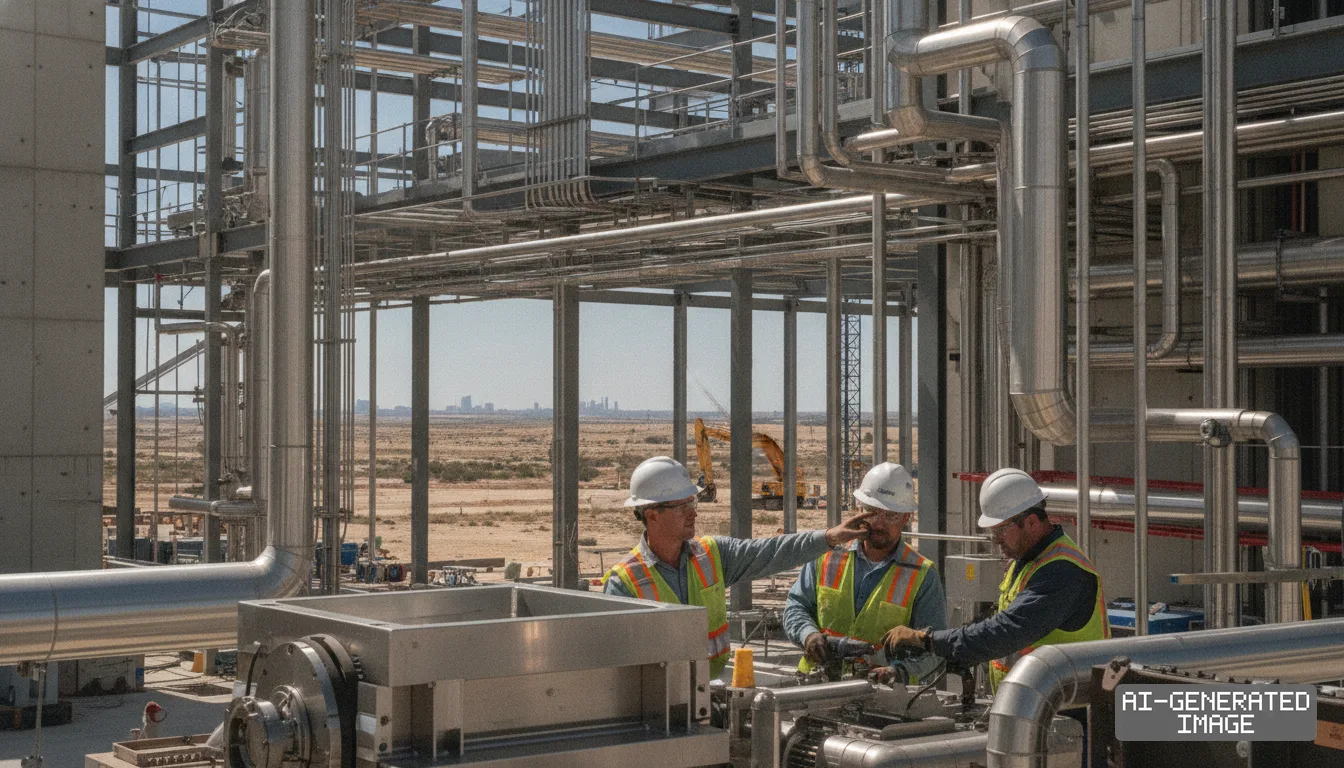
Regulators achieved the initial capacity release without building new overhead lines. Distribution lines will now take 16 MW, up from 14 MW, while substation transformers expand from 50 MW to 60 MW.
Grid operator Korea Electric Power Corporation (KEPCO) will apply flexible non-firm access rules to incoming generators. Under these contracts, solar operators agree to temporary curtailment when local transmission lines reach peak capacity.
The ministry also introduced autonomous connections paired with on-site energy storage systems. Project owners can install generation capacity above line limits if battery packs store midday output and discharge power during evening peaks.
Utility battery installations will serve as non-wire alternatives across saturated nodes. The ministry expects utility-scale storage to absorb midday solar surges and free an additional 3 GW of distribution headroom nationwide by 2030.
Regulators will simultaneously purge dormant projects holding idle interconnection rights. The government plans to recover and reallocate more than 10 GW of transmission queue capacity from delayed offshore wind ventures across Honam by 2030.
Developers that failed to complete required environmental impact assessments will forfeit their scheduled grid slots. The reclaimed transmission capacity will go to operational projects ready to supply industrial power buyers immediately, the ministry said.
The grid restructuring underpins long-term industrial energy pacts signed on Aug. 12, 2026. State utility KEPCO, local authorities, Samsung Electronics and SK hynix agreed then to secure 20 GW for chip production hubs.
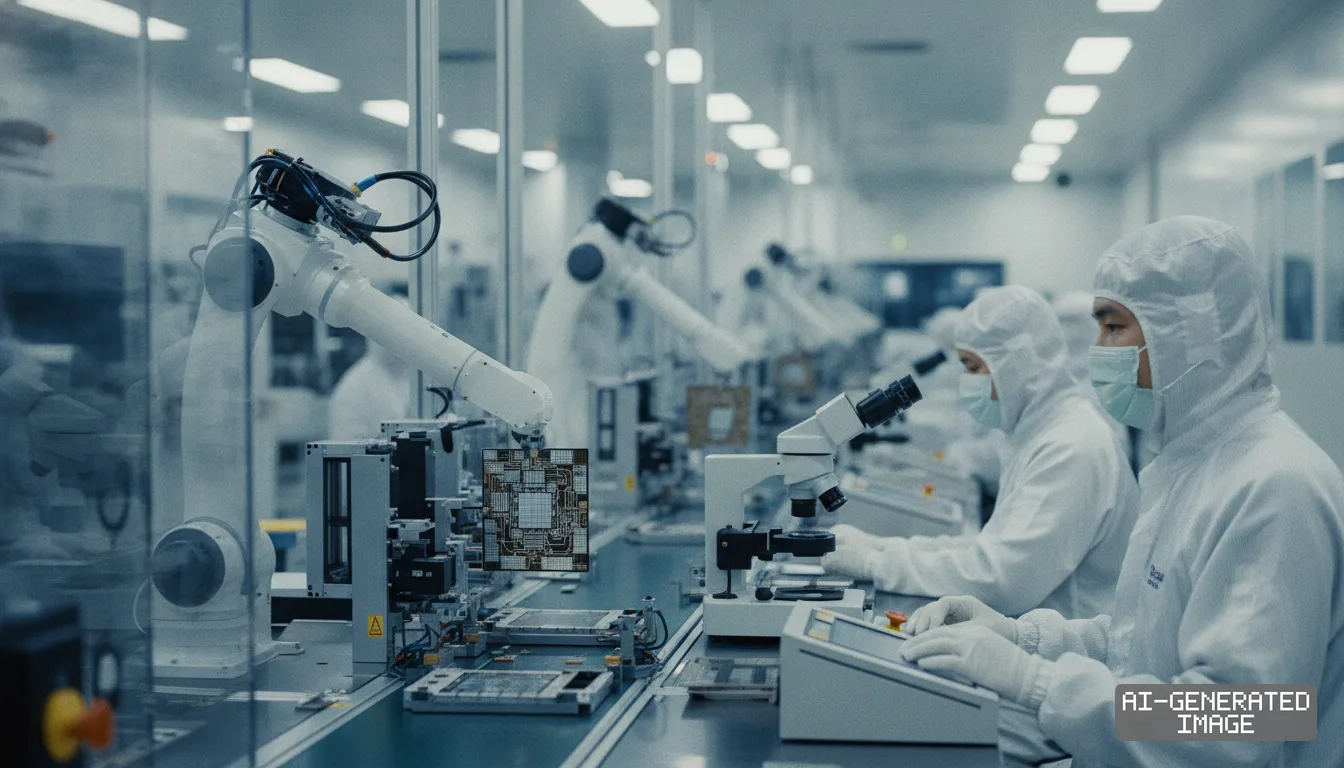
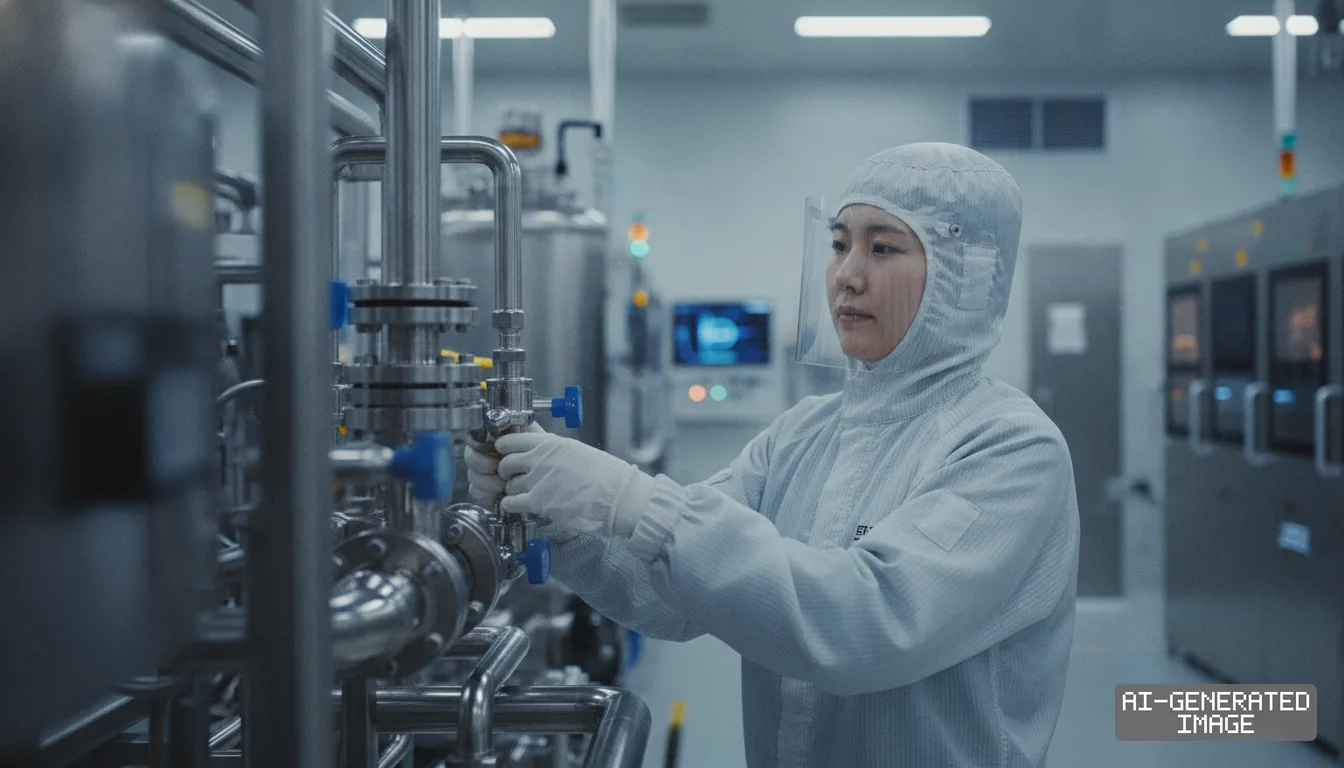
Under that tripartite agreement, the Honam semiconductor industrial park will host four memory fabs, split evenly between Samsung Electronics and SK hynix. The cluster requires more than 6 GW of dedicated electricity, KEPCO said.
Initial transmission facilities will deliver 3 GW to the Honam fab site starting in 2029. Local authorities schedule mass production of advanced memory chips at the site for June 2030, according to municipal planning filings.
The separate Yongin semiconductor mega cluster in Gyeonggi Province requires 14 GW of peak power through 2041. Samsung Electronics operates its national foundry complex there, while SK hynix builds its primary memory production base.
Yongin relies on local liquefied natural gas plants and regional substations rather than direct southern power transfers. State planners scheduled three 1 GW gas plants inside the Yongin site to handle initial demand through 2032.
The Shin-Anseong substation, completed in July 2026, feeds early power to SK hynix lines through the East Yongin substation. Upgrades to existing transmission corridors will cover load growth through 2035, the ministry said.
Official documents do not show that the Honam grid began transmitting physical electricity to Yongin fabs on Sept. 29, 2026. The two regional clusters currently draw power from separate, localized infrastructure programs.
Direct high-voltage lines running from southern solar fields to the capital area face years of planning reviews. The government focused instead on maximizing existing regional grid efficiency to bypass lengthy tower construction disputes.
For industrial power consumers, lifting the Honam freeze provides regional green power certificates and local clean supply. Chipmakers face mounting supply-chain requirements from global clients to manufacture semiconductors using 100% renewable power.
Samsung Electronics and SK hynix have both committed to international clean energy benchmarks. Securing regional solar supplies allows their planned southern fabrication lines to verify renewable compliance without waiting for long-distance transmission corridors.
Nationwide, the government expects the regulatory overhaul to expand total transmission renewable capacity from 119 GW to 171 GW by 2030. Distribution capacity will grow from 84 GW to 110 GW over the same period.
The ministry also plans to unfreeze restricted substations across parts of Chungcheong Province. Eastern coastal zones will see connection limits lifted during the first half of 2027 when the Shin-Gapyeong HVDC line finishes construction.
That East Coast project will deploy high-voltage direct current cables to transfer nuclear and thermal power into Seoul. The ministry maintains that distinct direct-current corridors remain necessary for inter-regional bulk power transfers.
Grid infrastructure costs for the southern chip clusters will be shared between public utilities and corporate tenants. Private contributions qualify for state subsidies under South Korea's Semiconductor Special Act, which took effect on Aug. 11, 2026.
The designation of 164 grid-constrained substations in Honam expires formally on Oct. 1, 2026. Renewable power operators currently waiting in transmission queues can file early connection applications starting that day, the ministry said.
New commercial developers must wait until January 2027, when KEPCO opens competitive bidding for newly allocated transmission capacity. Regulators will award grid access based on construction readiness and compliance with non-firm curtailment rules.
Impact map
How this development propagates across the region and out to global buyers.
| Event | Korea | China | Japan | Global impact |
|---|---|---|---|---|
| Honam grid unfreeze | KEPCO releases 2.6 GW solar headroom, Samsung and SK secure regional power framework | Mainland chipmakers see Korean memory hubs de-risk clean power compliance | Tokyo Electron and equipment suppliers face no utility delays at planned fabs | AI chip supply chain reduces power bottleneck risk for next-gen memory fabs |
In this story
- Companies
- Samsung ElectronicsSK hynixKEPCO
- Tickers
- 005930.KS000660.KS015760.KS
- Policy
- Economic SecuritySubsidies
- Impact
- Supply ChainCapexCost Structure
Track every Economic Security development → Track every Subsidies development →
Related briefings
- Evolution Metals expands Korea magnet plant to 10,000 tons Also on KEPCO
- SK hynix and foundries advance hybrid bonding for AI silicon in 2027 Also on SK hynix, Samsung Electronics, Cost Structure
- US chip suppliers commit $2 billion to South Korea semiconductor supply chain Also on SK hynix, Samsung Electronics, Cost Structure
- KEPCO seeks $18 billion advance power bill payment from Samsung and SK hynix Also on SK hynix, Samsung Electronics, Cost Structure
Sources
Primary documents
Reporting
Confidence: high — how we grade this
The documents behind this briefing are linked above. East Asia Brief produces its English text with AI assistance under human editorial review, and does not translate or republish other outlets' articles. See our methodology and AI policy. Spotted an error? Tell us.
The Morning Brief
What changed in Korean, Chinese and Japanese industry overnight — and what it means for your supply chain. One email, weekday mornings, US time. Free.
The Morning Brief is in preparation. Leave your address and we will write to you once — when the first issue is ready. Nothing before that.