Seoul gathers 24 chipmakers to break AI memory bottleneck
The closed-door Seoul briefing brought domestic neural processing unit designers alongside local Nvidia, AMD, and Intel units to tackle severe shortages of high-bandwidth memory.
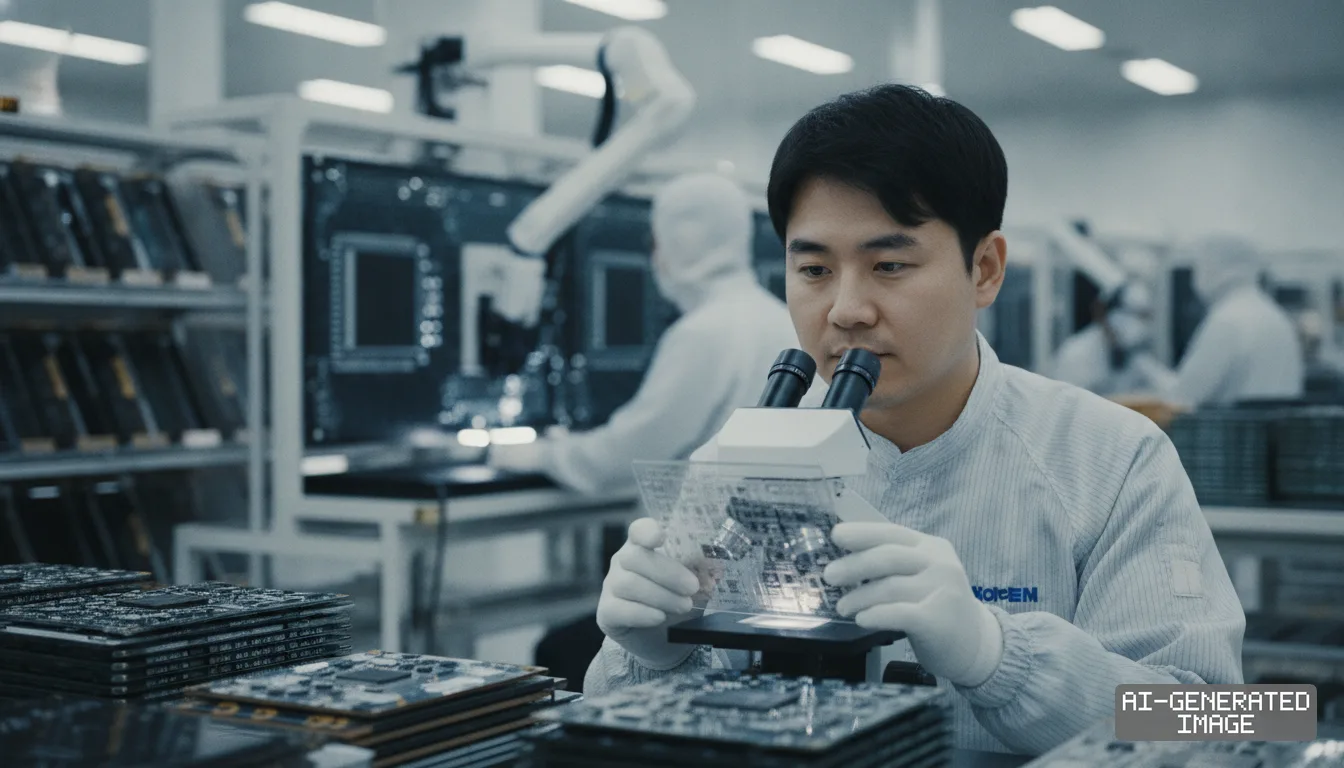
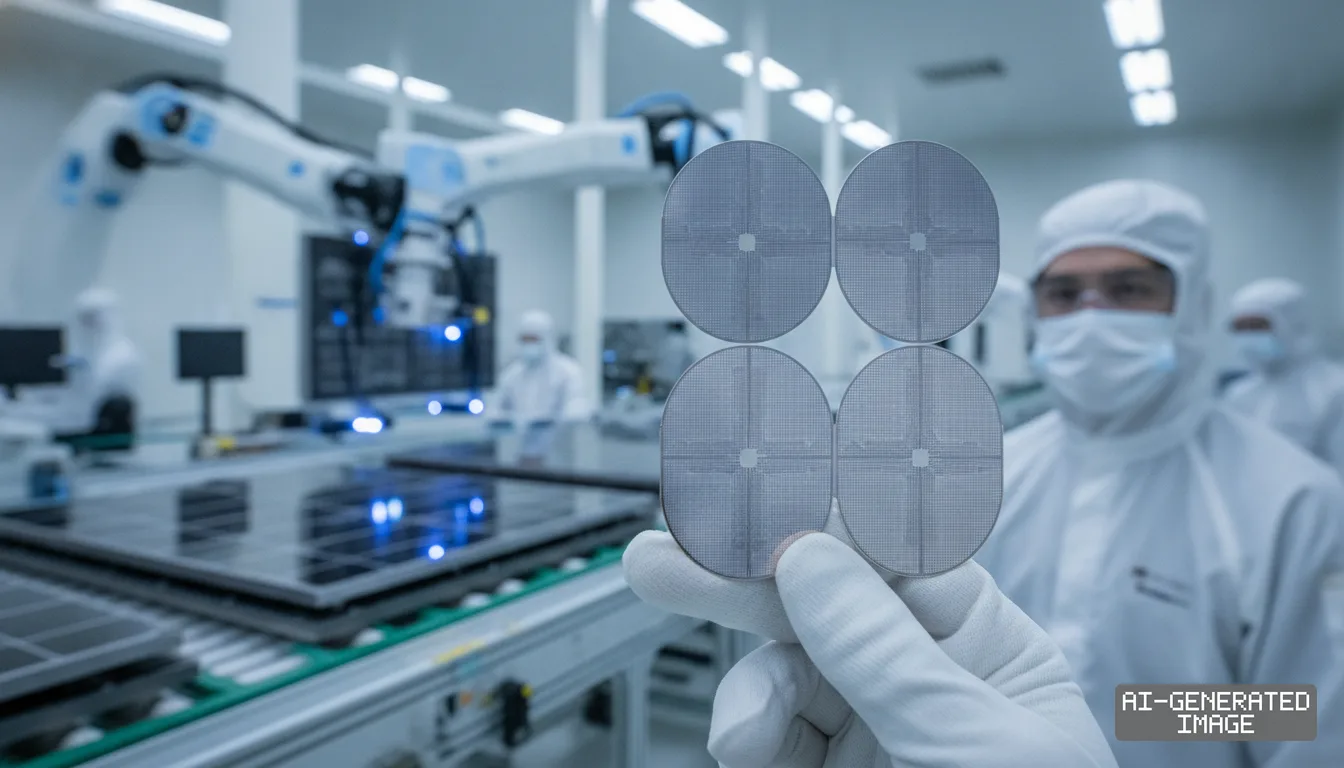
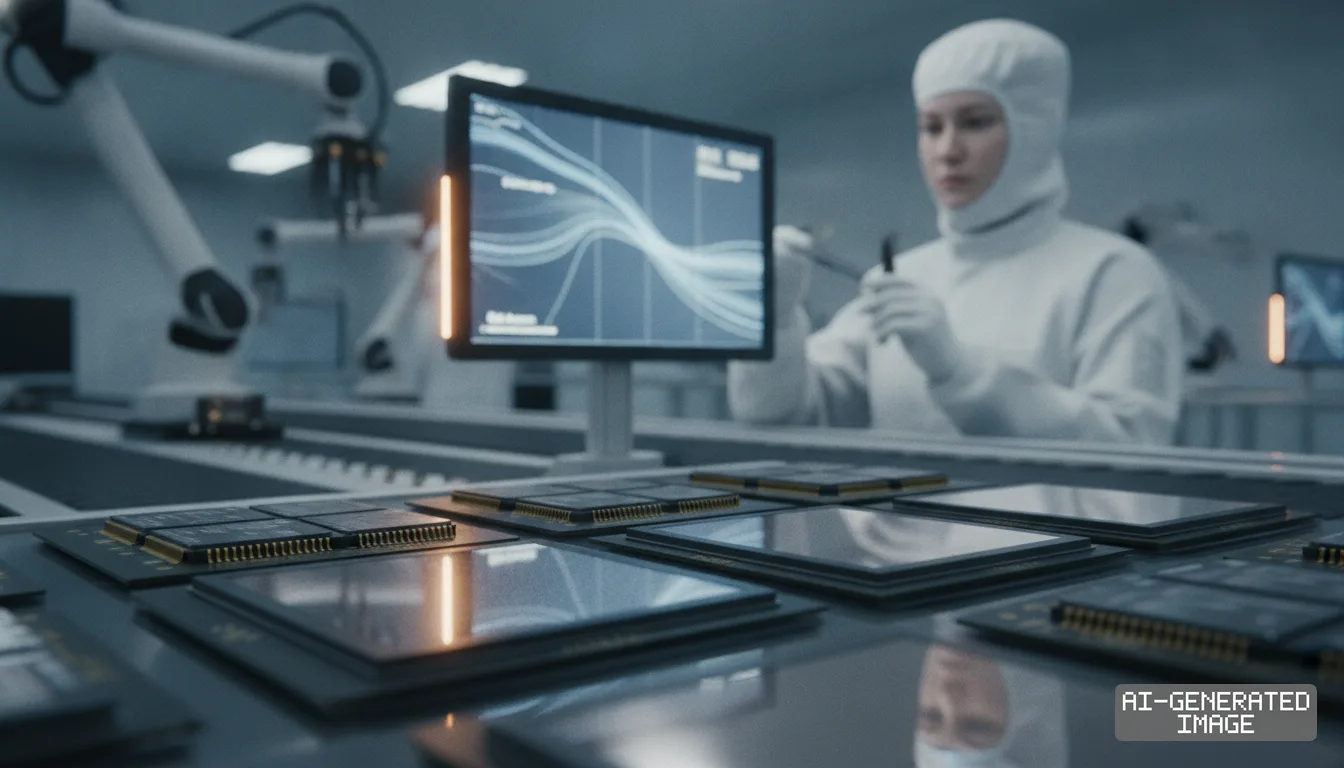
South Korea's Ministry of Science and ICT convened 24 semiconductor companies on Nov. 23 to address mounting procurement bottlenecks for high-bandwidth memory and advanced packaging substrates among domestic artificial intelligence startups.
The ministry, which coordinates national research and digital hardware policies, gathered five domestic neural processing unit designers alongside local affiliates of Nvidia, AMD and Intel at a closed briefing in Seoul.
The 24 attending companies comprise five dedicated neural processing unit developers and 19 supporting software and component suppliers, representing the core of South Korea's artificial intelligence hardware cohort.
The ministry has not published aggregate procurement figures or dollar shortages, but officials confirmed that small purchasing volumes leave domestic startups vulnerable to sudden component price increases.
Rapid data center expansion by international hyperscalers has absorbed top-tier supplies of High Bandwidth Memory, or HBM — dynamic random-access memory stacked vertically for rapid data transmission.
Low-power double data rate memory, known as LPDDR, and high-density packaging substrates face identical procurement crunches, domestic hardware executives said.
Small fabless firms confront steep price spikes and extended delivery queues, as component makers routinely prioritize high-volume contracts from multinational cloud providers over local startup orders.
Executives from domestic neural processing unit developers FuriosaAI, Rebellions, Hyperaccel, DeepX and Mobilint urged the ministry to help construct a coordinated domestic procurement channel with local memory and substrate makers.
Such an alliance would share forward supply and demand forecasts between domestic memory producers and local chip designers, preventing sudden component shortfalls during commercial production runs, participants said.
The procurement bottleneck arrives just as South Korean chip designers advance from experimental engineering samples to mass-production wafers for enterprise data centers and physical automation equipment.
Commercial deployment requires pairing custom accelerator silicon with high-speed memory and multi-layer package substrates, making downstream supply chain access a prerequisite for product deliveries.
Domestic chipmakers have also accelerated technical alignments with foreign computing platforms to integrate local accelerators into hybrid computing environments.
Rebellions has partnered with mobile carrier SK Telecom and Nvidia on systems utilizing NVLink Fusion, an interconnect protocol designed to link graphic processors with proprietary neural accelerators.
AMD signed cooperation agreements with FuriosaAI and data processing unit startup MangoBoost to construct open heterogeneous computing systems combining general-purpose central processors with specialized domestic chips.
Intel has separately launched the K-AI Full Stack Alliance across 23 South Korean hardware and software companies, seeking to combine processors, software libraries and server infrastructure.
Participants at the Seoul meeting emphasized that preliminary technical agreements cannot produce sustainable commercial revenue unless design firms secure physical access to basic memory stacks and substrates.
Startups told government officials that domestic verification projects require guaranteed component delivery schedules before commercial customers will commit to multi-year server contracts.
The session also brought together interconnect specialist Panmnesia, storage controller provider Fadu and artificial intelligence infrastructure startup Dinoticia to review broader server supply chains.
Software and deployment firms including Moreh AI, Nota AI, Lablup and Upstage attended alongside physical robotics startups, highlighting demand for integrated software and hardware stacks.
South Korea is home to the world's two largest memory producers, Samsung Electronics and SK hynix, yet domestic startups lack direct mechanisms to secure priority allocation from either supplier.
The notice does not state whether Samsung Electronics or SK hynix will set aside dedicated quotas of HBM wafers for local startups, and the ministry has not published any financial subsidy figures.
External regulatory risks also featured in the discussion, with company officials citing policy uncertainties following the United States midterm elections and shifting international data center investment trends.
Lee Do-gyu, head of the Office of Information and Communication Policy at the ministry, said the government will take active steps to ease supply bottlenecks for core parts and materials.
The ministry agreed on Nov. 23 to establish the industry consultation as a recurring official forum to monitor component availability and track commercialization progress across the sector.
Impact map
How this development propagates across the region and out to global buyers.
| Event | Korea | China | Japan | Global impact |
|---|---|---|---|---|
| AI chip component bottlenecks | FuriosaAI and Rebellions seek HBM allocation channels | No direct impact, domestic accelerators use isolated packaging pipelines | Package substrate and testing suppliers observe shifting startup demand | Hyperscaler priority orders continue to crowd out small-batch fabless buyers |
In this story
- Companies
- FuriosaAIRebellionsDeepXHyperaccelMobilint
- Exposed
- NvidiaAMDIntelSamsung ElectronicsSK hynixMangoBoostPanmnesia
- Impact
- Supply ChainPricing
Related briefings
- LG taps Samsung Foundry for appliance AI chips under Korean state project Also on HyperAccel, Mobilint, Samsung Electronics
- Montage and Panmnesia validate CXL 3.1 memory silicon with Samsung and SK hynix Also on Panmnesia, Intel, SK hynix
- South Korea reviews 260,000 Nvidia GPU deliveries after CEO exit Also on Rebellions, Nvidia, SK hynix
- Doosan Robotics picks DeepX NPU chips for on-device welding cobots Also on DEEPX, Mobilint
Sources
Primary documents
Reporting
Confidence: high — how we grade this
The documents behind this briefing are linked above. East Asia Brief produces its English text with AI assistance under human editorial review, and does not translate or republish other outlets' articles. See our methodology and AI policy. Spotted an error? Tell us.
The Morning Brief
What changed in Korean, Chinese and Japanese industry overnight — and what it means for your supply chain. One email, weekday mornings, US time. Free.
The Morning Brief is in preparation. Leave your address and we will write to you once — when the first issue is ready. Nothing before that.