LG taps Samsung Foundry for appliance AI chips under Korean state project
The 31 billion won development consortium marks a rare shift by LG away from TSMC as Seoul backs domestic edge processor supply chains.
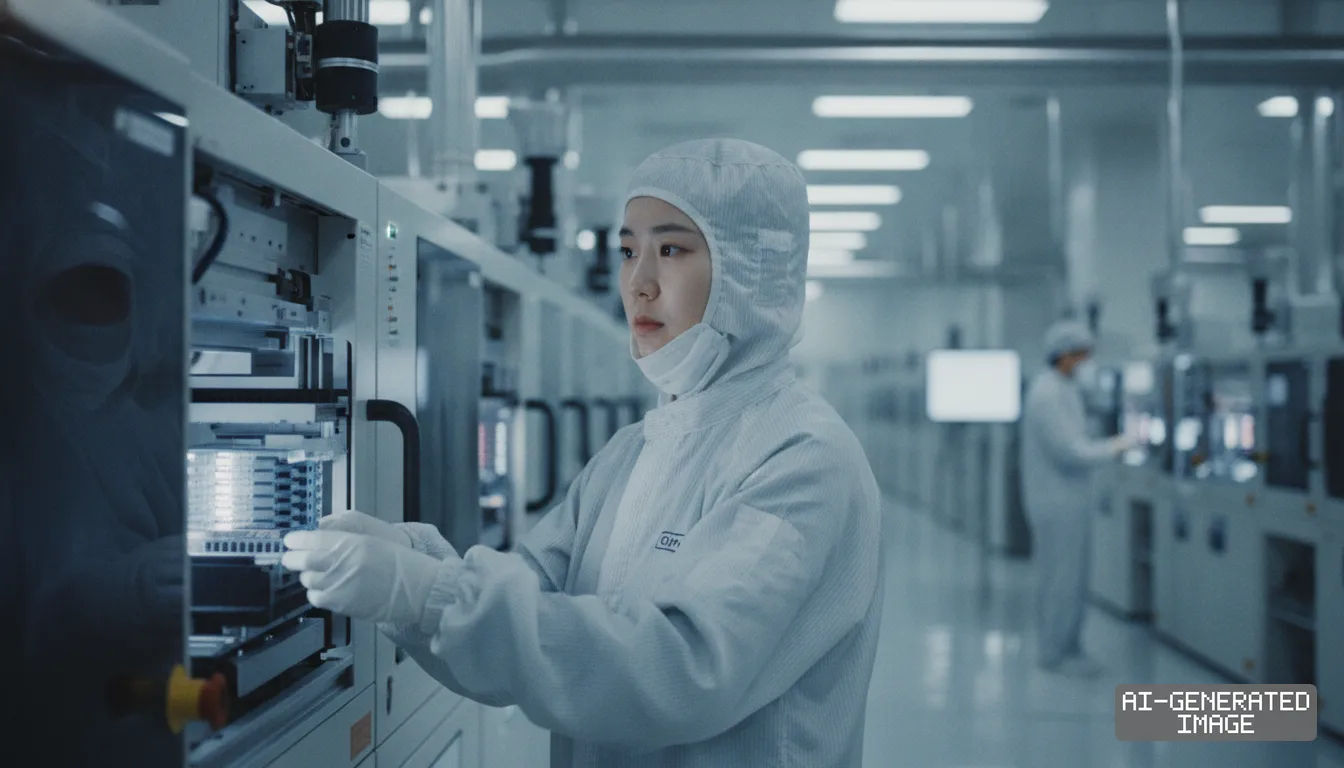
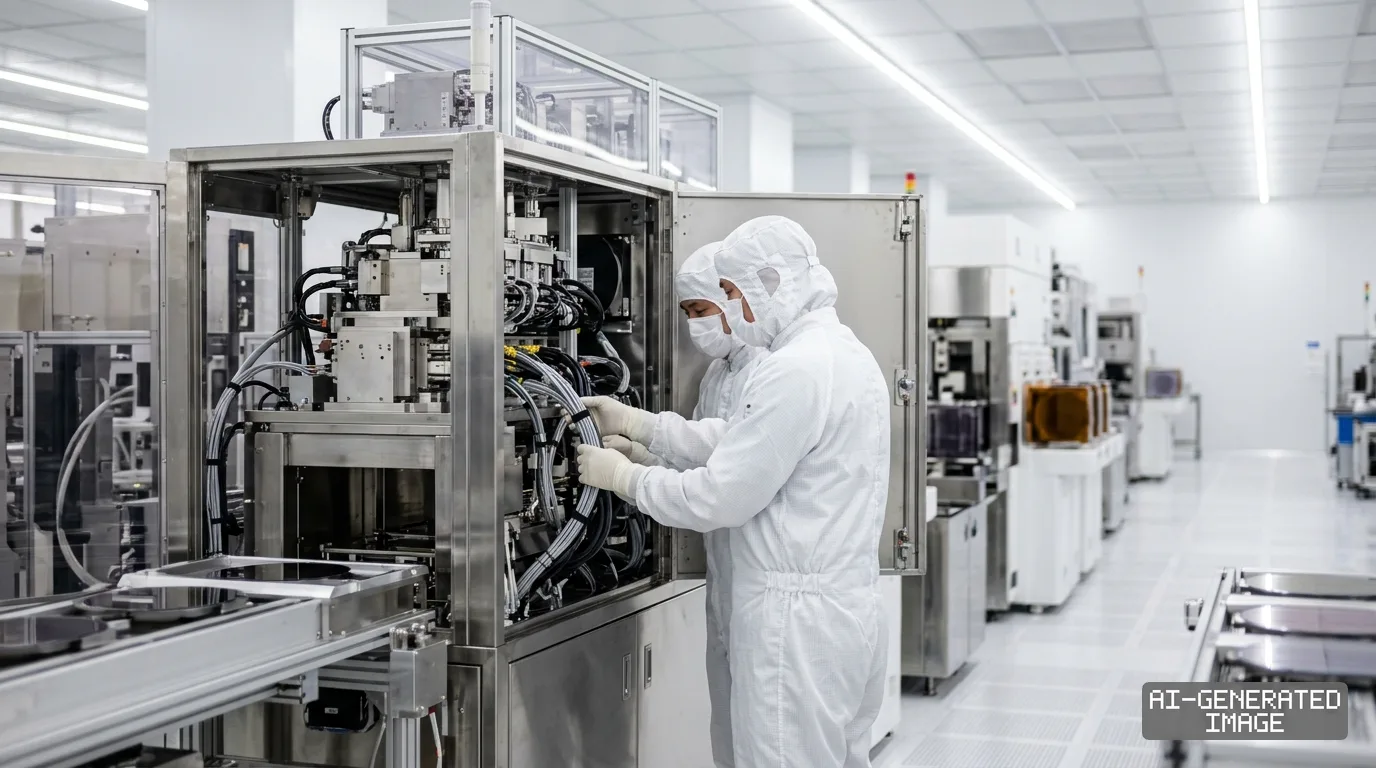
LG Electronics selected Samsung Foundry to fabricate on-device artificial intelligence chips for home appliances on Aug. 31, pivoting away from Taiwan Semiconductor Manufacturing Co. under a state-backed alliance.
The partnership operates under the K-On-Device AI Semiconductor Technology Development project managed by South Korea's Ministry of Trade, Industry and Energy. The dedicated home appliance project carries a total budget of 31 billion won ($23 million) through December 2030.
South Korean chip design house CoAsia SEMI disclosed the agreement on Aug. 31, confirming it will design two ultra-low-power Internet of Things system-on-chips for LG. CoAsia NEXELL, an affiliated fabless design company within CoAsia Group, will support design-for-manufacturing optimization.
LG serves as the demand-side anchor customer, defining chip specifications and setting the development roadmap. The processors are engineered for next-generation smart home appliances requiring continuous sensing capabilities while maintaining ultra-low electric current consumption.
Samsung Foundry will manufacture both system-on-chips once physical layout and design verification are complete. The participating entities have not publicly disclosed the exact nanometer process node assigned to the fabrication run at Samsung facilities.
The contract marks a notable operational shift for LG, which has historically relied on Taiwan Semiconductor Manufacturing Co. (TSMC) for custom appliance silicon. LG previously contracted TSMC to produce its proprietary 28-nanometer DQ-C appliance chips as well as six-nanometer processing units.
The contract forms part of a larger 800 billion won national program overseen by the trade ministry to localize edge computing semiconductors across core manufacturing sectors. The government blueprint finances dedicated processor development for smart appliances, autonomous mobility, robotics and defense equipment through 2030.
The residential appliance consortium brings together specialized software and semiconductor research organizations. AI processor startup Mobilint, accelerator developer HyperAccel, Sogang University and the Korea Electronics Technology Institute participate alongside LG and CoAsia SEMI.
Mobilint secured multiple design tasks under the national framework, supplying neural processor intellectual property for appliance and robotics projects. HyperAccel contributes specialized computing architecture designed to process generative algorithms locally on resource-constrained consumer hardware.
Parallel consortia are advancing edge silicon development across other South Korean industrial groups under the same state initiative. Hyundai Motor directs automotive processing projects, Doosan Robotics oversees collaborative robotics hardware, Daedong leads agricultural machinery systems and Korea Aerospace Industries manages defense-grade components.
On-device AI executes machine learning workloads directly on local hardware without transferring information to external cloud computing facilities. This structure eliminates latency in device response, strengthens residential data privacy and reduces recurring server communication costs for hardware manufacturers.
Smart appliances require system chips capable of always-on sensing — continuous monitoring of acoustic, visual and environmental signals — without causing excessive thermal dissipation or parasitic power draw. Developing optimized domestic silicon enables LG to integrate localized decision-making models into mass-market home devices.
CoAsia SEMI serves as a designated Design Solution Partner for Samsung Foundry, providing turnkey integration from architectural modeling to mass fabrication. The company has historically focused on high-performance computing, artificial intelligence accelerators and automotive silicon platforms for international customers.
The agreement expands CoAsia's design pipeline into consumer IoT platforms while securing a multi-year development commitment from South Korea's largest home appliance producer. The engineering team will manage logic synthesis, physical design verification and packaging preparation.
Partnering with Samsung Foundry gives LG geographical proximity to manufacturing lines and simplifies supply chain logistics during multi-year development phases. For Samsung, securing LG's appliance silicon volume adds an established consumer goods customer to its domestic foundry client base.
The domestic manufacturing arrangement also hedges against potential cross-border fab supply constraints and overseas foundry allocation bottlenecks. Korean trade officials have prioritized establishing domestic supply chains that connect domestic end-users directly with local design houses and foundries.
Global consumer appliance makers are accelerating transitions toward specialized edge silicon to replace standard microcontrollers with dedicated neural processing cores. Proprietary system chips allow manufacturers to deploy vision models, predictive maintenance routines and voice processing directly within home appliances.
The government-backed research and development program officially commenced in July 2026 and will continue for 54 months. The consortium plans to complete chip tape-outs, validate operational test vehicles and finalize manufacturing yields ahead of scheduled commercial implementation in December 2030.
Impact map
How this development propagates across the region and out to global buyers.
| Event | Korea | China | Japan | Global impact |
|---|---|---|---|---|
| Appliance AI SoC project | foundry orders localized | smart appliance competition | sensor component demand | TSMC consumer share edge |
In this story
- Companies
- LG ElectronicsSamsung ElectronicsCoAsia
- Tickers
- 066570.KS005930.KS045970.KQ
- Exposed
- TSMCMobilintHyperAccelDoosan RoboticsHyundai MotorDaedongKorea Aerospace Industries
- Policy
- SubsidiesIndustrial Policy
- Impact
- Supply ChainOrder BookCapex
Track every Subsidies development → Track every Industrial Policy development →
Related briefings
- Mobilint tests robot AI chips with Doosan to curb Nvidia costs Also on Daedong, Mobilint, LG Electronics
- Doosan Robotics shifts sales focus to auto and chip plants Also on Mobilint, Doosan Robotics, Order Book
- Doosan Robotics picks DeepX NPU chips for on-device welding cobots Also on Mobilint, Doosan Robotics, Order Book
- South Korea battery pack makers standardize cell-to-pack designs for rural utility machinery Also on Daedong, Subsidies
Sources
Primary documents
Reporting
Confidence: high — how we grade this
The documents behind this briefing are linked above. East Asia Brief produces its English text with AI assistance under human editorial review, and does not translate or republish other outlets' articles. See our methodology and AI policy. Spotted an error? Tell us.
The Morning Brief
What changed in Korean, Chinese and Japanese industry overnight — and what it means for your supply chain. One email, weekday mornings, US time. Free.
The Morning Brief is in preparation. Leave your address and we will write to you once — when the first issue is ready. Nothing before that.