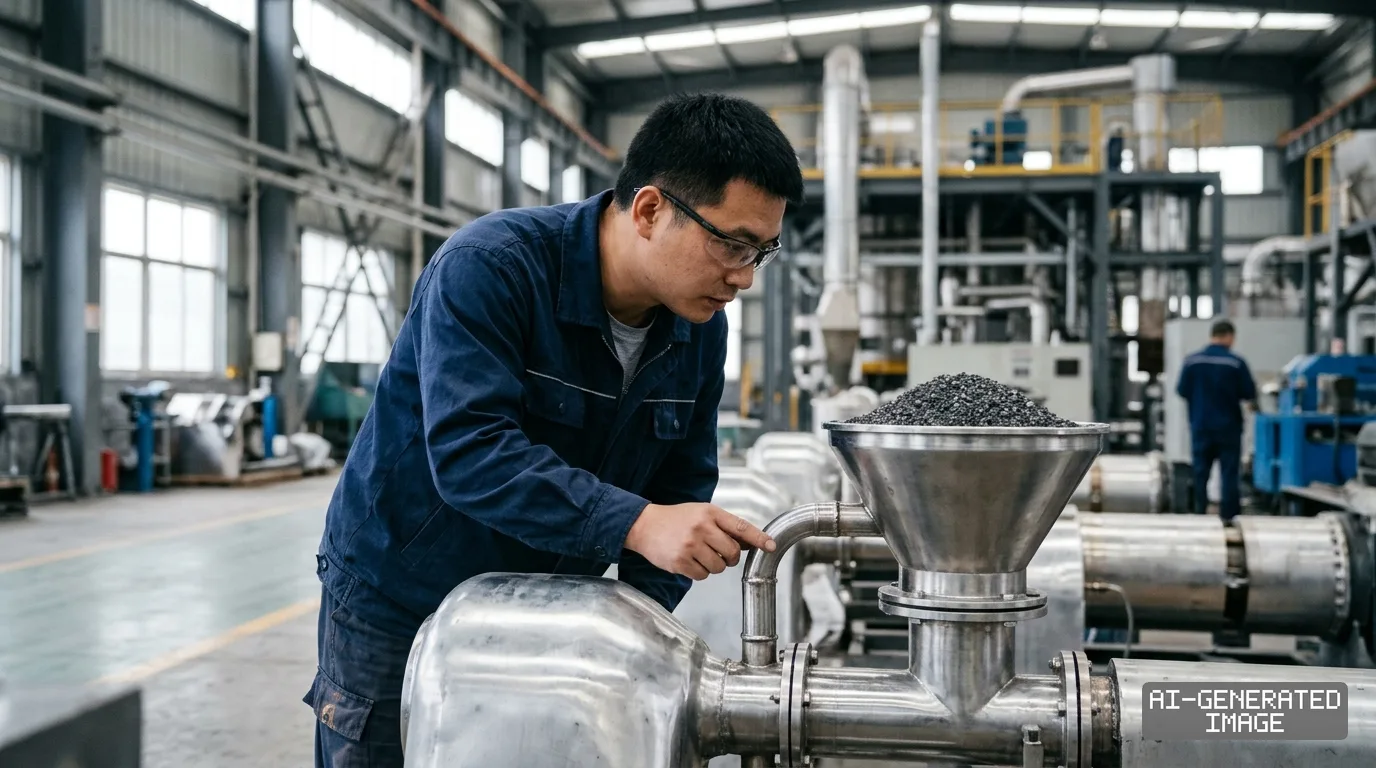
Samsung and SK hynix tighten memory fab protocols against tech leaks
South Korea's memory makers added mandatory compliance sessions to protect extreme ultraviolet and packaging recipes across production lines.
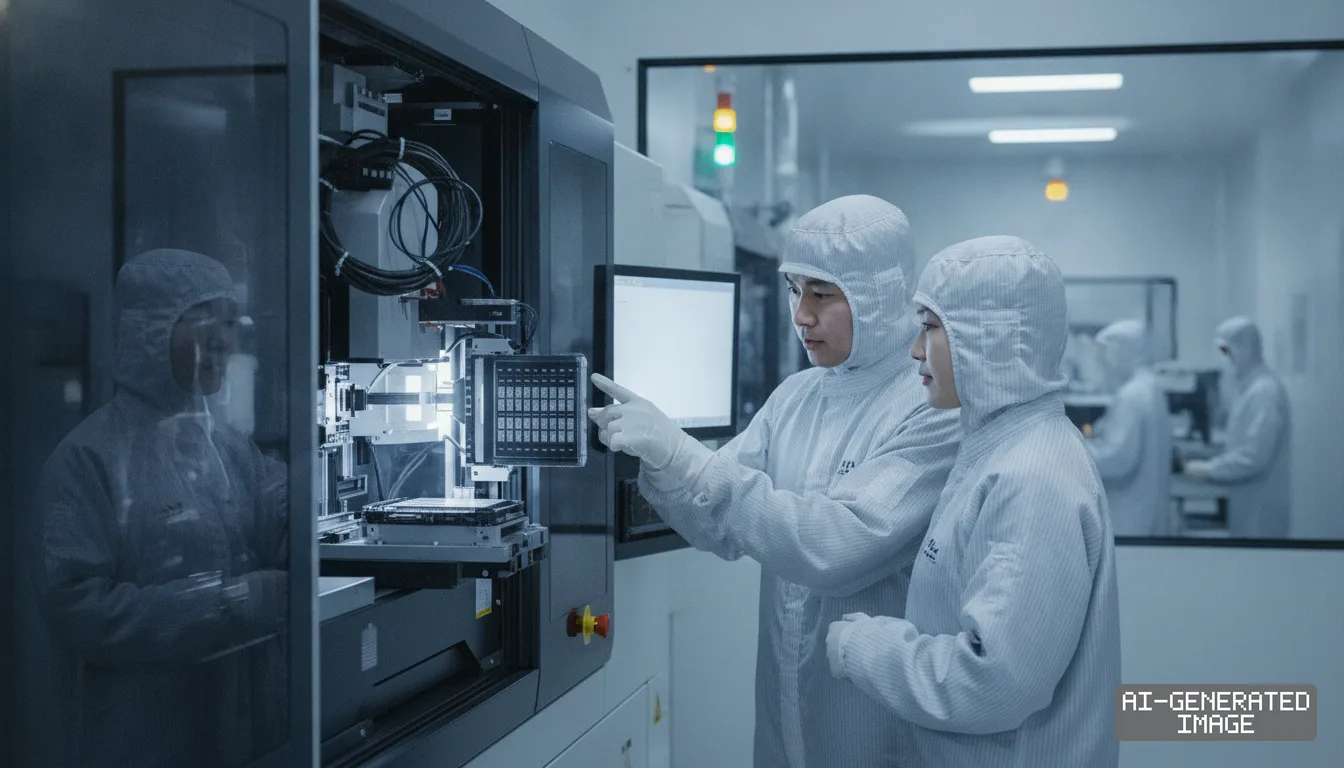
Samsung Electronics and SK hynix moved on Nov. 12 to enforce tightened internal security classifications and mandatory employee compliance sessions across their advanced fabrication lines.
The measures target core memory architectures, including extreme ultraviolet lithography recipes and high-bandwidth memory packaging configurations. Both chipmakers aim to seal proprietary process flows against industrial poaching.
The 18-nanometer DRAM manufacturing recipe at the center of a recent technology theft trial cost Samsung Electronics 1.6 trillion won ($1.16 billion) to develop over five years. The leaked recipe comprises roughly 600 distinct process steps.
That intellectual property represents one of 79 state-designated National Core Technologies overseen by South Korea's Ministry of Trade, Industry and Energy. The loss of such specifications inflicts immediate commercial and national damage.
Neither Samsung Electronics nor SK hynix published a formal registry notice or regulatory filing on Nov. 12 detailing specific internal security tier thresholds. Company representatives routinely handle internal facility security classifications without public disclosure.
The corporate security review follows the full implementation of the revised Act on Prevention of Divulgence and Protection of Industrial Technology, which took effect in July 2025. The statute amended 19 statutory articles.
Under the amended law, institutions that possess National Core Technologies must register formally with the ministry. The government gained statutory authority to order administrative corrections and levy financial penalties on non-compliant facilities.
The Ministry of Trade, Industry and Energy expanded its on-site security inspections to audit corporate access protocols. The ministry surveyed only 13 firms in 2022 before expanding inspections to 35 entities in 2023.
Court records demonstrate the scale of competitive exposure facing Korean memory lines. In April 2026, the Seoul Central District Court sentenced a former Samsung engineer to seven years in prison for illicitly transferring DRAM process recipes.
The recipient, Chinese memory manufacturer ChangXin Memory Technologies, used former Korean engineering staff to accelerate its domestic manufacturing roadmap. ChangXin Memory Technologies reached a 10% share of global DRAM revenue in the second quarter of 2026.
Prosecutors documented that the illicitly transferred process recipe plan contained equipment models, temperature parameters and chemical etching thresholds. Such parameters allow rival fabrication plants to compress years of trial runs into weeks.
SK hynix faces similar perimeter challenges across its supply chain. The company conducted industrial technology protection training for 81 supplier firms at its Icheon campus to prevent indirect data leaks through component vendors.
The supplier audits mirror broader compliance mandates across the memory industry. Equipment vendors and materials contractors now face contractual data isolation rules when servicing extreme ultraviolet scanners and deposition tools.
Separately, SK hynix obtained Safety Integrity Level 3 certification under the IEC 61508 standard on Nov. 11 for its mobile LPDDR5X DRAM. The rating certifies continuous operation without shutoff for industrial robotics.
The company also secured ISO/SAE 21434 automotive cybersecurity process certification on the same date. Both certifications require verifiable supply-chain data management to guard against firmware manipulation and technical data breaches.
The Ministry of Trade, Industry and Energy plans to conclude its field relay inspections of National Core Technology holders before Dec. 31. The ministry will review additional export licensing guidelines in early 2027.
Impact map
How this development propagates across the region and out to global buyers.
| Event | Korea | China | Japan | Global impact |
|---|---|---|---|---|
| Korea semiconductor tech protection | Samsung and SK hynix seal 79 national core tech files under revised act | CXMT faces tighter talent fences after reaching 10% DRAM share | Tokyo Electron and tool vendors navigate stricter supplier data isolation rules | Memory supply chain absorbs compliance costs to protect proprietary process recipes |
| Korea semiconductor tech protection | Samsung and SK hynix seal 79 national core tech files under revised act | CXMT faces tighter talent fences after reaching 10% DRAM share | Tokyo Electron and tool vendors navigate stricter supplier data isolation rules | Memory supply chain absorbs compliance costs to protect proprietary process recipes |
In this story
- Companies
- Samsung ElectronicsSK hynix
- Tickers
- 005930.KS000660.KS
- Exposed
- ChangXin Memory Technologies
- Impact
- ComplianceSupply Chain
Related briefings
- US push to blacklist CXMT heightens export risks for Korean memory Also on ChangXin Memory Technologies, SK hynix, Samsung Electronics
- Korean HBM skirts US export curbs disguised on server boards Also on ChangXin Memory Technologies, SK hynix, Samsung Electronics
- CXMT Hired 27 Samsung and SK hynix Engineers for DRAM Fabs Also on ChangXin Memory Technologies, SK hynix, Samsung Electronics
- CXMT starts pilot HBM3E production as China accelerates AI chip self-reliance Also on ChangXin Memory Technologies, SK hynix, Samsung Electronics
Sources
Primary documents
Reporting
Confidence: high — how we grade this
The documents behind this briefing are linked above. East Asia Brief produces its English text with AI assistance under human editorial review, and does not translate or republish other outlets' articles. See our methodology and AI policy. Spotted an error? Tell us.
The Morning Brief
What changed in Korean, Chinese and Japanese industry overnight — and what it means for your supply chain. One email, weekday mornings, US time. Free.
The Morning Brief is in preparation. Leave your address and we will write to you once — when the first issue is ready. Nothing before that.