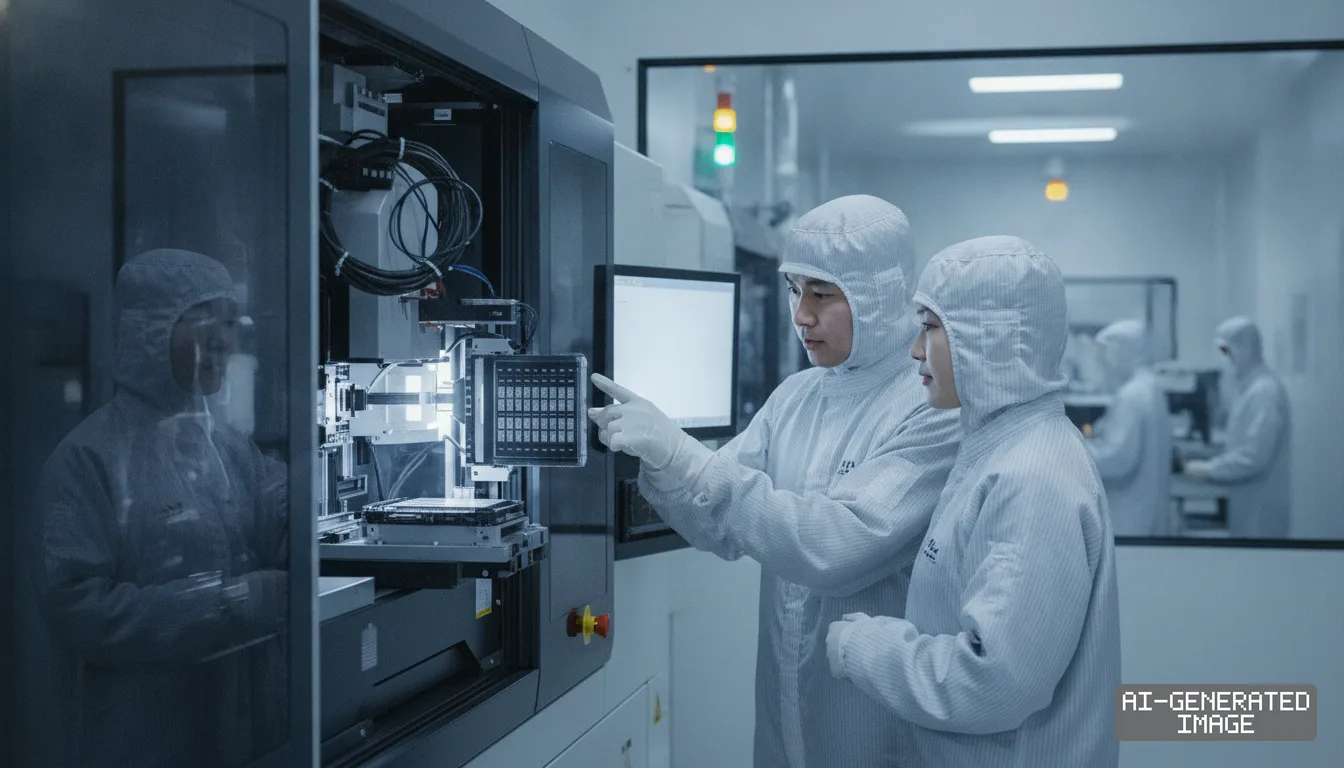
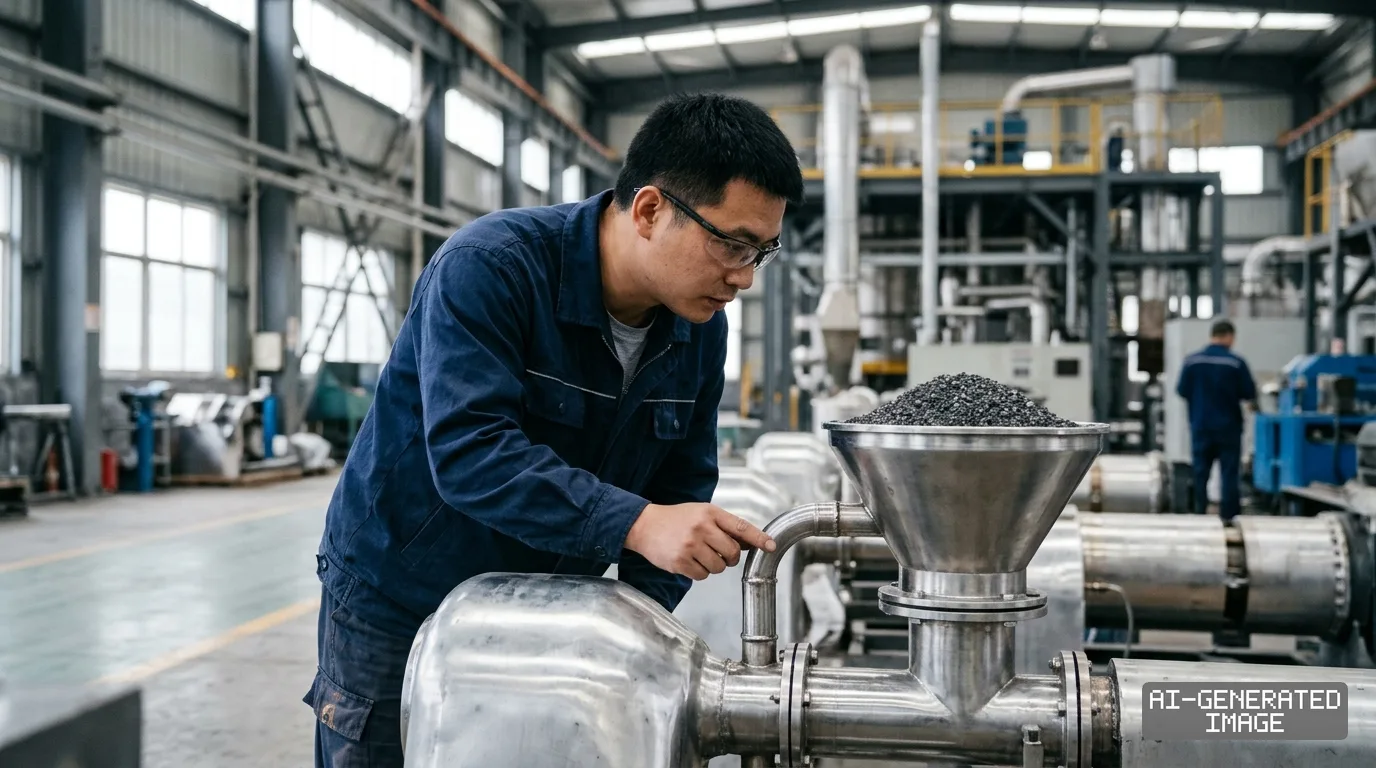
METI prepares emergency buyout rules for aging industrial plants
Deliberations launched Nov. 12 target sole-source chemical and casting suppliers facing cash shortfalls to prevent reliance on foreign manufacturers.
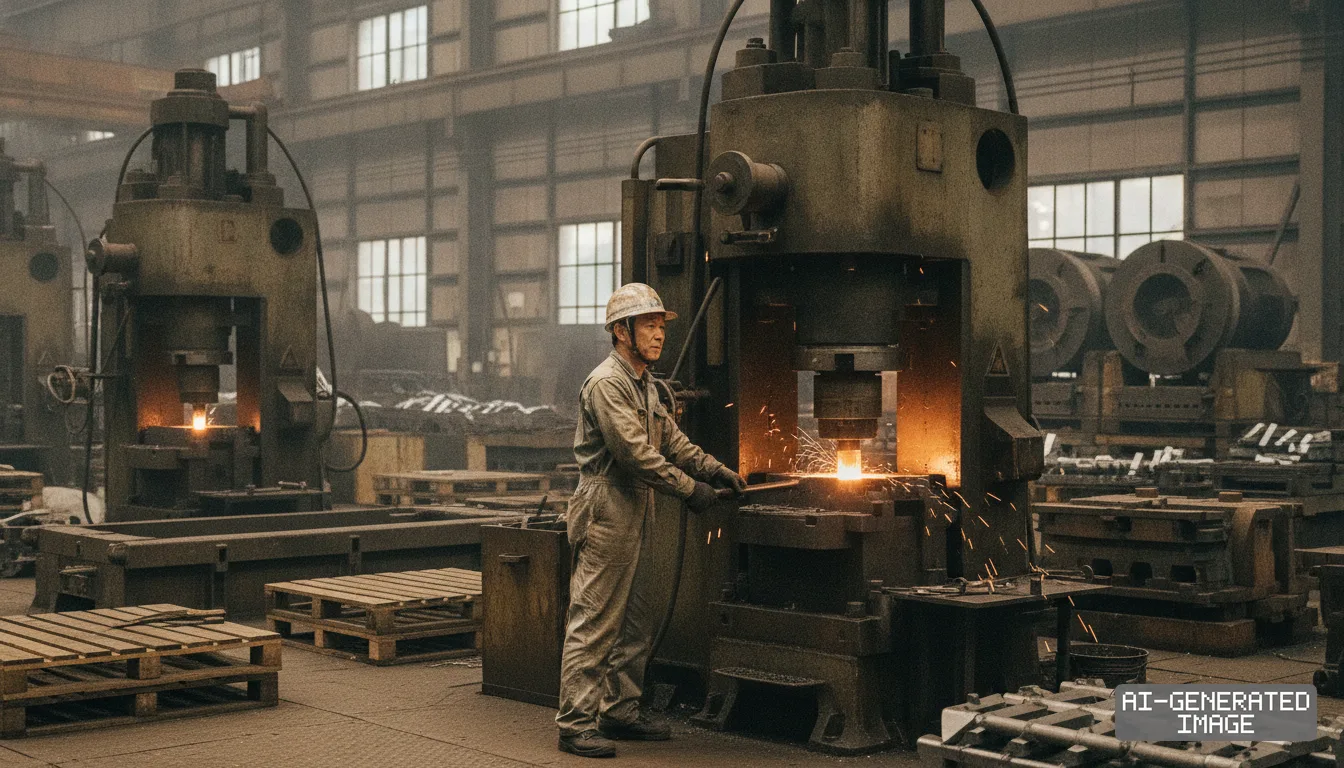
Japan's Ministry of Economy, Trade and Industry began deliberations Nov. 12, 2026, on a legal framework to temporarily nationalize aging factories producing essential chemicals and industrial casting parts.
The policy targets sole-source domestic suppliers that face severe cash shortfalls, preventing plant closures that would force domestic manufacturers into complete reliance on overseas producers.
The ministry has not published an aggregate budget ceiling for the proposed acquisitions, but officials stated the intervention will apply strictly to sole domestic producers facing imminent insolvency.
Under the draft proposal discussed at an expert advisory panel on economic security, state-backed incorporated administrative agencies will purchase the aging production facilities directly.
The government will fund needed capital repairs and plant overhauls using public money, the ministry said.
Day-to-day operations and manufacturing will remain contracted out to the original private owners to retain technical personnel and operating know-how.
Once operations stabilize and balance sheets recover, the state will transfer or resell the refurbished production assets back to private operators.
Japanese industrial planners are seeking to counter vulnerabilities created by Chinese export restrictions on strategic dual-use materials and upstream industrial feedstocks.
In basic petrochemicals and specialized foundry work, Japanese companies often depend on single, decades-old domestic units where replacement capital costs exceed projected commercial returns.
Japanese ethylene cracker operating rates have hovered below 85% for more than two consecutive years, squeezing margins across basic chemical lines.
Those depressed margins have caused chemical majors, including Mitsubishi Chemical and Mitsui Chemicals, to consolidate naphtha crackers and exit commodity olefin derivatives.
A sudden shutdown of a sole-source domestic supplier of basic input chemicals or heavy industrial castings threatens assembly lines across automotive, defense and semiconductor equipment sectors.
Japan's existing Economic Security Promotion Act, enacted in 2022, already permits emergency state acquisition of critical assets during acute supply crises.
However, existing statutory tools do not establish an administrative pathway for long-term state maintenance of unviable legacy plants during peacetime.
The new framework formalizes state ownership as an industrial safety net before an outright corporate default cuts domestic supplies.
State intervention will carry strict qualifying hurdles to limit distortion in private commercial markets, the advisory panel stated.
The government will step in only when a plant closure creates an immediate risk of a domestic supply cutoff and alternative procurement sources do not exist.
State-funded overhauls will focus on core machinery renewals, pollution controls and structural safety retrofits that private operators cannot self-finance.
The ministry plans to incorporate the temporary nationalization mechanism into the revised Action Plan to Strengthen Industrial and Technological Basis for Economic Security in spring 2027.
Following that policy revision, Prime Minister Shigeru Ishiba's administration intends to submit statutory amendments to the Diet to update the Economic Security Promotion Act.
The advisory panel documents do not state which incorporated administrative agency will execute the asset acquisitions, and the ministry has not published the list of candidate plants or targeted product codes.
The advisory council will draft formal qualification criteria and asset-valuation formulas ahead of inter-agency reviews scheduled for early 2027.
Impact map
How this development propagates across the region and out to global buyers.
| Event | Korea | China | Japan | Global impact |
|---|---|---|---|---|
| Japan plant nationalization plan | South Korean petrochem refiners see less spillover risk from Japanese plant shutdowns | Beijing retains leverage over dual-use export items as Tokyo builds domestic backstops | METI prepares state buyouts and public refurbishment for vulnerable basic materials units | Industrial buyers gain predictability on sole-source Japanese specialty inputs |
In this story
- Companies
- Mitsubishi ChemicalMitsui Chemicals
- Tickers
- 4188.T4183.T
- Policy
- Subsidies
- Impact
- Supply ChainCapexCost Structure
Track every Subsidies development →
Related briefings
- China Tightens Dual-Use Graphite Export Licensing for Anode Supply Chains Also on Mitsubishi Chemical, Cost Structure
- EUV Materials Suppliers in Korea and Japan Advance High-Power CNT Pellicle Mass Testing Also on Mitsui Chemicals, Subsidies, Cost Structure
- Mitsui Chemicals buys chip materials maker JSR for $11.6 billion Also on Mitsui Chemicals
- Japan state fund JIC weighs selling JSR to Mitsui for $8.2B Also on Mitsui Chemicals
Sources
Primary documents
Reporting
Confidence: high — how we grade this
The documents behind this briefing are linked above. East Asia Brief produces its English text with AI assistance under human editorial review, and does not translate or republish other outlets' articles. See our methodology and AI policy. Spotted an error? Tell us.
The Morning Brief
What changed in Korean, Chinese and Japanese industry overnight — and what it means for your supply chain. One email, weekday mornings, US time. Free.
The Morning Brief is in preparation. Leave your address and we will write to you once — when the first issue is ready. Nothing before that.