Korean HBM skirts US export curbs disguised on server boards
Traders strip memory modules from imported assemblies to supply Huawei AI chips, exposing gaps in rules that measure processor power rather than bandwidth.
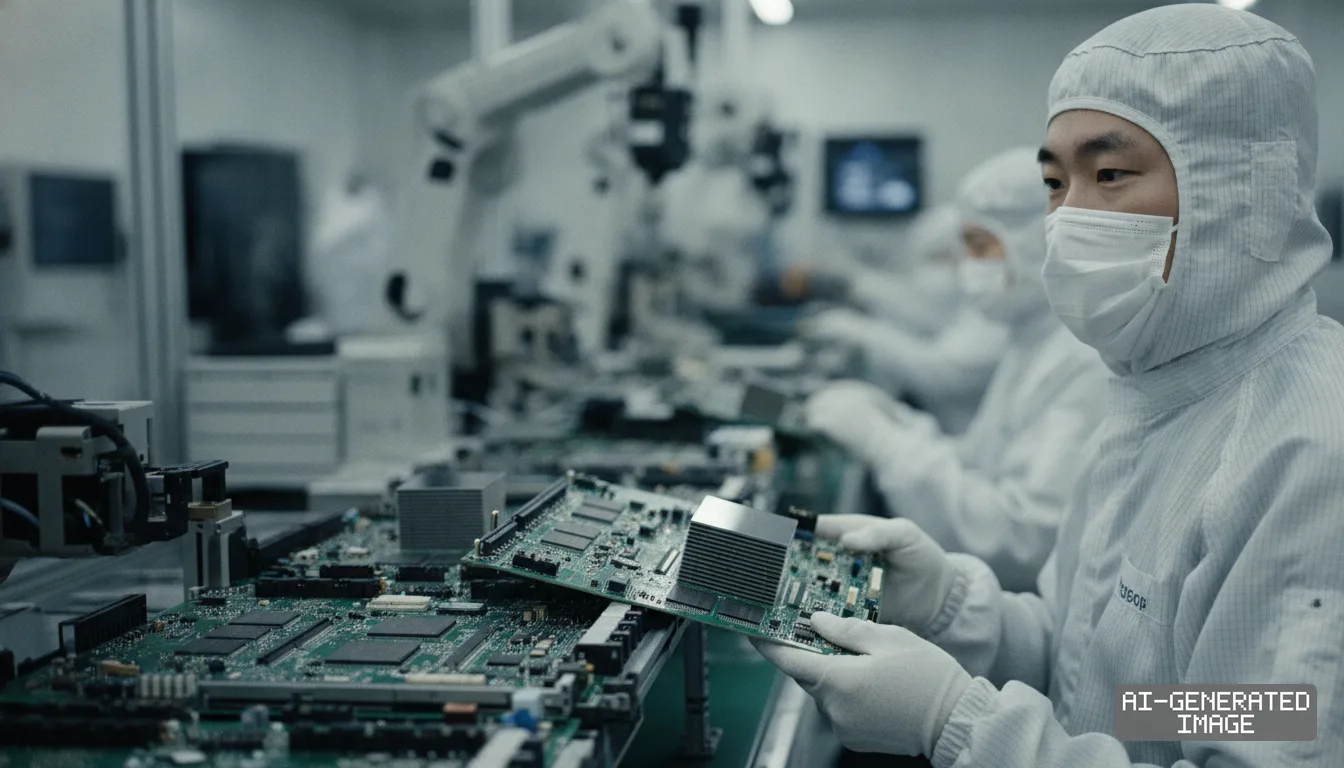
South Korean memory makers Samsung Electronics and SK hynix faced renewed export-control scrutiny Nov. 3 after reports exposed intermediaries smuggling high-bandwidth memory chips into China mounted on low-end server boards.
The illicit trade exploits a regulatory classification gap in controls implemented by the U.S. Bureau of Industry and Security. Under current rules, hybrid package thresholds depend on processor computing power rather than memory density.
On mainland secondary markets, salvaged HBM3E memory stacks command up to $4,000 each, an 800% premium over standard enterprise contract rates, according to an investigation by The Information.
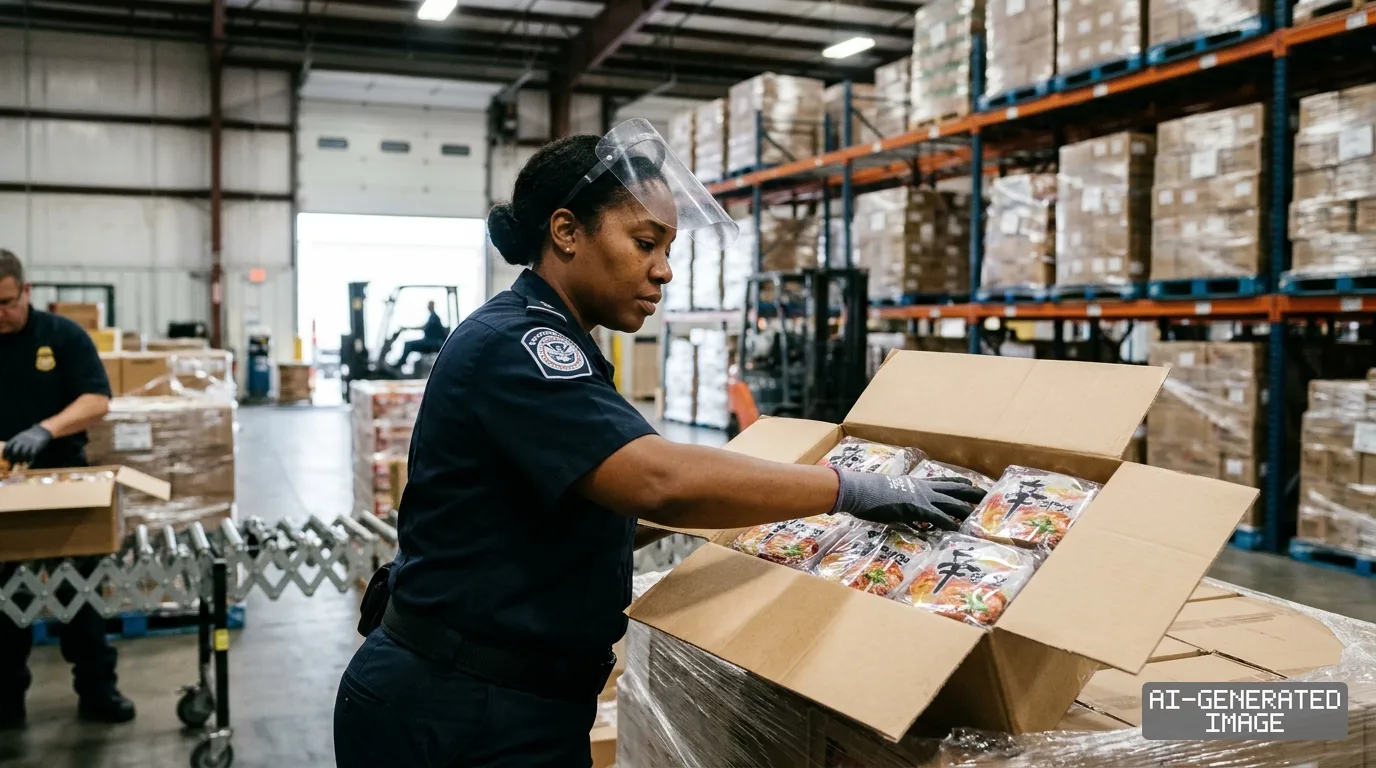
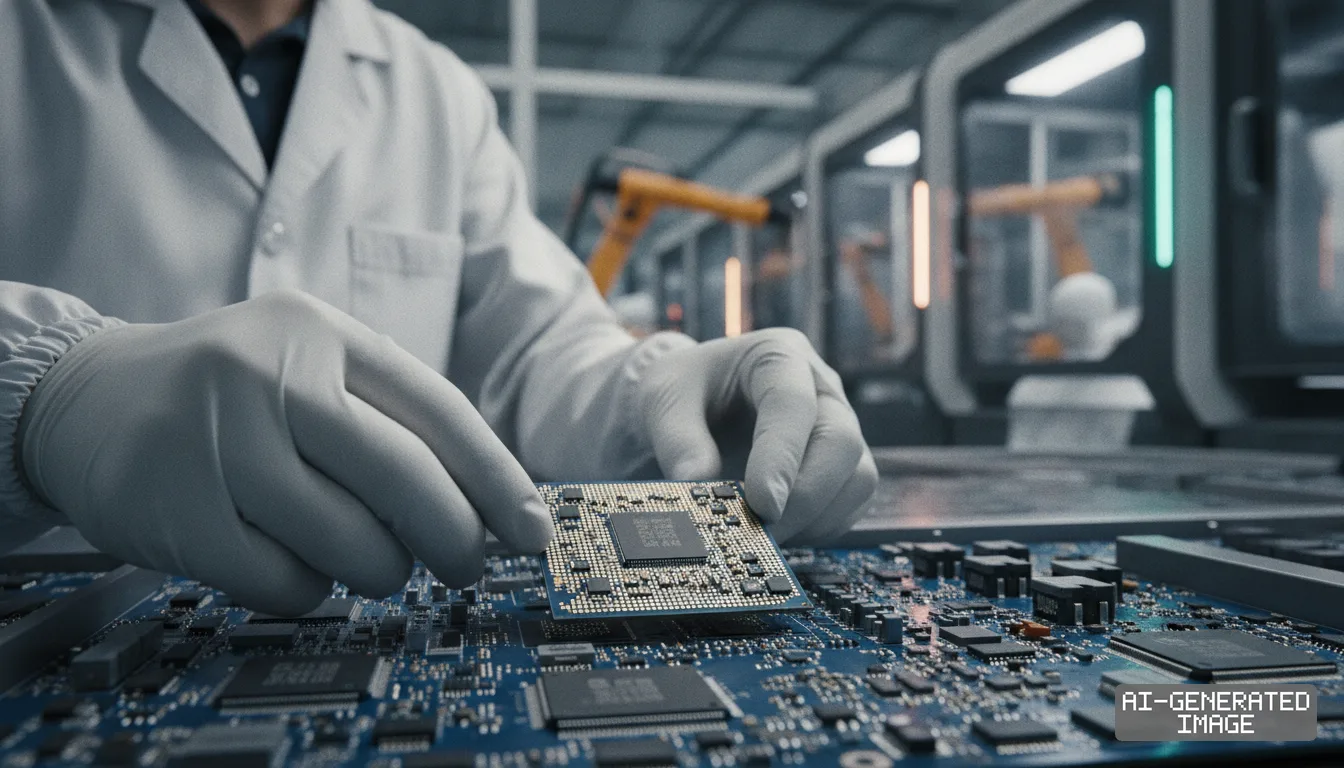
Smuggling networks bypass border checks by bonding advanced memory modules onto circuit boards alongside cheap central processing units. Exporters classify the entire unit as a low-performance server component to clear export customs.
The U.S. Department of Commerce tightened controls on Dec. 2, 2024, restricting memory chips with bandwidth densities exceeding 2 gigabytes per second per square millimeter. That rule covered all high-bandwidth memory currently produced.
However, the framework exempted memory integrated with logic processors that fell below specified computational thresholds. Smugglers capitalized on that carve-out by pairing advanced stacks with obsolete silicon that draws minimal regulatory scrutiny from Washington.
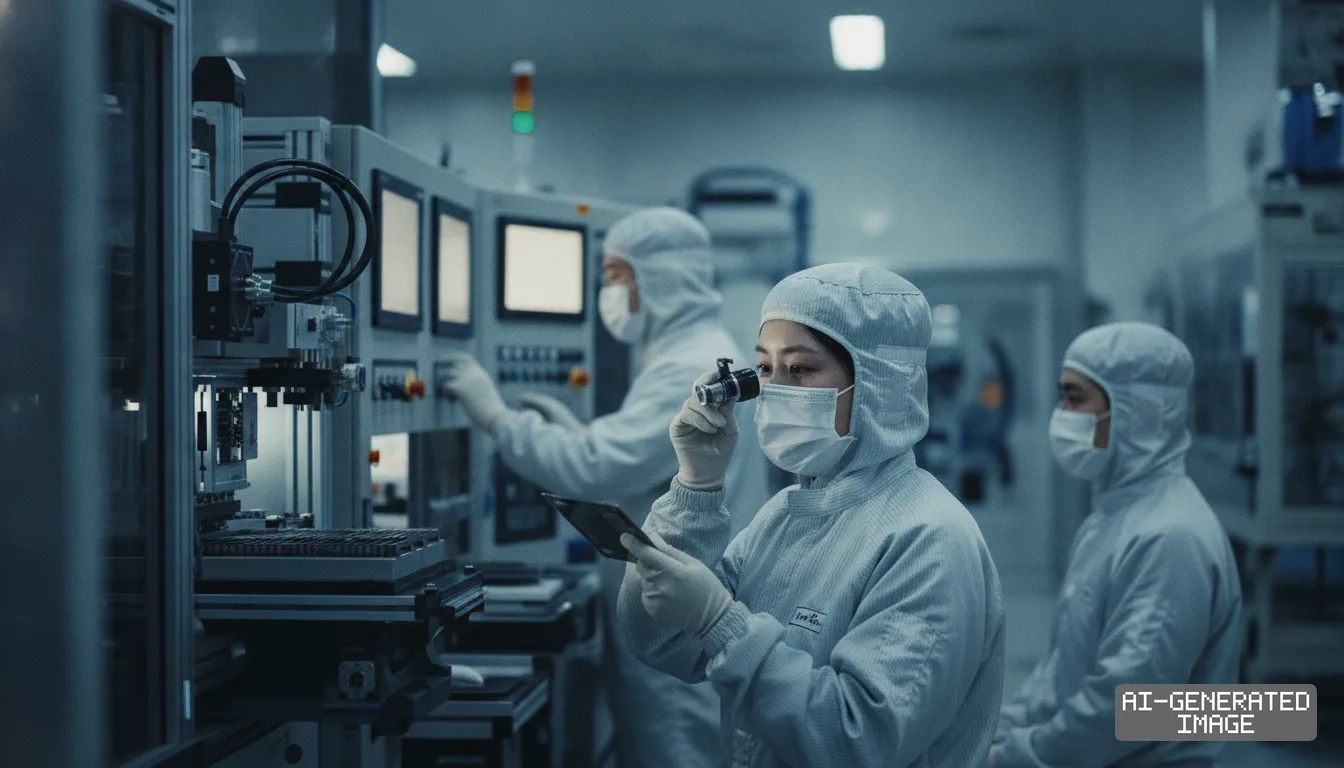
After cargo clears mainland ports, technicians at domestic workshops heat the circuit boards to melt the solder connecting the chips. Workers peel off the high-bandwidth memory stacks and scrap the underlying server host processors.
The thermal extraction involves substantial technical risk. Applying excess heat or prolonged exposure causes the thin silicon dies within the high-bandwidth stack to warp or crack, destroying the underlying micro-bump connections.
Despite high failure rates, brokers absorb the scrap loss because Chinese buyers pay immense premiums. Domestic artificial intelligence firms face severe hardware shortages under United States sanctions that block direct frontier semiconductor shipments.
Huawei Technologies has notified select customers that its next-generation artificial intelligence processor, the Ascend 960DT, will rely heavily on South Korean high-bandwidth memory, people familiar with the matter said.
Huawei unveiled the Ascend 960DT design on Sept. 17, 2026, boasting 288 gigabytes of memory capacity and 9.6 terabytes per second of bandwidth, roughly double the throughput of previous Chinese domestic chips.
Because Huawei cannot purchase memory directly from Seoul due to American blacklist designations, corporate partners and domestic buyers turned to third-party intermediaries across southern China to secure functional stacks.
SK hynix, which controls roughly 50% of the global high-bandwidth memory market, said Nov. 3 that it strictly complies with export regulations and has no commercial relationship with Huawei.
The memory producer emphasized that it operates thorough end-user screening protocols. Both SK hynix and Samsung Electronics require international distributors to verify that purchased memory products will not enter restricted Chinese technology channels.
Samsung Electronics, which holds approximately 40% of global DRAM supply, faces similar diversion risks. Secondary brokers frequently purchase standard commercial inventory through Southeast Asian trading hubs before redirecting components eastward.
Brokers in Shenzhen and Hong Kong operate shell corporations to acquire components. These entities purchase standard server hardware from overseas systems integrators, disguising the ultimate destination before moving hardware across the border.
The discovery highlights enforcement blind spots for the Bureau of Industry and Security. Washington regulates finished accelerators and raw memory dies, but struggles to police composite assemblies containing asymmetric silicon pairings.
The Commerce Department has previously warned global companies under General Prohibition 10. That rule bars any party from facilitating transactions involving items exported in violation of United States trade controls.
South Korea's Ministry of Trade, Industry and Energy faces growing pressure from Washington to tighten oversight. Seoul officials may need to review customs classifications for hybrid server sub-assemblies leaving South Korean ports.
The evasion tactic also implicates contract packaging facilities. Smugglers require specialized assembly lines outside mainland China to mount the pristine memory stacks alongside low-end processors before shipping the finished boards.
Mainland foundries and memory makers have struggled to produce high-bandwidth memory at commercial yields. ChangXin Memory Technologies and local packaging vendors remain years behind South Korean peers in through-silicon via stacking.
The investigative reports do not state how many total memory stacks entered China through this channel, and the Bureau of Industry and Security has not released formal seizure findings.
South Korean trade and customs authorities have also not published documentation identifying the overseas intermediaries or contract packaging vendors involved in assembling the hybrid server circuit boards.
Huawei plans to release the Ascend 960DT processor in the first quarter of 2027, making the integrity of intermediary supply chains a central focus for trade regulators.
United States and South Korean trade officials hold regular working-group sessions on semiconductor security, where revisions to advanced computing package thresholds will be formally tabled for review.
Impact map
How this development propagates across the region and out to global buyers.
| Event | Korea | China | Japan | Global impact |
|---|---|---|---|---|
| Server board HBM smuggling scheme | Samsung and SK hynix face tighter screening on secondary distributor exports | Huawei secures partial HBM supply for Ascend 960DT despite domestic yield bottlenecks | Japanese inspection tool providers monitor stricter packaging verification mandates | AI chip compliance overhead increases as Washington reviews hybrid server classifications |
In this story
- Companies
- Samsung ElectronicsSK hynixHuawei Technologies
- Tickers
- 005930.KS000660.KS
- Exposed
- ChangXin Memory Technologies
- Policy
- Export Controls
- Impact
- Supply ChainCompliance
Track every Export Controls development →
Related briefings
- CXMT Hired 27 Samsung and SK hynix Engineers for DRAM Fabs Also on Huawei Technologies, ChangXin Memory Technologies, SK hynix
- China DRAM Makers Advance Proprietary Vertical Stacking to Counter HBM Export Curbs Also on Huawei Technologies, ChangXin Memory Technologies, Export Controls
- China semiconductor exports surge 136% to $45 billion on AI pricing Also on Huawei Technologies, SK hynix, Samsung Electronics
- China Tightens Connected Vehicle Data Rules With Mandatory Local Sensor Scrubbing Also on Huawei Technologies, Export Controls, Compliance
Sources
Reporting
Confidence: medium — how we grade this
The documents behind this briefing are linked above. East Asia Brief produces its English text with AI assistance under human editorial review, and does not translate or republish other outlets' articles. See our methodology and AI policy. Spotted an error? Tell us.
The Morning Brief
What changed in Korean, Chinese and Japanese industry overnight — and what it means for your supply chain. One email, weekday mornings, US time. Free.
The Morning Brief is in preparation. Leave your address and we will write to you once — when the first issue is ready. Nothing before that.