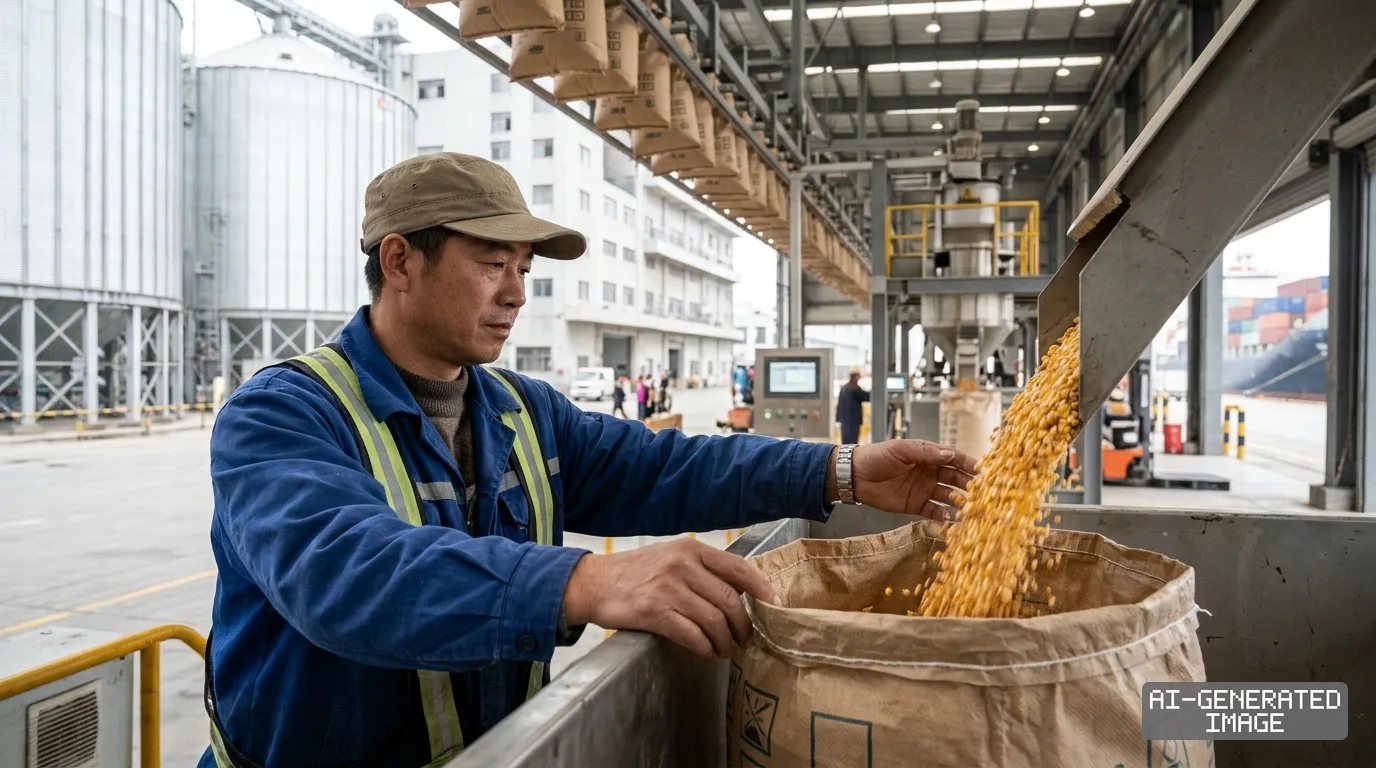
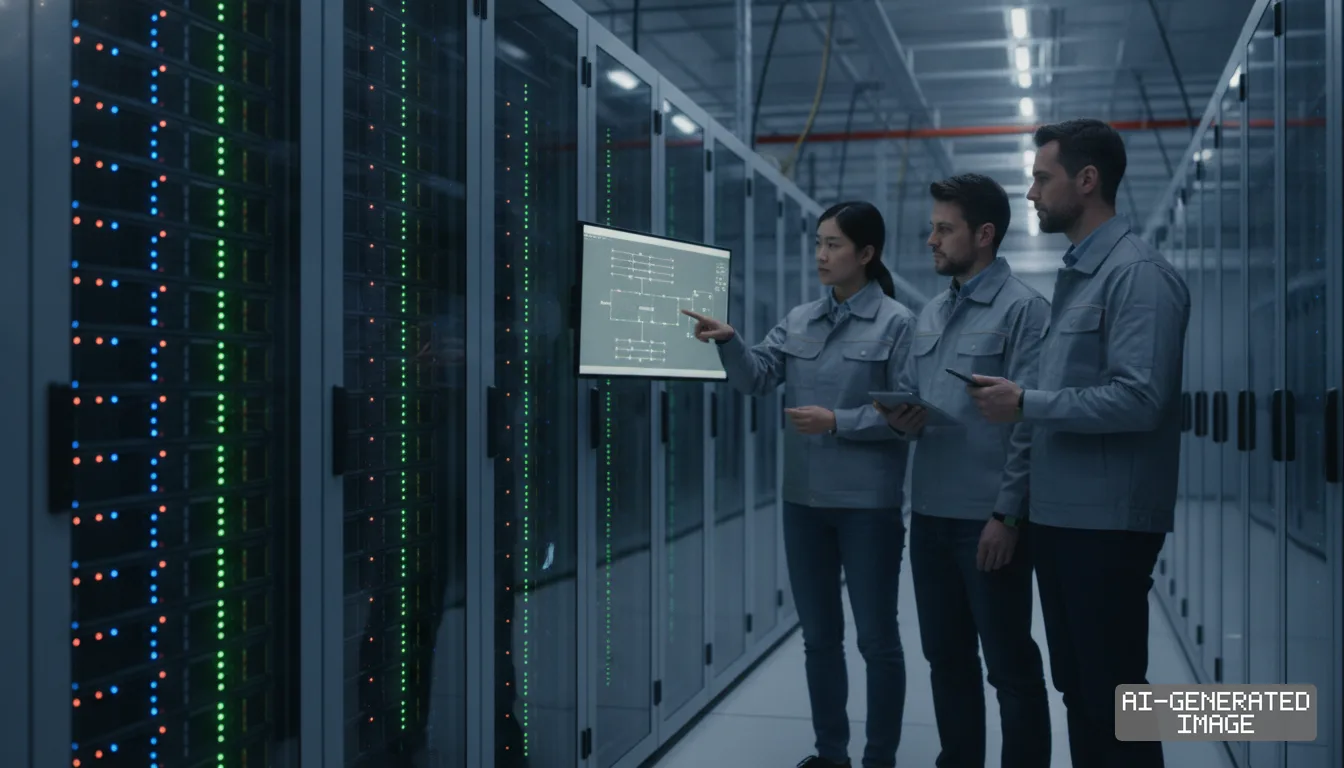
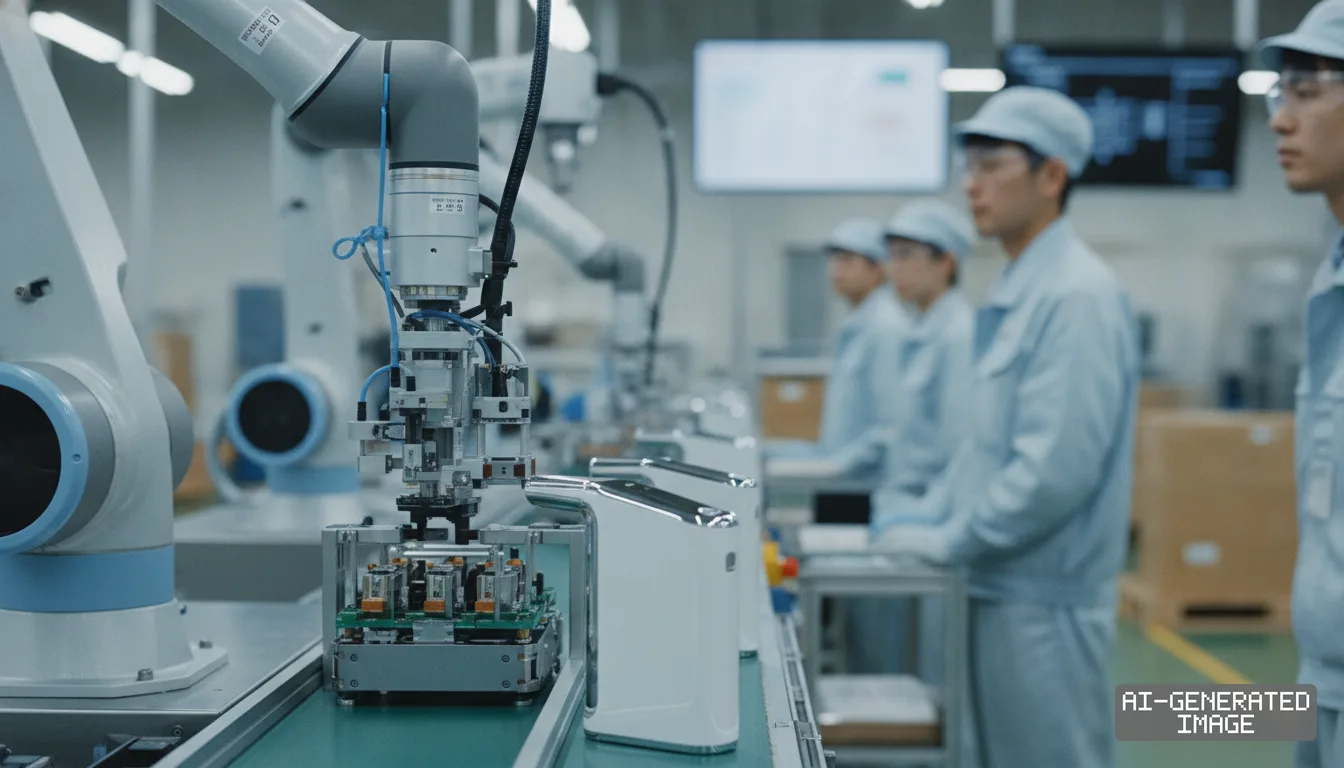
Malaysia chip packaging hub faces renewed US Section 301 tariff review
Deliberations target Southeast Asian assembly and testing facilities that handle roughly 13% of global semiconductor volume under an existing 10% tariff.
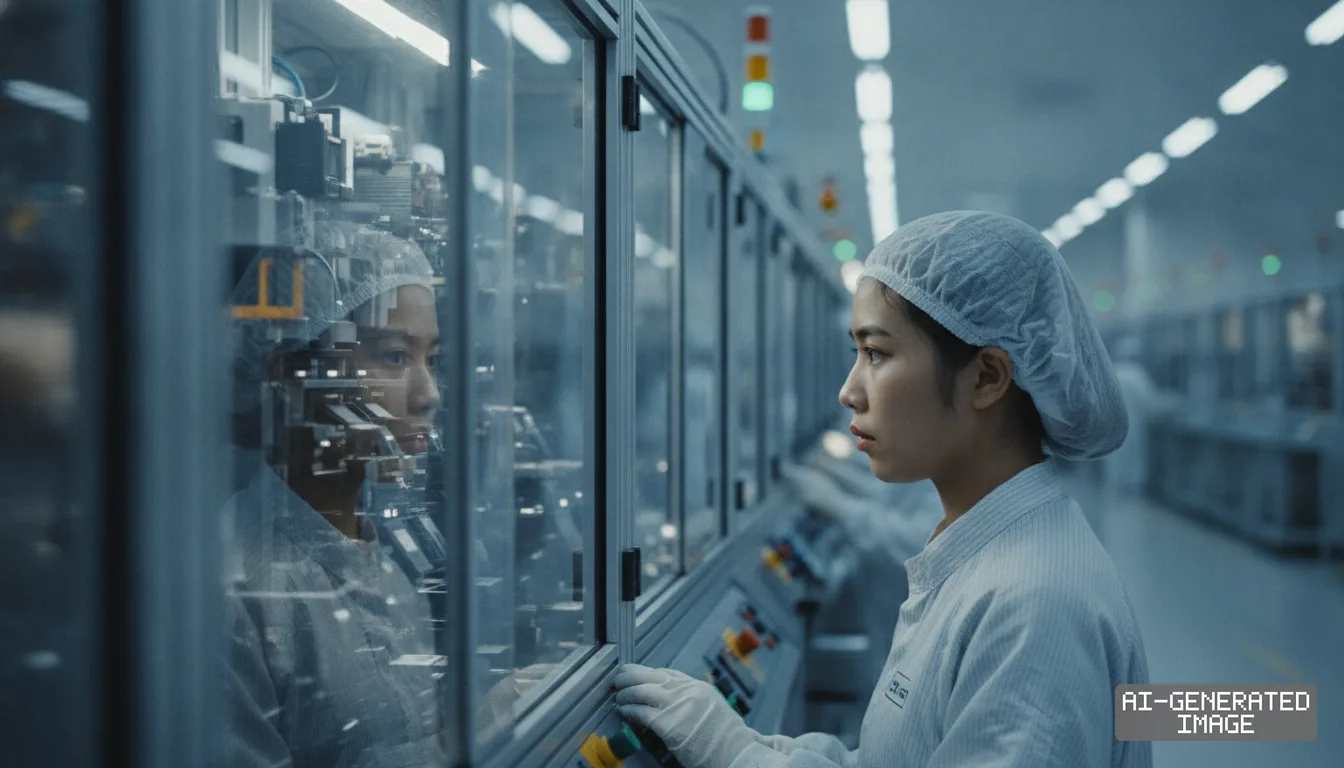
Malaysia’s Ministry of Investment, Trade and Industry confronted renewed tariff exposure on Nov. 6, 2026, as US post-election deliberations heightened trade scrutiny over Southeast Asian semiconductor packaging hubs.
The review targets supply corridors that handle roughly 13% of global semiconductor assembly, testing and packaging. Much of that capacity serves as an intermediary bridge between Asian wafer fabrication and Western device makers.
US customs authorities currently enforce a 10% tariff under Section 301 on Malaysian imports. That rate took effect at 12:01 a.m. US Eastern time on July 24, 2026, following forced-labor supply chain findings.
The July measure replaced a temporary 10% tariff under Section 122 of the Trade Act of 1974. That 150-day emergency measure had followed a Feb. 20, 2026 US Supreme Court decision that invalidated earlier reciprocal tariffs.
Trade uncertainty deepened this week because a second Section 301 investigation remains unresolved. The Office of the United States Trade Representative initiated that inquiry on March 11, 2026, targeting industrial excess capacity across 16 economies.
Contract manufacturers and outsourced semiconductor assembly and test providers carry direct balance-sheet exposure. Penang-based Inari Amertron Berhad generates about RM 1.19 billion ($270 million) in annual revenue, primarily from packaging radio-frequency components for American smartphone suppliers.
Malaysian Pacific Industries and Unisem also operate high-volume packaging lines in Perak and Selangor. Both firms depend on overseas export channels for more than 80% of their operational billings.
The tariff architecture challenges Malaysia’s National Semiconductor Strategy. The program, unveiled in 2024, seeks RM 500 billion ($113 billion) in manufacturing investments to shift domestic operations toward advanced packaging and integrated circuit design.
US trade officials focus increasingly on country-of-origin rules for complex electronics. Transshipped silicon and bare dies sliced in East Asia undergo final packaging in Malaysia before air freight delivers them to North American assembly lines.
The Ministry of Investment, Trade and Industry had negotiated bilateral tariff reductions in 2025. Washington lowered an earlier reciprocal tariff from 25% to 19% on Aug. 1, 2025, after bilateral negotiations between trade officials.
The judicial invalidation of that reciprocal framework in February shifted trade enforcement to statutory Section 301 investigations. That transition removed bilateral waivers and placed supply chain audits directly on export paperwork.
Malaysian regulators tightened outbound scrutiny to preserve market access. The ministry required strategic trade permits on July 14, 2025, for any export, transshipment or transit of advanced artificial intelligence processors originating in the United States.
Multinational chipmakers built extensive assembly footprints across Penang and Kulim over five decades. Intel, Infineon Technologies and Micron Technology route high-volume testing through dedicated Malaysian campuses.
American procurement teams now face potential compounding duties if the ongoing excess capacity investigation results in supplementary tariffs. That mechanism would add border duties to silicon packages that previously entered under duty-free information technology agreements.
Packaging lines operate on thin operating margins between 8% and 15%. A secondary duty on finished packages would force contract assemblers to pass costs to fabless designers or reconfigure final test locations.
Malaysia accounts for approximately 7% of total global semiconductor trade. Its packaging plants process integrated circuits found in automotive electronic control units, mobile base stations and enterprise cloud hardware.
Trade officials in Kuala Lumpur engaged US counterparts during formal hearings in Washington on May 12, 2026. The delegation presented audit standards established under the bilateral Agreement on Reciprocal Trade to avoid a higher 12.5% penalty tariff.
The Office of the United States Trade Representative concluded public hearings on the excess capacity investigation in June 2026. The agency has scheduled its next formal interagency review determination for Dec. 15, 2026.
The trade representative has not published the product-specific tariff lines for the pending excess capacity determination. The notice does not state whether packaged microprocessors will receive separate exemptions from bulk discrete components.
Malaysian trade officials scheduled technical briefings with the Penang Automation Cluster and domestic OSAT executives for Nov. 18, 2026, to review custom documentation standards before the Washington ruling.
Impact map
How this development propagates across the region and out to global buyers.
| Event | Korea | China | Japan | Global impact |
|---|---|---|---|---|
| US Section 301 review | Samsung and SK hynix monitor OSAT testing costs for memory shipped to Penang lines | Domestic OSAT competitors face parallel US trade scrutiny over transshipment routes | Material suppliers Resonac and Tokyo Ohka Kogyo assess packaging resin shipments to Penang fabs | Electronics supply chain absorbs 10% duty on packaging across 13% of global volume |
In this story
- Companies
- Inari AmertronMalaysian Pacific IndustriesUnisem
- Tickers
- 0166.KL3867.KL5005.KL
- Exposed
- IntelInfineon TechnologiesMicron Technology
- Policy
- TariffsExport Controls
- Impact
- PricingSupply ChainCompliance
Track every Tariffs development → Track every Export Controls development →
Related briefings
- Metlen warns Europe may lose gallium supply to US buyers Also on Infineon Technologies, Export Controls, Pricing
- TSMC and Japanese Auto Suppliers Scale 28nm BCD Power Chip Production Also on Infineon Technologies
- JCET expands automotive radar SiP packaging lines to capture ADAS sensor demand Also on Infineon Technologies
- SK hynix subsidiary Solidigm weighs NAND fab in New York Also on Intel, Micron Technology, Tariffs
Sources
Primary documents
Reporting
Confidence: high — how we grade this
The documents behind this briefing are linked above. East Asia Brief produces its English text with AI assistance under human editorial review, and does not translate or republish other outlets' articles. See our methodology and AI policy. Spotted an error? Tell us.
The Morning Brief
What changed in Korean, Chinese and Japanese industry overnight — and what it means for your supply chain. One email, weekday mornings, US time. Free.
The Morning Brief is in preparation. Leave your address and we will write to you once — when the first issue is ready. Nothing before that.