TSMC raises foundry prices for fabless clients by up to 10% in 2027
Mature process nodes face 3% to 10% increases in January while chip designers prepare price hikes of up to double digits to protect operating margins.
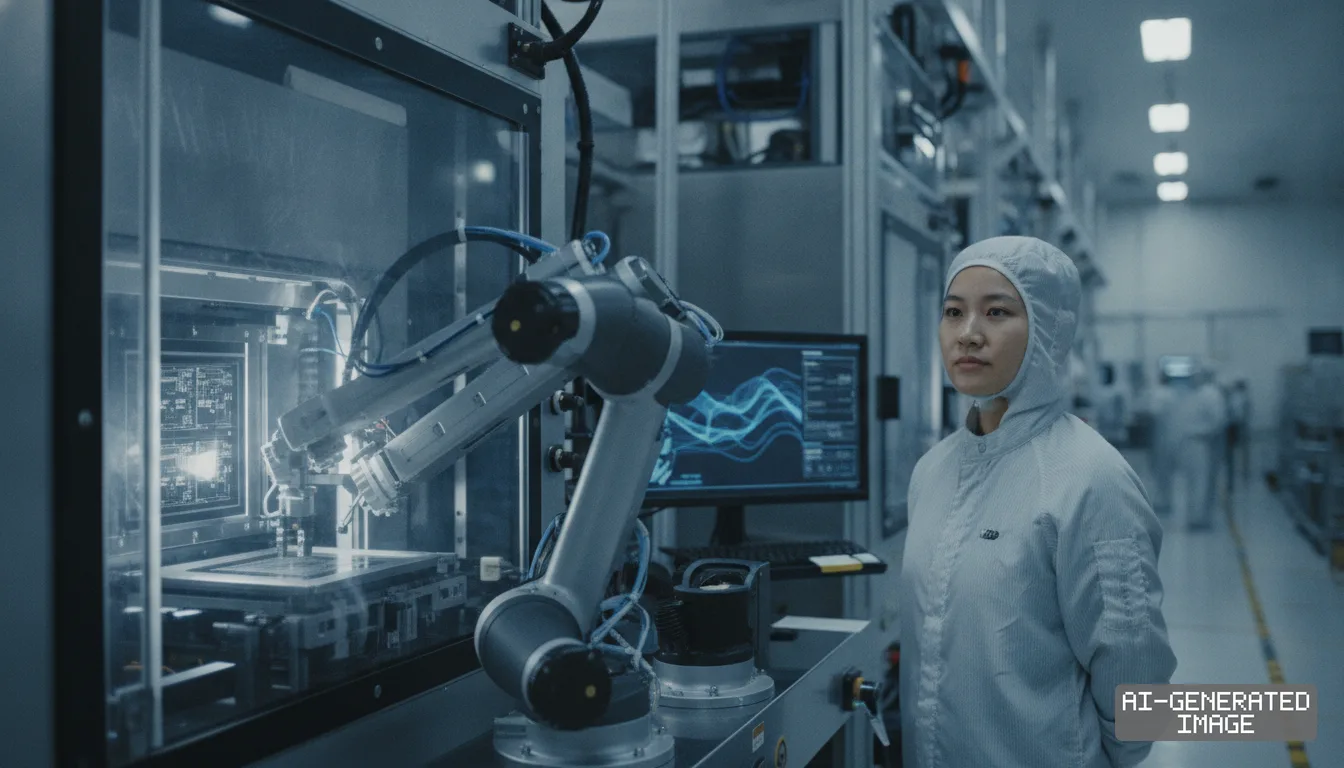
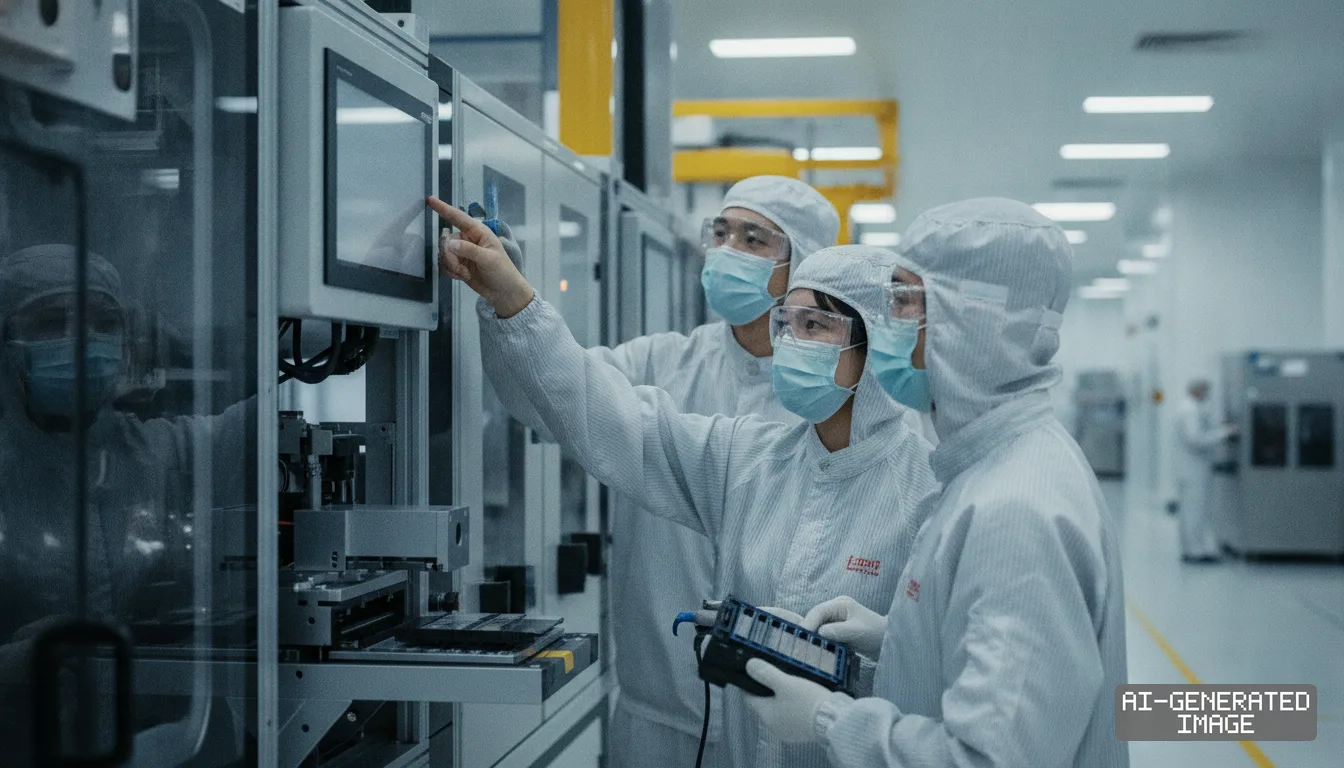
Taiwan Semiconductor Manufacturing Co. finalized terms on Oct. 6, 2026, to raise contract wafer prices by up to 10% across key manufacturing lines beginning in early 2027.
The Taiwan-based foundry commands over 70% of the worldwide contract chipmaking market and manufactures nearly all commercial processors running advanced artificial intelligence workloads.
Wafer prices for mature nodes will climb 3% to 10% starting in January 2027, according to industry estimates. Advanced 2-nanometer wafers will carry an additional 6% to 8% price increase during the first quarter of 2027.
High-performance computing chips generated 66% of TSMC's total sales in the second quarter of 2026. Premium surcharges between 10% and 15% will apply to computing orders that surpass baseline contractual allocations, supply chain briefings indicate.
Nvidia faces direct cost increases because the company relies entirely on TSMC to fabricate its graphics processing units. Industry analysts project Nvidia will generate approximately $33 billion, or 22%, of TSMC's revenue in 2026.
Nvidia builds its current Blackwell processors on TSMC's 4-nanometer node before migrating next-generation Rubin architecture to 3-nanometer lines. A 10% increase in contract wafer rates will add hundreds of dollars to each finished computing board, analysts said.
Apple also faces rising fabrication expenses as its flagship mobile processors transition to the 2-nanometer node. Higher wafer expenses and base adjustments will raise manufacturing costs by $10 to $20 per processor, supply chain data shows.
The fabrication cost increases are triggering a price domino effect among fabless semiconductor designers. Companies developing power management integrated circuits and display drivers are preparing to lift component prices by 5% to double digits between late 2026 and early 2027.
Foundry expenses represent the largest cost component in semiconductor production. Chip designers operating with lean operating margins must pass wafer cost increases through to downstream device assemblers to protect gross profitability, market analysts reported.
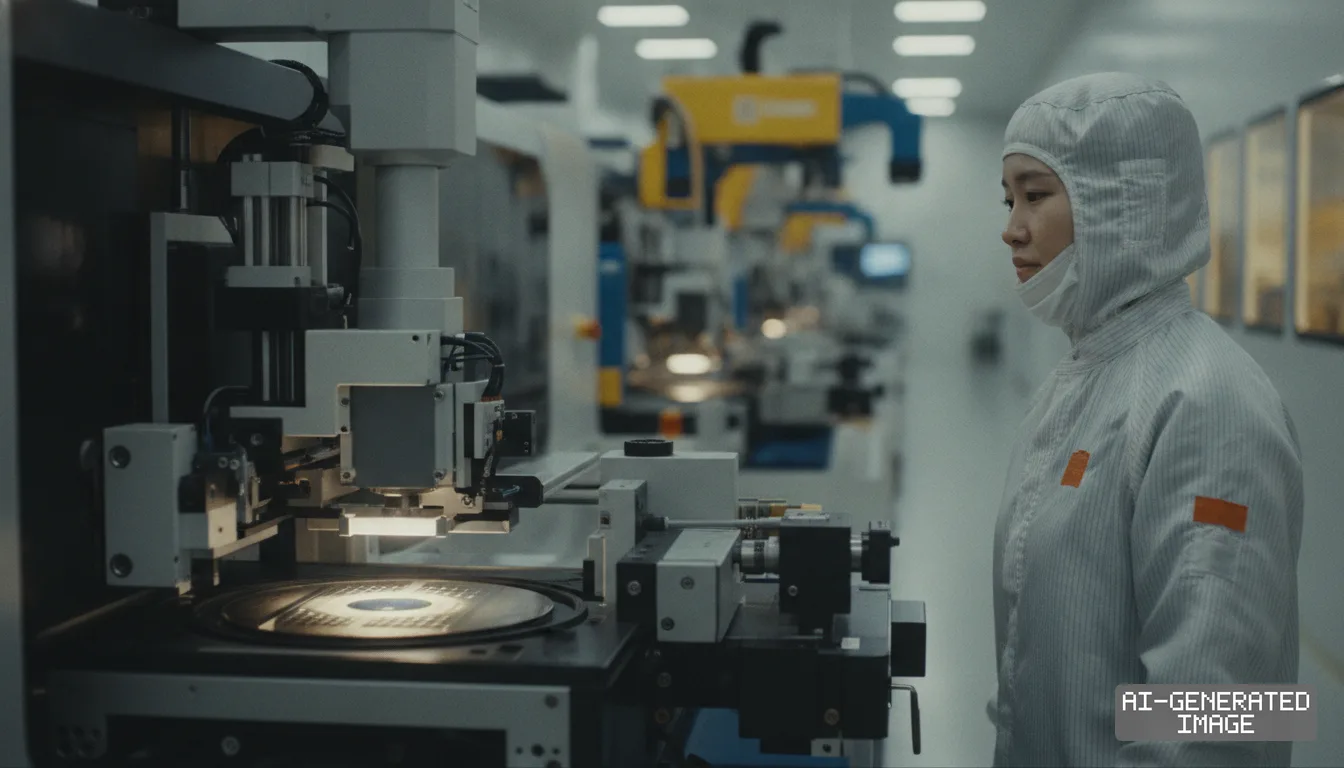
Mature fabrication capacity has tightened as leading foundries allocate cleanroom space to artificial intelligence components. Top contract chipmakers have steadily curtailed legacy 8-inch and 12-inch wafer lines to fund advanced packaging facilities.
Average fab utilization across the world's 10 largest foundries recovered to 88% in early 2026 and reached 90% in the second half of the year, according to TrendForce data.
TSMC will open commercial production at its Fab 20 site in Hsinchu and Fab 22 facility in Kaohsiung in early 2027. Process wafers manufactured on the 2-nanometer node carry initial price tags between $25,000 and $30,000 each, compared with roughly $18,000 to $20,000 for standard 3-nanometer wafers.
The company plans to invest over $32 billion in capital expenditures in 2026 to accelerate fab construction and purchase extreme ultraviolet lithography systems. Soaring tool costs from suppliers like ASML have driven depreciation costs higher, prompting TSMC executives to push those expenses directly to commercial clients.
Advanced packaging lines running Chip-on-Wafer-on-Substrate (CoWoS) technology remain backlogged through mid-2027. TSMC informed customers that packaging processing fees will rise by roughly 12% in the first quarter of 2027 to cover capacity additions in Chiayi and Taichung.
Smaller fabless firms in Taiwan, South Korea and the United States face disproportionate financial pressure under the revised fee schedule. Unlike Apple or Nvidia, smaller design houses lack the procurement volume required to negotiate custom volume discounts.
A vice president of sales at a Hsinchu-based display driver design firm said foundry allocation costs now consume 48% of total product revenues, up from 39% two years ago. The firm notified display panel makers that driver IC unit prices will rise 8% on Jan. 15, 2027.
Automotive chipmakers are also preparing for downstream revisions. Microcontroller units and power management chips built on 28-nanometer and 40-nanometer processes face immediate baseline increases of 4% to 6%.
A chief procurement officer at an automotive parts supplier in Nagoya said tier-one suppliers cannot absorb the additional charges under existing multi-year supply agreements. The parts supplier plans to pass the increases directly to Japanese and European automakers during annual contract renewals in December.
Park, 42, an electronics manufacturing procurement manager in Seoul, said component suppliers have already warned consumer hardware brands of three separate price adjustments on mobile power management components scheduled between November 2026 and February 2027.
Design houses have few practical alternatives to TSMC's manufacturing lines. Samsung Electronics continues to battle low production yields on its 3-nanometer gate-all-around process node, preventing large-scale customer migrations.
Intel Foundry has delayed external customer orders on its 18A process node until late 2027 as the company restructures manufacturing operations and cuts capital outlays.
United Microelectronics Corp. and GlobalFoundries run mature trailing nodes but lack the advanced sub-7-nanometer lines required for cutting-edge accelerators, processors and enterprise networking switches.
TSMC told institutional investors that overseas fab operations in Kumamoto, Japan, and Arizona in the United States carry operating costs roughly 25% to 30% higher than domestic facilities in Taiwan. The company applies a foreign production surcharge to wafers cut in those overseas facilities to protect its targeted 53% gross margin floor.
The revised terms will take effect across billing cycles on Jan. 1, 2027. Annual contract renewal negotiations between TSMC and tier-one fabless customers begin in Taipei on Nov. 12, 2026.
TSMC has not disclosed specific volume rebate percentages granted to its top three customers, and the foundry has not published the line-item pricing sheet for specialized automotive nodes.
Impact map
How this development propagates across the region and out to global buyers.
| Event | Korea | China | Japan | Global impact |
|---|---|---|---|---|
| TSMC foundry price hike | Samsung Foundry faces customer inquiry influx but yields lag; Korean fabless margins drop 5-8% | Fabless designers absorb 6-10% wafer cost increases on legacy nodes with limited alternative foundries | Tier-one automotive suppliers in Nagoya face immediate component increases on 28nm and 40nm MCUs | Finished AI server and premium smartphone BOM costs rise by an estimated |
| TSMC foundry price hike | Samsung Foundry faces customer inquiry influx but yields lag; Korean fabless margins drop 5-8% | Fabless designers absorb 6-10% wafer cost increases on legacy nodes with limited alternative foundries | Tier-one automotive suppliers in Nagoya face immediate component increases on 28nm and 40nm MCUs | Finished AI server and premium smartphone BOM costs rise by an estimated $10 to $200 per unit |
In this story
- Companies
- Taiwan Semiconductor Manufacturing Co.NvidiaApple
- Tickers
- 2330.TWNVDAAAPL
- Exposed
- Samsung ElectronicsIntelUnited Microelectronics Corp.ASML
- Policy
- TariffsEconomic Security
- Impact
- PricingCost StructureSupply Chain
Track every Tariffs development → Track every Economic Security development →
Related briefings
- TSMC plans to lift wafer foundry prices by 3% to 6% from 2027 Also on United Microelectronics Corp., Apple, Taiwan Semiconductor Manufacturing Co.
- TSMC captures 72.5% foundry share as gap with Samsung widens Also on United Microelectronics Corp., Apple, Taiwan Semiconductor Manufacturing Co.
- TSMC and Japanese Auto Suppliers Scale 28nm BCD Power Chip Production Also on United Microelectronics Corp., Taiwan Semiconductor Manufacturing Co.
- TSMC Reaffirms 2028 Target for 1.4nm Chips at Taichung Fab Also on Apple, Taiwan Semiconductor Manufacturing Co, Intel
Sources
Primary documents
Reporting
Confidence: high — how we grade this
The documents behind this briefing are linked above. East Asia Brief produces its English text with AI assistance under human editorial review, and does not translate or republish other outlets' articles. See our methodology and AI policy. Spotted an error? Tell us.
The Morning Brief
What changed in Korean, Chinese and Japanese industry overnight — and what it means for your supply chain. One email, weekday mornings, US time. Free.
The Morning Brief is in preparation. Leave your address and we will write to you once — when the first issue is ready. Nothing before that.