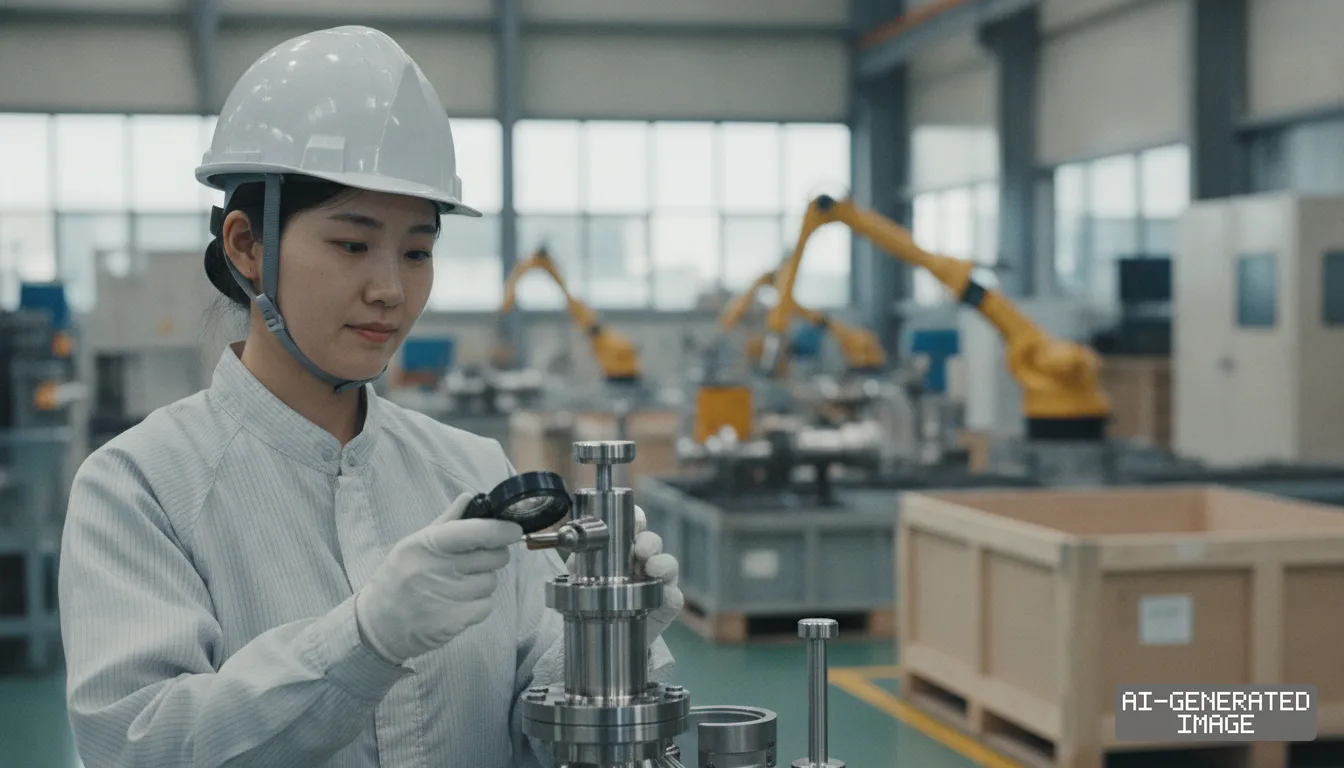
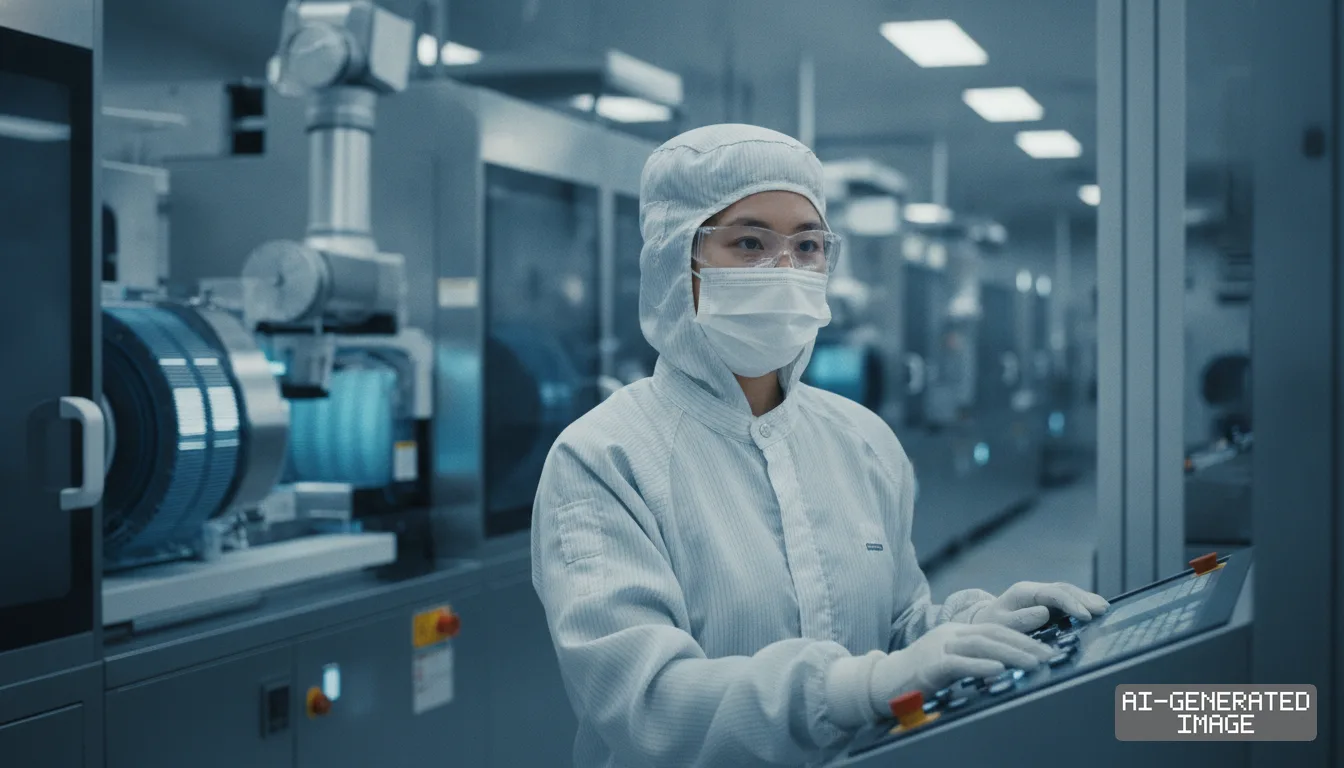
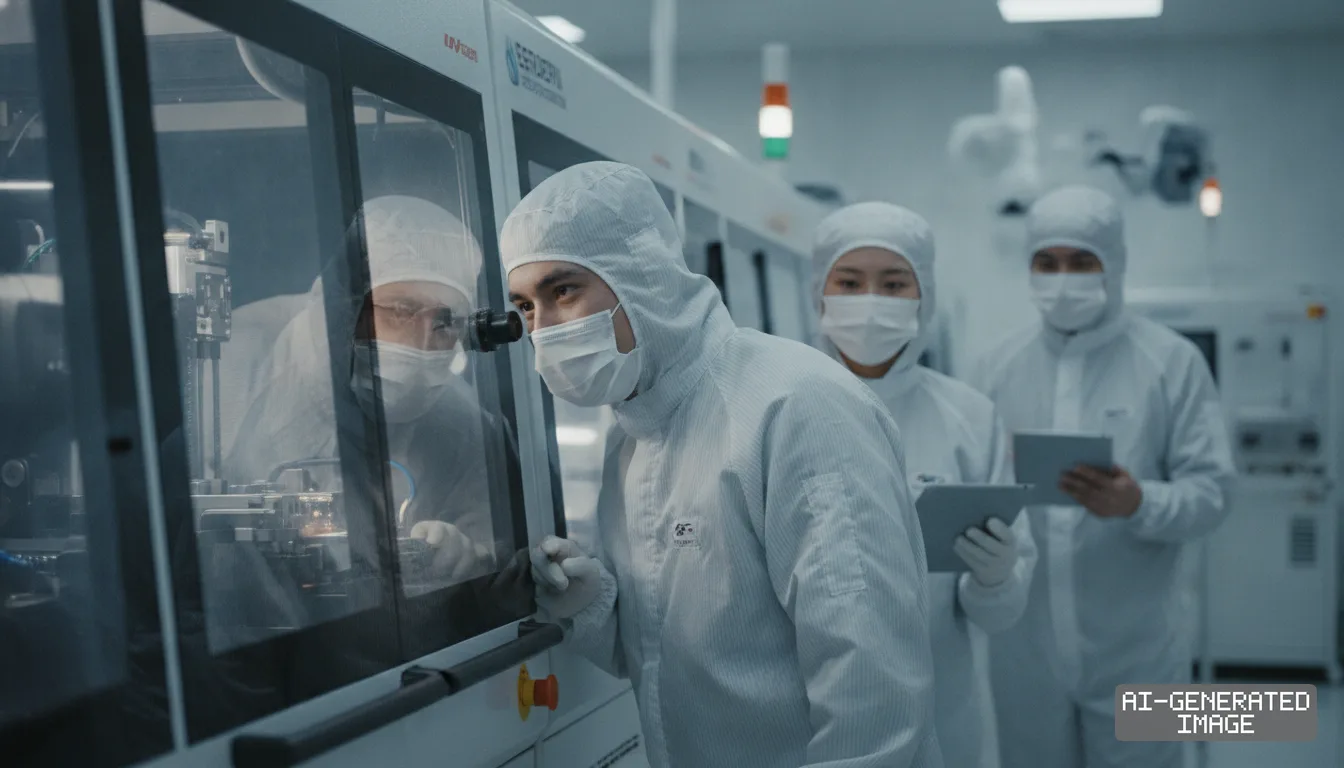
TSMC halts fab steel construction after four workers die in Kaohsiung
Safety regulators ordered a full halt on Phase 4 steel assembly at Fab 22 on Oct. 21, prompting TSMC to pause structural hoisting across all island construction sites.
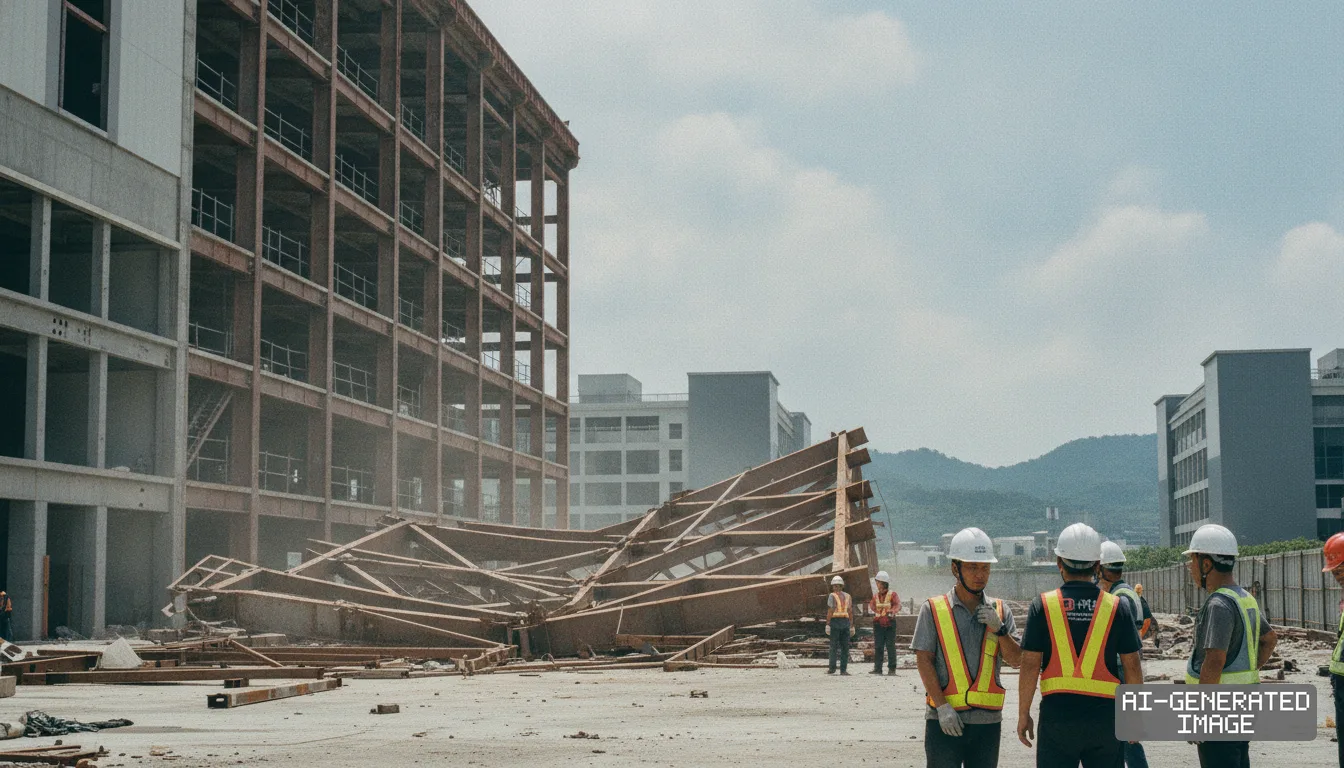
Taiwan's Southern Taiwan Science Park Bureau halted construction on TSMC's advanced 2nm Fab 22 expansion on Oct. 21, 2026, after four contract workers died in a structural fall.
The bureau, an agency under the National Science and Technology Council, oversees high-technology manufacturing parks across southern Taiwan. It issued the mandatory stop-work order following a fatal failure during exterior steel assembly.
The shutdown targets Phase 4 of Fab 22 in Kaohsiung, a five-phase manufacturing campus designed with 280,000 square meters of cleanroom space. Taiwan Semiconductor Manufacturing Co. (TSMC) dedicated the campus to next-generation nodes.
Four workers employed by subcontractor Shang Hao Machinery died after falling from the third level of the building. Three workers died on the evening of Oct. 20, while a fourth died early Oct. 21.
The failure occurred at approximately 4:53 p.m. during exterior steel beam lifting and welding operations. Connecting bolts on a structural steel plate fractured, releasing the frame and dropping the assembly to the ground.
Inspectors from the Southern Taiwan Science Park Bureau sealed the scene immediately after the incident. The bureau opened an investigation under the Occupational Safety and Health Act and began assessing administrative fines against the contractors.
General contractor Tung Ho Steel Structure managed the structural framework at the Phase 4 construction site. The company had delegated the crane assembly and specialized exterior welding tasks to Shang Hao Machinery.
Prosecutors from the Ciaotou District Prosecutors Office opened a criminal inquiry on Oct. 21 into the site leadership. Authorities detained two site supervisors on suspicion of negligent homicide before releasing each on NT$1 million ($31,250) bail.
TSMC stated that the fatal accident occurred entirely within a designated contractor work zone. The company voluntarily suspended steel erection and crane operations across all of its fab construction sites in Taiwan pending internal safety reviews.
The corporate halt affects ongoing structural work in Hsinchu, Taichung and Kaohsiung. Civil engineering and interior piping installations outside the steel hoist zones continue to operate under heightened monitoring, according to the company statement.
The Kaohsiung municipal government announced separate municipal labor safety inspections across the Nanzih science park. Local authorities affirmed that civil penalties would accompany any verified breach of site safety protocols.
The regulatory halt applies strictly to the Phase 4 module of the Kaohsiung site. Phase 1 and Phase 2, which house the initial 2nm pilot and early manufacturing bays, operate separately from the halted steel construction zone.
Phase 4 was designed to expand TSMC's 2nm capacity and introduce the subsequent A16 nanosheet process. The site plays a pivotal role in TSMC's plan to reach 100,000 leading-edge wafer starts per month by late 2026.
Commercial production of the baseline N2 process began earlier this year at Fab 20 in Hsinchu. The Kaohsiung facility was slated to scale mass production and deliver advanced silicon starting in late 2025 and mid-2026.
Apple has reserved an estimated 50% of TSMC's initial 2nm allocation to manufacture its next-generation processors. Nvidia relies on upcoming advanced foundry nodes to produce its future AI graphics processing units and data center accelerators.
Extended construction delays at Phase 4 could squeeze slot availability for leading-edge customers entering the fab in 2027. Wafer prices for TSMC's 2nm nodes are projected to exceed $30,000, compounding procurement pressures for major buyers.
Advanced lithography equipment from ASML and Tokyo Electron requires rigid structural tolerances before installation can begin. Any disruption to exterior frame assembly delays the subsequent cleanroom envelope sealing and HVAC stabilization.
The fatal incident marks at least nine construction-related fatalities across advanced semiconductor building projects in Taiwan since 2024. The cluster of incidents has intensified regulatory scrutiny over rapid fab construction schedules.
Foundry competitors Samsung Electronics and Intel have struggled to secure commercial-scale customer commitments for their rival sub-2nm nodes. TSMC's operational hiccups test customer tolerance in an ultra-tight leading-edge manufacturing duopoly.
The shutdown forces contractors to re-examine all heavy rigging fasteners and welding certifications. Engineers suspect metal fatigue or insufficient bolt counts triggered the connection plate rupture during the heavy lift.
Taiwan's National Science and Technology Council scheduled a comprehensive site inspection for late November. Officials said the Phase 4 crane lines will remain motionless until contractors submit and pass an audited safety remediation plan.
The bureau has not established a date for reviewing the site's resumption application, and TSMC has not stated whether the structural pause will delay tool move-in for Phase 4.
Impact map
How this development propagates across the region and out to global buyers.
| Event | Korea | China | Japan | Global impact |
|---|---|---|---|---|
| TSMC Kaohsiung 2nm site fatality and stop-work order | Samsung Foundry tracks 2nm schedule risk as TSMC tightens domestic site oversight | SMIC remains isolated from sub-5nm equipment, unaffected by Taiwan construction halts | Tokyo Electron faces potential 2027 delivery rescheduling if Phase 4 bays slip | Apple and Nvidia monitor leading-edge wafer supply as advanced packaging and 2nm cleanroom schedules tighten |
In this story
- Companies
- TSMC
- Tickers
- 2330.TW
- Exposed
- AppleNvidiaTung Ho Steel
- Policy
- Standards
- Impact
- CapexSupply ChainCompliance
Track every Standards development →
Related briefings
- TSMC beats quarterly forecasts as 3nm lines hit full capacity Also on Apple, TSMC, Nvidia
- GlobalFoundries signs $2B TSMC packaging deal for AI chips Also on Apple, TSMC, Nvidia
- Micron taps TSMC for custom HBM4E memory, taking on SK hynix Also on Apple, TSMC, Nvidia
- TSMC weighs second US chip hub in Texas as orders expand Also on Apple, TSMC, Nvidia
Sources
Reporting
Confidence: medium — how we grade this
The documents behind this briefing are linked above. East Asia Brief produces its English text with AI assistance under human editorial review, and does not translate or republish other outlets' articles. See our methodology and AI policy. Spotted an error? Tell us.
The Morning Brief
What changed in Korean, Chinese and Japanese industry overnight — and what it means for your supply chain. One email, weekday mornings, US time. Free.
The Morning Brief is in preparation. Leave your address and we will write to you once — when the first issue is ready. Nothing before that.