TSMC Arizona Fab Delivers 100 Million Chips for Apple Devices
Apple confirmed volume output at the Phoenix plant across iPhone and watch lines, though TSMC has not issued filings detailing fab yields or node allocations.
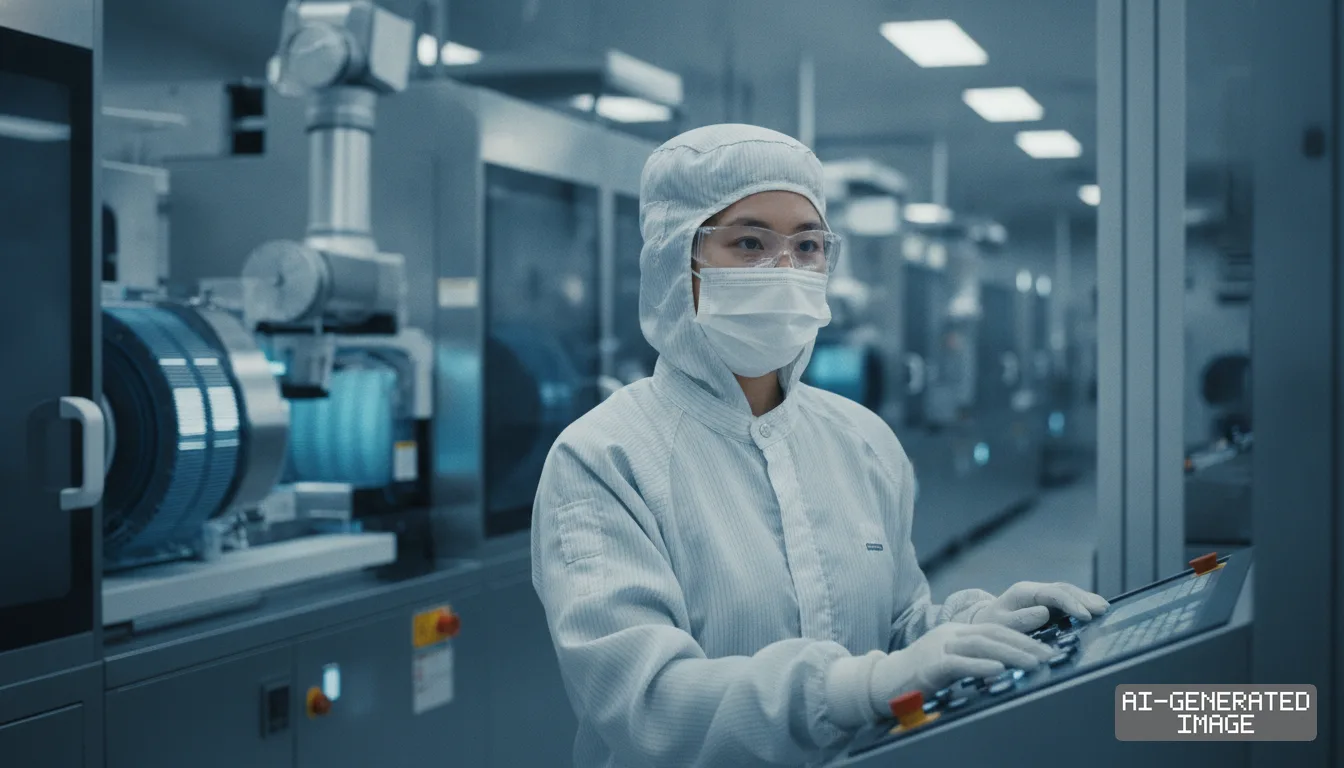
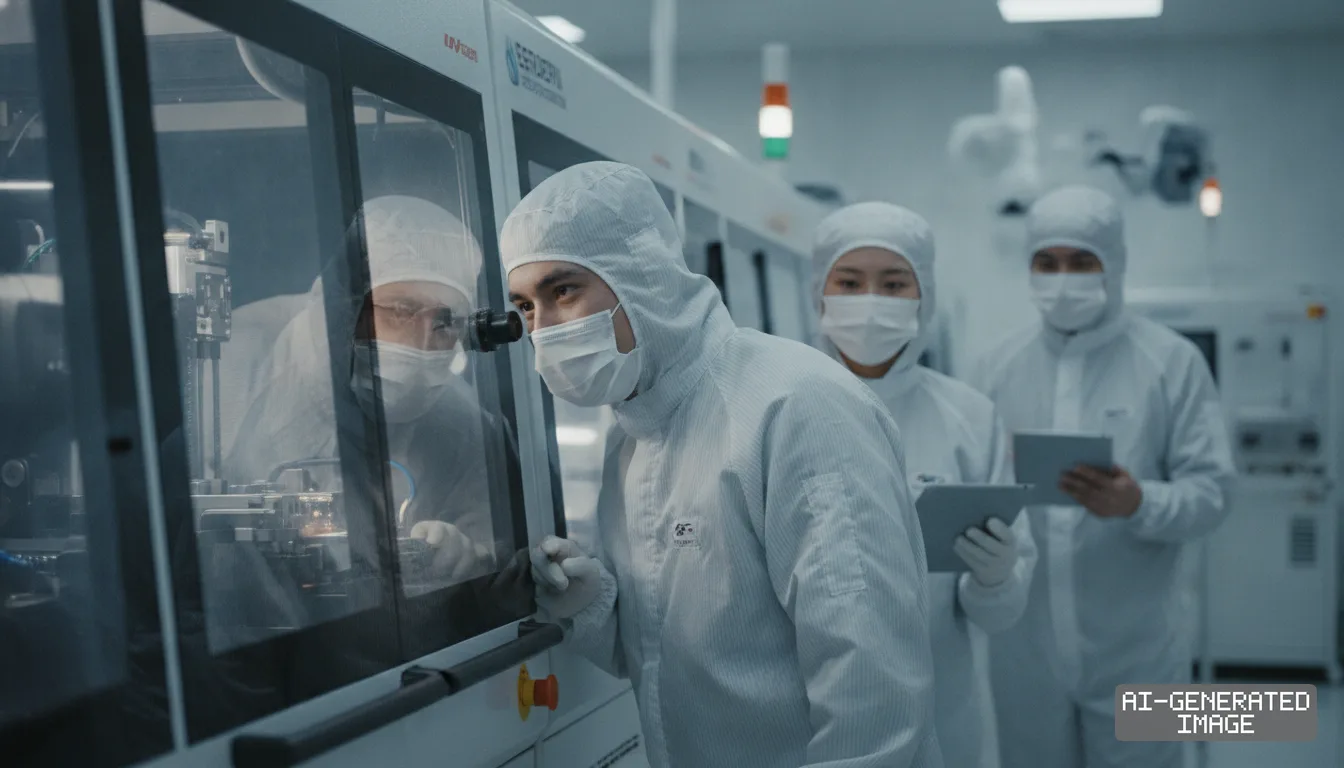
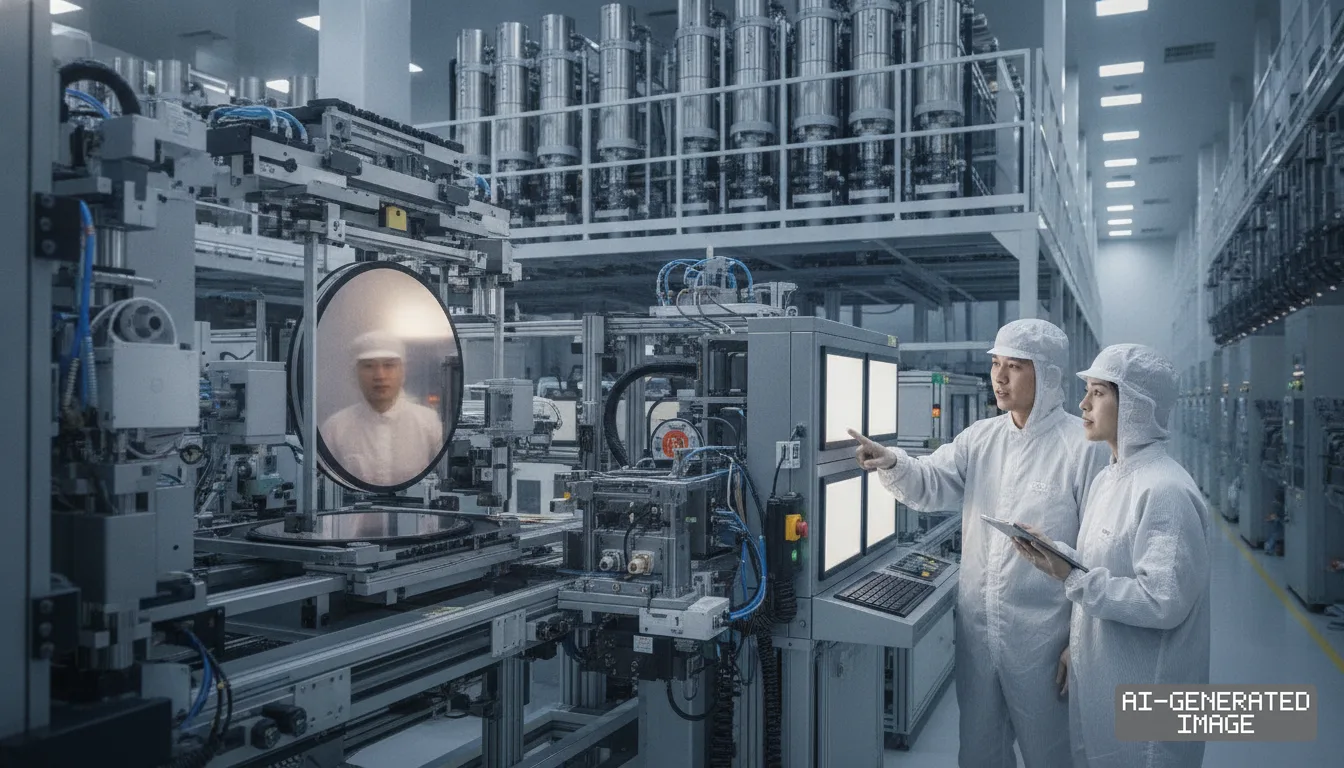
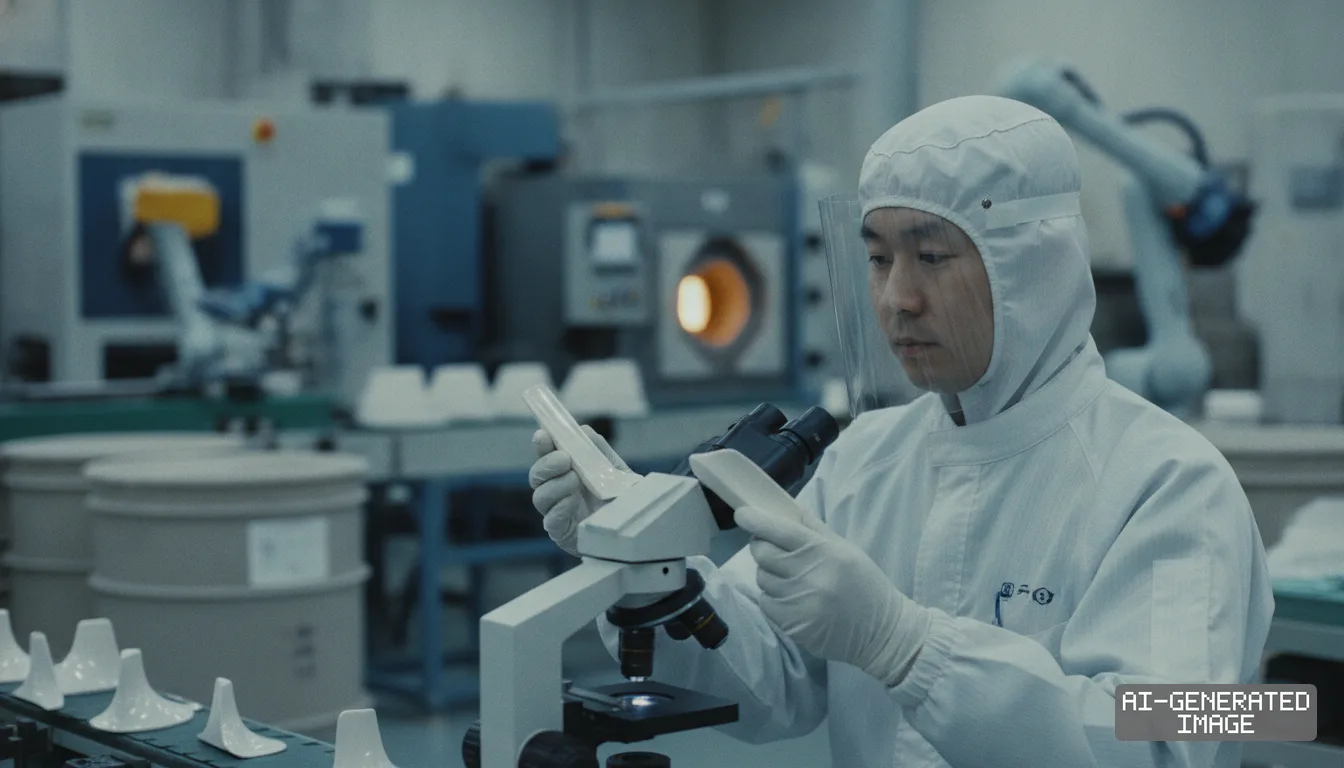
Apple said Oct. 20 that Taiwan Semiconductor Manufacturing Company will produce more than 100 million advanced chips for its devices at its Phoenix, Arizona plant during 2026.
The production volume represents a central milestone for the domestic foundry initiative. It marks the first time a foreign-owned fab on American soil has delivered leading-edge commercial silicon at hundred-million-unit scale for consumer hardware.
The Cupertino company disclosed the operational figure in an update to its American Manufacturing Program. Apple uses the components across its newest product lines, including the iPhone Duo, the iPad family and the Apple Watch.
The 100-million-unit threshold accounts for a measurable share of Apple's global silicon procurement. Apple ships more than 220 million iPhones each year, alongside tens of millions of tablets and wearable units.
Securing nine figures of finished silicon within the United States confirms that TSMC has transitioned its first Phoenix facility from qualification runs to steady commercial throughput. The site broke ground in 2021 and faced repeated operational adjustments.
Apple first indicated the run rate in February, when procurement leadership outlined plans to source over 100 million processors from Phoenix. The Oct. 20 notice confirms that manufacturing schedules met those procurement commitments throughout the year.
Neither company detailed the specific silicon mix coming off the Arizona lines. The volume includes application processors built on 4-nanometer class nodes, alongside display controllers and companion power management silicon engineered by Apple teams.
TSMC has not filed regulatory disclosures confirming the 100-million production figure, and the foundry operator has not published wafer yields, node allocations or unit completion dates for the Phoenix site.
The lack of audited yield metrics leaves the true fabrication cost structure unverified. Outside industry analysts had questioned whether higher operational overhead in the United States would depress production margins compared to TSMC fabs in Tainan and Hsinchu.
Back-end packaging remains an offshore dependency for the Arizona output. Wafers processed at the Phoenix site still travel to packaging facilities in Taiwan for final dicing and substrate integration before assembly into finished hardware.
That bottleneck will persist until domestic packaging capacity comes online. Amkor Technology broke ground on a $2 billion outsourced packaging and test plant in Peoria, Arizona, in September 2025.
Amkor began shell construction on the Peoria site earlier this year, Apple said. The first two phases of the Amkor facility will eventually employ 3,500 people, but volume packaging qualifications remain months away from commercial handoff.
The chip volume update accompanied broader domestic component agreements. Apple announced a purchase commitment worth up to $100 million over three years with Perryman Company, a titanium manufacturer based in Houston, Pennsylvania.
Perryman melts, forges and rolls aerospace-grade titanium containing at least 80% recycled content. Apple uses the metal for the exterior chassis and hinge assembly of the iPhone Duo, its first foldable smartphone.
Apple also expanded procurement with Qnity Electronics, a Delaware materials supplier. Qnity manufactures specialty optical films used in the variable-aperture camera assembly of the iPhone 18 Pro to adjust lens light transmission.
The component commitments form parts of Apple's four-year, $600 billion domestic spending initiative launched last year. Apple said American suppliers now manufacture nearly 100 distinct components used across the iPhone Duo and iPhone 18 Pro.
Other domestic semiconductor suppliers include Broadcom, which produces radio-frequency filters at its plant in Fort Collins, Colorado. Broadcom signed a multiyear agreement to supply more than 15 billion American-made radio chips to Apple.
Upstream silicon wafer supply is also expanding domestically. GlobalWafers began turning out 300-millimeter bare silicon wafers at its $4 billion manufacturing facility in Sherman, Texas, shipping base material directly to domestic chip fabs.
In specialty glass, Corning will produce all cover glass for iPhones and Apple Watches sold worldwide from its Harrodsburg, Kentucky factory by the end of 2026, Apple said.
The concentration of domestic suppliers demonstrates how device makers are anchoring critical component lines within North America. The model reduces shipping vulnerability while satisfying federal supply chain resilience priorities established under the CHIPS Act.
TSMC continues construction on the northern section of its Phoenix campus. The Taiwanese foundry plans a second fabrication unit designed for 3-nanometer and 2-nanometer production to meet future computing requirements for American design houses.
Federal incentives helped underwrite the Arizona expansion. The United States Department of Commerce awarded TSMC up to $6.6 billion in direct funding and $5 billion in loans under the CHIPS Act to support three planned Phoenix fabs.
Nvidia, Advanced Micro Devices and Qualcomm have also reserved production allocation at the Arizona complex. Apple remains the anchor customer with priority capacity access, allowing the phone maker to absorb early production runs.
Commercial availability of the finished hardware starts immediately. The iPhone Duo arrives in retail stores Oct. 23, while TSMC reports consolidated fourth-quarter corporate financial results in mid-January.
Impact map
How this development propagates across the region and out to global buyers.
| Event | Korea | China | Japan | Global impact |
|---|---|---|---|---|
| TSMC Arizona 100M chip milestone | Samsung Foundry faces higher bar to win back Apple orders as US fab capacity matures | Domestic smartphone makers stay restricted to mature nodes without leading-edge US fab access | Equipment vendors Tokyo Electron and Screen book recurring maintenance revenue in Phoenix | Advanced logic supply chain diversifies beyond Taiwan as US volume production reaches 100M units |
In this story
- Companies
- AppleTSMC
- Tickers
- AAPL2330.TW
- Exposed
- Amkor TechnologyPerryman CompanyBroadcomCorning
- Policy
- Subsidies
- Impact
- Supply ChainCapexOrder Book
Track every Subsidies development →
Related briefings
- Silicon interposer scaling drives foundry and OSAT shifts in 3.5D chiplets Also on Broadcom, Amkor Technology, Subsidies
- Air Products commits record capital to South Korea chip fabs Also on Corning, Order Book, Subsidies
- Pacifico Energy commits $1 billion to South Korea offshore wind projects Also on Corning, Order Book, Subsidies
- US chip suppliers commit $2 billion to South Korea semiconductor supply chain Also on Corning, Subsidies
Sources
Reporting
Confidence: medium — how we grade this
The documents behind this briefing are linked above. East Asia Brief produces its English text with AI assistance under human editorial review, and does not translate or republish other outlets' articles. See our methodology and AI policy. Spotted an error? Tell us.
The Morning Brief
What changed in Korean, Chinese and Japanese industry overnight — and what it means for your supply chain. One email, weekday mornings, US time. Free.
The Morning Brief is in preparation. Leave your address and we will write to you once — when the first issue is ready. Nothing before that.