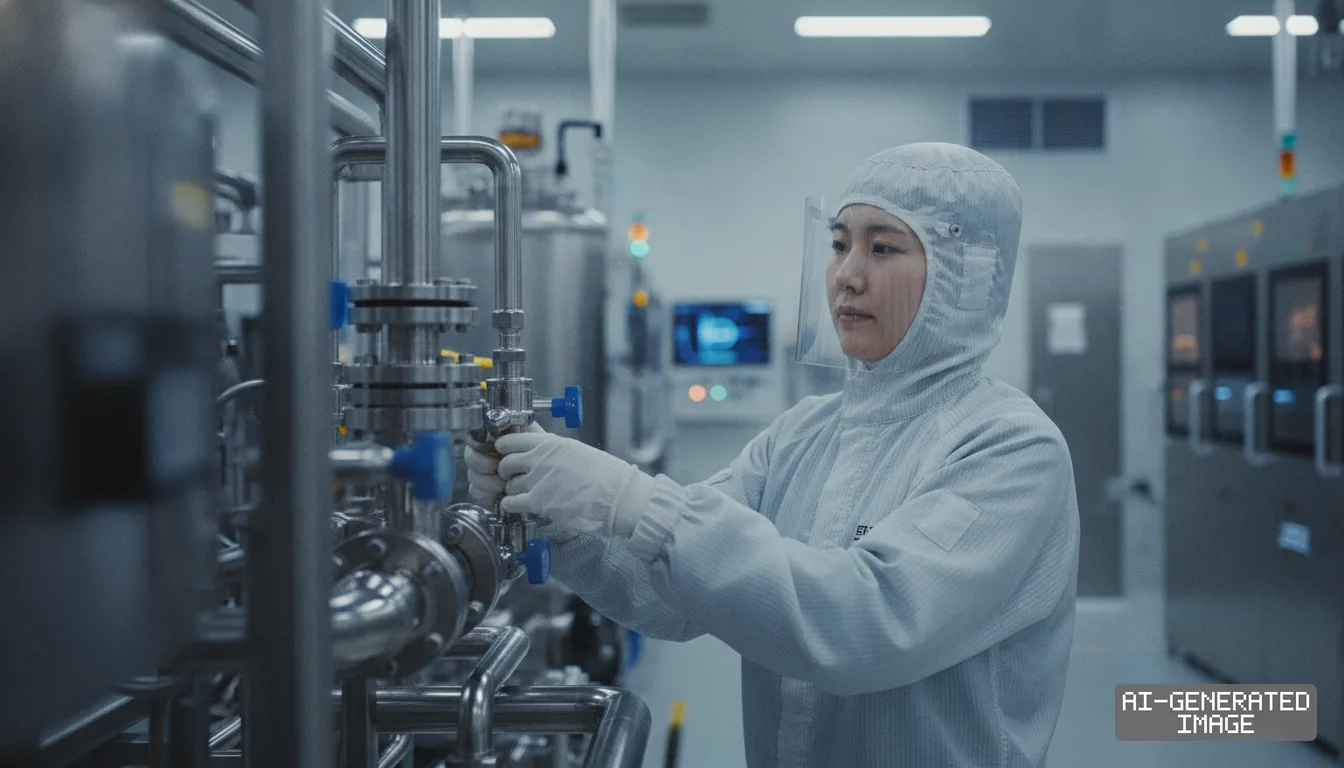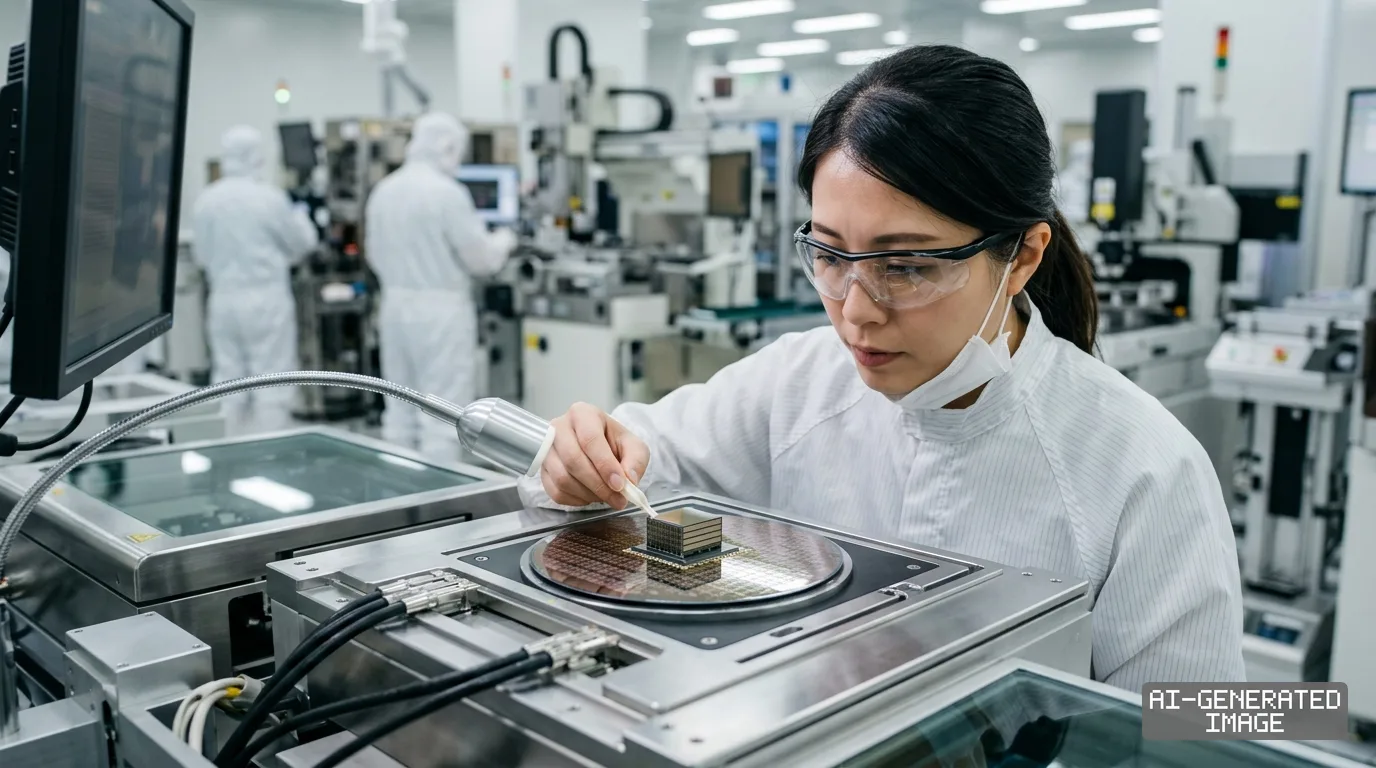
TSMC weighs second US chip hub in Texas as orders expand
Taiwan Semiconductor Manufacturing Co. is evaluating up to six wafer fabs in Dallas to serve American customers that generated 75.6% of its revenue in the first half of 2026.
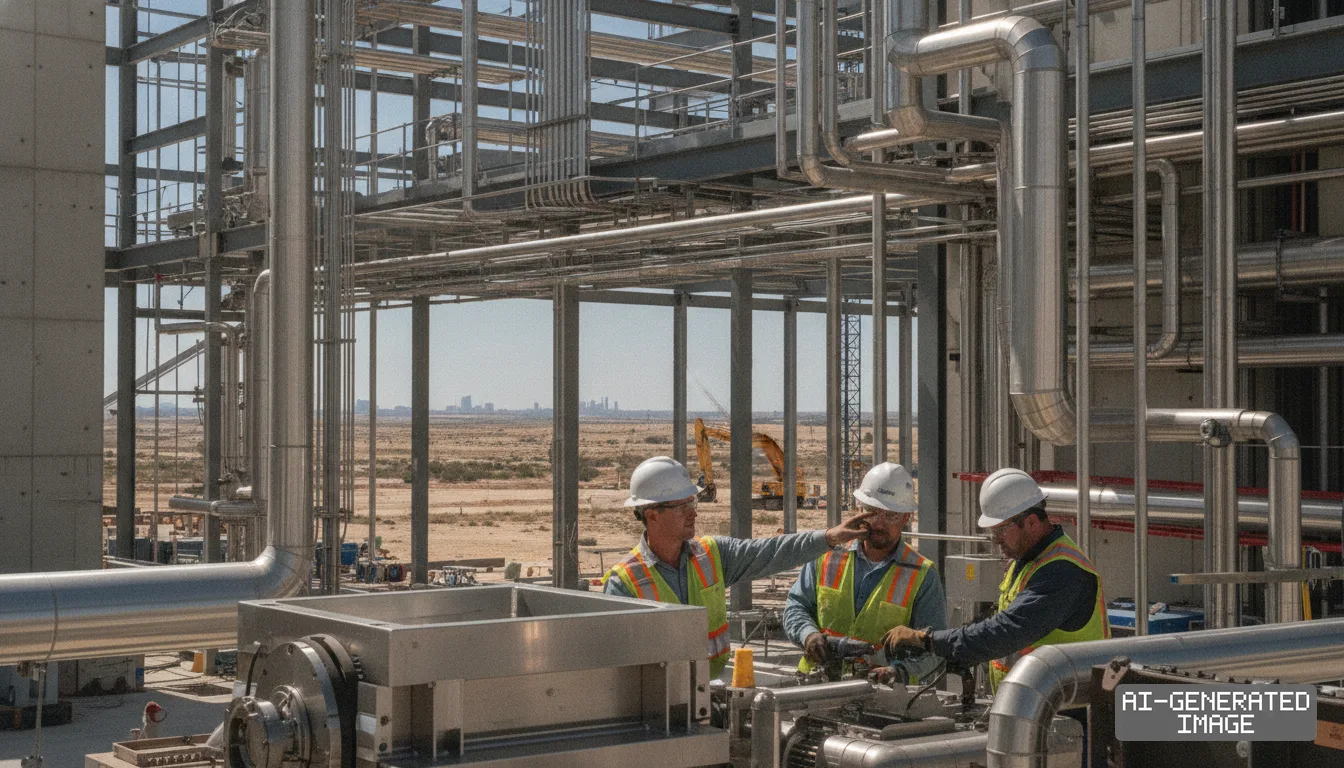
Taiwan Semiconductor Manufacturing Co. initiated preliminary planning on Sept. 29, 2026, to establish a second major U.S. manufacturing campus in the Dallas area of Texas.
The planned expansion aims to complement the company's multibillion-dollar manufacturing complex in Phoenix, Arizona. Supply chain participants in Taipei confirmed that site evaluation is underway in North Texas.
The proposed campus could host up to six advanced wafer fabrication facilities. That capacity would match the six wafer fabs TSMC has committed to its Arizona project.
United States clients generated 75.64% of TSMC's total revenue during the first half of 2026. That concentration has increased pressure on the foundry to build manufacturing lines near its primary buyers.
TSMC currently operates an advanced manufacturing site in Phoenix with a cumulative capital commitment of $265 billion. That program covers six wafer fabs, two advanced packaging plants and one dedicated research center.
The prospective Texas deployment could match or exceed that spending total over its construction lifetime. TSMC executives have reviewed regional incentives and utility availability in the Dallas-Fort Worth metroplex.
Nvidia, Apple and Advanced Micro Devices purchase the majority of TSMC's advanced logic output. Each customer has urged the contract chipmaker to insulate production from cross-strait geopolitical friction.
Nvidia alone consumes more than half of TSMC's advanced packaging capacity for artificial intelligence processors. The chip designer relies on TSMC for its entire volume of high-performance computing accelerators.
The Dallas region offers access to the Electric Reliability Council of Texas power grid. The area also hosts an existing cluster of semiconductor manufacturers, including Texas Instruments and Coherent.
Local utility infrastructure provides substantial industrial water reserves and high-voltage transmission access. Those inputs have grown increasingly scarce around TSMC's domestic science parks in Taiwan.
Taiwan's domestic fabs face chronic constraints in reserve electrical capacity and industrial land allocations. TSMC operates 19 wafer fabrication facilities and chip assembly plants on the island.
Building in Texas would create a southern manufacturing corridor spanning Arizona and the south-central United States. The setup would allow TSMC to transfer technical personnel between the two hubs.
Packaging logistics remain a critical bottleneck for American semiconductor customers. Chips processed on wafer lines in Arizona still require packaging steps before final assembly into system hardware.
TSMC's plan envisions dedicated packaging facilities in Texas alongside wafer lines. That integration would allow American customers to avoid shipping raw silicon across the Pacific for finishing.
Equipment vendors said TSMC has not issued binding purchase specifications for Texas cleanrooms. Tool manufacturers, including ASML and Applied Materials, have held only informal preliminary briefings with foundry procurement teams.
The company has not filed regulatory disclosures with the Taiwan Stock Exchange or the U.S. Securities and Exchange Commission regarding a Texas site. TSMC's board of directors has not formally approved capital outlays for the state.
A final investment decision depends on federal subsidy availability under subsequent industrial grant allocations. The company will require additional federal backing before breaking ground on new foundations.
TSMC has retained an engineering design service office in Austin, Texas, for more than two decades. That existing office provides the legal entity through which initial municipal discussions occurred.
Taiwan's Ministry of Economic Affairs cleared $44 billion in overseas outbound investment for TSMC between December 2020 and September 2026. The ministry reviews each foreign capital allocation under domestic technology safeguards.
The review rules require TSMC to maintain its most advanced production nodes at domestic sites. The foundry began volume production of its two-nanometer process at plants in Hsinchu and Kaohsiung earlier this year.
American fab deployments remain at least one generation behind Taiwan's domestic leading-edge nodes. TSMC Arizona is slated to introduce two-nanometer processing at its second Phoenix facility in 2028.
Rising tariff threats under U.S. trade policy have added financial incentives for onshore fabrication. American trade authorities have weighed expanded import levies on foreign-made logic components.
Direct local manufacturing shields TSMC's gross margins from border tariff assessments. Company finance officers have targeted corporate gross margins above 53% despite higher operational expenses in North America.
TSMC will hold its third-quarter earnings conference on Oct. 15, 2026. Executive management will address overseas capital expenditure targets and fab construction schedules during that meeting.
Impact map
How this development propagates across the region and out to global buyers.
| Event | Korea | China | Japan | Global impact |
|---|---|---|---|---|
| TSMC second US production hub planning | Samsung Electronics faces direct competition for foundry orders in Texas | Mainland chip designers face heightened exclusion from leading-edge foundry nodes | Tool suppliers such as Tokyo Electron book long-lead orders for US cleanrooms | US chip supply chain secures dual-hub domestic wafer fab and packaging network |
In this story
Track every Subsidies development → Track every Tariffs development →
Related briefings
- TSMC raises 2nm wafer target to 120,000 units as orders surge Also on Apple, TSMC, Nvidia
- MediaTek debuts first 2nm mobile AP built on TSMC N2P node Also on Apple, TSMC
- Xi Jinping plans business delegation for Donald Trump summit Also on Apple, Nvidia, Tariffs
- Qualcomm keeps TSMC for 2nm processors, shutting out Samsung Foundry Also on Apple, TSMC
Sources
Primary documents
Reporting
Confidence: high — how we grade this
The documents behind this briefing are linked above. East Asia Brief produces its English text with AI assistance under human editorial review, and does not translate or republish other outlets' articles. See our methodology and AI policy. Spotted an error? Tell us.
The Morning Brief
What changed in Korean, Chinese and Japanese industry overnight — and what it means for your supply chain. One email, weekday mornings, US time. Free.
The Morning Brief is in preparation. Leave your address and we will write to you once — when the first issue is ready. Nothing before that.