Japan Seeks US Help on China Yttrium Curbs as Metal Runs Out
Tokyo asked Washington to intervene with Beijing as Chinese yttrium oxide shipments fell 97.7% in early 2026, threatening severe shortages across electronics, defense and semiconductor plants.
Japan asked the United States on Oct. 20, 2026, to help convince Beijing to ease critical mineral export controls as domestic industrial stockpiles of yttrium dropped toward exhaustion.
The diplomatic request followed months of trade friction that halted shipments of yttrium oxide, a rare earth element used to stabilize ceramic electronics and protect jet engine turbine blades.
China exported 14.1 tonnes of yttrium oxide to Japan between January and May 2026. That volume represents a 97.7% decline from the 605.3 tonnes cleared during the same period in 2025, Chinese customs data show.
The bilateral supply collapse triggered severe market distortions. Data from commodity pricing agency Argus show yttrium oxide traded at about $1,150 per kilogram outside China, up 179-fold over two years, while Chinese domestic prices held at roughly $9 per kilogram.
Tokyo made direct entreaties to US officials and American multinational companies to seek relief, according to people familiar with the matter. Japanese stockpiles have fallen to levels that leave downstream manufacturers with only months of operating reserves.
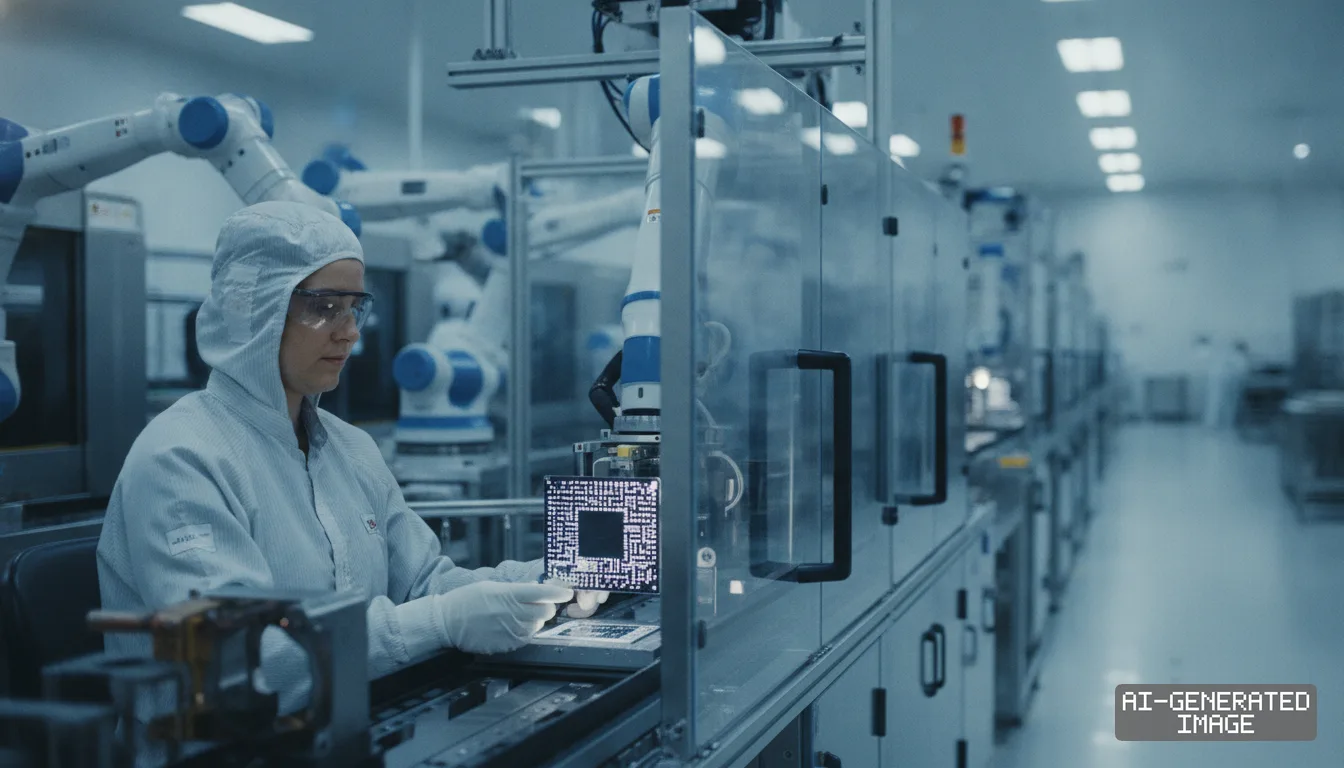
Yttrium serves as a critical structural input across precision manufacturing. In electronics, the mineral functions as an essential additive in multilayer ceramic capacitors (MLCCs) — miniature passive components that regulate electrical current across circuit boards.
Murata Manufacturing commands approximately 40% of the global MLCC market. The supplier requires steady volumes of high-purity yttrium oxide to preserve electrical capacitance and prevent dielectric breakdown under thermal stress.
Component maker TDK Corporation holds roughly 13% of worldwide MLCC output. The company relies on specialized yttrium formulations to maintain ceramic stability in automotive electronic control units and power modules.
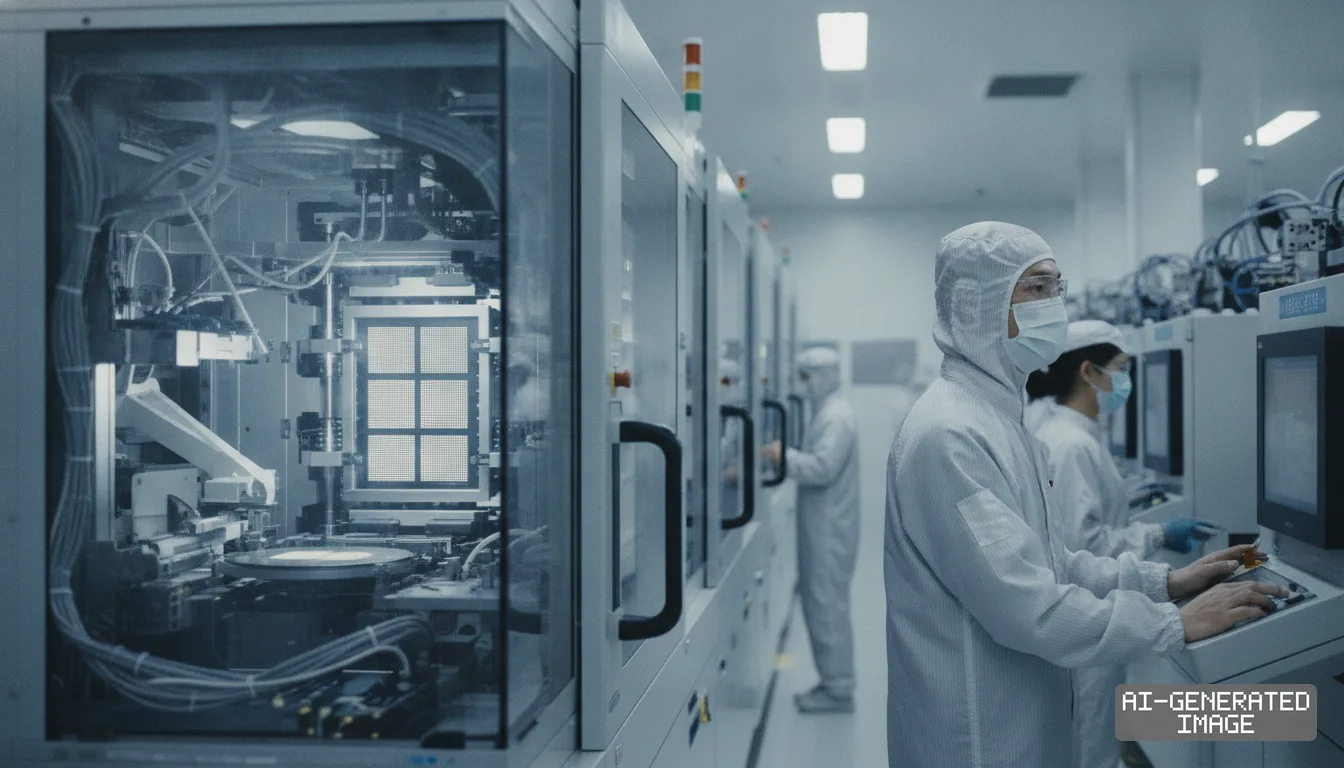
The mineral also protects semiconductor manufacturing tools from chemical degradation. Plasma etch tools employ protective yttria coatings inside vacuum chambers to withstand aggressive halogen gases during wafer processing.
Japan's precision materials fabricators supply these coated chamber liners to Tokyo Electron, which accounts for about 25% of the worldwide semiconductor dry-etch equipment market. A prolonged raw material freeze risks delaying equipment assembly schedules.
Export restrictions expanded under administrative actions published in Beijing over the past two years. China's Ministry of Commerce (MOFCOM) and the General Administration of Customs issued Announcement No. 18 on April 4, 2025.
The measure instituted mandatory export licenses for seven medium and heavy rare earth elements, specifically naming yttrium, samarium, gadolinium, terbium, dysprosium, lutetium and scandium.
Beijing tightened export enforcement on Jan. 6, 2026, barring dual-use items destined for Japanese military end-users or applications capable of enhancing defense capabilities.
Chinese regulators deepened the restrictions on Feb. 24, 2026, placing 20 Japanese aerospace and defense entities on a restricted trade list.
The action halted mineral licensing for Mitsubishi Heavy Industries Aero Engines, which produces combustor and turbine assemblies for commercial and allied military aircraft.
The order also targeted aerospace divisions of IHI Corporation, which supplies critical fan and compressor modules across international defense supply chains.
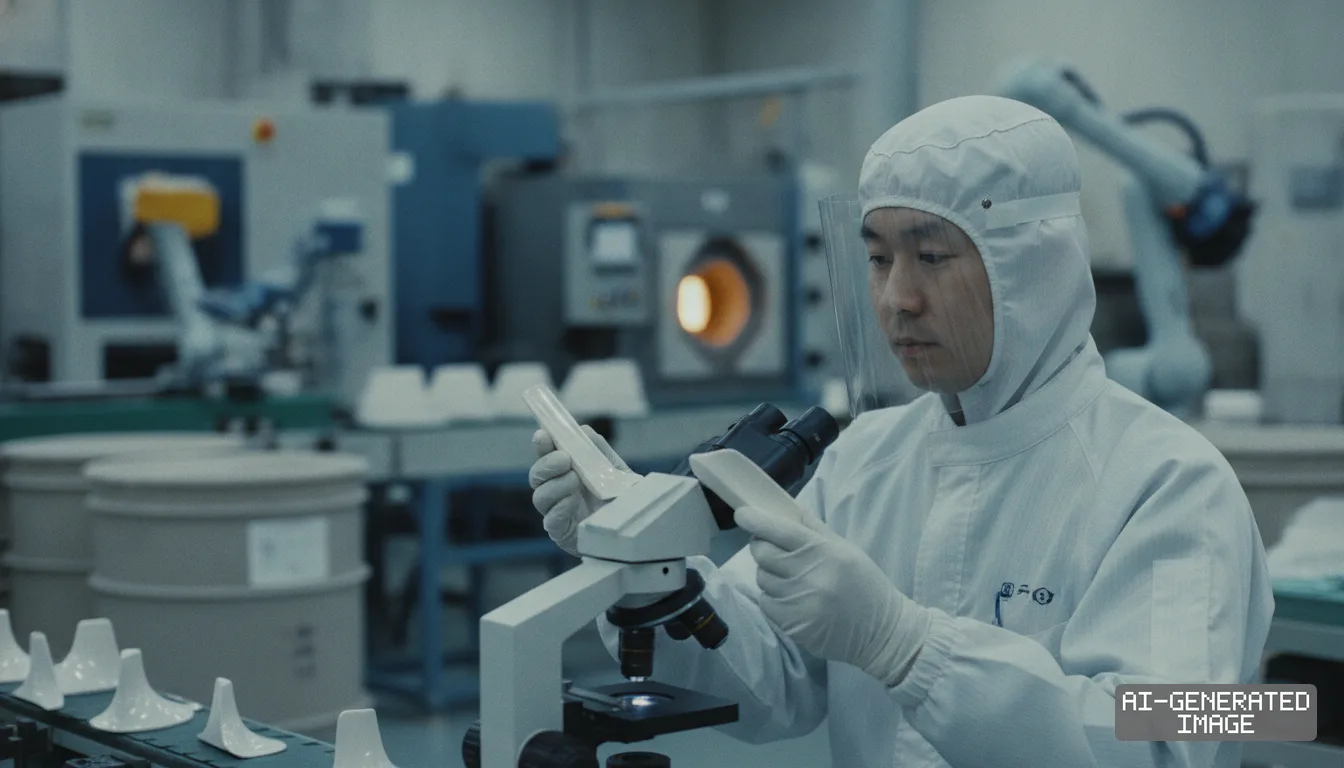
Both defense contractors use yttrium as a thermal barrier coating to prevent turbine blades from melting under extreme combustion temperatures.
Without access to fresh Chinese feedstock, Japanese processing facilities have operated by depleting strategic buffer stocks established after previous diplomatic disputes.
Senior Japanese officials warned that technical efforts to thrift or substitute the element have reached engineering limits, leaving manufacturers facing production cutoffs by early 2027.
Japan's Ministry of Economy, Trade and Industry has not published the remaining days of domestic yttrium reserves, keeping national stockpile tallies and company inventory totals classified.
The ministry and the US Treasury Department declined to comment on the bilateral diplomatic discussions, and Beijing has not confirmed any licensing concessions.
Allied manufacturers face a rigid calendar checkpoint. China's temporary suspension of dual-use curbs under Announcement No. 70 of 2025 is scheduled to expire on Nov. 10, 2026.
That suspension never included the April 2025 licensing requirements for heavy rare earths, leaving yttrium shipments subject to case-by-case clearance by Chinese security authorities.
Impact map
How this development propagates across the region and out to global buyers.
| Event | Korea | China | Japan | Global impact |
|---|---|---|---|---|
| Chinese yttrium export curbs | MLCC makers secure alternative non-Chinese ceramic dopants, monitor supply | Domestic refiners hold material at $9 per kilogram, boosting downstream costs abroad | Stockpiles near exhaustion as MHI Aero Engines and IHI face component constraints | Electronics and aerospace supply chains face input cost spikes at $1,150 per kilogram |
| Chinese yttrium export curbs | MLCC makers secure alternative non-Chinese ceramic dopants, monitor supply | Domestic refiners hold material at $9 per kilogram, boosting downstream costs abroad | Stockpiles near exhaustion as MHI Aero Engines and IHI face component constraints | Electronics and aerospace supply chains face input cost spikes at |
| Chinese yttrium export curbs | MLCC makers secure alternative non-Chinese ceramic dopants, monitor supply | Domestic refiners hold material at $9 per kilogram, boosting downstream costs abroad | Stockpiles near exhaustion as MHI Aero Engines and IHI face component constraints | Electronics and aerospace supply chains face input cost spikes at $1,150 per kilogram |
In this story
- Companies
- Mitsubishi Heavy IndustriesIHI CorporationMurata Manufacturing
- Tickers
- 7011.T7013.T6981.T
- Exposed
- Tokyo ElectronTDK Corporation
- Policy
- Export Controls
- Impact
- Supply ChainCost StructureCompliance
Track every Export Controls development →
Related briefings
- Murata completes Vietnam inductor plant for power components Also on Murata Manufacturing, TDK Corporation
- Japan leads India FDI with $5.7 billion as factories expand Also on Murata Manufacturing, Cost Structure
- Japan urges China to expedite rare earth export approvals Also on TDK Corporation, Export Controls, Compliance
- China magnet export controls near end of one-year suspension Also on TDK Corporation, Export Controls, Compliance
Sources
Primary documents
Reporting
Confidence: high — how we grade this
The documents behind this briefing are linked above. East Asia Brief produces its English text with AI assistance under human editorial review, and does not translate or republish other outlets' articles. See our methodology and AI policy. Spotted an error? Tell us.
The Morning Brief
What changed in Korean, Chinese and Japanese industry overnight — and what it means for your supply chain. One email, weekday mornings, US time. Free.
The Morning Brief is in preparation. Leave your address and we will write to you once — when the first issue is ready. Nothing before that.