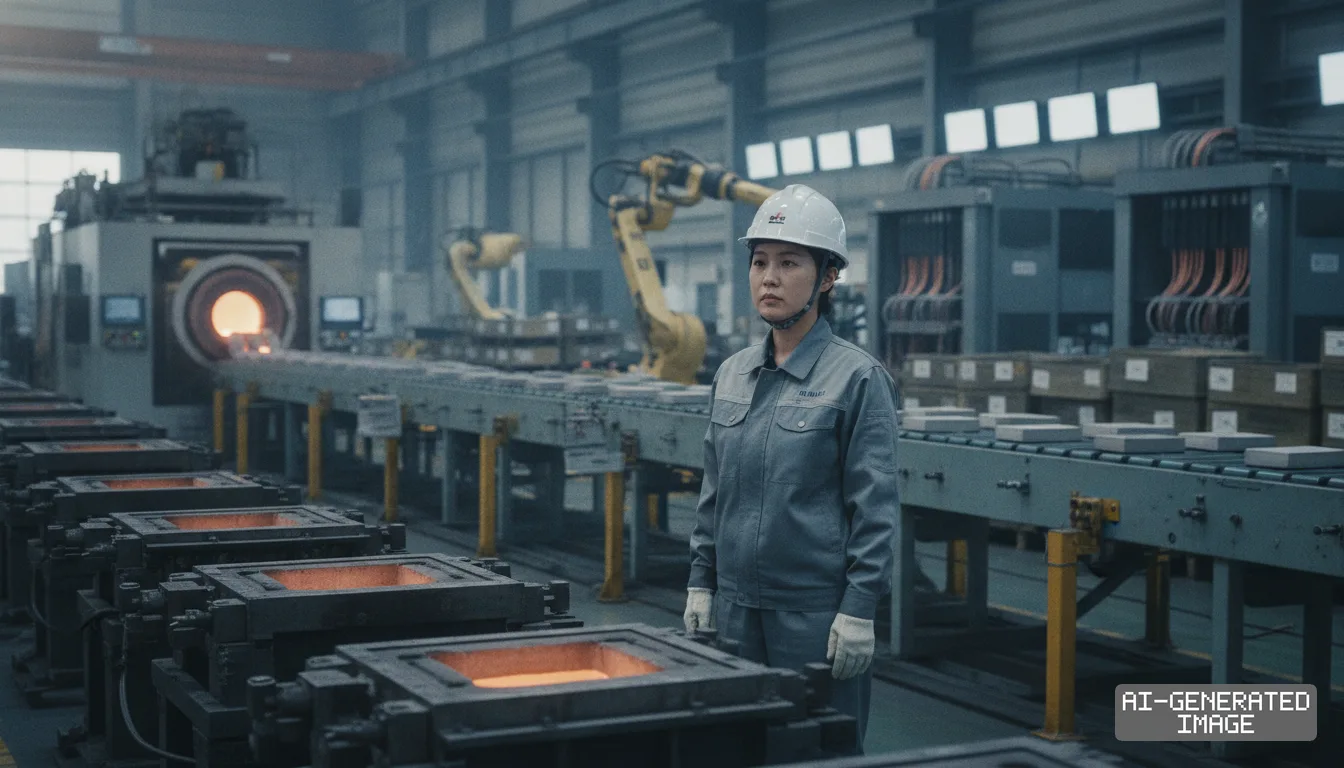
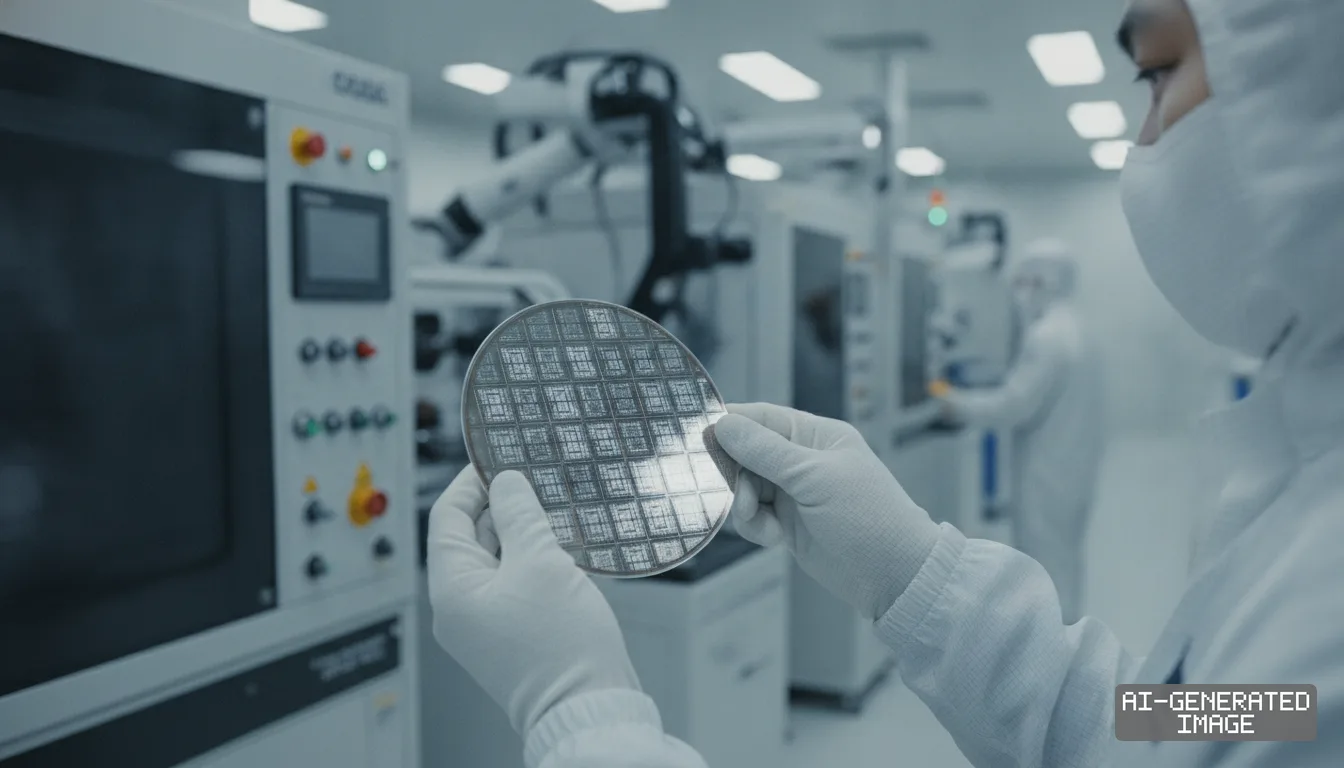
SK hynix awards $50M chip tool contract to Korea's KCTech
The 69.90 billion won award lifts the supplier's November order intake from SK hynix to $65.0 million with deliveries scheduled through June 2027.
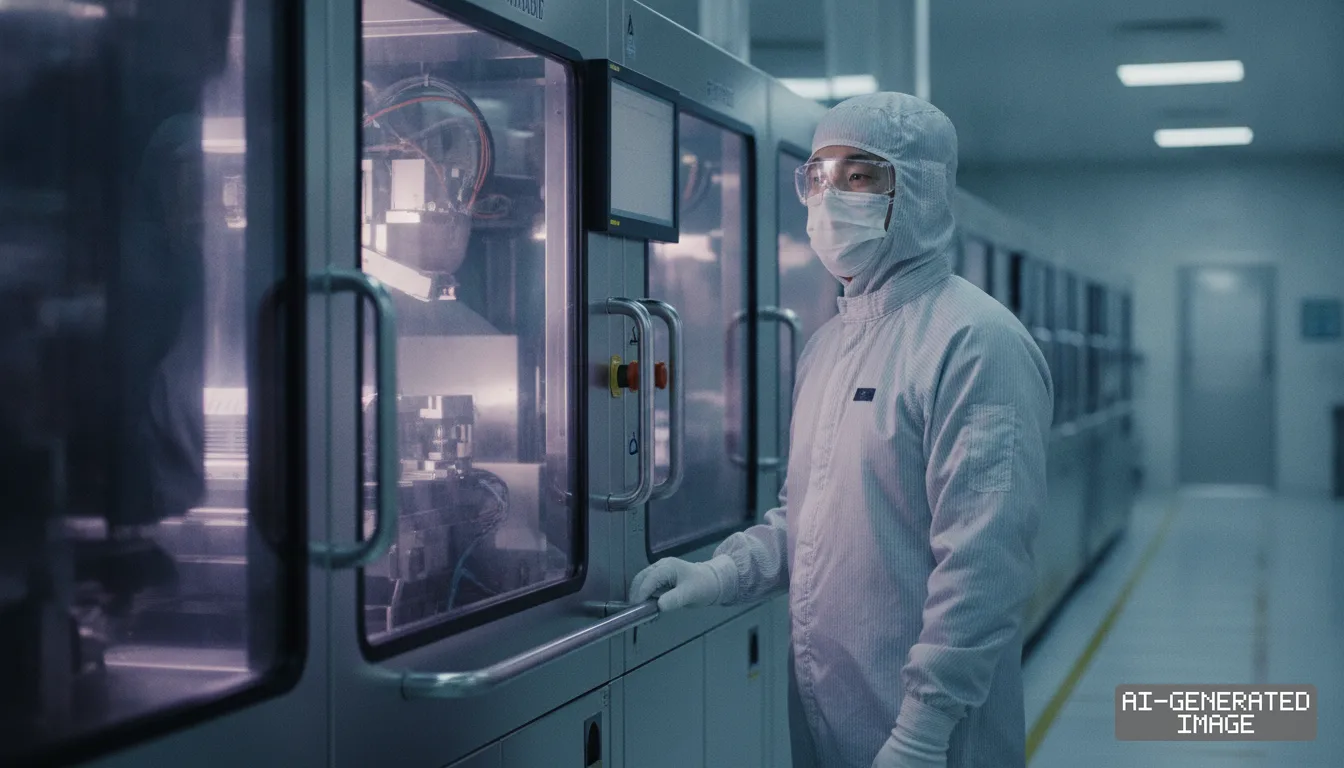
KCTech received a 69.90 billion won ($49.9 million) tool order from SK hynix on Nov. 17, 2026, marking its second major manufacturing equipment award from the chipmaker in a week.
The supply contract equals 18.26% of the vendor's 2025 consolidated revenue of 382.86 billion won ($273.5 million). Deliveries will run through June 25, 2027, according to regulatory disclosures filed with financial authorities.
The transaction follows a 21.12 billion won ($15.1 million) tool contract awarded by SK hynix on Nov. 10. Together, the two orders total 91.02 billion won ($65.0 million), representing 23.77% of KCTech's 2025 revenue.
Commercial terms attach no advance payment or upfront deposit to the purchase order. SK hynix will disburse 90% of the contract value upon equipment delivery, releasing the final 10% balance after completing on-site inspection.
KCTech supplies chemical mechanical planarization (CMP) platforms and wet cleaning systems to South Korean memory manufacturers. The Anseong-based toolmaker competes against global vendors including Applied Materials and Ebara in domestic fabrication facilities.
Planarization tools smooth wafer surfaces by combining liquid chemical slurries with abrasive mechanical polishing pads. Advanced memory architectures require flat wafer topographies to prevent structural lithography defects during multilayer deposition cycles.
High-bandwidth memory assemblies stack multiple dynamic random-access memory dies vertically using through-silicon vias. Each added die layer multiplies the polishing steps required to thin silicon substrates and expose copper interconnect pads.
As die stacks expand from eight-high to 12-high and 16-high configurations, planarization processing passes per wafer rise steadily. Memory manufacturers have expanded capital allocations for chemical mechanical polishing and post-polish cleaning stations.
Wet cleaning systems remove slurry chemical residues and microscopic abrasive particles left on wafer surfaces after polishing. Contaminants remaining on dielectric surfaces cause electrical shorts across densely packed vertical interconnect arrays.
SK hynix has accelerated equipment installations across its domestic fabrication sites in Icheon and Cheongju. The memory producer has expanded dedicated cleanrooms to support high-bandwidth memory shipments bound for artificial intelligence accelerator processors.
Chemical mechanical planarization tools operate alongside chemical slurries containing microscopic ceria or silica abrasive particles. Tool installations create recurring consumable demand for polishing fluids, retaining rings and polyurethane pads throughout the equipment life cycle.
Advanced packaging lines require precision wafer thinning down to tens of micrometers before final die bonding. Non-uniform polishing across ultra-thin wafers causes substrate warpage, making automated cleaning and process control critical to production yield.
South Korean memory producers have expanded qualification pipelines for domestic equipment vendors to diversify procurement sources. Domestic toolmakers offer shorter technical response times and lower equipment installation costs than overseas competitors.
KCTech has supplied front-end polishing platforms for conventional dynamic random-access memory and 3D NAND lines for over a decade. The vendor has sought wider qualification across advanced packaging and back-end wafer integration steps.
Single-wafer processing platforms and specialized polishing heads carry higher unit selling prices than legacy equipment. Tool vendors securing volume placements in advanced nodes typically achieve higher gross margins on spare parts and maintenance contracts.
Applied Materials holds the largest share of the global planarization tool market, while Japan's Ebara supplies precision polishing platforms. KCTech remains the primary South Korean manufacturer with commercial chemical mechanical planarization production capacity.
SK hynix allocated elevated capital expenditure to back-end processing and high-bandwidth memory lines throughout 2026. The memory producer has prioritized bottleneck fabrication steps where wafer throughput limits finished module delivery rates.
The regulatory filing notes that final contract amounts and completion dates may shift during fab execution. Memory producers frequently adjust equipment delivery schedules to match cleanroom construction progress and facility utility readiness.
All equipment covered by the agreement will ship to domestic production facilities located in South Korea. The contract does not cover overseas manufacturing facilities operated by SK hynix in Wuxi, China.
The regulatory filing lists the supplied goods generically as semiconductor manufacturing equipment. It does not state whether the order consists of planarization polishers, wet cleaning systems, or dedicated high-bandwidth memory packaging tools.
Equipment build schedules at KCTech's assembly plants will occupy manufacturing floor space through the first half of 2027. Tool shipments will ramp gradually as SK hynix prepares designated fab bays for installation.
Equipment contracts of this size absorb a large share of KCTech's annual production capacity. Competing domestic toolmakers face higher qualification hurdles as SK hynix standardizes specific cleaning and polishing platforms across fabs.
Deliveries under the contract conclude on June 25, 2027, according to the regulatory filing. SK hynix engineers will then conduct fab-line acceptance tests before issuing final sign-off for commercial operation.
Impact map
How this development propagates across the region and out to global buyers.
| Event | Korea | China | Japan | Global impact |
|---|---|---|---|---|
| SK hynix tool order | KCTech books 69.90 billion won order, lifting November SK hynix awards to 91.02 billion won | Wuxi DRAM fab excluded from delivery scope, domestic Korean fabs prioritize HBM lines | Ebara faces Korean domestic vendor competition on secondary CMP tool slots | Advanced memory packaging lines absorb more polishing passes as layer counts rise |
In this story
- Companies
- KCTechSK hynix
- Tickers
- 281820.KS000660.KS
- Exposed
- Applied MaterialsEbara
- Impact
- Order BookCapexSupply Chain
Related briefings
- Axcelis Invests $35 Million in South Korea Equipment Plant Also on Applied Materials, SK hynix, Order Book
- ASML and tool makers see China sales share plunge in third quarter Also on Applied Materials, SK hynix, Order Book
- Senator Cotton demands US blacklist on CXMT as DRAM share hits 10% Also on Applied Materials, SK hynix
- Korea opens US talks as tool license delays hit SK hynix Dalian Also on Applied Materials, SK hynix
Sources
Primary documents
Reporting
Confidence: high — how we grade this
The documents behind this briefing are linked above. East Asia Brief produces its English text with AI assistance under human editorial review, and does not translate or republish other outlets' articles. See our methodology and AI policy. Spotted an error? Tell us.
The Morning Brief
What changed in Korean, Chinese and Japanese industry overnight — and what it means for your supply chain. One email, weekday mornings, US time. Free.
The Morning Brief is in preparation. Leave your address and we will write to you once — when the first issue is ready. Nothing before that.