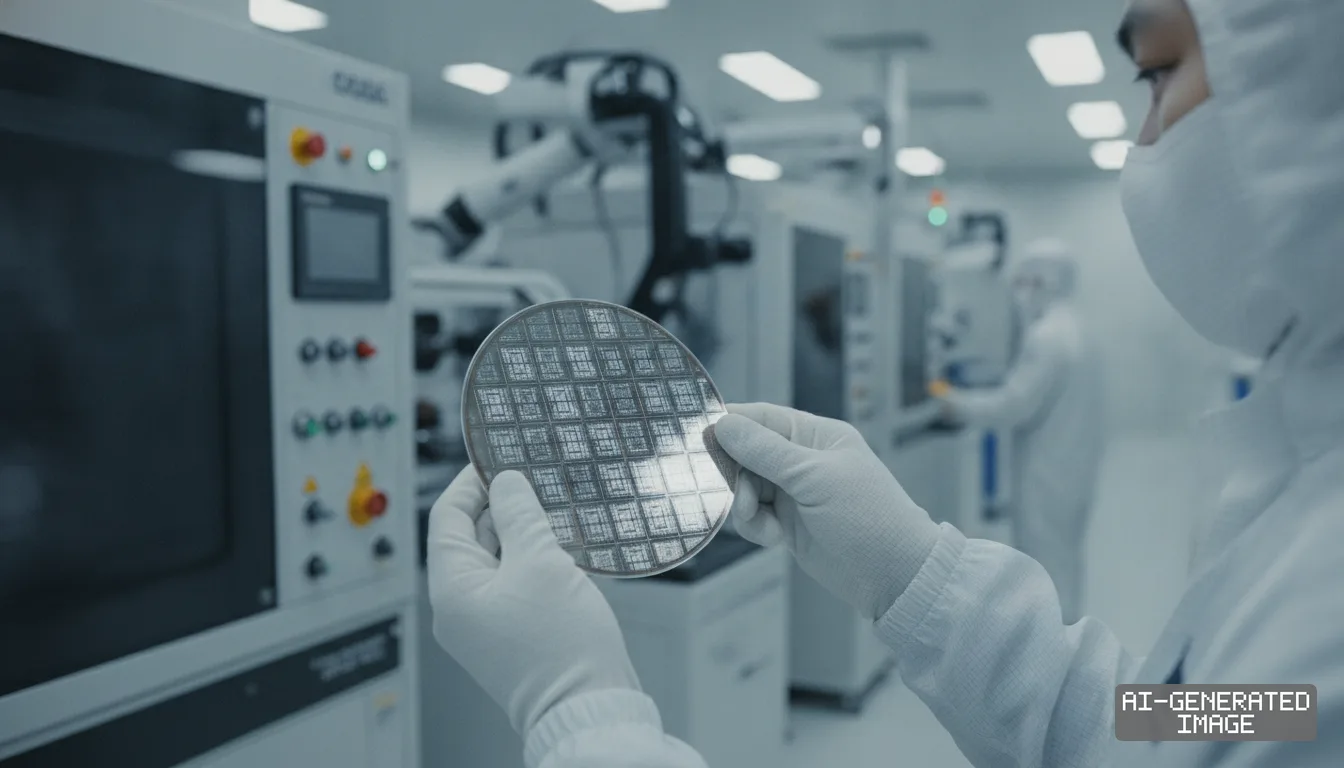
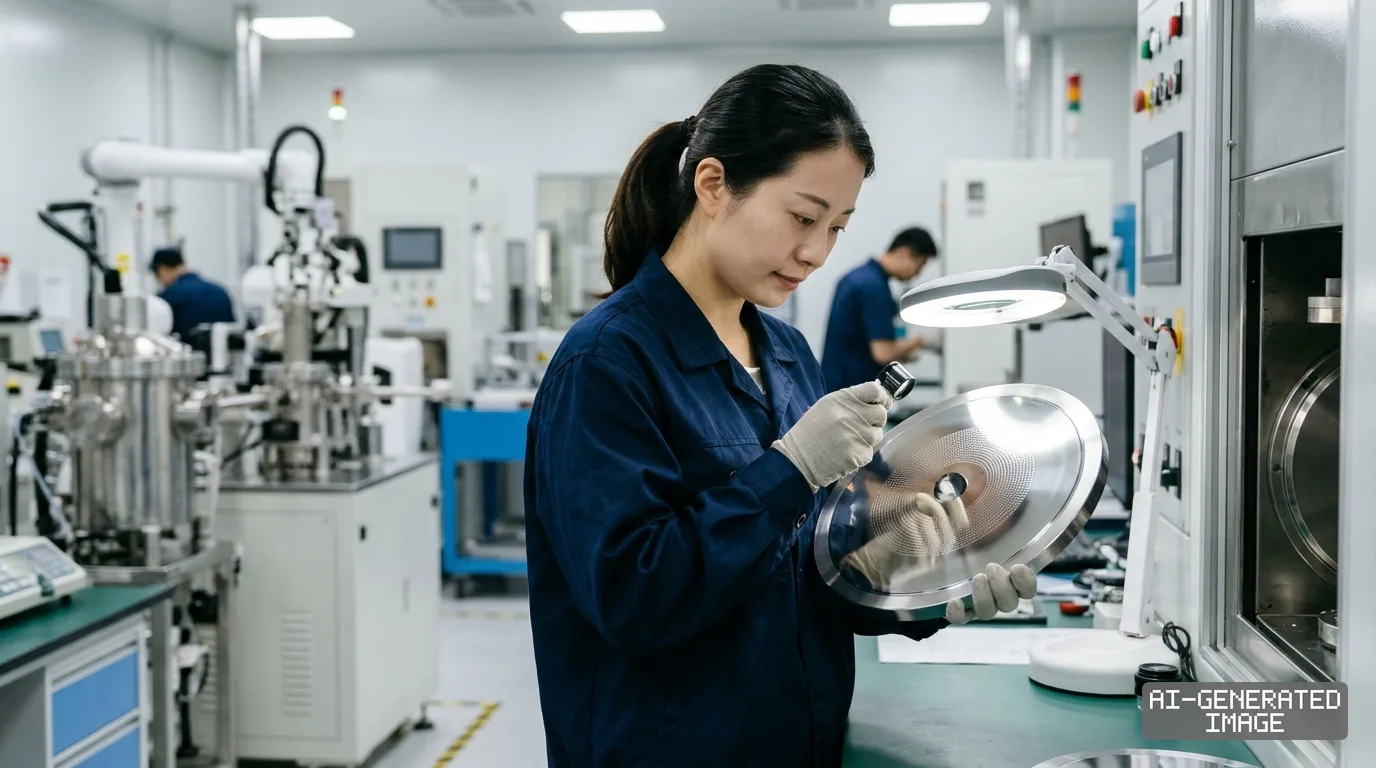
Korea weighs $720M state loan for POSCO rare earth magnet supply
The facility from the 150 trillion won National Growth Fund funds ventures in Malaysia and North America to cut reliance on Chinese imports.
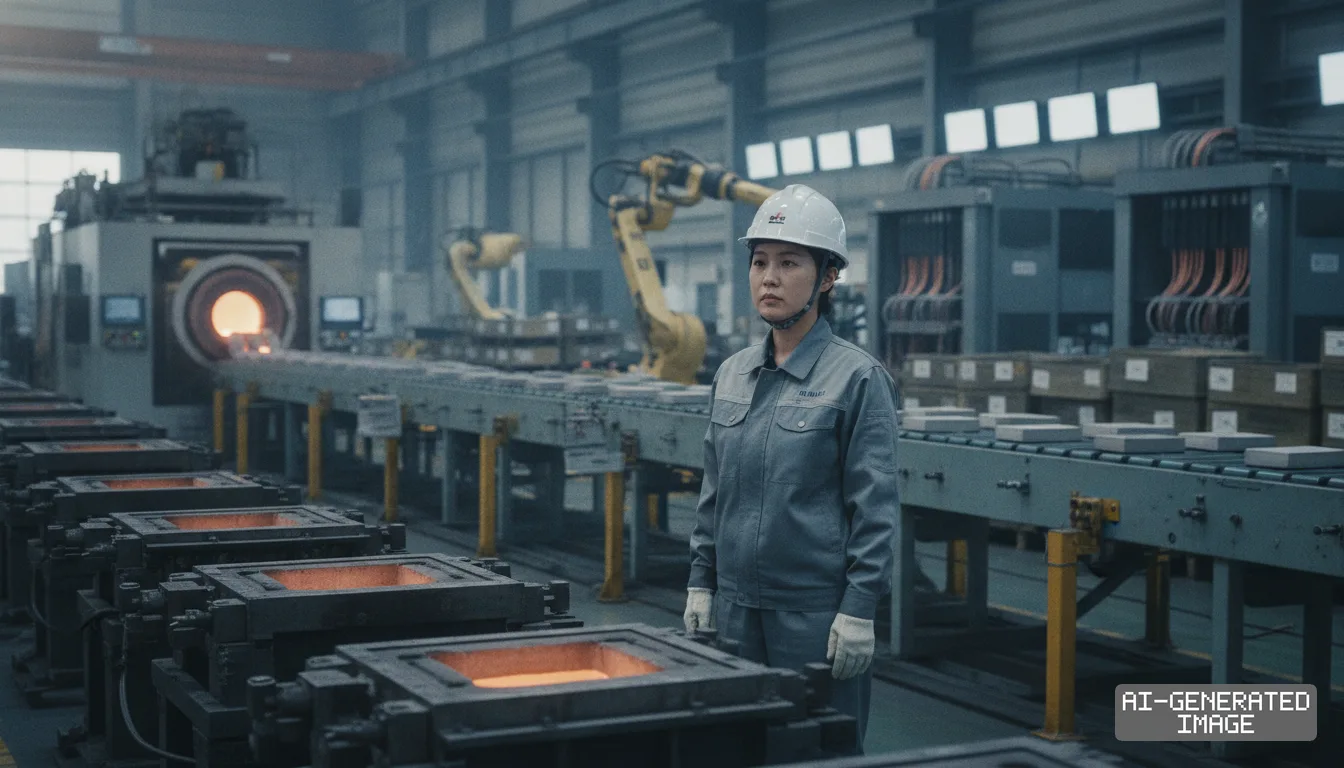
South Korea's financial authorities entered talks Nov. 17 with POSCO International to provide about 1 trillion won ($720 million) in state-backed loans for overseas rare earth permanent magnet projects.
The proposed loan facility draws from the government's 150 trillion won ($108 billion) National Growth Fund. The multi-year financing program supports strategic manufacturing investments across high-technology export industries.
South Korea currently imports over 90% of its permanent magnets from China. That dependence leaves domestic electric vehicle makers and robotics builders exposed to potential export licensing controls on processed heavy rare earths.
The 1 trillion won facility represents the first proposed deployment from the fund into the critical minerals sector. The National Growth Fund previously authorized capital for projects across 10 of its 13 designated strategic fields.
The funding would also mark the first time the National Growth Fund backs overseas assets. POSCO International structured the application as a combined package covering two or three overseas mining and refining operations.
Under the proposal, POSCO International plans to channel low-interest policy debt into rare earth separation facilities in Malaysia. The company aims to process ionic clay ores sourced across Southeast Asia into separated oxides.
POSCO International secured intermediate mineral feedstock in Malaysia and Laos to support annual processing capacity of 4,500 tons. The trading firm intends to refine that material outside China to supply its downstream magnet partnerships.
The trading company also formed a 25 billion won corporate venture capital fund in March with affiliate POSCO Investment. That vehicle committed 8 billion won to an undisclosed South Korean specialist with proprietary metal separation technology.
In North America, POSCO International signed an agreement in May with ReElement Technologies to build a $200 million processing complex. The planned facility integrates rare earth separation with sintered permanent magnet manufacturing in the United States.
The American plant targets 3,000 metric tons of separated rare earth oxides annually in its initial phase. A planned second phase would double capacity to 6,000 metric tons ahead of scheduled 2028 commercial production.
POSCO International and ReElement established a joint feedstock task force to supply the American plant. The team manages raw material sourcing from Southeast Asian mines, Brazilian clay deposits and end-of-life permanent magnet scrap.
POSCO International broadened its upstream procurement in July by signing a non-binding strategic partnership with Meteoric Resources. The Australian developer operates the Caldeira ionic adsorption clay rare earth deposit in Minas Gerais, Brazil.
The agreement outlines supply terms that allow POSCO International to purchase up to 30% of Caldeira's rare earth output over seven years. The Korean company also agreed to help Meteoric secure export credit agency loans.
Permanent magnets require heavy rare earth elements including dysprosium and terbium to retain magnetic properties at high operating temperatures. China controls virtually all commercial separation capacity for those two heavy rare earth elements.
POSCO Group processes separated rare earths into sintered neodymium-iron-boron magnets used in electric vehicle traction motors. The group combines the magnets with electrical steel to manufacture drive motor cores for North American and European automakers.
POSCO International holds long-term delivery contracts with international automotive manufacturers that require non-Chinese material provenance. Western trade standards and local-content regulations penalize vehicles built with critical minerals refined in China.
South Korea's Ministry of Trade, Industry and Energy framed overseas mineral financing as a national economic priority in July. The ministry introduced loan guarantees and stockpiling initiatives to insulate domestic industrial manufacturing lines from geopolitical shocks.
The Ministry of Economy and Finance separately coordinates resource investments through its Supply Chain Stabilization Committee. That inter-ministerial body aims to expand commercial mineral inventories and raise national recycling rates to 20% by 2030.
Working-level negotiations between financial regulators and company managers remain focused on debt pricing and collateral requirements. The two sides have not settled the final interest margin or terms governing debt refinancing schedules.
The Financial Services Commission has not published an official funding decision, and POSCO International has not filed a regulatory disclosure confirming loan terms.
South Korea's fund management deliberation committee reviews candidate projects before Dec. 31, 2026 to determine whether the facility receives final authorization.
Impact map
How this development propagates across the region and out to global buyers.
| Event | Korea | China | Japan | Global impact |
|---|---|---|---|---|
| Korea National Growth Fund rare earth loan proposal | POSCO International seeks 1 trillion won in low-interest credit for overseas refining | State refiners face customer diversification as Korean EV magnet lines source outside China | Rare earth trading houses face tighter competition for non-China ionic clay feedstocks | Automotive supply chains gain 6,000 metric tons of ex-China separated oxides by 2028 |
In this story
- Companies
- POSCO International
- Tickers
- 047050.KS
- Exposed
- Meteoric ResourcesReElement Technologies
- Policy
- Subsidies
- Impact
- Supply ChainCapexCompliance
Track every Subsidies development →
Related briefings
- Vulcan Elements wins US Army drone permanent magnet contract Also on ReElement Technologies, Compliance, Subsidies
- Lynas buys Meteoric for $672M to control Brazil rare earths Also on Meteoric Resources, Posco International
- Lynas expands rare earth refining as China export curbs hold Also on Meteoric Resources, Subsidies
- KOGAS shifts LNG storage protocols to smooth winter inventory builds Also on POSCO International, Subsidies
Sources
Primary documents
Reporting
Confidence: high — how we grade this
The documents behind this briefing are linked above. East Asia Brief produces its English text with AI assistance under human editorial review, and does not translate or republish other outlets' articles. See our methodology and AI policy. Spotted an error? Tell us.
The Morning Brief
What changed in Korean, Chinese and Japanese industry overnight — and what it means for your supply chain. One email, weekday mornings, US time. Free.
The Morning Brief is in preparation. Leave your address and we will write to you once — when the first issue is ready. Nothing before that.