Panasonic Industry expands high-speed circuit laminate output as AI server demand surges
Japanese electronic materials suppliers accelerate capital expenditure in Southeast Asia and China to secure low-loss substrate supply for high-power computing boards.

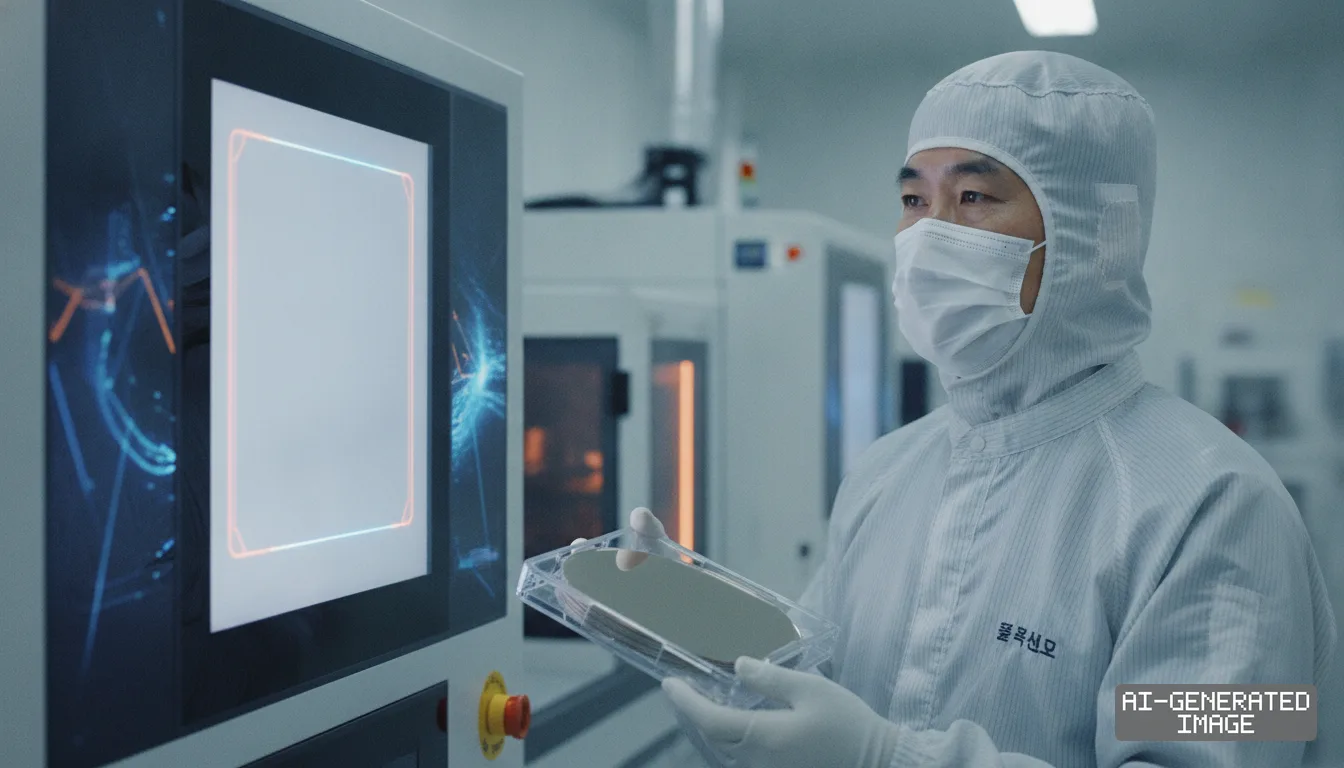
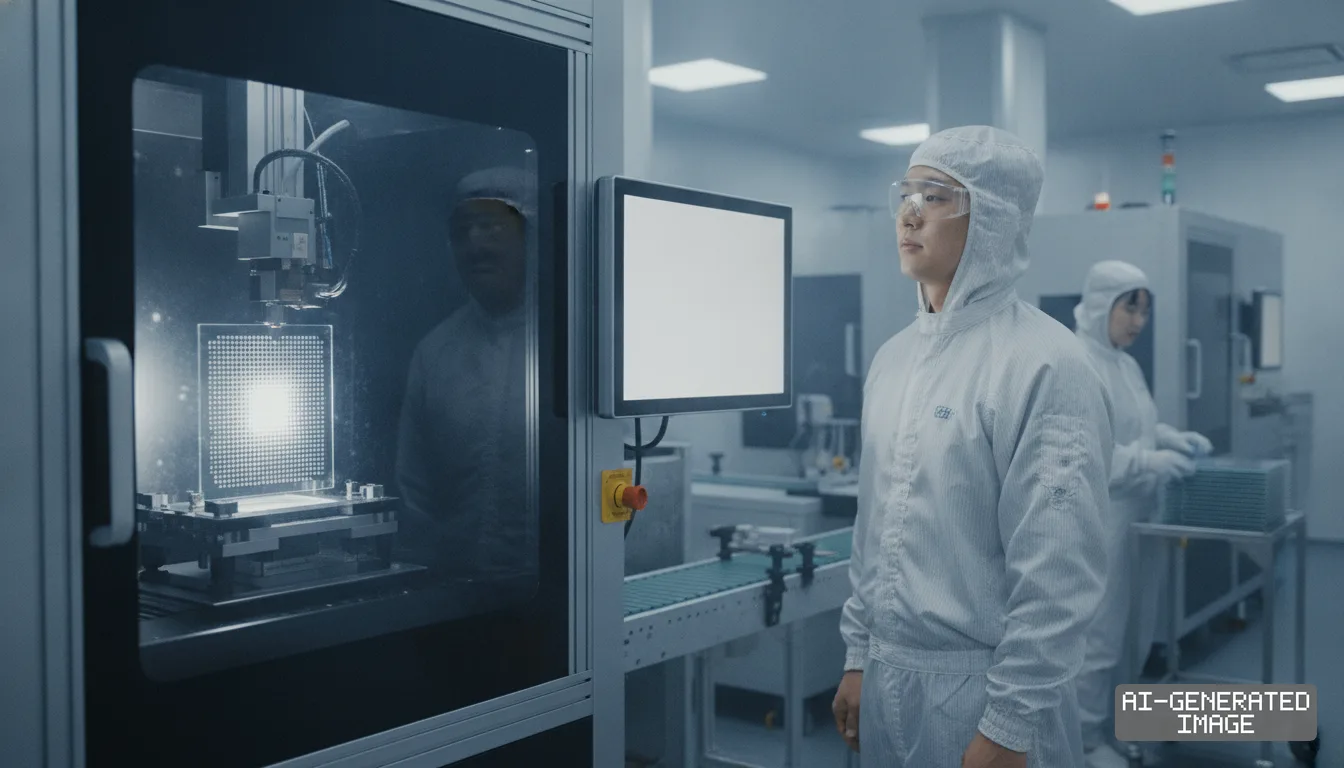
Panasonic Industry said Sept. 12, 2025 that it would invest 17 billion yen ($115 million) to construct a manufacturing facility in Ayutthaya, Thailand, to double output of multi-layer circuit board materials.
The investment expands production of the MEGTRON series, a specialized line of copper-clad laminates — the resin-and-copper base sheets used to build printed circuit boards — that minimize electrical signal loss at high frequencies.
The Ayutthaya facility will begin trial operations in November 2027 and reach commercial mass production by March 2029, the end of fiscal 2028, according to the company.
Artificial intelligence hardware designs require circuit boards that handle high data transmission rates while enduring severe thermal stress. Liquid-cooled server racks operating above 100 kilowatts concentrate heat across compute trays, forcing server designers to specify laminates with high glass transition temperatures and ultra-low dielectric loss.
Panasonic Industry followed the Southeast Asian expansion with an additional investment announcement on March 4, 2026. The company committed 7.5 billion yen to add a production line at its subsidiary in Guangzhou, China.
The Guangzhou facility manufactures MEGTRON 6 for telecommunications infrastructure and MEGTRON 8 for high-speed computing hardware. Initial operations on the new line will begin in April 2027, the company said.
The dual expansions position the Japanese materials supplier to serve printed circuit board fabricators across both Southeast Asia and mainland China. Those fabricators assemble accelerator boards, baseboards and network interface cards for North American cloud service providers and server original design manufacturers.
On the same day, March 4, 2026, Panasonic Industry entered the liquid-cooling hardware market directly. The company began accepting orders in Europe for coolant distribution units — pumping systems that circulate fluid through server racks — with capacities of 400 kilowatts and 800 kilowatts.
The twin moves link the supplier to both board-level materials and facility-level thermal management systems. High-density server clusters increasingly require direct-to-chip liquid cooling loops to dissipate thermal loads generated by multi-die graphics processors and custom application-specific integrated circuits.
Materials suppliers across Japan are directing research and capital expenditure toward the mechanical and electrical bottlenecks created by advanced computing hardware.
Resonac Corporation said Feb. 12, 2025 that it had developed a low-thermal-expansion copper-clad laminate engineered for semiconductor packages exceeding 100 millimeters by 100 millimeters. The company scheduled commercial mass production to begin during 2026.
Larger package sizes aggregate multiple compute dies and high-bandwidth memory stacks on a single substrate. As component dimensions grow, differences in thermal expansion between silicon chips and organic core materials cause physical warpage and solder joint cracking during thermal cycling.
Resonac applied multiscale finite element method analysis — a computational modeling method that simulates stress distribution across microscopic fiber and resin interfaces — to optimize the laminate formulation.
The resulting material demonstrated a fourfold improvement in temperature cycle durability compared to standard package substrates, according to the company.
AI compute clusters operating with 800-gigabit and 1.6-terabit Ethernet interconnects face stringent signal attenuation limits. High-frequency electrical pulses degrade rapidly when passing through conventional FR-4 epoxy laminates, creating latency and packet errors.
To preserve signal integrity across motherboard traces, server designers require copper-clad laminates with a dielectric constant below 3.2 and a dissipation factor below 0.002. Meeting those electrical targets requires specialized low-loss resins, low-profile copper foils and low-dielectric glass cloth.
Japanese suppliers control key positions across these high-tier laminate categories. Upstream chemical producers in Japan provide bismaleimide triazine resins, spherical silica fillers and specialized glass cloth, giving domestic laminate makers integrated access to critical raw materials.
Hyperscale cloud operators and merchant silicon vendors mandate strict qualification protocols for laminate materials. A material specification embedded in a reference board design typically locks in supplier allocations for multi-year hardware generations.
The expansion projects in Ayutthaya and Guangzhou will increase available capacity for next-generation server platforms scheduled for volume deployment late in the decade.
Board fabricators in Taiwan and Southeast Asia will begin qualifying materials from the expanded facilities during pilot manufacturing runs ahead of the 2027 commercial start dates, the companies said.
Impact map
How this development propagates across the region and out to global buyers.
| Event | Korea | China | Japan | Global impact |
|---|---|---|---|---|
| AI server laminate ramp | package substrate makers secure core materials | PCB fabricators expand MEGTRON lines | materials suppliers scale low-loss resin output | AI server supply chains ease substrate bottlenecks |
In this story
- Companies
- Panasonic IndustryResonac Corporation
- Tickers
- 6752.T4004.T
- Exposed
- NvidiaTaiwan Semiconductor Manufacturing CompanyUnimicron Technology
- Policy
- Economic Security
- Impact
- Supply ChainCapexCost Structure
Track every Economic Security development →
Related briefings
- Japanese epoxy mold makers reformulate resins to tame warpage in 16-high memory Also on Panasonic Industry, Nvidia
- Ibiden and Shinko ramp high-layer FC-BGA lines as AI server package sizes expand Also on Taiwan Semiconductor Manufacturing Company, Nvidia
- Foundries Standardize 300mm Silicon Photonics PDKs for AI Optical Interconnects Also on Taiwan Semiconductor Manufacturing Company, Nvidia
- Lasertec ships EUV pellicle defect inspection tools for sub-2nm chip production Also on Taiwan Semiconductor Manufacturing Company
Sources
Reporting
Confidence: medium — how we grade this
The documents behind this briefing are linked above. East Asia Brief produces its English text with AI assistance under human editorial review, and does not translate or republish other outlets' articles. See our methodology and AI policy. Spotted an error? Tell us.