Lasertec ships EUV pellicle defect inspection tools for sub-2nm chip production
Japanese metrology specialist Lasertec and Finland's Canatu integrate dedicated CNT pellicle inspection systems to secure photomask defect control as 2-nanometer foundries scale up.
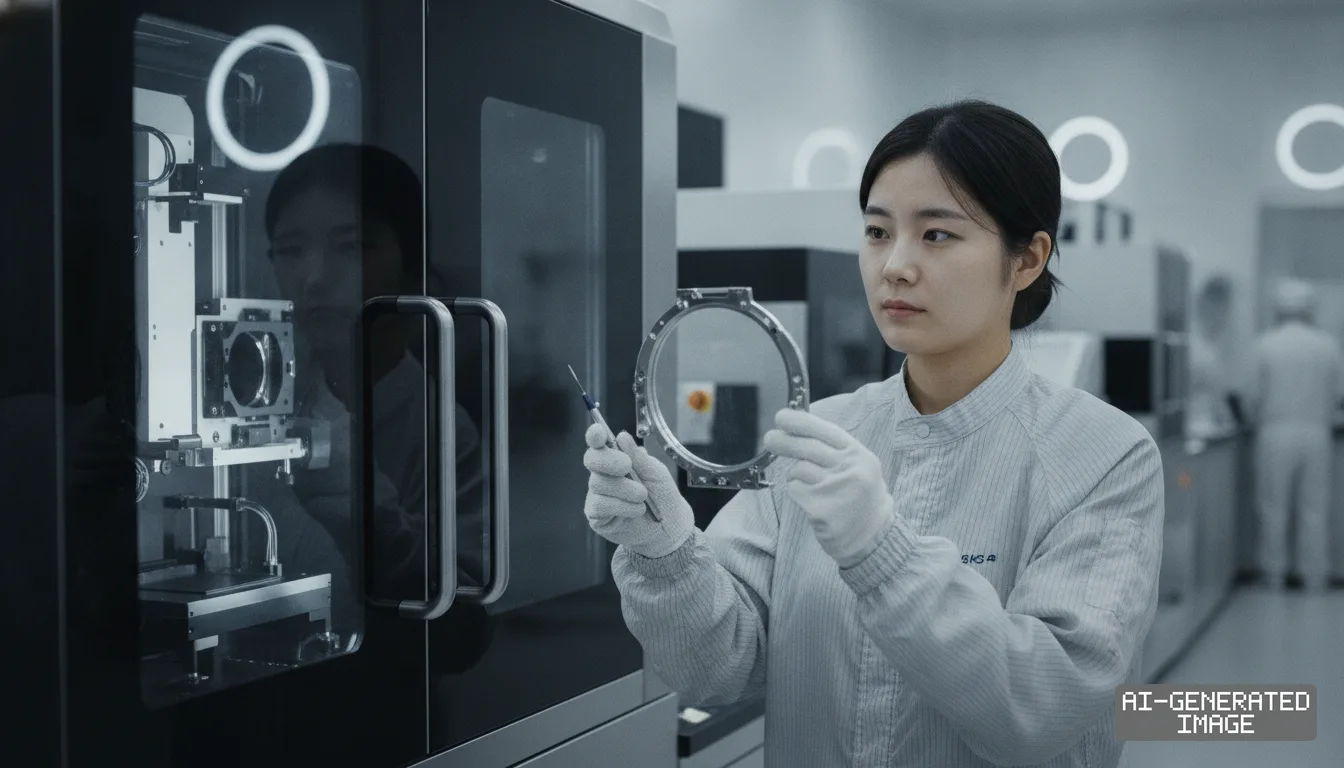
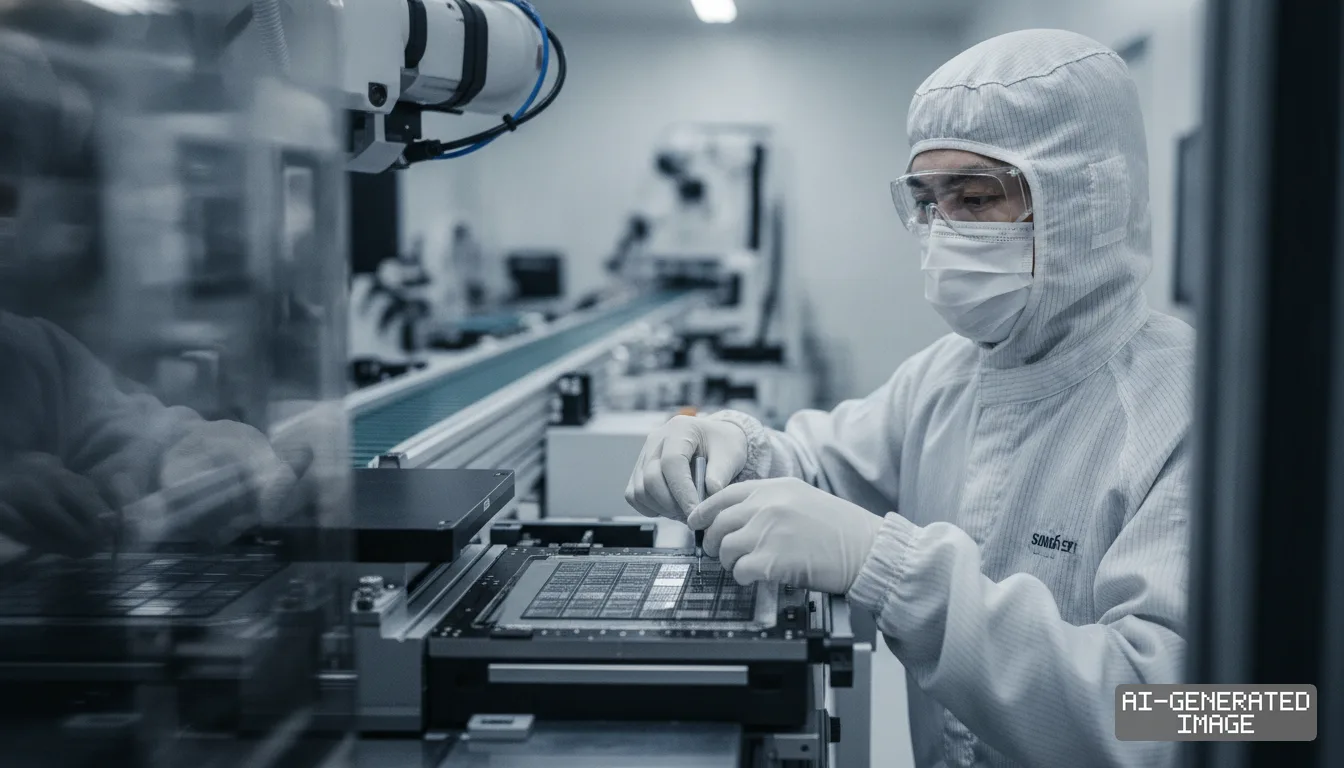
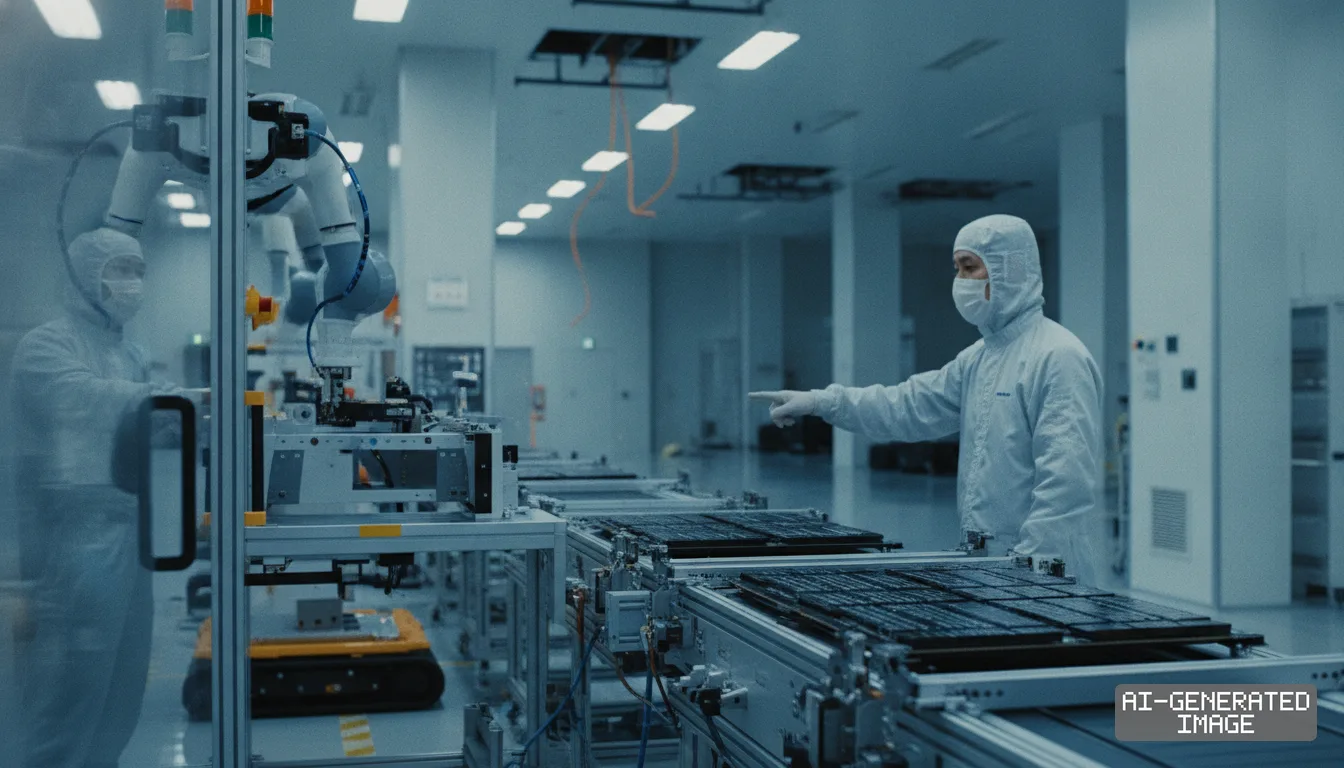
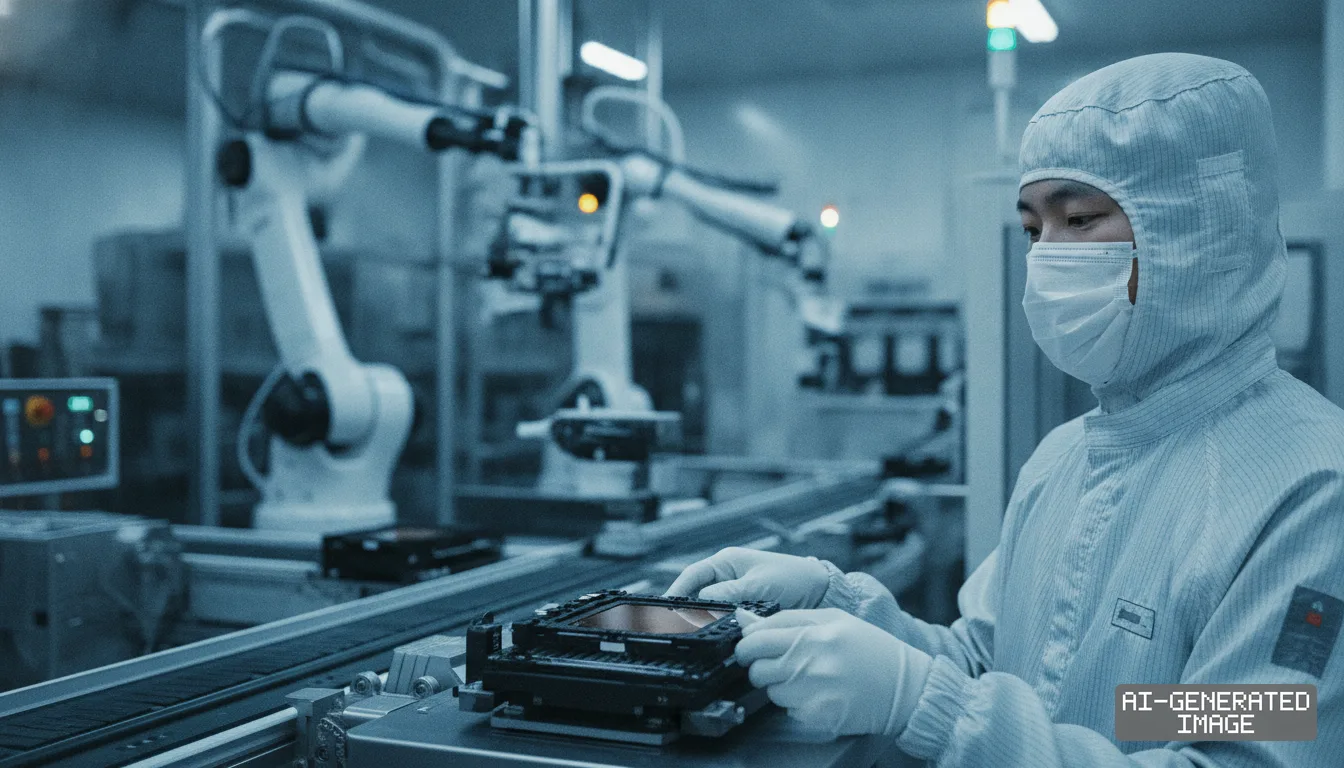
Lasertec Corporation has begun commercial deliveries of dedicated extreme ultraviolet pellicle inspection systems designed for 2-nanometer and sub-2-nanometer semiconductor fabrication, expanding its dominance over critical lithography defect detection. The Yokohama-based metrology equipment maker introduced its PELMIS series to inspect freestanding EUV pellicle membranes and automatically classify nanoscale particulate contaminants on both the front and back surfaces of pelliclized photomasks.
Extreme ultraviolet lithography relies on reflective photomasks to print microcircuit patterns onto silicon wafers, where even sub-micron dust particles can replicate catastrophic printing errors across thousands of dies. Pellicles act as ultra-thin, highly transparent protective dust covers mounted millimeters above the photomask surface, shielding intricate circuit patterns from airborne debris within vacuum scanner chambers.
As leading foundries transition from 3-nanometer processes to 2-nanometer architectures and prepare for High Numerical Aperture EUV systems, standard polysilicon pellicle membranes face structural and thermal limitations under extreme ultraviolet light sources operating above 400 to 500 watts. Advanced foundries and material suppliers are turning to carbon nanotube pellicles, which provide extreme thermal resilience and high optical transmittance exceeding 90 percent. Inspecting these nanoscale carbon meshes requires specialized optical instruments capable of detecting sub-micron particles without damaging delicate membrane structures.
Lasertec structured its EUV metrology roadmap around a dual-track architecture that pairs standalone membrane inspection with through-pellicle mask verification. The company followed the initial launch of its PELMIS platform in December 2024 with the release of the PELMIS EPM200 in July 2025, specifically configured to inspect carbon nanotube membranes and verify cleanliness standards before mask integration. This platform operates alongside Lasertec's actinic patterned mask inspection tools, including the ACTIS A300 released in November 2023 and the high-throughput ACTIS A200HiT deployed in October 2025, which utilize an actinic 13.5-nanometer light source to examine patterned photomasks through mounted pellicles.
The commercialization of dedicated EUV pellicle metrology addresses a critical bottleneck in the advanced semiconductor supply chain. Finland-based carbon nanotube specialist Canatu Plc invested in Lasertec's PELMIS inspection system in August 2025 to validate pellicle membranes produced by its proprietary CNT100 SEMI reactors for commercial foundry customers. The system enables Canatu to inspect freestanding membranes for particles down to 1 micron, isolating contamination on either side of the mesh before shipping pellicles to photomask manufacturing centers and foundry fabrication lines.
For advanced foundries manufacturing gate-all-around nanosheet transistors at the 2-nanometer node, photomask defect management directly governs wafer yields and multimillion-dollar tool economics. A single repeating defect caused by an unverified particle on an EUV mask can ruin an entire production batch of server processors or artificial intelligence accelerators. Conventional deep ultraviolet inspection methods lack the sensitivity and wavelength compatibility needed to detect printable phase defects through carbon nanotube meshes, compelling foundry procurement teams to standardize actinic and dedicated pellicle inspection workflows.
Lasertec holds an effective monopoly in actinic EUV patterned mask inspection, positioning the company as an indispensable supplier to leading logic foundries, merchant photomask shops, and memory producers. By introducing the PELMIS line for standalone pellicle qualification, the Japanese equipment maker secures both ends of the EUV reticle inspection chain, capturing metrology spending at raw membrane producers, mask houses, and high-volume wafer fabrication facilities. Competitors developing non-actinic optical inspection systems or electron-beam tools face substantial technical hurdles in matching the throughput and through-pellicle defect capture rates required for continuous mass production.
Canatu is integrating the PELMIS inspection platform at its Vantaa manufacturing facility in Finland to qualify commercial shipments of carbon nanotube pellicles for 2-nanometer and sub-2-nanometer foundry lithography lines. Lasertec continues full-scale manufacturing of its PELMIS EPM200 and ACTIS series at its Japanese production hubs, with delivery schedules aligned with customer tool installations at advanced 2-nanometer fabrication facilities worldwide.
Impact map
How this development propagates across the region and out to global buyers.
| Event | Korea | China | Japan | Global impact |
|---|---|---|---|---|
| 2nm EUV pellicle inspection | foundry yield | advanced node barrier | metrology monopoly | sub-2nm scanner uptime |
In this story
- Companies
- Lasertec CorporationCanatu Plc
- Tickers
- 6920.TCANATU.HE
- Exposed
- Taiwan Semiconductor Manufacturing CompanyIntel Corporation
- Policy
- Economic Security
- Impact
- Supply ChainCapexCost Structure
Track every Economic Security development →
Related briefings
- AMD Reaffirms TSMC Alliance While Evaluating Rival Foundries Also on Intel Corporation
- Japan mask blank makers qualify High-NA EUV substrates for sub-2nm chips Also on Lasertec Corporation
- SK hynix and foundries advance hybrid bonding for AI silicon in 2027 Also on Taiwan Semiconductor Manufacturing Company, Cost Structure
- Ibiden and Shinko ramp high-layer FC-BGA lines as AI server package sizes expand Also on Taiwan Semiconductor Manufacturing Company, Cost Structure
Sources
Reporting
Confidence: medium — how we grade this
The documents behind this briefing are linked above. East Asia Brief produces its English text with AI assistance under human editorial review, and does not translate or republish other outlets' articles. See our methodology and AI policy. Spotted an error? Tell us.
The Morning Brief
What changed in Korean, Chinese and Japanese industry overnight — and what it means for your supply chain. One email, weekday mornings, US time. Free.
The Morning Brief is in preparation. Leave your address and we will write to you once — when the first issue is ready. Nothing before that.