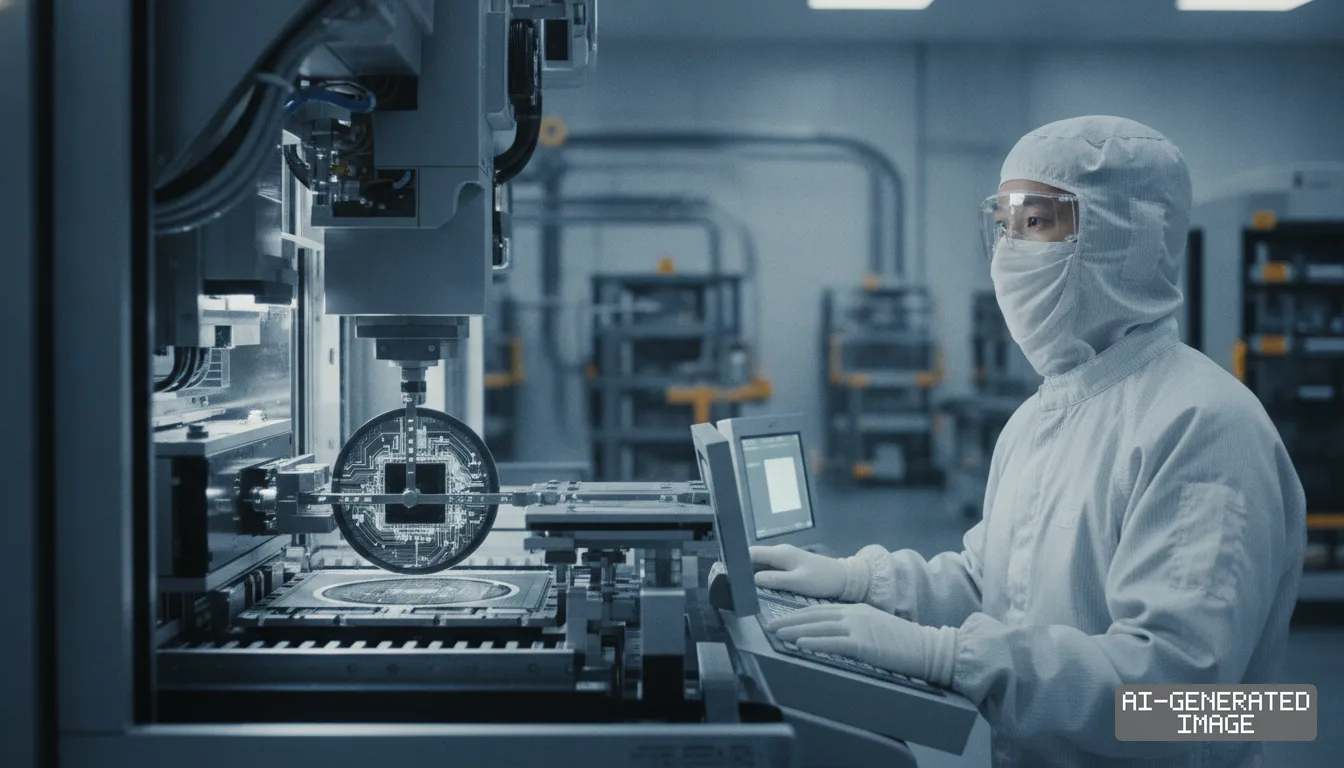
Micron recruits Korean packaging talent for $7B Singapore HBM lines
The US memory chipmaker began hiring engineers in Seoul on Nov. 23 after installing initial cleanroom equipment for early 2027 production.
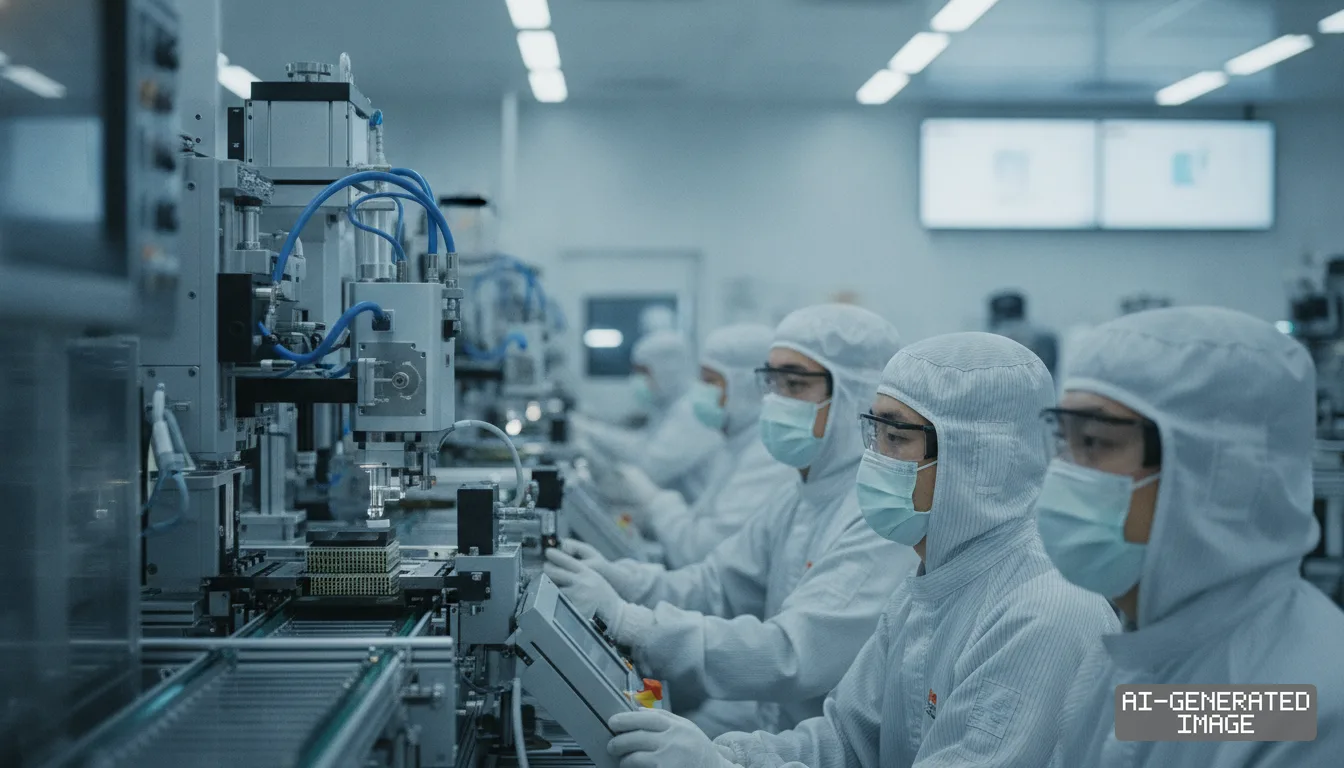
Micron Technology launched an on-site talent recruitment drive in Seoul on Nov. 23, 2026, seeking advanced packaging engineers to staff expanding High-Bandwidth Memory backend lines across Singapore and Taiwan.
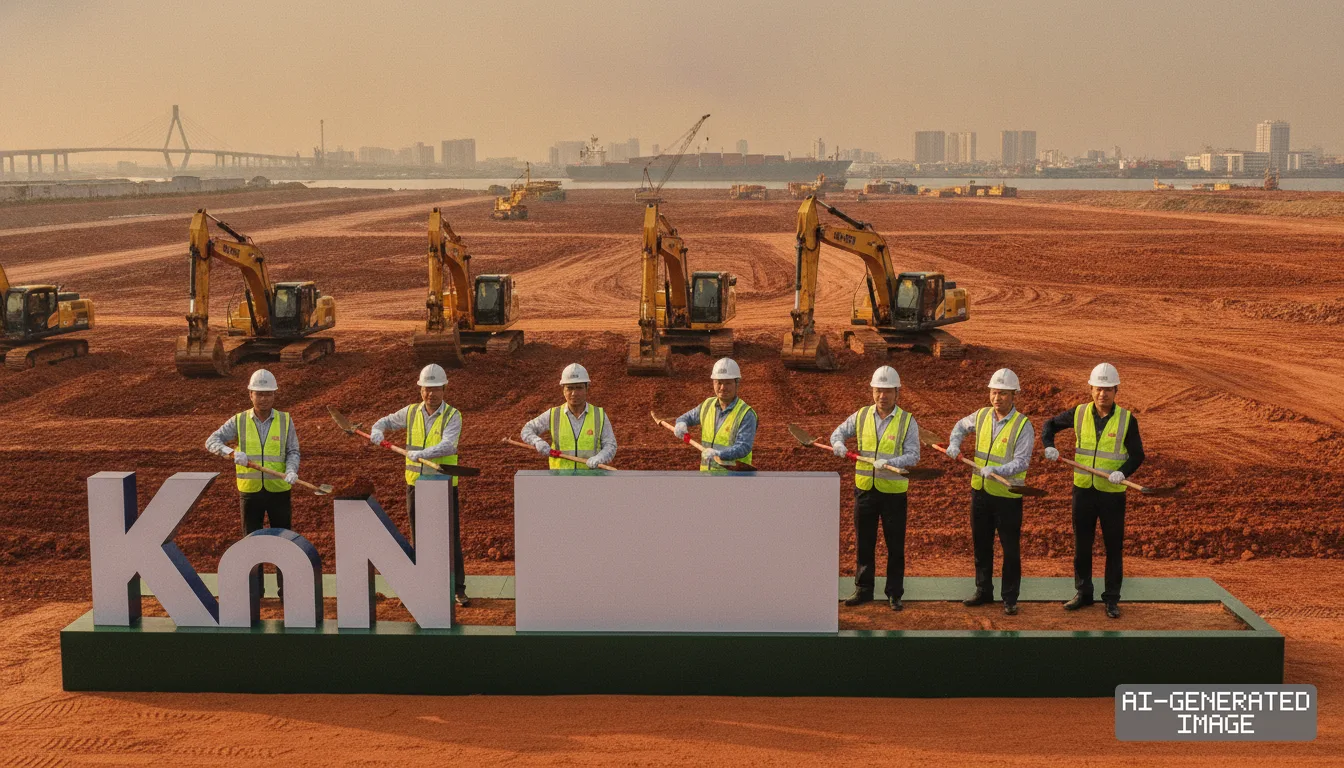
The hiring campaign supports a $7.0 billion advanced packaging project in Singapore, where Micron installed its first cleanroom process tool on Nov. 19, 2026.
The Singapore plant targets initial production output in early 2027 to capture market share from SK hynix and Samsung Electronics, which together control roughly 90% of global High-Bandwidth Memory shipments.
High-Bandwidth Memory stacks dynamic random-access memory dies vertically using through-silicon vias — microscopic vertical channels etched through silicon to transmit electrical signals — to feed data to artificial intelligence processors.
Advanced packaging capacity has overtaken front-end wafer fabrication as the tightest chokepoint in artificial intelligence hardware delivery, extending lead times for data center accelerators.
Micron broke ground on the Singapore packaging facility in January 2025 at its existing manufacturing complex, intending to house high-precision thermocompression bonding tools.
The site will initially generate about 1,400 engineering and technical positions, according to project details released by the Singapore Economic Development Board during the tool installation ceremony.
The facility operates alongside an adjacent $24 billion wafer fabrication plant that broke ground in January 2026, creating an integrated manufacturing cluster for artificial intelligence memory components.
Micron expanded its regional backend footprint on Oct. 15, 2026, by opening its second advanced assembly and test plant, known as AATT2, in Taichung, Taiwan.
Planned 2027 packaging capacity at the Taichung facility is already fully sold out, Micron Chief Operating Officer Manish Bhatia said during the opening ceremony.
Taiwan hosts roughly 15,000 Micron employees and represents more than NT$1.6 trillion ($49.3 billion) in cumulative capital deployment by the Idaho-based chipmaker.
The company relies on thermo-compression bonding with non-conductive film to assemble its 24-gigabyte eight-layer and 36-gigabyte 12-layer HBM3E stacks.
SK hynix uses mass reflow molded underfill — a technique applying liquid epoxy underfill after gang bonding — to assemble modules for artificial intelligence server accelerators manufactured by Nvidia.
South Korean memory makers retain an entrenched market lead, with SK hynix controlling approximately 50% of global High-Bandwidth Memory shipments through multi-year agreements with leading chip designers.
Samsung Electronics accounts for roughly 40% of the market and has expanded commercial shipments of 12-layer HBM3E units after completing client validation procedures late this year.
Micron holds less than 10% of global shipments, but executives stated in regulatory filings that customer agreements cover the vast majority of its calendar 2027 bit output.
High-Bandwidth Memory modules command selling prices approximately five times higher than standard server dynamic random-access memory, incentivizing heavy capital reallocation toward backend cleanrooms.
To support that output trajectory, Micron opened technical interview suites at the COEX convention center in Seoul on Nov. 23, 2026, running recruitment sessions through Nov. 29, 2026.
The recruitment drive targets South Korean process engineers specializing in wafer thinning, fluxless die bonding and micro-bump inspection, seeking specialists for cleanrooms in Singapore, Taiwan and Japan.
While backend packaging lines expand, Micron faces construction delays at its front-end dynamic random-access memory expansion in Taoyuan, Taiwan, where work on Fab 11E remains suspended.
The Fab 11E cleanroom project carries an estimated capital budget between $3.0 billion and $4.5 billion, but construction halted in mid-October 2026 following a labor union dispute over profit-sharing compensation.
A mediation session between company management and the Taoyuan labor union concluded on Nov. 17, 2026, without an agreement after workers pressed for permanent profit-sharing arrangements.
The Taichung labor union agreed on Oct. 21, 2026, to a quarterly performance bonus program, leaving the Taoyuan facility as the single unresolved labor site in Micron's Taiwan footprint.
Mediation between Micron and the Taoyuan labor union resumes on Nov. 26, 2026, while commercial wafer packaging at the Singapore plant remains scheduled to commence in early 2027.
Micron has not published any joint capital expenditure increase or expedited completion timetable covering its Singapore and Taiwan sites.
Formal tool qualification runs and test production inside the Singapore cleanroom will continue through the second quarter of 2027 before high-volume commercial shipping begins.
Impact map
How this development propagates across the region and out to global buyers.
| Event | Korea | China | Japan | Global impact |
|---|---|---|---|---|
| Asia packaging expansion | SK hynix and Samsung face margin pressure as Micron targets 20-25% HBM bit share | Domestic suppliers remain confined to legacy DRAM without advanced packaging access | Micron Hiroshima fab integrates front-end wafers with Singapore and Taiwan backend lines | AI server makers gain third high-volume supplier for 12-layer HBM3E and HBM4 stacks |
In this story
- Companies
- Micron TechnologySK hynixSamsung Electronics
- Tickers
- MU000660.KS005930.KS
- Exposed
- Nvidia
- Impact
- CapexSupply ChainOrder Book
Related briefings
- Samsung awards $17M Protec bonding tool contract for HBM fab Also on Micron Technology, Nvidia, SK hynix
- Anthropic prices $81.3B IPO, binding AI compute to Korean memory Also on Micron Technology, Nvidia, SK hynix
- TSMC and Samsung unify 3nm base die specs for Nvidia custom HBM Also on Micron Technology, Nvidia, SK hynix
- TSMC reviews vertical 3D DRAM production after Nvidia request Also on Micron Technology, Nvidia, SK hynix
Sources
Primary documents
Reporting
Confidence: high — how we grade this
The documents behind this briefing are linked above. East Asia Brief produces its English text with AI assistance under human editorial review, and does not translate or republish other outlets' articles. See our methodology and AI policy. Spotted an error? Tell us.
The Morning Brief
What changed in Korean, Chinese and Japanese industry overnight — and what it means for your supply chain. One email, weekday mornings, US time. Free.
The Morning Brief is in preparation. Leave your address and we will write to you once — when the first issue is ready. Nothing before that.