Khanh An breaks ground on $61M rare earth refinery in Hai Phong
The 1.58 trillion dong facility in the Xuan Cau zone will process Lao Cai feedstock into separated oxides by late 2028 to build domestic critical mineral supply.
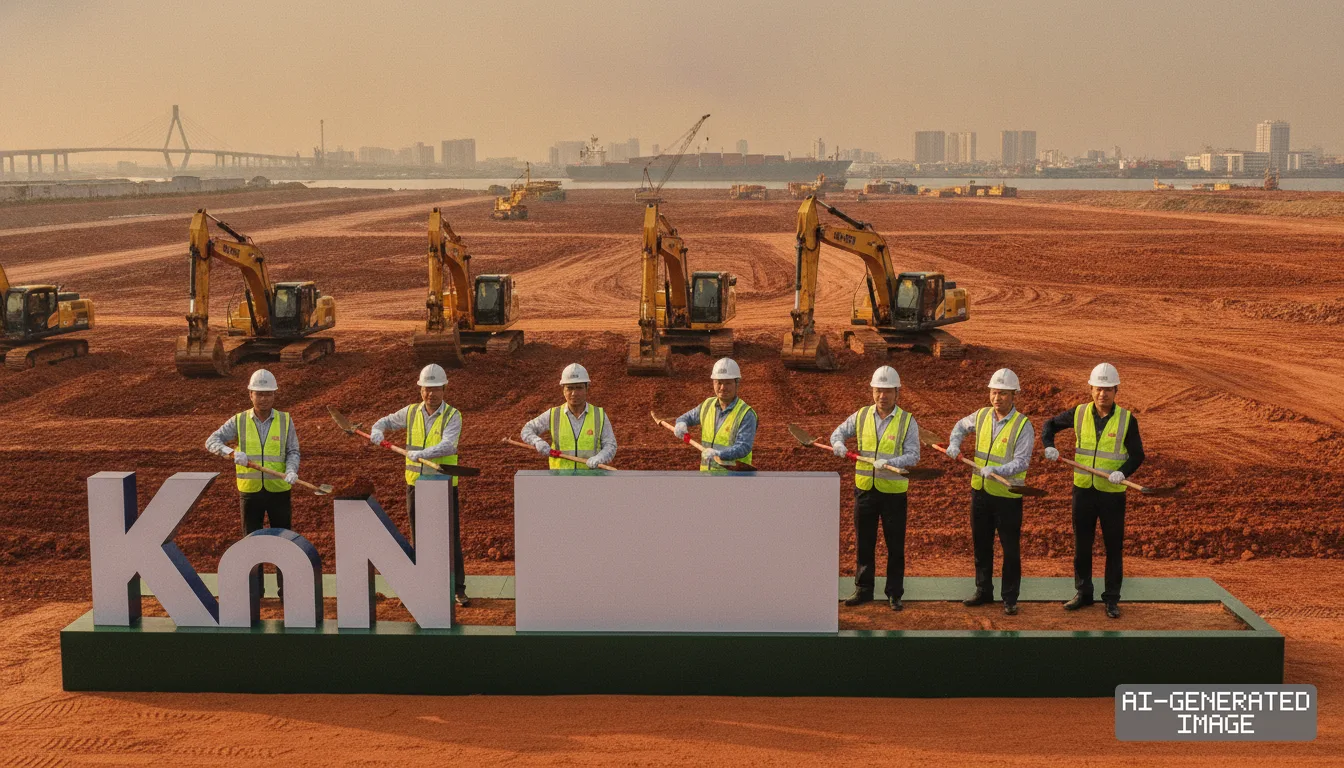
Khanh An Industry broke ground on Nov. 23, 2026, on a 1.58 trillion Vietnamese dong ($61 million) rare earth processing plant in the northern port city of Hai Phong.
The facility occupies 14 hectares in the Xuan Cau Industrial and Non-Tariff Zone in the Cat Hai district, according to project documents released by the Hai Phong People's Committee.
The plant will refine 10,000 metric tons of separated rare earth oxides annually, establishing Vietnam's largest industrial separation capacity for critical minerals used in clean energy manufacturing.
Commercial production is scheduled to begin in the fourth quarter of 2028, Khanh An said during a project ceremony attended by Vietnamese government officials.
Vietnamese Prime Minister Le Minh Hung and the Minister of Industry and Trade attended the groundbreaking ceremony alongside diplomatic representatives from Japan and Singapore, government records showed.
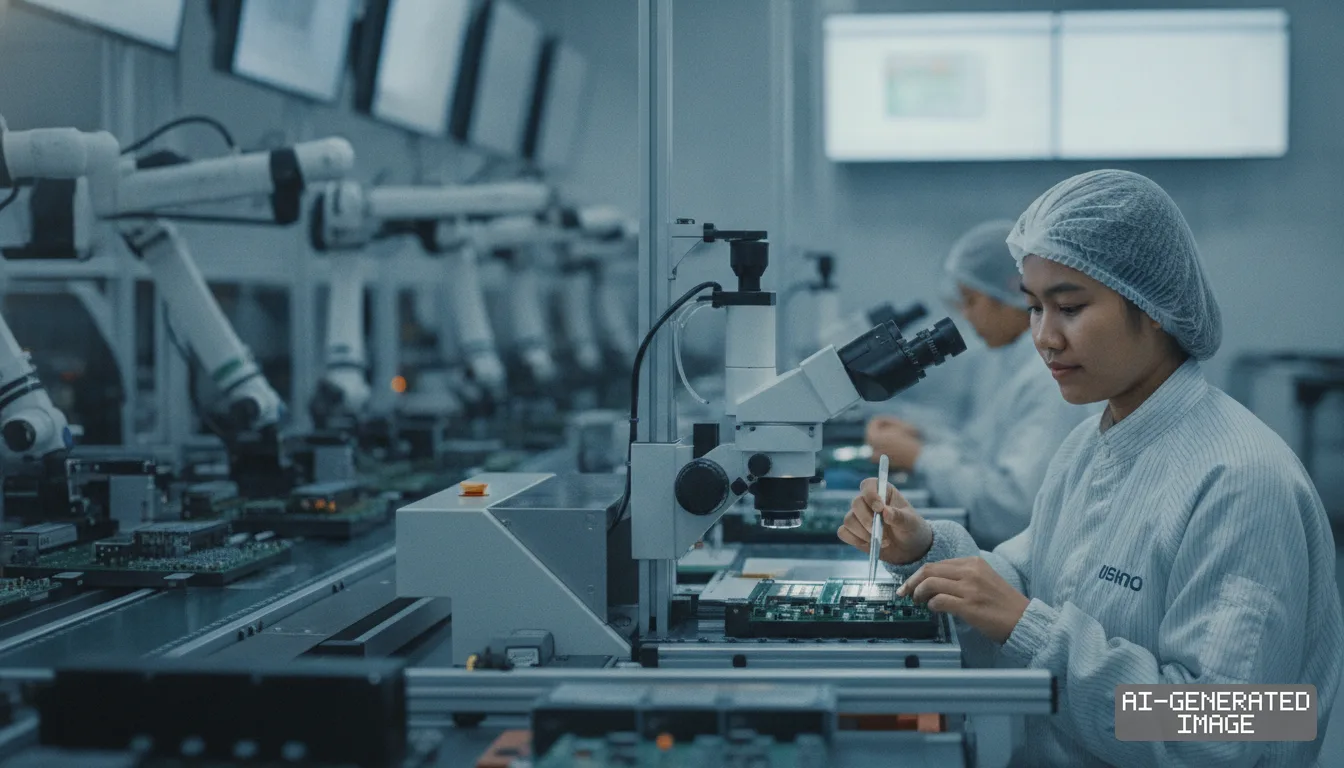
The facility will deploy hydrometallurgical processing — chemical leaching using acidic reagents — alongside continuous counter-current solvent extraction lines to separate individual rare earth elements, the company said.
The refinery will install five dedicated extraction lines designed to separate mixed concentrates into individual rare earth oxides with chemical purity levels exceeding 99%, Khanh An said.
Those high-purity outputs will target downstream applications in neodymium-iron-boron permanent magnets, electric traction motors, advanced electronics and semiconductor manufacturing equipment, the company said.
Automotive traction motors require dysprosium and terbium additions to prevent neodymium permanent magnets from demagnetizing under high operating temperatures, metallurgists said.
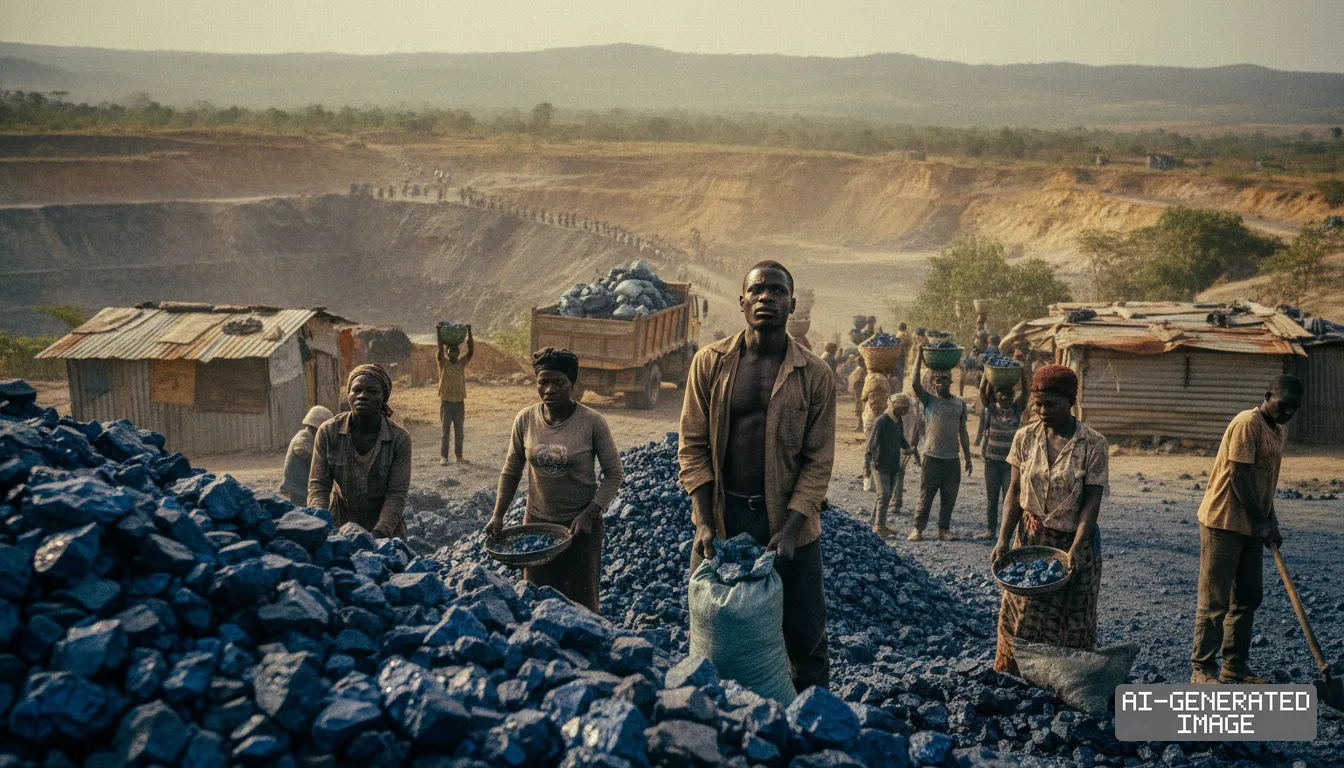
Feedstock for the refining lines will come from the Ben Den mine in the northern province of Lao Cai, Khanh An said in its technical disclosures.
Provincial authorities in Lao Cai approved Khanh An's extraction license across nearly 395 hectares at Ben Den, with an initial mine development budget of 119 billion dong.
The Ben Den deposit consists of ionic adsorption clay — a weathered ore structure prized because heavy rare earths can be extracted through ion exchange without extensive mechanical crushing.
The development marks a shift in Vietnam's mineral strategy, which historically saw raw ore exports restricted while domestic chemical processing capacity remained stalled at exploratory stages.
Earlier extraction ventures at larger northern deposits such as Dong Pao in Lai Chau province stalled for years amid regulatory reviews and capital constraints, leaving domestic reserves undeveloped.
China currently accounts for roughly 70% of global rare earth mining and more than 90% of commercial solvent extraction capacity for magnet-grade oxides, international market data show.
Beijing's tightening of mineral export licensing has accelerated efforts by Asian and Western manufacturers to secure alternative sources of separated dysprosium, terbium, neodymium and praseodymium.
Vietnam holds approximately 3.5 million metric tons of rare earth reserves, according to the United States Geological Survey, ranking among the largest unexploited deposits outside China.
Downstream industrial groups have increased direct processing investments in Vietnam to build supply channels that circumvent Chinese refining networks and customs controls.
South Korea's LS Eco Energy invested 28.5 billion won ($21 million) in Vietnam to expand rare earth oxide procurement and downstream metal refining operations, company filings showed.
The Hai Phong refinery groundbreaking coincided with the start of construction on container berths nine through 12 at the adjacent Lach Huyen deepwater seaport, provincial authorities said.
Co-locating processing units within a non-tariff logistics perimeter allows direct export of refined oxide shipments to manufacturing clusters in South Korea, Japan and North America, logistics planners said.
Operating solvent extraction plants requires intensive management of ammonium and acidic wastewater generated during counter-current liquid separation, chemical process engineers said.
Khanh An said it will construct on-site effluent neutralization systems and closed-circuit water recycling facilities to comply with Vietnamese environmental protection standards.
The project disclosures do not state whether Khanh An has secured binding offtake agreements with international magnet makers or automotive assemblers, and the company has not published committed supply volumes.
Provincial regulatory bodies in Hai Phong will review environmental impact compliance and civil construction progress in the second half of 2027 before equipment installation begins.
Impact map
How this development propagates across the region and out to global buyers.
| Event | Korea | China | Japan | Global impact |
|---|---|---|---|---|
| Hai Phong rare earth plant | LS Eco Energy gains potential domestic feedstocks for Vietnamese magnet alloy lines | Retains dominant oxide separation share but faces Southeast Asian processing competition | Permanent magnet producers secure alternative maritime procurement corridor via Lach Huyen | Adds 10,000 tons of non-Chinese separated oxide capacity targeting EV and wind turbine supply chains |
In this story
- Companies
- Khanh An Industry
- Tickers
- 229640.KS
- Exposed
- LS Eco Energy
- Impact
- Supply ChainCapex
Related briefings
- Korean firms speed rare earth magnet plants ahead of 2027 Pentagon ban Also on LS Eco Energy
- LS Cable approves $262m rare earth magnet facility in Gumi Also on LS Eco Energy
- LS Eco Energy readies 240-ton Vietnam plant for defense samarium Also on LS Eco Energy
- LS Cable will build rare earth magnet plant to bypass China in Gumi Also on LS Eco Energy
Sources
Reporting
Confidence: medium — how we grade this
The documents behind this briefing are linked above. East Asia Brief produces its English text with AI assistance under human editorial review, and does not translate or republish other outlets' articles. See our methodology and AI policy. Spotted an error? Tell us.
The Morning Brief
What changed in Korean, Chinese and Japanese industry overnight — and what it means for your supply chain. One email, weekday mornings, US time. Free.
The Morning Brief is in preparation. Leave your address and we will write to you once — when the first issue is ready. Nothing before that.