LS Eco Energy builds Vietnam samarium line as US rules loom
The Seoul-based supplier will spend 11.6 billion won for 58% of Global Shre Metal to produce 240 tons of defense-grade material yearly, as affiliates weigh a domestic magnet plant.
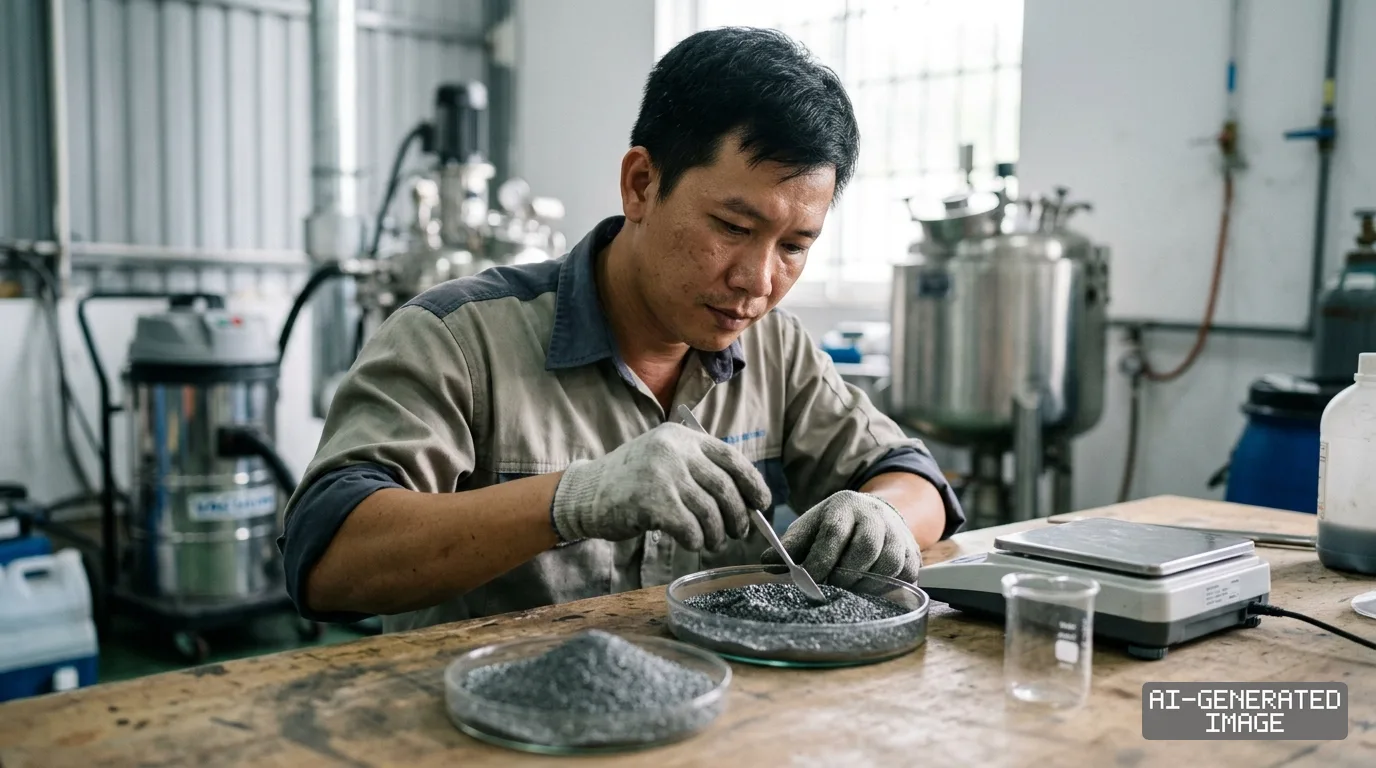
South Korea's LS Eco Energy said Sept. 30 it will invest 11.6 billion won ($8.4 million) to build a defense-grade samarium metal processing plant in Ho Chi Minh City, Vietnam.
The expenditure purchases 21,139,872 shares, or a 58.0% controlling stake, in a newly incorporated entity named Global Shre Metal. Outside financial partners hold the remaining 42.0% equity interest.
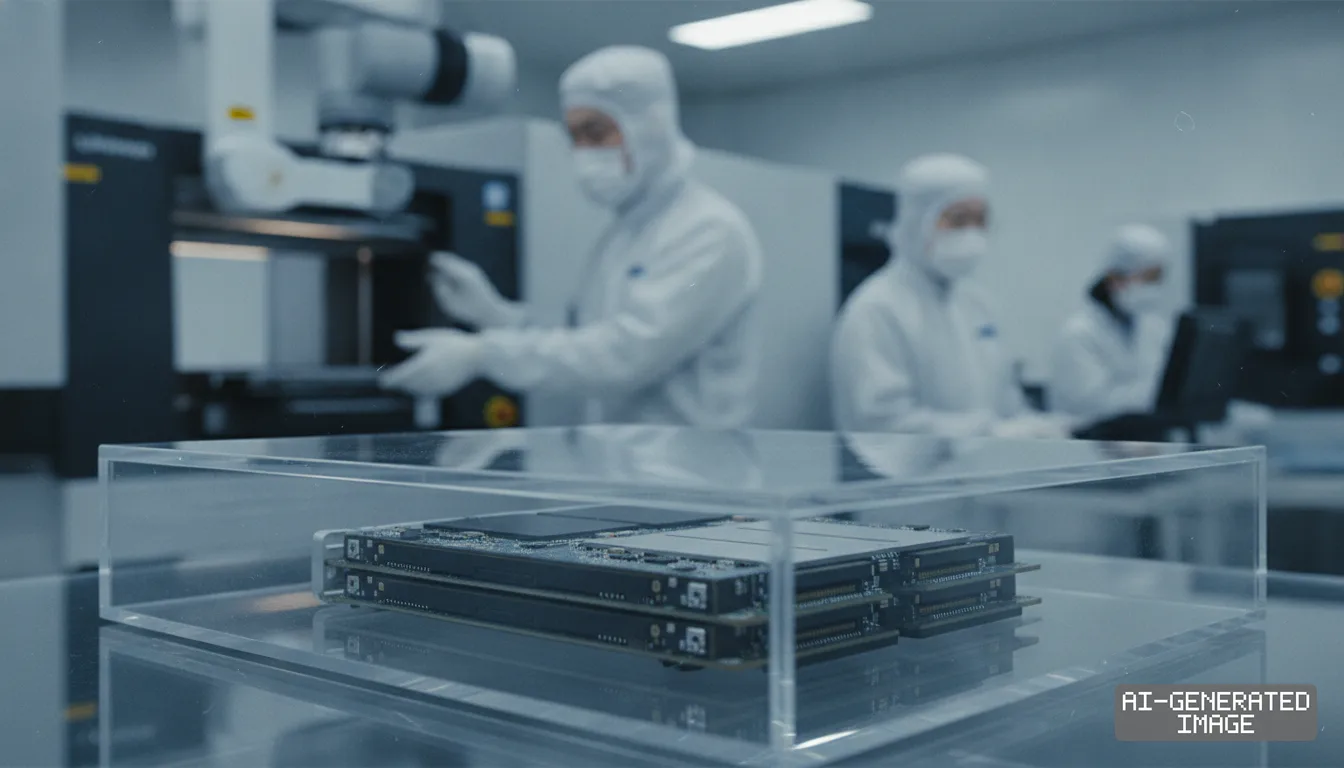
The Vietnam unit will produce 240 metric tons of samarium metal each year. That volume provides sufficient chemical precursor to manufacture between 700 and 1,000 metric tons of heat-resistant permanent magnets.
The investment represents 5.14% of the equity capital of LS Eco Energy, according to a regulatory disclosure submitted to the Financial Supervisory Service. The board resolved the capital transfer earlier in the day.
Samarium is an elemental rare earth metal used to fabricate samarium-cobalt magnets. These components retain magnetic power at temperatures exceeding 300 degrees Celsius, making them indispensable for precision guided missiles and military radar.
Standard neodymium magnets degrade in extreme heat environments found inside supersonic jet turbines and electronic warfare pods. Defense contractors rely entirely on samarium alloys to maintain flight actuator reliability under combat thermal loads.
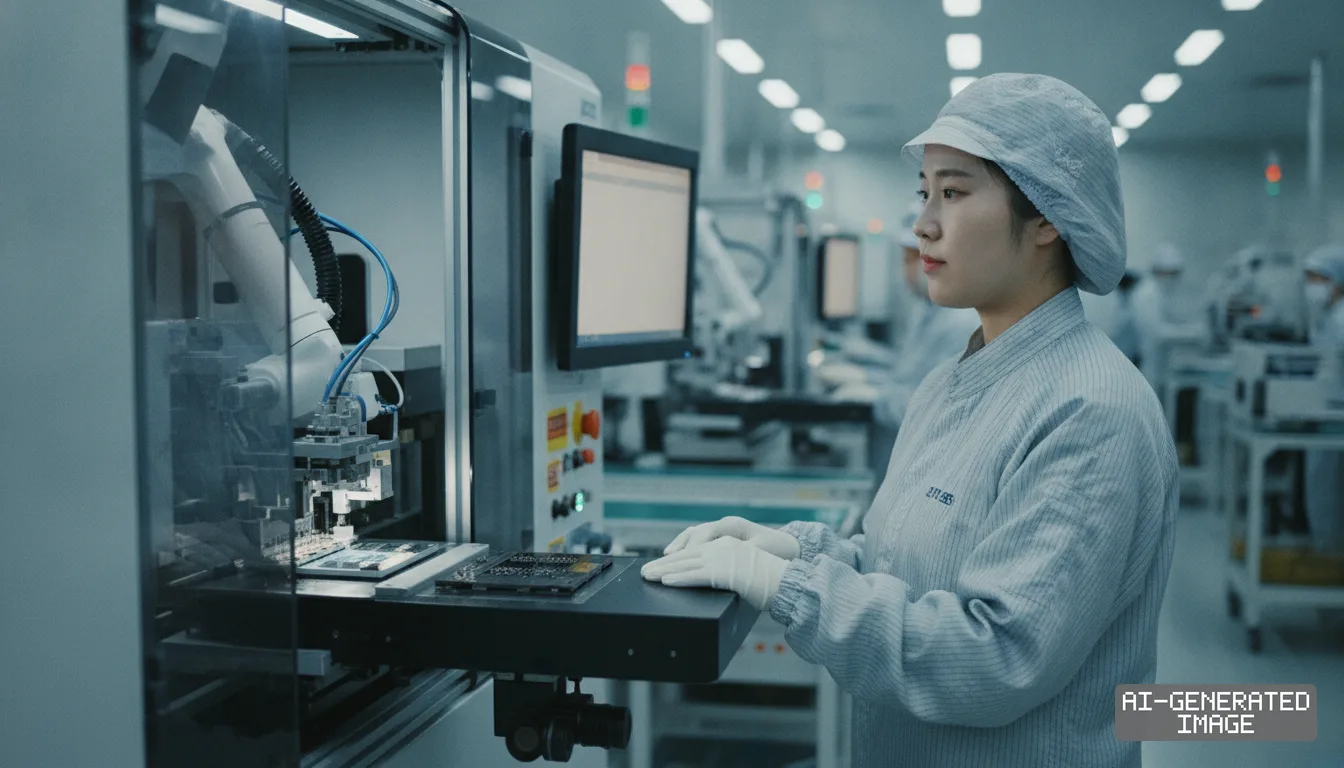
The manufacturing unit will sit inside the existing industrial complex of LS-VINA Cable & System in Ho Chi Minh City. The facility will be the first operational samarium metal plant outside China.
China currently refines more than 90% of global samarium output and controls roughly 85% of total rare earth permanent magnet manufacturing. Western defense supply chains have lacked an independent domestic refining alternative.
The new processing plant will source unrefined rare earth compounds directly from Lynas Rare Earths. The Australian miner operates the only commercial-scale rare earth separation facility outside China, in Malaysia.
LS Eco Energy and Lynas cemented their supply partnership in July through reciprocal investments. Each firm purchased 30 billion won in three-year convertible bonds issued by the other to guarantee feedstock quotas.
Under that arrangement, Lynas ships separated rare earth salts to the Vietnamese facility. LS Eco Energy converts those chemical salts into refined industrial metals, which feed downstream magnet pressing operations.
Pilot production runs in Ho Chi Minh City are scheduled to begin in December. The engineering timetable aims to satisfy strict new procurement rules issued by the United States Department of Defense.
The Pentagon rules will prohibit defense contractors from purchasing samarium-cobalt magnets containing Chinese materials starting in January 2027. The restriction enforces full origin traceability back to the mined ore and raw metal stages.
Domestic Korean media reported Sept. 30 that parent company LS Cable & System plans to construct a separate magnet plant in Gumi, South Korea. The plant would serve automotive and defense clients.
The reported Gumi project involves an estimated capital outlay ranging from 150 billion to 200 billion won ($147 million). The plant would fabricate neodymium and samarium magnets for robotics and electric vehicles.
Neither LS Cable & System nor its parent holding company LS Corp. has published a regulatory filing or corporate statement confirming the reported 150 billion to 200 billion won investment in Gumi.
The Gumi plant reports did not specify equipment purchase dates, site acquisition details or municipal permits. Factory construction timelines in North Gyeongsang Province also remain unaddressed in public records.
LS Eco Energy plans to expand its Vietnamese metallurgical facility beyond samarium processing. Future expansion phases will target heavy rare earths such as dysprosium, terbium and neodymium-praseodymium blends.
Those additional elements enhance thermal durability in traction motors for battery electric vehicles and industrial wind turbine generators. Most Korean electric drive makers currently import those finished sintered blocks from Chinese vendors.
Commercial magnet fabrication requires specialized alloying furnaces, high-pressure hydraulic presses and cleanroom sintering lines. Securing pure metal feedstock represents the most restrictive bottleneck for non-Chinese manufacturers.
South Korea can establish itself as a central pillar in global critical materials by manufacturing high-value components, Chief Executive Officer Lee Sang-ho said in a corporate statement accompanying the board filing.
The final cash payment for the 21,139,872 shares in Global Shre Metal will close Oct. 16, according to the regulatory filing submitted to the Korea Exchange.
Impact map
How this development propagates across the region and out to global buyers.
| Event | Korea | China | Japan | Global impact |
|---|---|---|---|---|
| Defense rare earth rules | LS Eco Energy secures 240 tons non-China samarium metal | State refiners face exclusion from US defense magnet procurement | Magnet makers gain secondary non-Chinese alloy sourcing | Aerospace primes de-risk SmCo supply ahead of Jan. 2027 ban |
In this story
- Companies
- LS Eco EnergyLS Cable & System
- Tickers
- 229640.KS
- Exposed
- Lynas Rare Earths
- Policy
- Export ControlsEconomic Security
- Impact
- Supply ChainCapexCompliance
Track every Export Controls development → Track every Economic Security development →
Related briefings
- Malaysia overtakes China in US drone market as tariffs bite Also on Lynas Rare Earths, Export Controls, Compliance
- Benchmark says ex-China heavy rare earth prices jumped 150% in Q3 Also on Lynas Rare Earths, Export Controls
- China Sets Consolidated Late-2026 Light Rare Earth Mining Quota to Cap Northern Bastnasite Extraction Also on Lynas Rare Earths, Compliance
- Japan and Australia advance critical minerals security pact Also on Lynas Rare Earths
Sources
Reporting
Confidence: medium — how we grade this
The documents behind this briefing are linked above. East Asia Brief produces its English text with AI assistance under human editorial review, and does not translate or republish other outlets' articles. See our methodology and AI policy. Spotted an error? Tell us.
The Morning Brief
What changed in Korean, Chinese and Japanese industry overnight — and what it means for your supply chain. One email, weekday mornings, US time. Free.
The Morning Brief is in preparation. Leave your address and we will write to you once — when the first issue is ready. Nothing before that.