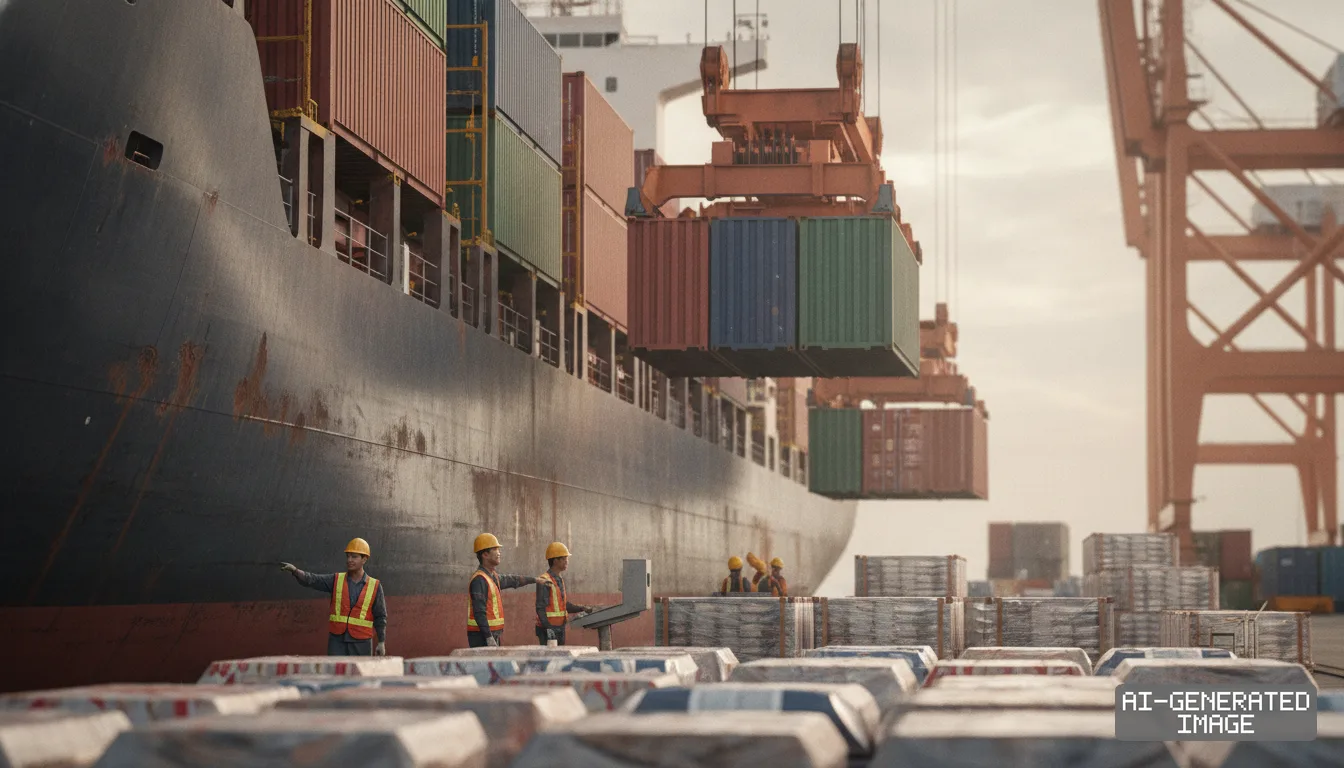
Malaysia overtakes China in US drone market as tariffs bite
A report by Rare Earth Exchanges shows Malaysian facilities shipped 348,400 drones to America, capturing 84% of micro-UAS imports while drawing upstream magnet investments.
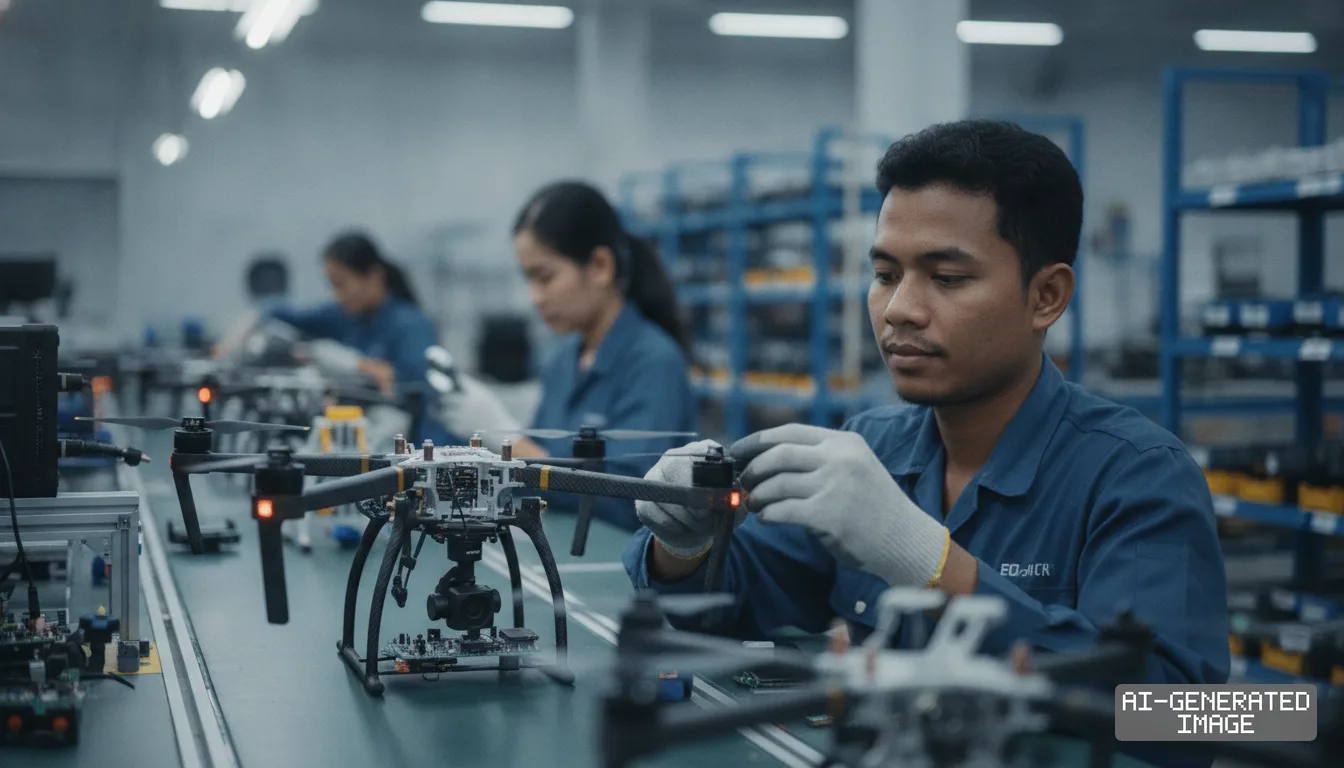
Supply chain intelligence firm Rare Earth Exchanges said Sept. 27 that Malaysia has overtaken China as the primary supplier of micro and small commercial drones to the United States.
The shift follows aggressive trade and security measures by Washington aimed at removing Chinese hardware from domestic airspace.
Malaysia supplied 348,400 micro and small unmanned aircraft systems (UAS) to the United States in 2024, according to federal trade data compiled in the report.
Shipments from Malaysian facilities included 260,200 micro-drones weighing under 250 grams. That volume accounted for 84% of total American imports in the micro category.
Malaysia also delivered 88,200 small drones weighing between 250 grams and 25 kilograms. That volume represented 57% of all American imports in that weight class.
Direct imports from China dropped sharply over the same period. China retained an 11% share in micro-drones and 28% in small drones.
Federal restrictions accelerated the relocation of commercial drone assembly lines to Southeast Asia.
The Federal Communications Commission (FCC) placed foreign-produced unmanned aircraft on its Covered List on Dec. 23, 2025. The designation prohibited equipment authorization for new models deemed national security risks.
The White House reinforced the equipment restrictions by imposing tariffs of up to 100% on imported drones. Those tariffs took effect Sept. 3, 2026.
Federal agencies introduced narrow exemptions to prevent abrupt commercial shortages.
The FCC extended authorizations for drones on the Defense Department Blue UAS list on July 21, 2026. The agency also maintained exemptions for equipment meeting Buy American domestic content thresholds through Jan. 1, 2028.
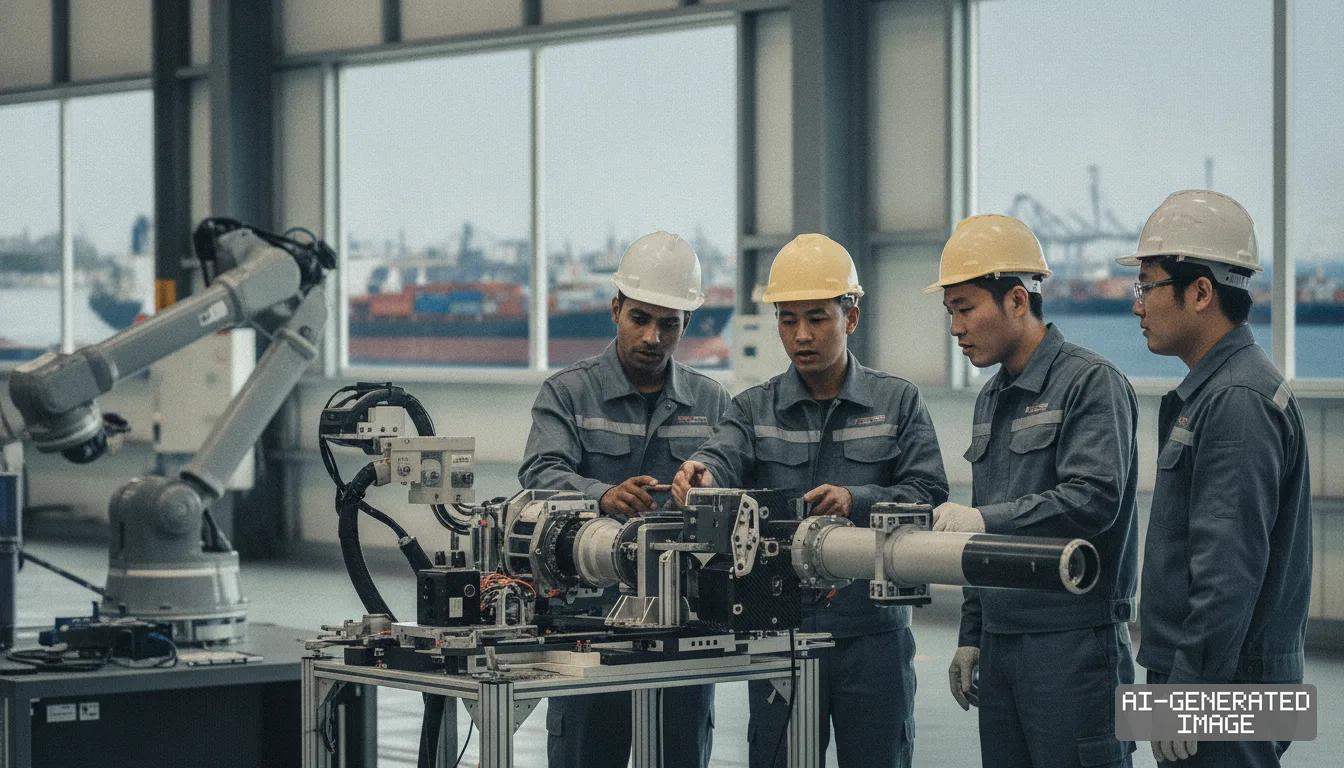
Hardware manufacturers turned to Malaysian electronics manufacturing services (EMS) providers to retain access to the American commercial market.
Austin-based Anzu Robotics established manufacturing lines in Malaysia to assemble its Raptor series aircraft. The company licensed airframe designs from SZ DJI Technology to provide enterprise drones free of Chinese software.
That arrangement faces renewed regulatory pressure in Washington.
The FCC proposed barring the importation and commercial marketing of Anzu Robotics Raptor aircraft on Sept. 22, 2026. Two commission bureaus found the platform remained subject to restrictions under Section 1709 of the fiscal 2025 defense authorization act.
Component manufacturing across Southeast Asia is expanding beyond final airframe assembly.
Malaysian suppliers Shah Ehsan and Edge Technology produce brushless direct-current motors and electronic speed controllers (ESCs) for commercial unmanned aerial vehicles.
These sub-tier suppliers provide the core propulsion hardware required for enterprise and industrial flight systems.
Securing non-Chinese subcomponents remains an obstacle for drone builders because electric motors depend on permanent magnets.
China controls more than 90% of global output for sintered neodymium-iron-boron (NdFeB) magnets. Permanent magnet motors generate the torque-to-weight ratios required to lift multi-rotor aircraft.
Upstream refiners and component producers are building alternative supply lines inside Malaysia to bypass Chinese export licensing controls.
Australian rare earths producer Lynas Rare Earths invested A$50 million ($34.8 million) on Aug. 20, 2026 to acquire a 4.58% stake in South Korean magnet manufacturer JS Link.
The capital will fund construction of a 3,000-tonne-per-year NdFeB permanent magnet plant in Kuantan, Malaysia.
The Kuantan facility will operate near the Lynas rare earth refinery in Pahang state. Lynas contracted to supply separated rare earth oxides to JS Link exclusively through January 2038.
The planned output will feed regional motor and actuator supply chains serving robotics, automotive and aerospace customers across North America and Asia.
The Malaysian government supports this supply chain integration under its Drone Technology Action Plan 2022–2030, managed by the Malaysian Investment Development Authority.
Public trade databases and corporate disclosures do not reveal the names of the contract manufacturers that assembled the 348,400 drones shipped to the United States.
Trade lawyers expect regulatory scrutiny over offshore drone assembly to intensify as federal agencies close loopholes.
Public comments on an FCC proposal to prohibit military-grade foreign drone imports closed Sept. 2, 2026.
Commercial drone operators face an impending regulatory deadline when current component exemptions expire on Jan. 1, 2028.
Impact map
How this development propagates across the region and out to global buyers.
| Event | Korea | China | Japan | Global impact |
|---|---|---|---|---|
| US drone trade restrictions | JS Link builds 3,000-tonne Kuantan magnet plant with Lynas feedstock through 2038 | DJI direct micro-drone export share to US dropped to 11% under tariff pressure | Drone motor suppliers face heightened traceability audits for permanent magnets | Commercial drone makers shift sub-tier component sourcing to Southeast Asian EMS hubs |
In this story
- Companies
- Anzu RoboticsSZ DJI TechnologyLynas Rare EarthsJS Link
- Tickers
- LYC.AX
- Exposed
- Edge TechnologyShah Ehsan
- Policy
- TariffsExport ControlsSubsidies
- Impact
- Supply ChainComplianceCost StructureCapex
Track every Tariffs development → Track every Export Controls development → Track every Subsidies development →
Related briefings
- Benchmark says ex-China heavy rare earth prices jumped 150% in Q3 Also on Lynas Rare Earths, Export Controls, Cost Structure
- China Sets Consolidated Late-2026 Light Rare Earth Mining Quota to Cap Northern Bastnasite Extraction Also on Lynas Rare Earths, Compliance, Cost Structure
- SK hynix subsidiary Solidigm weighs NAND fab in New York Also on Tariffs, Export Controls, Compliance
- Japan offers U.S. chip investment to win semiconductor tariff relief Also on Tariffs, Export Controls, Compliance
Sources
Reporting
Confidence: medium — how we grade this
The documents behind this briefing are linked above. East Asia Brief produces its English text with AI assistance under human editorial review, and does not translate or republish other outlets' articles. See our methodology and AI policy. Spotted an error? Tell us.
The Morning Brief
What changed in Korean, Chinese and Japanese industry overnight — and what it means for your supply chain. One email, weekday mornings, US time. Free.
The Morning Brief is in preparation. Leave your address and we will write to you once — when the first issue is ready. Nothing before that.