Japan and Australia advance critical minerals security pact
The bilateral framework deploys A$1.67 billion in public capital and long-term offtake agreements to insulate rare earth, gallium and battery metal processing from Chinese market dominance.
Australian and Japanese officials advanced operational frameworks on Sept. 29 to execute a joint A$1.67 billion ($1.19 billion) critical minerals package designed to bypass Chinese processing bottlenecks.
The initiative coordinates public balance sheets to secure alternative supplies of magnet metals, battery inputs and specialty elements. China currently refines 91% of global rare earth magnets and controls 94% of permanent magnet manufacturing.
The funding pools A$1.3 billion ($928 million) from Australia through Export Finance Australia and its Critical Minerals Facility. Japan provides approximately A$370 million ($264 million) via the state-backed Japan Organization for Metals and Energy Security.
The operational push implements the Joint Statement on Elevated Critical Minerals Cooperation signed on May 4 in Canberra. That pact elevated resource security to a core strategic pillar alongside the bilateral 1976 basic friendship treaty.
Both governments are using sovereign credit lines to shield upstream extraction from volatile pricing cycles. Officials identified market manipulation and predatory price swings as the principal commercial threats to western mining balance sheets.
Lynas Rare Earths anchors the minerals pipeline under a long-term supply agreement with Japan Australia Rare Earths, a joint venture between JOGMEC and Sojitz Corporation. Lynas supplies up to 7,200 metric tons of neodymium-praseodymium annually.
The Lynas supply contract runs through 2038 and incorporates a price floor of $110 per kilogram. That mechanism protects the company's Kalgoorlie cracking and leaching plant from low-price Chinese export surges.
Alcoa is developing gallium recovery operations at its Western Australia alumina refinery under the bilateral framework. The facility aims to establish supply of the semiconductor material outside China, which imposed export controls.
Ardea Resources received a non-binding letter of support from Export Finance Australia for its Kalgoorlie Nickel Project. The prospective mine contains cobalt and battery-grade nickel intended for Japanese electric vehicle cell makers.
The state financing pipeline also designated fluorite developer Tivan, titanium and zircon miner RZ Resources and private magnesium producer Magnium. Each firm holds official letters of support to develop refining assets in Australia.
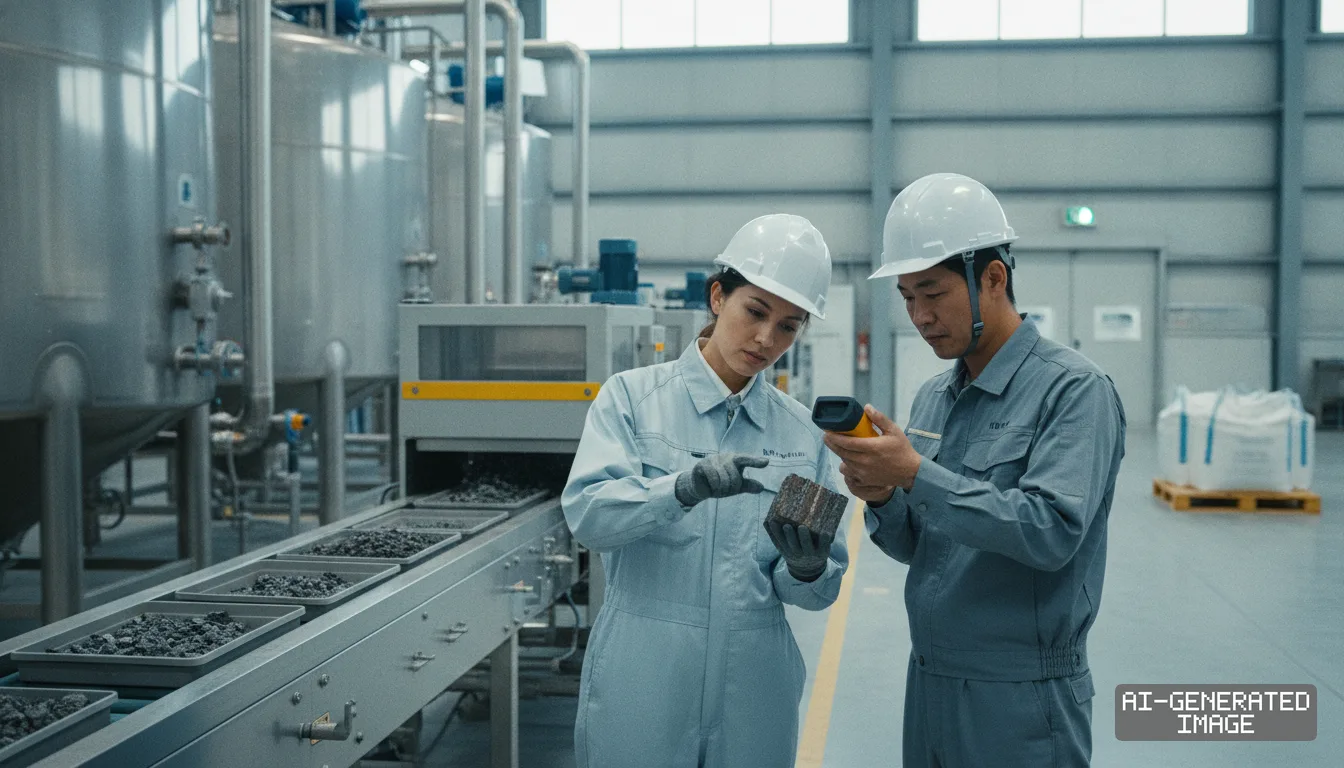
The bilateral architecture focuses on domestic smelting, refining and midstream processing rather than raw concentrate exports. Processing ore locally prevents Australian intermediate materials from transiting Chinese chemical plants before reaching industrial end-users in Tokyo and Osaka.
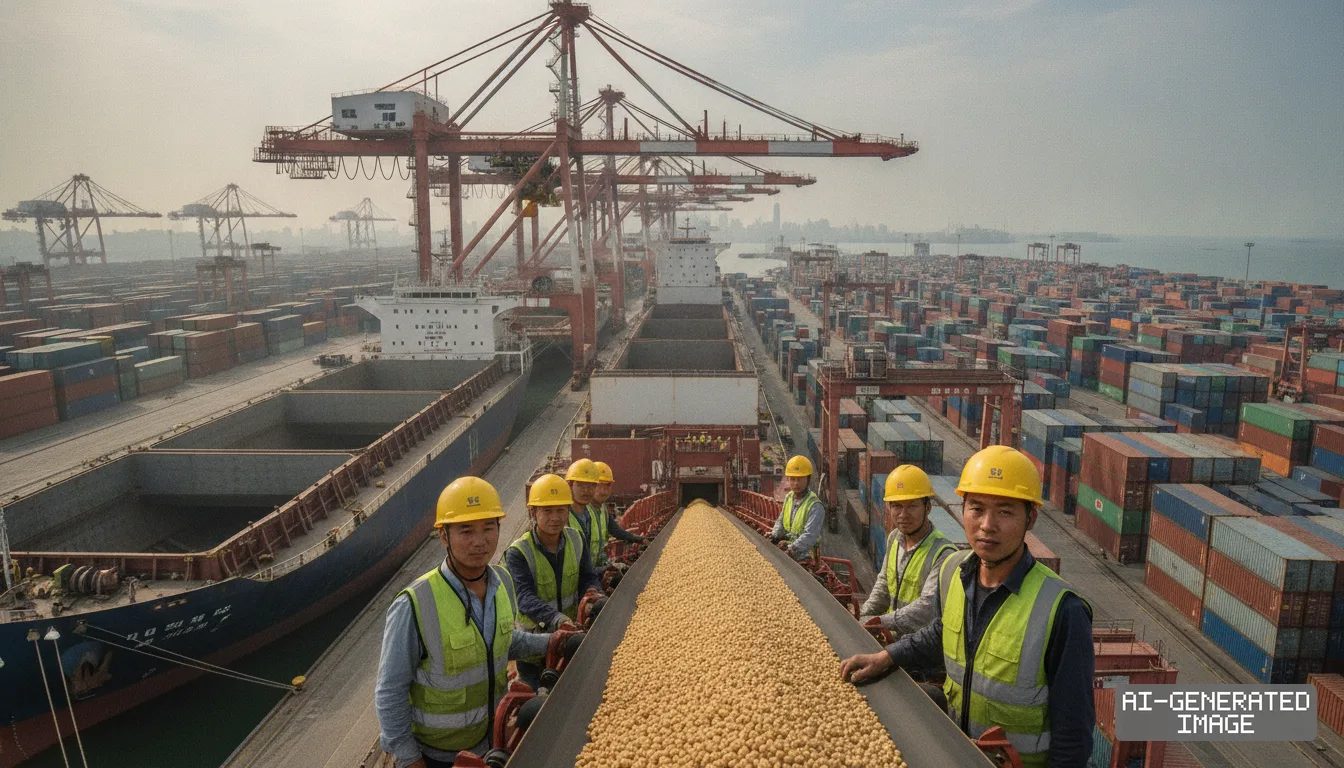
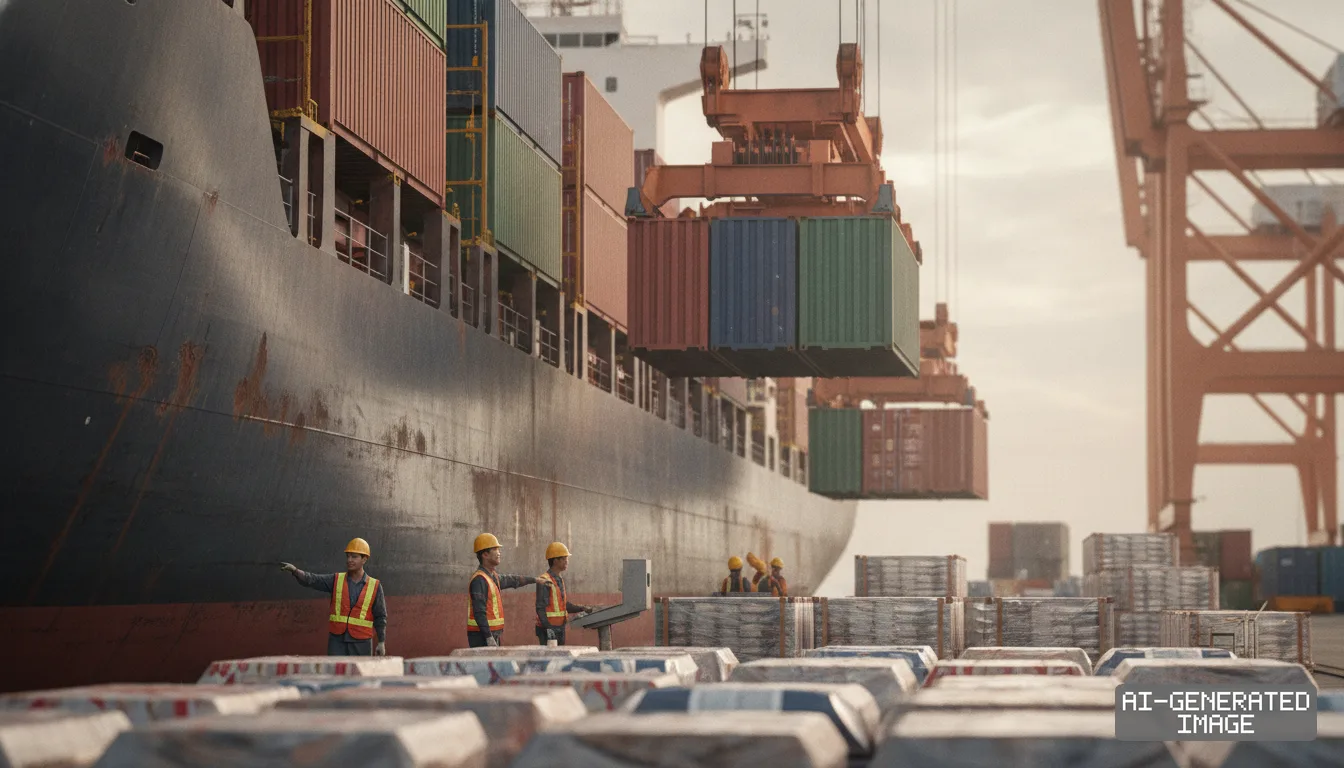
The program pairs capital grants with dedicated maritime transport routes and port upgrades across Western Australia and the Northern Territory. Both governments plan to expand specialized container facilities for bulk mineral carriers.
The policy coordination aligns Japan's emergency stockpile mandates with Australia's Critical Minerals Strategic Reserve initiative. That mechanism allows state authorities to absorb unsold physical inventories during prolonged market downturns or sudden border closures.
Japanese general trading houses provide equity co-investments and commercial distribution channels. These trading firms secure multi-year offtake guarantees that commercial lenders require before releasing senior construction debt for remote mining sites.
Downstream automakers in Japan face procurement targets that require certified non-Chinese minerals to comply with international rules of origin. Sourcing certified Australian feedstocks satisfies allied origin rules across North America and Europe.
Export Finance Australia administers loans under the A$5 billion sovereign facility. The agency provides direct debt, loan guarantees and standby equity lines to private operators establishing refining operations in allied jurisdictions.
Japanese industrial consumers consume roughly 20% of global refined neodymium-praseodymium supplies. Bilateral agreements guarantee Japanese manufacturers priority access to refined output from participating Australian extraction hubs during emergency declarations.
The institutional framework establishes technical working groups to harmonize cross-border mining standards and environmental certifications. Uniform environmental standards prevent regulatory friction when refined metals ship between Australian ports and Japanese factories.
Chinese export controls introduced over recent quarters restricted outbound shipments of critical semiconductors and battery minerals. Those restrictions forced industrial planners in Canberra and Tokyo to formalize legal frameworks ensuring uninterrupted physical flows.
The Australian and Japanese governments have not published the binding terms, final disbursement schedules or precise dollar grants allocated to each of the individual junior mining projects.
The bilateral Working Group on Economic Security and Comprehensive Supply Chain Cooperation convenes in November 2026 to review project approvals and convert preliminary letters of support into binding debt facilities.
Impact map
How this development propagates across the region and out to global buyers.
| Event | Korea | China | Japan | Global impact |
|---|---|---|---|---|
| Japan-Australia critical minerals framework | South Korean cathode makers gain non-Chinese feedstock alternatives but compete with Japanese firms for Lynas offtake | China risks gradual erosion of its 91% refined rare earth market share across US-aligned trade partners | Japanese manufacturers secure up to 7,200 tons of non-Chinese NdPr annually to meet strict rules of origin | Allied supply chains add sovereign price floors and dual-state credit guarantees to insulate mining capex from market cycles |
| Japan-Australia critical minerals framework | South Korean cathode makers gain non-Chinese feedstock alternatives but compete with Japanese firms for Lynas offtake | China risks gradual erosion of its 91% refined rare earth market share across US-aligned trade partners | Japanese manufacturers secure up to 7,200 tons of non-Chinese NdPr annually to meet strict rules of origin | Allied supply chains add sovereign price floors and dual-state credit guarantees to insulate mining capex from market cycles |
| Japan-Australia critical minerals framework | South Korean cathode makers gain non-Chinese feedstock alternatives but compete with Japanese firms for Lynas offtake | China risks gradual erosion of its 91% refined rare earth market share across US-aligned trade partners | Japanese manufacturers secure up to 7,200 tons of non-Chinese NdPr annually to meet strict rules of origin | Allied supply chains add sovereign price floors and dual-state credit guarantees to insulate mining capex from market cycles |
In this story
- Companies
- Lynas Rare EarthsSojitzAlcoaArdea ResourcesTivanRZ Resources
- Tickers
- LYC.AX2768.TAAARL.AXTVN.AX
- Policy
- Critical MineralsEconomic SecuritySubsidies
- Impact
- Supply ChainOfftake AgreementsCapex
Track every Critical Minerals development → Track every Economic Security development → Track every Subsidies development →
Related briefings
- Malaysia overtakes China in US drone market as tariffs bite Also on Lynas Rare Earths
- Benchmark says ex-China heavy rare earth prices jumped 150% in Q3 Also on Lynas Rare Earths
- China Sets Consolidated Late-2026 Light Rare Earth Mining Quota to Cap Northern Bastnasite Extraction Also on Lynas Rare Earths
- China and South Africa advance battery mineral refining pact Also on Critical Minerals
Sources
Primary documents
Reporting
Confidence: high — how we grade this
The documents behind this briefing are linked above. East Asia Brief produces its English text with AI assistance under human editorial review, and does not translate or republish other outlets' articles. See our methodology and AI policy. Spotted an error? Tell us.
The Morning Brief
What changed in Korean, Chinese and Japanese industry overnight — and what it means for your supply chain. One email, weekday mornings, US time. Free.
The Morning Brief is in preparation. Leave your address and we will write to you once — when the first issue is ready. Nothing before that.