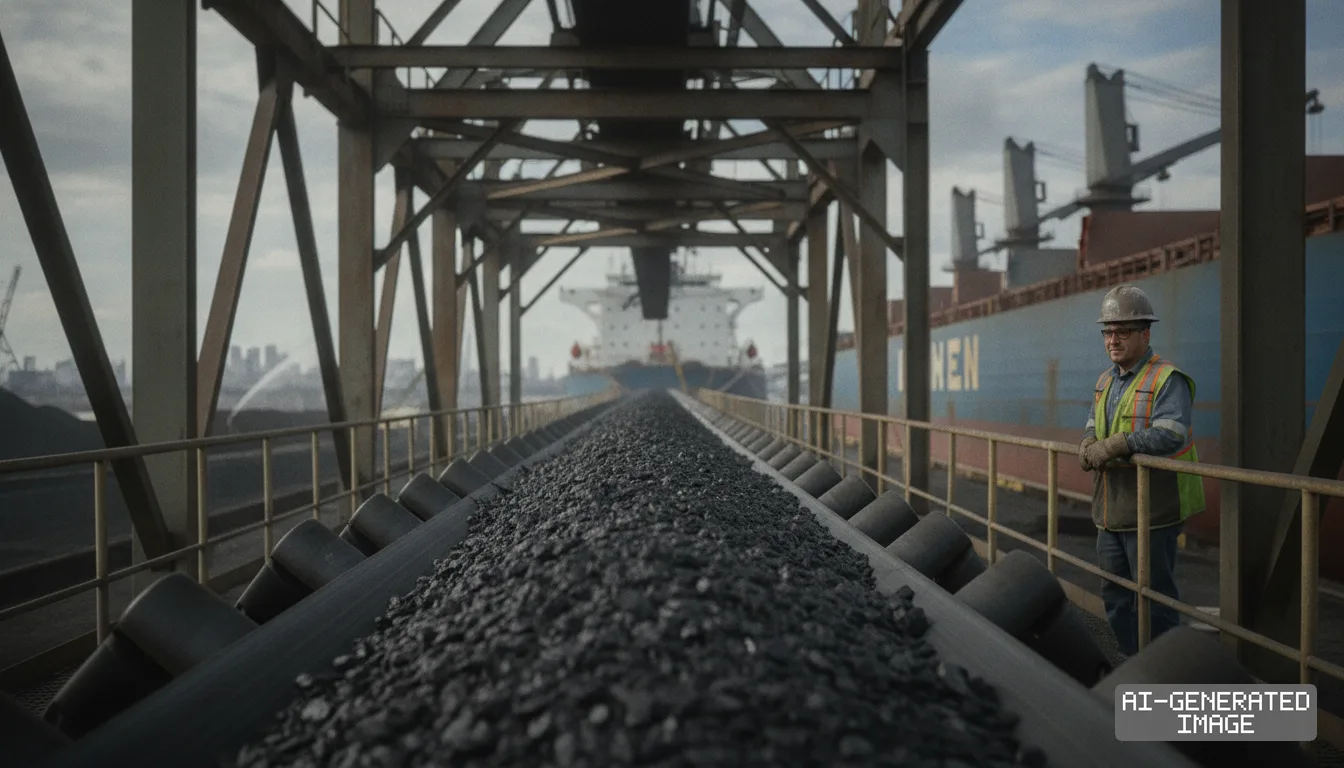
Benchmark says ex-China heavy rare earth prices jumped 150% in Q3
Western buyers paid a sixteenfold premium for European dysprosium oxide over Chinese domestic spot rates as Pentagon procurement rules force a 2027 split in permanent magnet supply chains.

Benchmark Mineral Intelligence said Sept. 25 that European prices for dysprosium oxide surged 150% by the end of the third quarter as Western buyers paid steep premiums for non-Chinese material.
The European spot assessment averaged $3,500 per kilogram across the quarter, a 56% increase from the prior quarter. That lifted European prices to 16.3 times domestic Chinese rates, up from 6.8 times in June.
Terbium oxide prices delivered into Europe rose 23% to $6,745 per kilogram during the same period. In North America, spot yttrium oxide traded at roughly 196 times the domestic Chinese level, Benchmark reported.
Dysprosium and terbium are heavy rare earth elements added to neodymium magnets to stop them from demagnetizing under high heat. Electric vehicle traction motors and military radar actuators require these specific additions to maintain operational performance.
China refines about 90% of global rare earths and controls nearly all commercial heavy rare earth separation facilities. In April 2025, the Chinese Ministry of Commerce introduced strict export controls covering seven heavy rare earth materials.
Western buyers faced restricted export quotas and extended licensing delays at Chinese ports throughout the summer. To guarantee delivery, procurement desks agreed to purchase scarce non-Chinese inventory at historic premiums, Benchmark said in its price review.
While ex-China heavy rare earths climbed rapidly, prices inside China moved little. Chinese domestic dysprosium oxide traded at roughly $215 per kilogram in September, showing that export restrictions isolated domestic refiners from Western bidding wars.
The heavy rare earth spike contrasted with persistent softness in light rare earths like neodymium and praseodymium. Chinese domestic prices for praseodymium-neodymium oxide slipped 1% in the third quarter on steady refinery supply.
Beyond China, abundant supply pushed praseodymium-neodymium prices below $110 per kilogram. That decline breached the contract price floor that the U.S. Department of Defense established in procurement funding agreements with major producers.
MP Materials operates the Mountain Pass mine in California, which produces light rare earths under a Pentagon price guarantee. Australia's Lynas Rare Earths supplies 5,000 metric tons of light rare earths annually under a similar defense contract.
Neither Mountain Pass nor Lynas produces significant commercial volumes of heavy rare earths like dysprosium. That leaves Western magnet makers almost entirely reliant on scarce external separation lines, industry analysts said.
Brazil's Serra Verde is one of the few operating ionic clay producers outside Asia. The company's U.S.-backed financing structures maintain price floors of $575 per kilogram for dysprosium and $2,050 per kilogram for terbium.
Third-quarter European spot bids for dysprosium surpassed Serra Verde's floor price by a factor of six. The widening gap demonstrates that state floor agreements reflect baseline project economics rather than immediate physical availability.
Electric vehicle traction motors consume roughly 100 grams of dysprosium and terbium per vehicle. At current Western premiums, heavy rare earth inputs add more than $300 in raw material cost per vehicle motor assembly.
Western defense contractors face a statutory deadline under the Defense Federal Acquisition Regulation Supplement. Section 854 of the 2024 National Defense Authorization Act bans Chinese-origin mined and separated rare earths in military hardware starting Jan. 1, 2027.
The statute requires defense prime contractors to document provenance back to the separation plant and the mine. The provision applies directly to permanent magnets used in Lockheed Martin fighter aircraft and Raytheon missile guidance systems.
U.S. magnet processor Evolution Metals & Technologies took delivery of five metric tons of compliant metal in July. The feedstock was sourced through Japanese trader Tokai Trading from its processing joint venture in Vietnam.
Defense contractors must complete full upstream supply chain audits before the DFARS prohibition takes effect Jan. 1, 2027. The Pentagon has published proposed tracking guidelines, but waivers remain strictly constrained by the underlying federal statute.
The Benchmark report does not state individual transaction volumes or counterparty names for the bilateral contracts tracked across the third quarter. Commercial buyers have kept the specific terms of those non-Chinese purchases strictly confidential.
Chinese customs authorities cleared 3,240 metric tons of processed magnet materials under quota in August. Western separation projects in France and the United States will not commission commercial dysprosium circuits until late 2027.
Impact map
How this development propagates across the region and out to global buyers.
| Event | Korea | China | Japan | Global impact |
|---|---|---|---|---|
| Heavy rare earth supply chain bifurcation | Auto component exporters face motor surcharge increases on non-Chinese supply lines | Domestic refiners trade dysprosium at $215 per kilogram under MOFCOM export licensing controls | Tokai Trading channels third-country separated material to Western magnet processors meeting defense rules | Defense primes pay 16-fold spot premium to secure compliant inventory before statutory Jan. 1, 2027 ban |
In this story
- Companies
- MP MaterialsLynas Rare Earths
- Tickers
- MPLYC.AX
- Exposed
- Lockheed MartinRaytheon TechnologiesSerra VerdeEvolution Metals & Technologies
- Policy
- Export ControlsEconomic Security
- Impact
- Supply ChainCost StructurePricing
Track every Export Controls development → Track every Economic Security development →
Related briefings
- Chinese rare earth suppliers halt shipments to US customers Also on Lockheed Martin, MP Materials, Export Controls
- Brazil Senate passes critical minerals bill to expand rare earth processing Also on Serra Verde, Export Controls, Cost Structure
- China Sets Consolidated Late-2026 Light Rare Earth Mining Quota to Cap Northern Bastnasite Extraction Also on Lynas Rare Earths, Cost Structure
- China Rare Earth Group seeks control of Shenghe Resources Also on MP Materials, Export Controls, Pricing
Sources
Primary documents
Reporting
Confidence: high — how we grade this
The documents behind this briefing are linked above. East Asia Brief produces its English text with AI assistance under human editorial review, and does not translate or republish other outlets' articles. See our methodology and AI policy. Spotted an error? Tell us.
The Morning Brief
What changed in Korean, Chinese and Japanese industry overnight — and what it means for your supply chain. One email, weekday mornings, US time. Free.
The Morning Brief is in preparation. Leave your address and we will write to you once — when the first issue is ready. Nothing before that.