KOMIR resumes direct overseas mineral stakes after five-year ban
South Korea targets seven critical raw materials including cobalt and gallium, deploying minority equity alongside private domestic consortiums.
South Korea's Ministry of Trade, Industry and Energy said Nov. 16, 2026, it will reopen direct overseas critical mineral investments by state-run KOMIR after a five-year ban.
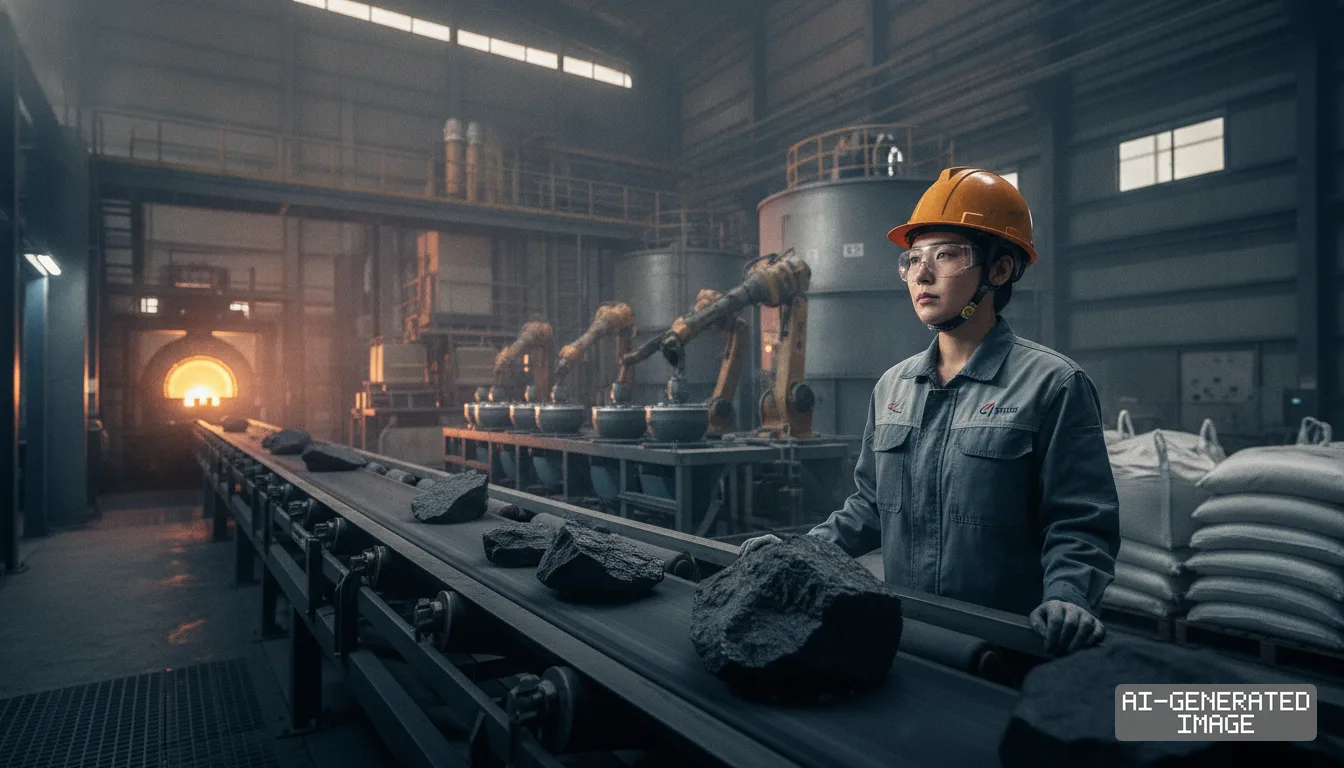
The policy shift targets seven priority commodities facing persistent supply risks: tungsten, silicon, graphite, cobalt, rare earths, nickel and gallium. Korea Mine Rehabilitation and Mineral Resources Corp. will deploy capital strictly as minority equity alongside domestic private partners.
The government introduced the framework during a strategy session at the Coal Center in Seoul. Industry Minister Kim Jung-kwan said the state must share exploration and processing risks that private companies cannot bear alone during rising global export controls.
To fund the mandate, lawmakers proposed raising KOMIR's statutory capital limit to 5 trillion won ($3.5 billion) from 3 trillion won ($2.1 billion). The change gives the state authority to inject fresh equity into the indebted corporation.
The ministry also plans to create a dedicated Resource Security Fund. The fund will pool public money and commercial capital to cushion early-stage geological and financial hazards in overseas ventures.
Direct state investment in overseas extraction was prohibited in September 2021 when KOMIR was formed through a statutory merger. Lawmakers stripped that authority after its predecessor accumulated trillions of won in losses on foreign assets.
The worst loss occurred at the Boleo copper and cobalt project in Mexico. The agency poured more than 2.8 trillion won ($2.0 billion) into the mine before selling its 94.21% equity interest and debt instruments for $2 in late 2025.
That disposal eliminated 849 billion won ($595 million) in liabilities from the balance sheet. However, KOMIR remained trapped in total capital impairment, with accumulated operating losses exceeding 3 trillion won.
The revised framework creates operational safeguards designed to prevent a repeat of past defaults. KOMIR is barred from taking majority control or acting as the lead developer in any foreign mine.
Projects qualify only when certified as vital for national economic security. Investments must pass an assessment by a new Overseas Resource Development Deliberation Committee under the industry ministry.
Independent external experts will compose more than half of the committee's voting members. The agency must also manage all new project books in a separate accounting track isolated from legacy liabilities.
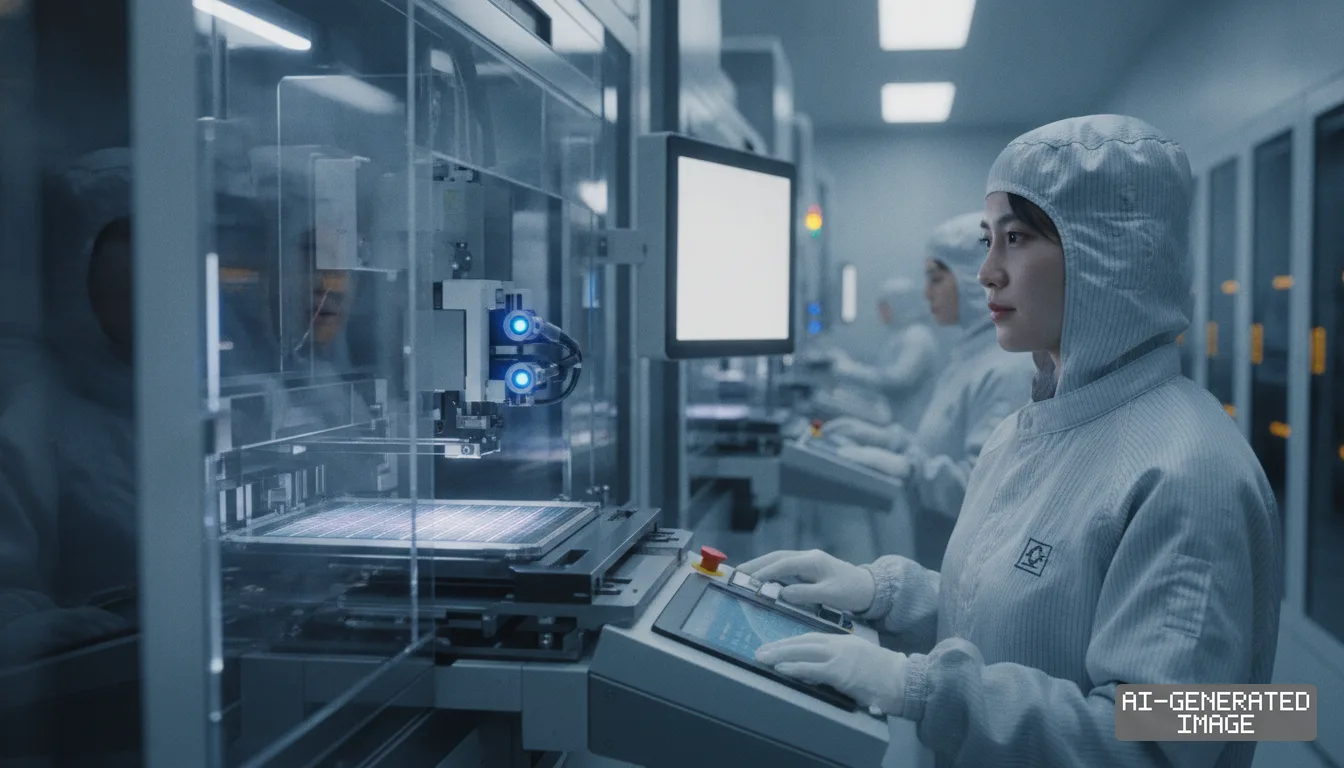
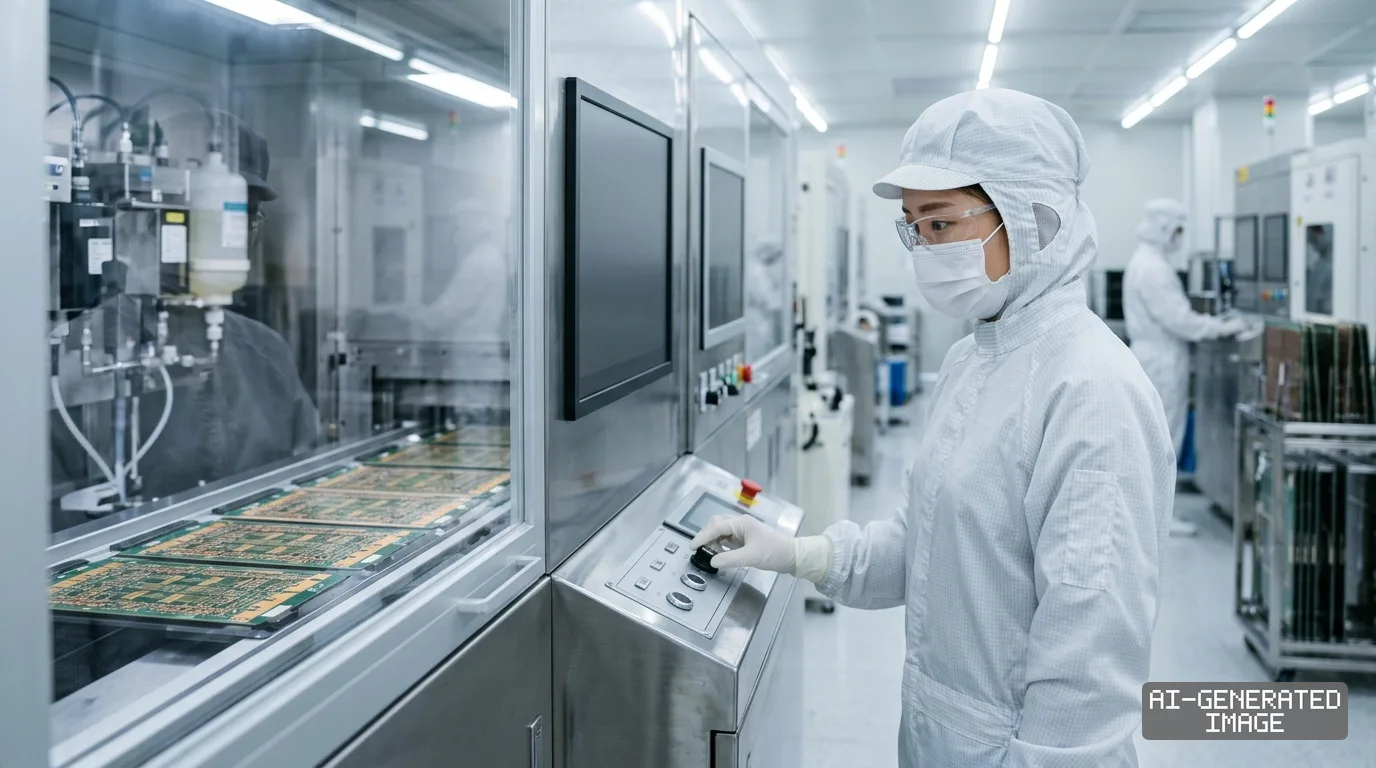
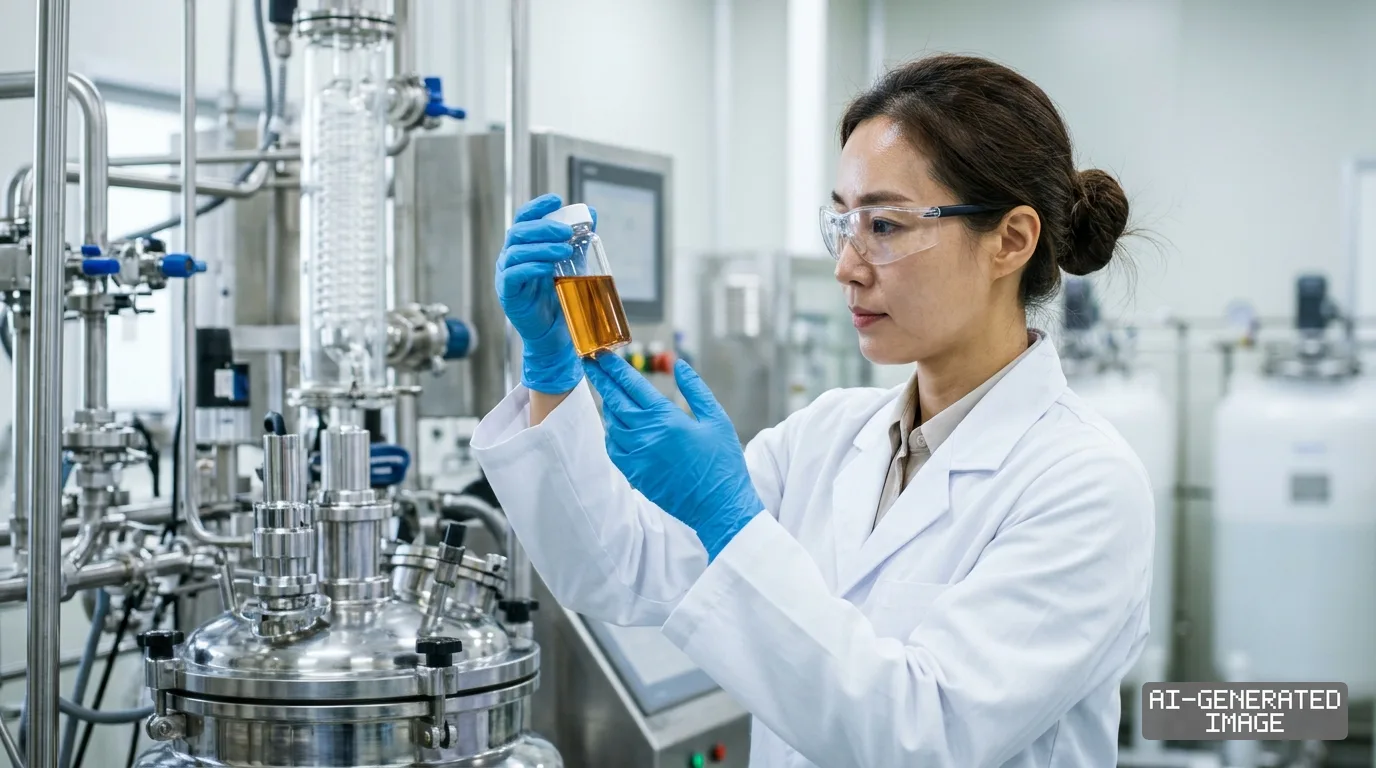
The initiative reaches beyond extraction to tackle bottlenecks in intermediate processing. Under the Critical Mineral Pipeline Project, the government will support integrated ventures spanning unrefined ore procurement, overseas refining and domestic cathode or semiconductor manufacturing.
State policy lenders will lower financing thresholds for commercial projects that secure long-term feedstock. Commercial banks and infrastructure funds will receive guarantees to increase syndicate lending for overseas mineral refineries.
Private trading companies and battery producers attended the strategy rollout. POSCO International is currently developing the Mahenge natural graphite deposit in Tanzania alongside Australia-listed Black Rock Mining.
POSCO International committed $40 million to expand its equity holding in Black Rock Mining to 19.9%. The deal entitles POSCO to receive 60,000 tons of natural graphite annually for 25 years starting in 2028.
That volume provides natural graphite anode feedstock for battery maker POSCO Future M, helping reduce supply dependence on external suppliers. South Korea currently imports more than 90% of its processed graphite requirements.
Trading firm LX International also joined the ministerial talks to evaluate mineral assets. General trading companies will act as operating partners, with KOMIR supplying minority equity and political risk cover.
An amendment to the KOMIR Act, introduced on Nov. 3, 2026, by lawmaker Jang Cheol-min, must pass the National Assembly to establish the legal mandate. The bill formally restores direct investment rights and authorizes the 5 trillion won capital ceiling.
The industry ministry has not published the total funding target or the government's direct fiscal contribution for the proposed Resource Security Fund. The National Assembly has not scheduled committee deliberations or a floor vote for the statutory capital amendment.
Impact map
How this development propagates across the region and out to global buyers.
| Event | Korea | China | Japan | Global impact |
|---|---|---|---|---|
| KOMIR direct overseas mineral investment reopening | KOMIR capital limit rises to 5 trillion won; POSCO International expands off-take partnerships | Export restrictions on gallium, graphite face counter-hedging from Korean state-backed pipeline | Smelters face regional competition for upstream minority stakes in Southeast Asia and Africa | Critical mineral projects gain new public-private equity financing vehicle to offset market volatility |
In this story
- Companies
- Korea Mine Rehabilitation and Mineral Resources Corp.POSCO International
- Tickers
- 047050.KS
- Exposed
- POSCO Future MLX International
- Impact
- Supply ChainCapex
Related briefings
- Lynas buys Meteoric for $672M to control Brazil rare earths Also on Posco International
- HD Hyundai and Hanwha Ocean split naval platforms for export Also on Posco International
- Korea doubles US rare earth imports to counter China quotas Also on POSCO International
- POSCO and Hanwha Ocean sign pact to test manganese LNG tanks Also on POSCO International
Sources
Primary documents
Reporting
Confidence: high — how we grade this
The documents behind this briefing are linked above. East Asia Brief produces its English text with AI assistance under human editorial review, and does not translate or republish other outlets' articles. See our methodology and AI policy. Spotted an error? Tell us.
The Morning Brief
What changed in Korean, Chinese and Japanese industry overnight — and what it means for your supply chain. One email, weekday mornings, US time. Free.
The Morning Brief is in preparation. Leave your address and we will write to you once — when the first issue is ready. Nothing before that.