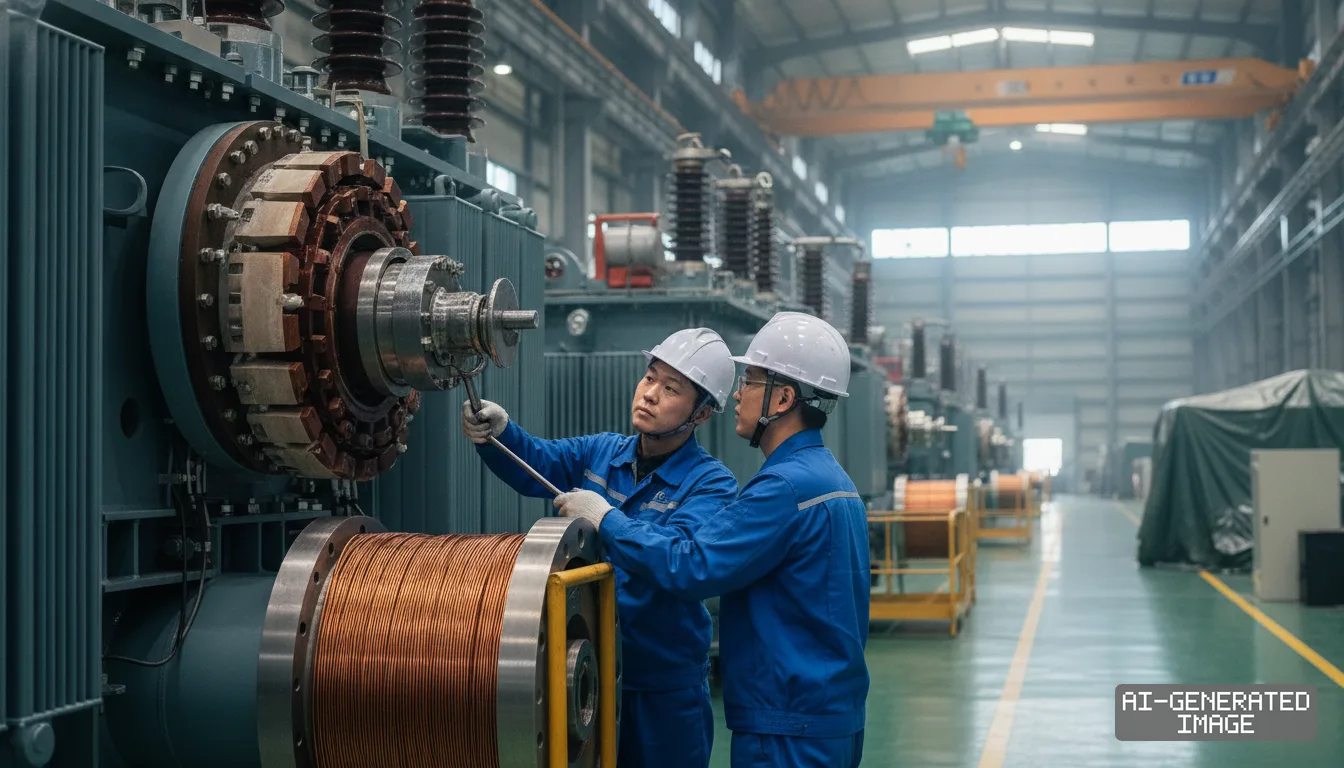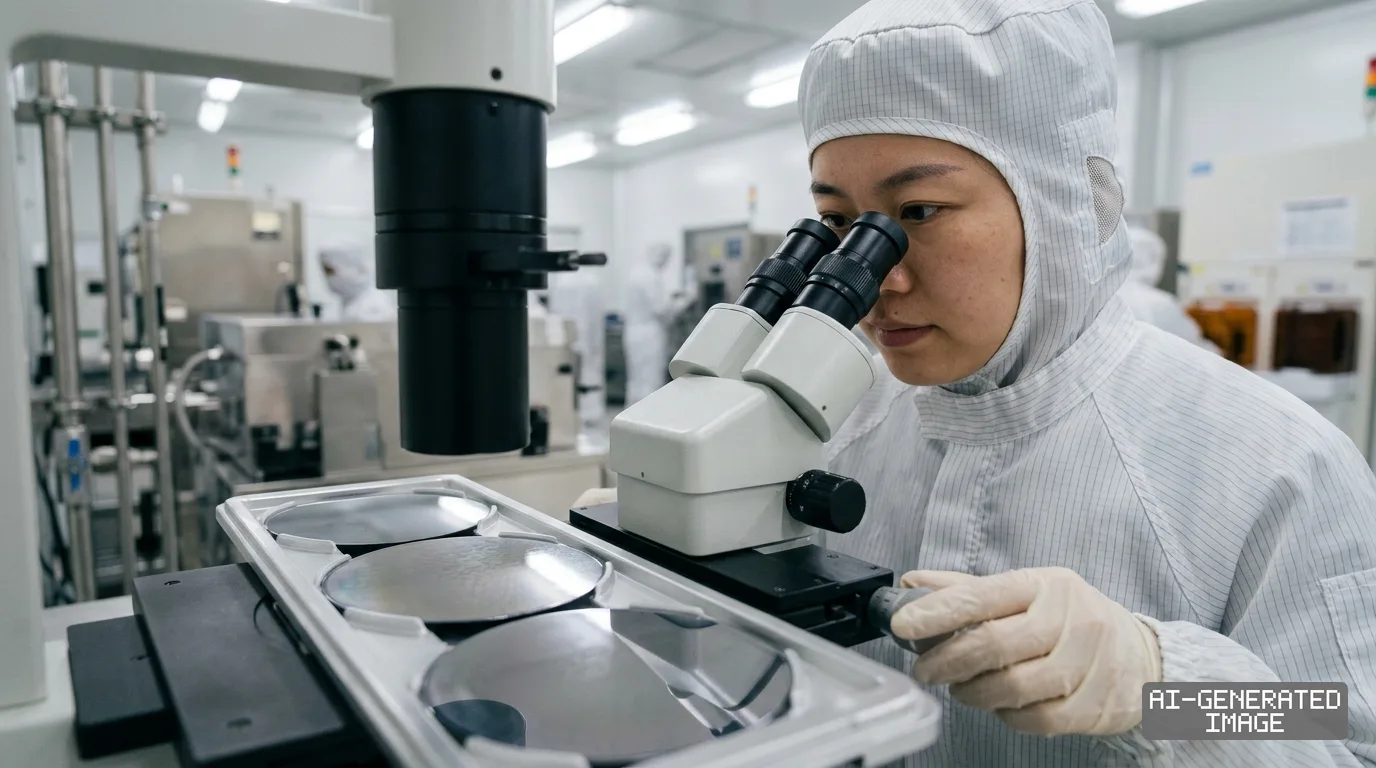
Korea doubles US rare earth imports to counter China quotas
Inbound deliveries of American rare earth oxides reached $19.06 million as manufacturers diversify magnet feedstocks, though midstream bottlenecks keep domestic processing costs elevated.
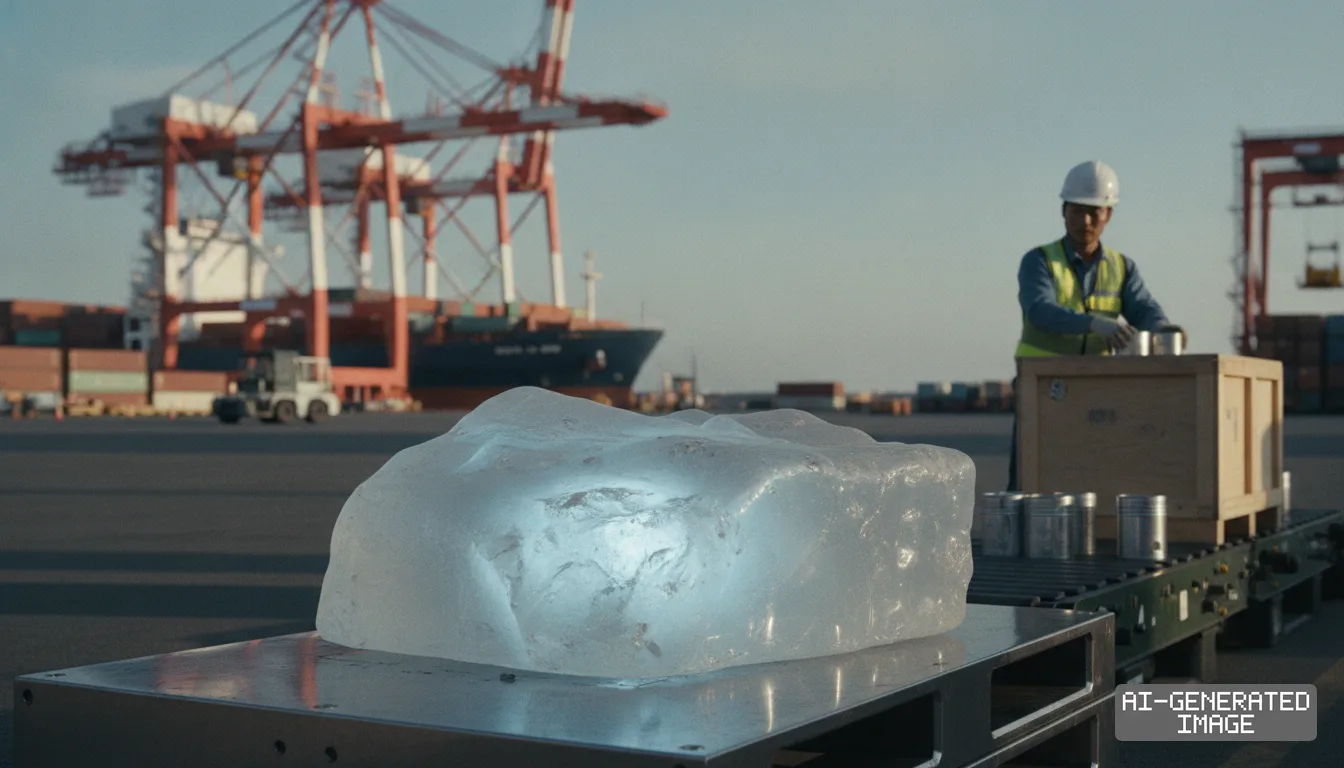
The Korea Customs Service reported Sept. 11 that inbound shipments of American rare earth oxides jumped to $19.06 million, more than doubling the United States' share of the country's intake.
The intake of American material accounted for 21.2% of South Korea's $89.53 million total rare earth oxide imports. That represents an 11.5 percentage point increase from the 9.7% share recorded across 2023.
Total imports from the United States in the seven-month span exceeded the $11.56 million recorded for the entire previous year. The shift reflects urgent efforts by industrial procurement desks to secure alternatives to Chinese supply.
South Korea relies on rare earth oxides — chemical compounds refined from mined ores — to manufacture high-strength permanent magnets. Those magnets power electric vehicle traction motors, wind turbine generators and defense guidance hardware.
China's Ministry of Commerce has progressively widened export licensing restrictions on critical minerals, including heavy rare earths and processing technology. Those controls forced South Korean manufacturers to hedge against sudden border closures.
Shipments from China still totaled $43.91 million during the period, representing 47.5% of South Korea's total imports. That marked a modest decline from China's 49.0% share in 2023, when deliveries reached $56.30 million.
The sudden rise in American material also highlights a bottleneck inside the United States supply chain. Washington has poured billions of dollars into domestic mining and separation projects to counter Beijing's dominance.
However, the United States lacks midstream facilities to convert those oxides into metals and finished sintered neodymium magnets. American producers have therefore routed separated materials across the Pacific to established Asian fabricators.
Annual production of rare earth permanent magnets inside the United States remains below 1,000 tons. Japan produces between 10,000 and 15,000 tons annually, while South Korea produces roughly 2,000 to 3,000 tons.
American producers have turned directly to South Korean and Japanese processing floors. MP Materials, Energy Fuels and Phoenix Tailings have all directed commercial shipments to Asian manufacturing hubs.
MP Materials ceased shipping raw rare earth concentrate from its Mountain Pass mine in California to China. The company now sells separated neodymium-praseodymium oxide to allied buyers while finishing its own magnet plants.
South Korean magnet maker Seong-An signed a purchase agreement with MP Materials for 240 tons of rare earth oxide per year. The deliveries feed commercial production of magnet-grade metals destined for non-Chinese automotive supply chains.
POSCO International reached an agreement with Energy Fuels to source rare earth oxides from the White Mesa Mill in Utah. POSCO International uses the raw feed to supply traction motor cores for global automakers.
POSCO International also partnered with ReElement Technologies on a project targeting 3,000 tons of annual rare earth oxide refining. The commercial lines aim to supply dysprosium and terbium for high-temperature motor magnets.
This procurement pivot carries measurable cost friction for South Korean fabricators. Non-Chinese separated oxides trade at substantial premiums due to limited refining capacity outside China.
In Western spot transactions, heavy rare earths like dysprosium oxide have commanded prices exceeding $2,300 per kilogram. That level represents a multiple over domestic Chinese quotations, squeezing margins for downstream motor producers.
Automakers selling into North America are pressing suppliers to absorb those higher input costs. The United States Inflation Reduction Act conditions clean-vehicle consumer tax credits on sourcing critical minerals outside foreign entities of concern.
Meeting those sourcing thresholds requires verifiable non-Chinese provenance from the mine through chemical separation. South Korean component suppliers are paying the material premium to maintain eligibility for vehicle subsidies in North America.
South Korea's Ministry of Trade, Industry and Energy has urged domestic industrial groups to accelerate supply-chain diversification. The ministry operates early-warning mechanisms tracking port delays and quota restrictions across ten strategic mineral categories.
The customs agency did not publish company-specific transaction prices per kilogram, and the trade ministry has not disclosed the volume of American oxides absorbed into national stockpiles.
Procurement schedules face an immediate compliance benchmark. The United States Department of Defense has set a Jan. 1, 2027 deadline requiring defense contractors to eliminate Chinese rare earth materials from their supply chains.
That regulatory deadline is forcing allied manufacturers to complete metallurgical qualification cycles for American oxides ahead of the 2027 cutoff. Deliveries of non-Chinese feedstock to South Korean processing facilities are scheduled to expand accordingly.
Impact map
How this development propagates across the region and out to global buyers.
| Event | Korea | China | Japan | Global impact |
|---|---|---|---|---|
| Allied rare earth diversification | Seong-An and POSCO International absorb US oxides; input costs rise on Western oxide premium | China share slips to 47.5% as export controls drive allied buyers toward North American suppliers | Japanese magnet makers retain 10,000-15,000 ton processing lead, absorbing MP Materials feedstock | Clean-vehicle traction motor supply chains face higher BOM costs to meet US sourcing criteria |
| Allied rare earth diversification | Seong-An and POSCO International absorb US oxides; input costs rise on Western oxide premium | China share slips to 47.5% as export controls drive allied buyers toward North American suppliers | Japanese magnet makers retain 10,000-15,000 ton processing lead, absorbing MP Materials feedstock | Clean-vehicle traction motor supply chains face higher BOM costs to meet US sourcing criteria |
In this story
- Companies
- MP MaterialsPOSCO InternationalSeong-An
- Tickers
- MP047050.KS011300.KS
- Exposed
- Energy FuelsPhoenix TailingsGeneral Motors
- Policy
- Export ControlsCritical Minerals
- Impact
- Supply ChainPricingCapex
Track every Export Controls development →
Related briefings
- KOGAS shifts LNG storage protocols to smooth winter inventory builds Also on POSCO International, Pricing
- China export pause on rare earths nears Nov. 10 expiration Also on MP Materials, General Motors, Export Controls
- China rare earth suppliers halt US shipments ahead of Washington summit talks Also on MP Materials, Export Controls, Pricing
- China Sets Consolidated Late-2026 Light Rare Earth Mining Quota to Cap Northern Bastnasite Extraction Also on MP Materials
Sources
Primary documents
Reporting
Confidence: high — how we grade this
The documents behind this briefing are linked above. East Asia Brief produces its English text with AI assistance under human editorial review, and does not translate or republish other outlets' articles. See our methodology and AI policy. Spotted an error? Tell us.
The Morning Brief
What changed in Korean, Chinese and Japanese industry overnight — and what it means for your supply chain. One email, weekday mornings, US time. Free.
The first issue goes out shortly. Sign up now and you will not miss it.