Dongjin Semichem operating profit jumps 51% on photoresist surge
The Korean lithography supplier shed ten display units in China to expand domestic chemical lines feeding Samsung and SK hynix.
Dongjin Semichem filed its third-quarter report Nov. 16, 2026, confirming a 51.2% surge in operating profit to 61.05 billion won ($45 million) behind rising advanced photoresist shipments.
Quarterly revenue rose 23.6% from a year earlier to 370.83 billion won ($274 million). The gain lifted cumulative nine-month sales 18.2% to 1.0458 trillion won ($772 million), crossing the trillion-won mark three months earlier than in 2025.
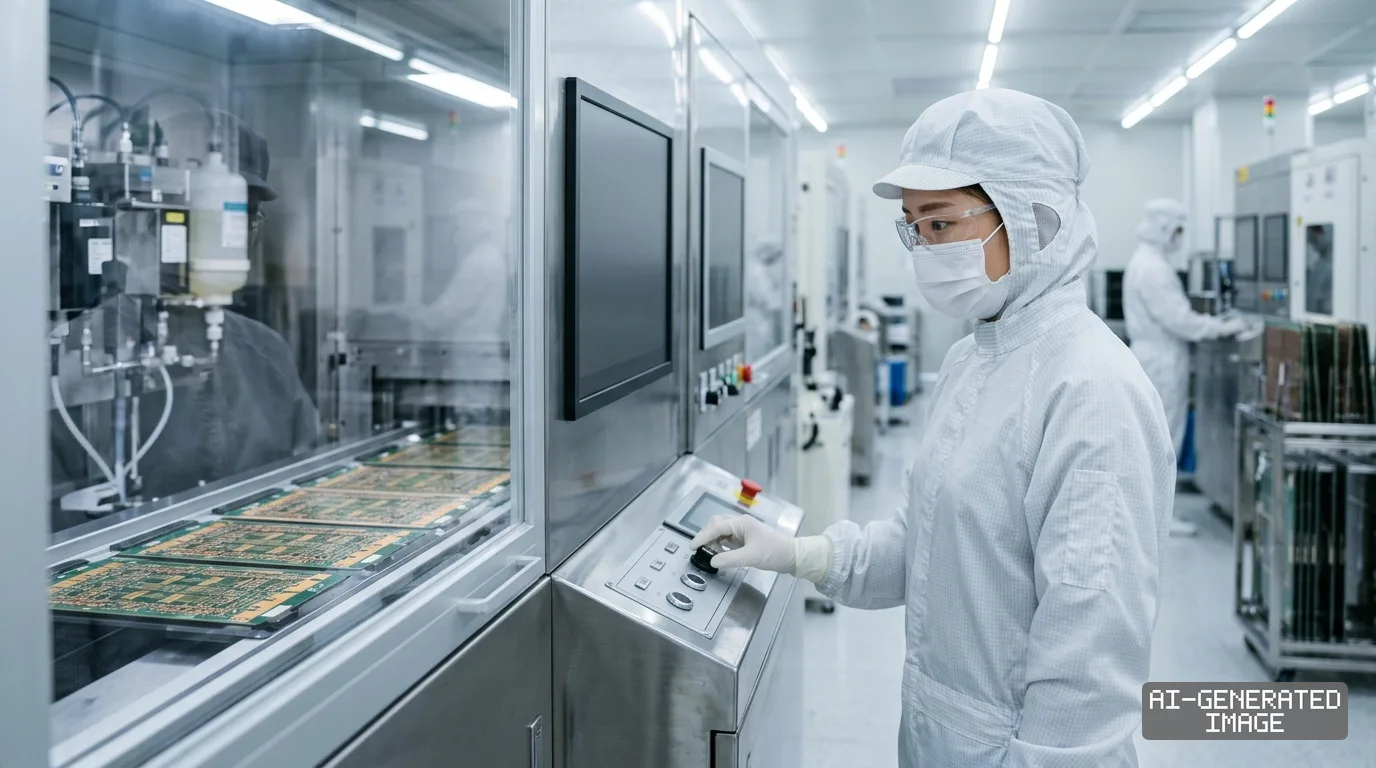
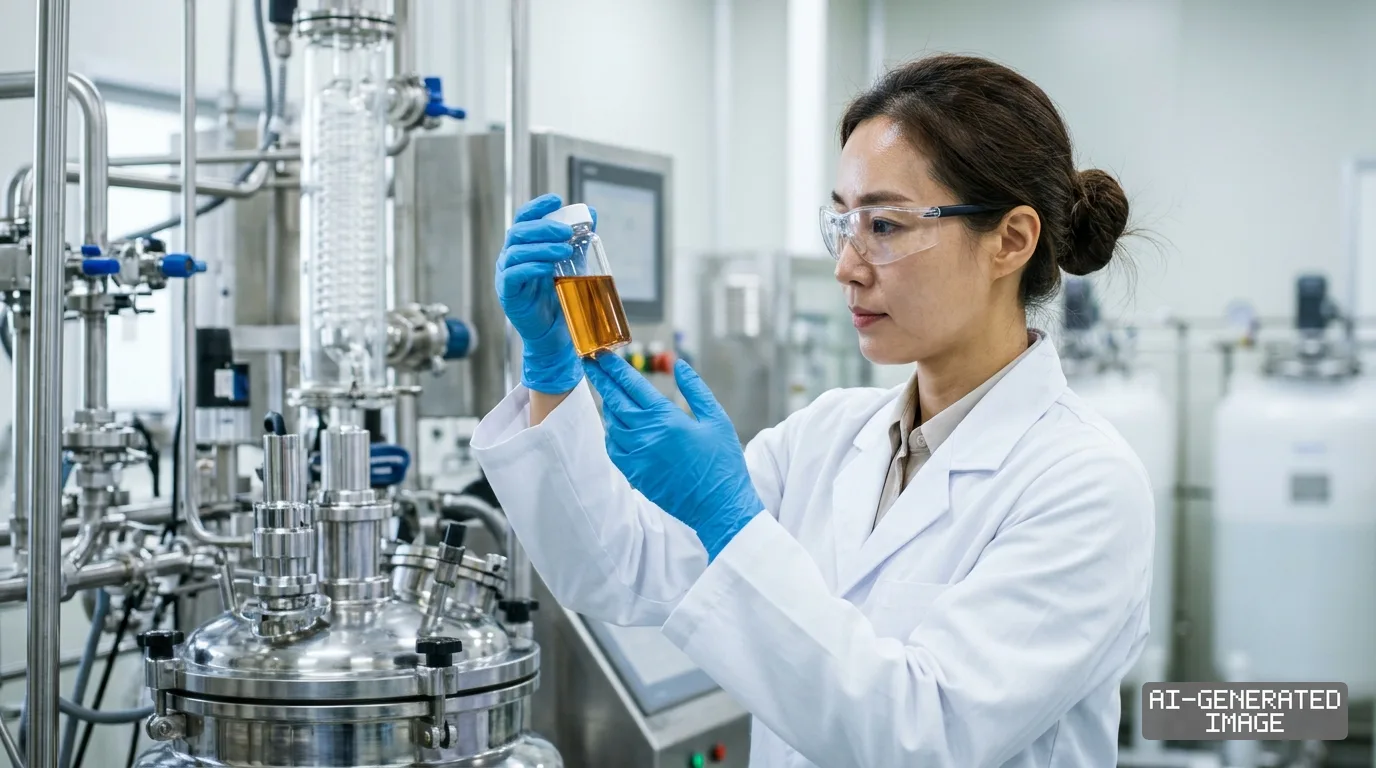
Semiconductor process materials generated 78.9% of continuing revenue in 2026. The segment encompasses photoresists — light-sensitive chemical solutions used to transfer circuit patterns onto silicon wafers — alongside strippers, thinners and etchants.
Net income jumped 387.2% to 112.92 billion won ($83 million). The spike reflected non-recurring gains from disposing of legacy Chinese display materials subsidiaries, which the company reclassified under discontinued operations.
Continuing operations recorded a pre-tax loss of 7.86 billion won ($5.8 million). The accounting shift stemmed from restructuring charges associated with carve-outs and foreign exchange adjustments, the company said in its filing.
Nine-month operating profit reached 186.93 billion won ($138 million), climbing 42.9% year-on-year. Cumulative net profit increased 308.8% to 264.79 billion won ($195 million) across the same period.
Domestic fab operators lifted fabrication runs, expanding orders for high-margin lithography chemicals. Dongjin ran its domestic semiconductor chemical production lines at 95.1% capacity utilization during the period.
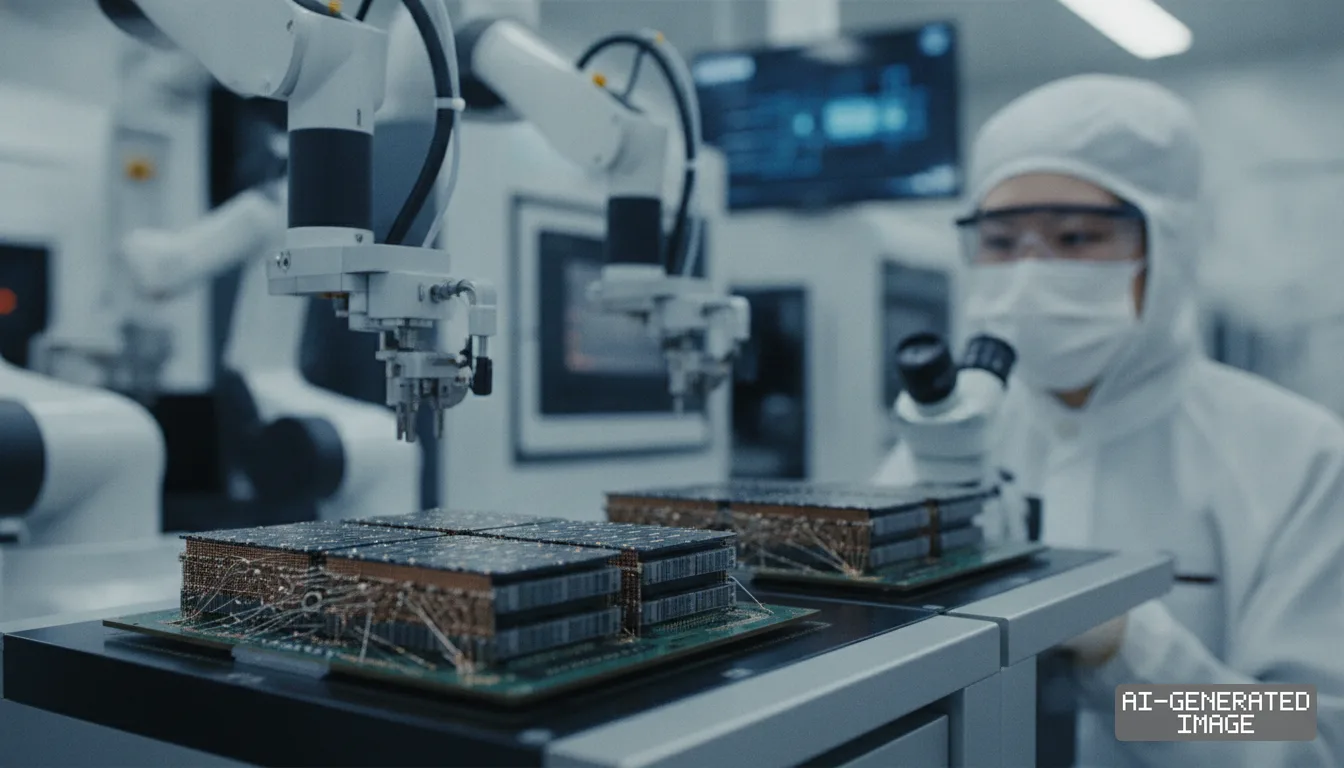
Samsung Electronics and SK hynix buy the bulk of Dongjin’s lithography output. Both memory makers expanded high-bandwidth memory and advanced NAND production, driving demand for krypton fluoride and extreme ultraviolet formulations.
Dongjin holds the global market share lead in krypton fluoride photoresists used in 3D NAND fabrication. The company is also South Korea’s sole volume producer of extreme ultraviolet photoresist, challenging an import market dominated by Japanese suppliers.
Japanese manufacturers Tokyo Ohka Kogyo, JSR and Shin-Etsu Chemical control 80% to 85% of the worldwide EUV photoresist market. Korean chipmakers have pursued alternative domestic sourcing to hedge geopolitical and supply chain risks.
Dongjin divested 10 of its 11 Chinese operating units to focus capital on advanced fab materials. The company transferred equity across nine Chinese entities to an offshore special purpose vehicle, Dongjin Semichem Shanghai New Materials.
Dongjin completed the transfer of a 70% equity stake in the Shanghai entity, generating 273.5 billion won ($202 million) in gross cash proceeds, the company said. The transaction deconsolidated operations that supplied wet chemicals to Chinese flat-panel display fabs.
One remaining Chinese manufacturing facility, Huizhou Dongjin Semichem, was excluded from the initial transfer. Dongjin said in the filing that it is executing a separate transaction to sell that unit.
The retreat from Chinese display chemistry aligns with rising competition from subsidized Chinese domestic chemical producers. Local content policies under Beijing’s industrial roadmaps compressed gross margins on standard display thinners and strippers.
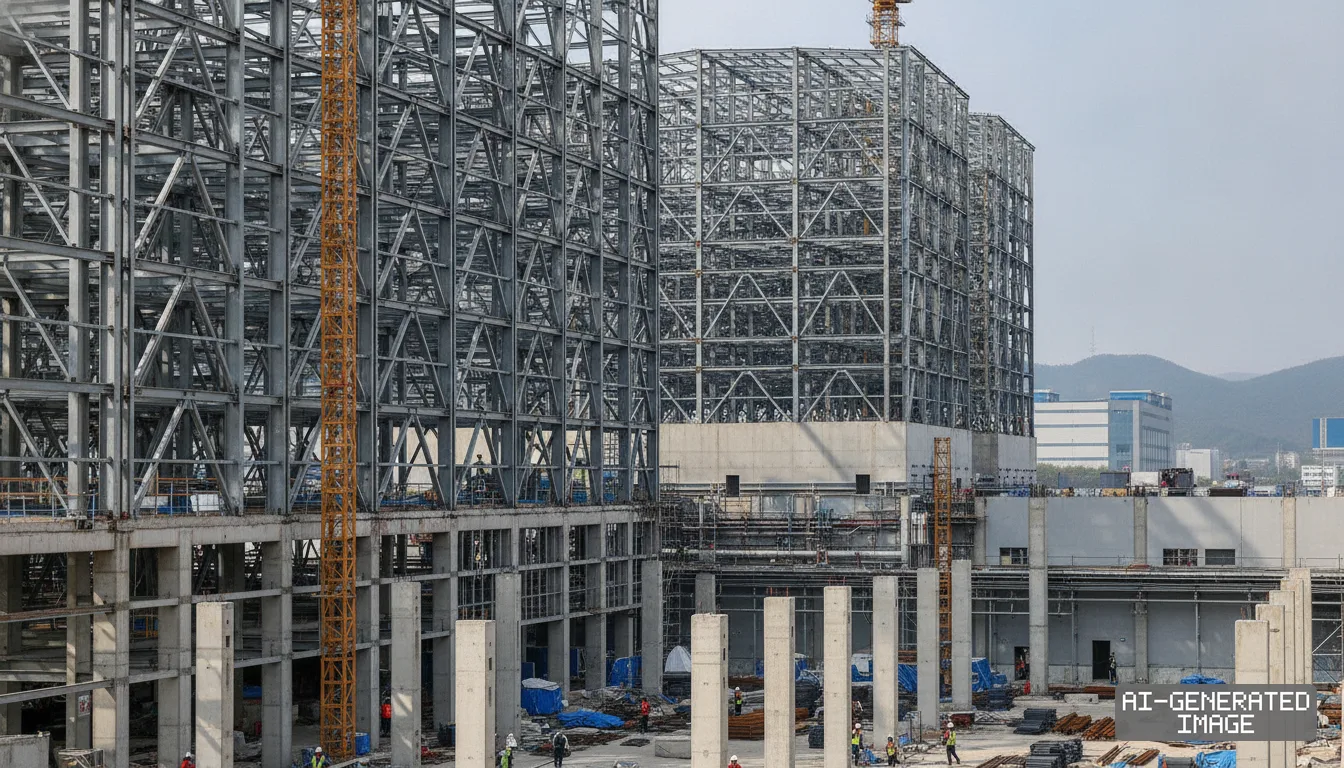
Proceeds from the asset disposals are funding overseas front-end semiconductor material operations. Dongjin invested 260 billion won ($192 million) to build chemical manufacturing facilities in Killeen and Plainview, Texas.
The Texas plants supply ultra-pure sulfuric acid and electronic thinners to Samsung Electronics’ advanced foundry site in Taylor, Texas. Full commercial utilization at both American facilities could generate up to 150 billion won ($111 million) in annual revenue, the company said.
Dongjin's board voted Nov. 3, 2026, to extend the maturity of a $52.5 million loan facility to its Hong Kong arm, Dongjin Global Holdings, through Nov. 3, 2027. The facility finances ongoing restructuring across overseas units.
The filing does not state the transaction valuation for the pending sale of Huizhou Dongjin Semichem, nor does it disclose the volume share of EUV formulations within total photoresist sales.
Impact map
How this development propagates across the region and out to global buyers.
| Event | Korea | China | Japan | Global impact |
|---|---|---|---|---|
| Lithography portfolio pivot | Dongjin expands domestic EUV photoresist capacity for Samsung and SK hynix fab lines | Domestic suppliers absorb divested legacy LCD wet chemical operations across nine provincial units | TOK, JSR and Shin-Etsu Chemical face localized Korean competition in advanced EUV photoresists | Chipmakers diversify advanced photoresist sourcing away from concentrated Japanese chemical supply |
In this story
- Companies
- Dongjin Semichem
- Tickers
- 005290.KQ
- Exposed
- Samsung ElectronicsSK hynixTokyo Ohka KogyoJSRShin-Etsu Chemical
- Impact
- Supply ChainCapexCost Structure
Related briefings
- Dongjin Semichem divests China display unit for $134 million Also on Dongjin Semichem, Tokyo Ohka Kogyo, SK hynix
- Mitsui Chemicals buys chip materials maker JSR for $11.6 billion Also on JSR, Tokyo Ohka Kogyo, Samsung Electronics
- SK hynix Convenes Japan Chip Suppliers on Next HBM Roadmap Also on JSR, Shin-Etsu Chemical, SK hynix
- JSR completes South Korea EUV photoresist plant in Cheongju Also on JSR, SK hynix, Samsung Electronics
Sources
Reporting
Confidence: medium — how we grade this
The documents behind this briefing are linked above. East Asia Brief produces its English text with AI assistance under human editorial review, and does not translate or republish other outlets' articles. See our methodology and AI policy. Spotted an error? Tell us.
The Morning Brief
What changed in Korean, Chinese and Japanese industry overnight — and what it means for your supply chain. One email, weekday mornings, US time. Free.
The Morning Brief is in preparation. Leave your address and we will write to you once — when the first issue is ready. Nothing before that.