JNTC breaks Hoya monopoly with Seagate glass platter supply deal
A 55 billion won plant conversion in Vietnam secures annual capacity for up to 170 million disks, capturing 40% of the storage maker's procurement by early 2027.
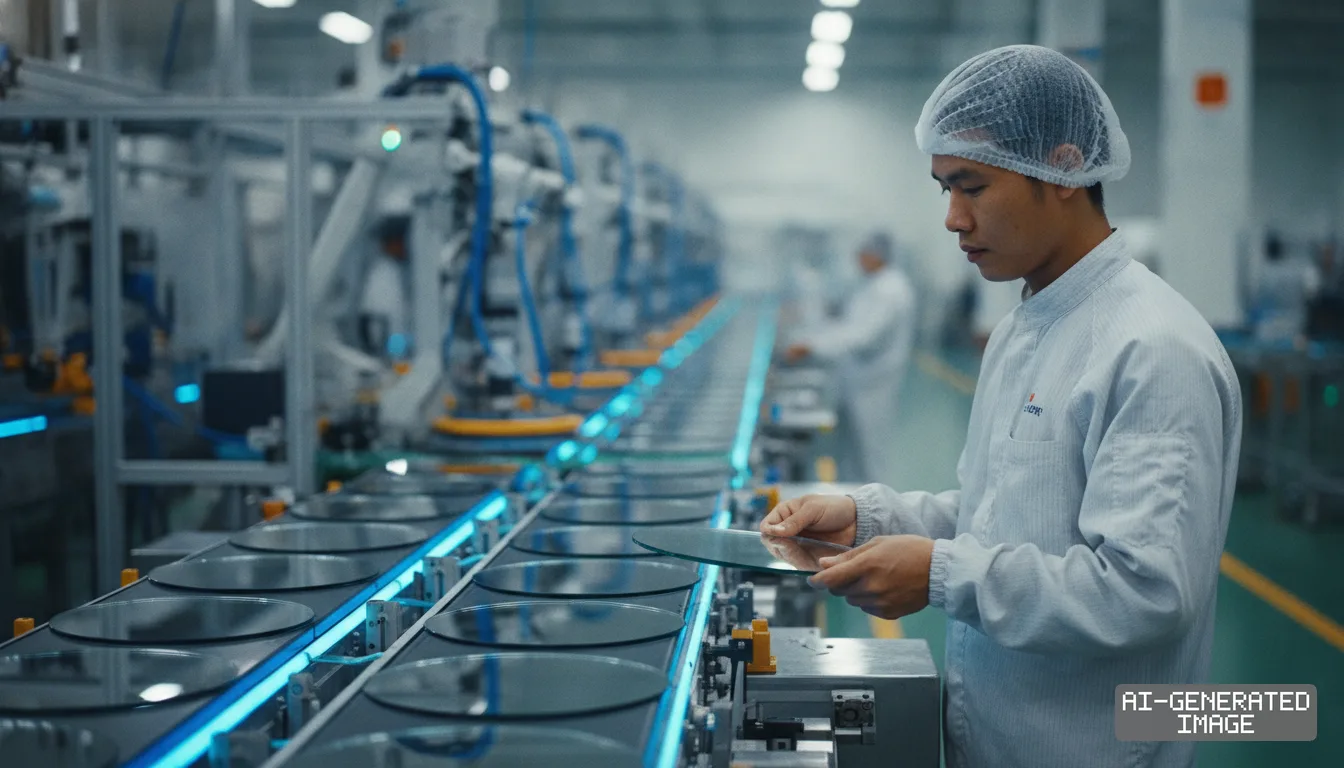
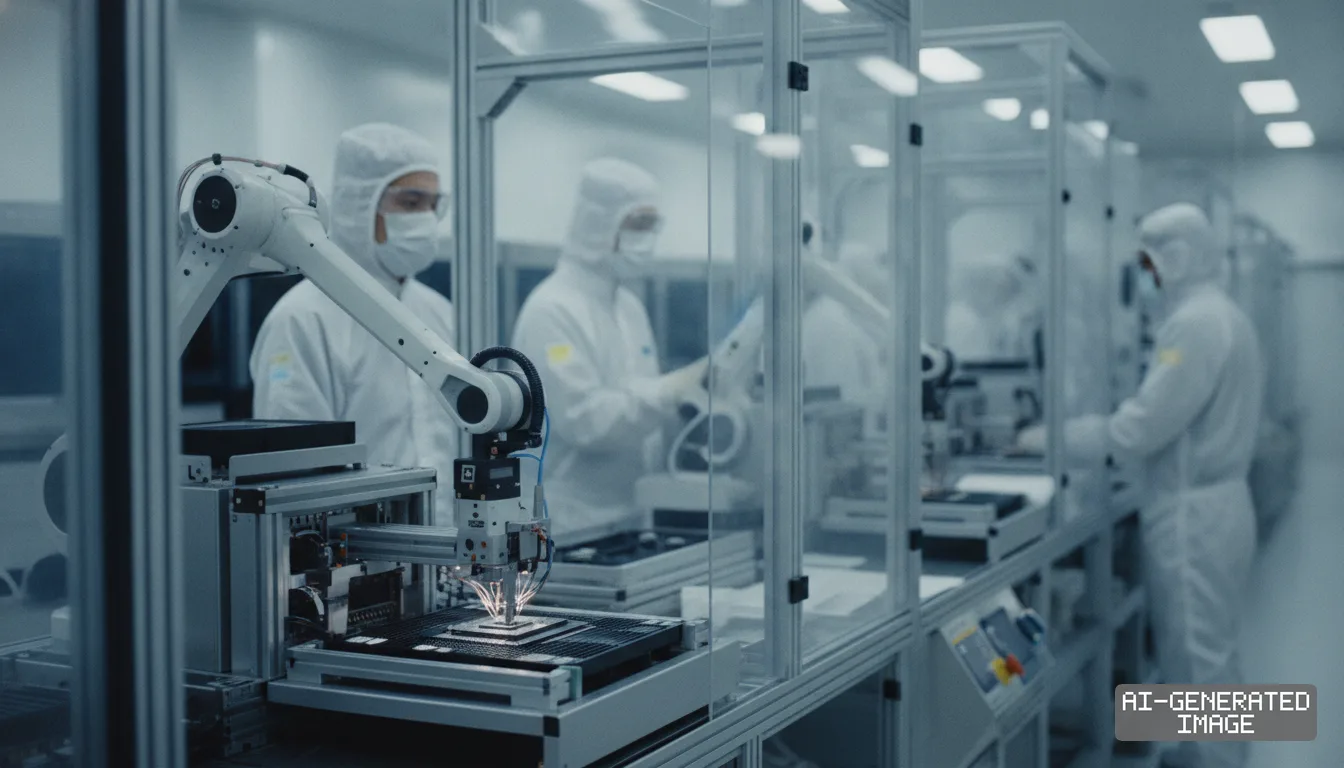
JNTC completed a 55 billion won ($39.6 million) plant conversion in Vietnam to mass-produce glass platters for Seagate Technology on Nov. 12, challenging a market monopoly held by Japan's Hoya.
The capital expenditure converts the company's third factory in Viet Tri to secure an annual production capacity of 120 million to 170 million units. The line will begin commercial shipments in early 2027.
Seagate will allocate approximately 40% of its enterprise glass platter procurement to JNTC, according to project estimates. Hoya will supply the remaining 60%, ending decades of single-source procurement for the storage maker.
The Viet Tri plant previously manufactured tempered cover glass for wearable devices, automotive instrument panels and smartphone camera modules. JNTC began retooling the facility for precision disk substrate fabrication late last year.
The investment followed earlier spending commitments registered by the parts supplier. JNTC initially budgeted 20 billion won for HDD platter tooling in late 2025 before raising the allocation to 33 billion won.
Commercial revenue will register in financial results during the first quarter of 2027, the company said. Facility utilization will accelerate in the second quarter of 2027 to meet delivery schedules set by Seagate.
Platters are the spinning disk substrates within hard drives that hold digital information. Recording heads read and write data as magnetic layers applied to the platter surface pass beneath laser-guided sensors.
Enterprise drive makers are replacing traditional aluminum platters with aluminosilicate glass. Glass disks exhibit greater rigidity and lower thermal expansion, remaining flat even when polished down to fractions of a millimeter.
Superior stiffness enables drive makers to stack more disks inside standard 3.5-inch enclosures. Seagate relies on glass platters to manufacture hard drives using heat-assisted magnetic recording, an architecture known as HAMR.
HAMR drives apply localized laser pulses to heat disk media to hundreds of degrees Celsius during write operations. Aluminum warps under comparable thermal stress, making glass substrates mandatory for high-density magnetic recording.
Demand for high-capacity nearline drives has surged alongside hyperscale artificial intelligence cluster construction. Nearline drives provide cost-effective secondary storage for massive dataset archives and AI training checkpoints that exceed solid-state flash budgets.
Seagate and JNTC developed the platter lines through multi-year technical cooperation, the company said. The storage maker shared manufacturing specifications, equipment configurations and surface roughness tolerances to establish an independent second supplier.
Supply chain vulnerabilities emerged after Hoya faced capacity constraints at its existing facilities. Hoya is investing approximately 450 billion won ($324 million) to build new glass platter capacity in Vietnam, but that plant will not open until 2028.
That construction timeline left Seagate exposed to component shortages during a cyclical recovery in enterprise storage demand. JNTC offered available cleanroom space and glass-grinding lines that could be converted within 12 months.
JNTC plans to dedicate its glass platter output exclusively to Seagate through 2030, the company said. After 2030, the South Korean supplier intends to market platters to Western Digital and Toshiba.
Toshiba is also transitioning high-capacity nearline products from aluminum to glass disks. The Japanese drive manufacturer is expanding platter counts from 10 to 12 platters per unit to reach higher drive capacities.
Western Digital has similarly tested glass platter designs for next-generation enterprise drives. Both storage vendors currently rely entirely on Hoya, leaving the broader storage industry exposed to single-supplier pricing and capacity allocation.
JNTC projects the Seagate contract will generate several hundred billion won in annual revenue. The new business arrives after the supplier reported an operating loss of 78 billion won on revenue of 185.7 billion won last year.
The platter line builds on technical capabilities developed for semiconductor packaging. JNTC operates a glass processing facility in Hwaseong, South Korea, designed to produce 10,000 through-glass via substrate panels each month for chipmakers.
JNTC has not filed a formal supply agreement disclosure with the Korea Exchange, leaving binding contract values, pricing schedules and take-or-pay volume thresholds unconfirmed. Neither Seagate nor Hoya has issued an official statement regarding procurement allocations.
Line optimization in Viet Tri continues ahead of initial output in the first quarter of 2027, while Hoya's competing Vietnamese expansion will not begin mass production until 2028.
Impact map
How this development propagates across the region and out to global buyers.
| Event | Korea | China | Japan | Global impact |
|---|---|---|---|---|
| Seagate dual-sourcing glass platters | JNTC secures up to 170M unit platter run, entering Tier-1 enterprise HDD chain | no domestic HAMR glass substrate capacity, cloud providers remain reliant on imported drives | HOYA loses exclusive Seagate supply, retaining ~60% share while Vietnam plant waits for 2028 | AI data center storage costs ease as nearline HDD platter supply adds a second manufacturer |
In this story
- Companies
- JNTCSeagate TechnologyHOYA Corporation
- Tickers
- 204270.KQSTX7741.T
- Exposed
- Western DigitalToshiba
- Impact
- Supply ChainCapexOrder Book
Related briefings
- Japan mask blank makers qualify High-NA EUV substrates for sub-2nm chips Also on HOYA Corporation
- Kioxia sheds two-thirds of market value as Chinese NAND rivals surge Also on Western Digital, Order Book
- Paladin expands rare earth recycling to 150 metric tonnes Also on Western Digital
- European fusion developers seek Japanese superconducting tape Also on Toshiba, Order Book
Sources
Primary documents
Reporting
Confidence: high — how we grade this
The documents behind this briefing are linked above. East Asia Brief produces its English text with AI assistance under human editorial review, and does not translate or republish other outlets' articles. See our methodology and AI policy. Spotted an error? Tell us.
The Morning Brief
What changed in Korean, Chinese and Japanese industry overnight — and what it means for your supply chain. One email, weekday mornings, US time. Free.
The Morning Brief is in preparation. Leave your address and we will write to you once — when the first issue is ready. Nothing before that.