JCET deploys Agibot humanoid robots in cleanroom chip testing
The Genie G2 fleet enters live automotive packaging lines in Lingang to automate tray sorting and cleanroom logistics across the 50,000-square-meter plant.

Shanghai-based robotics startup Agibot said Nov. 23 it had deployed its first batch of Genie G2 humanoid robots into live production lines at JCET's automotive semiconductor packaging plant in Lingang.
The deployment marks the first trial of embodied artificial intelligence inside an operational cleanroom run by Jiangsu Changjiang Electronics Technology, known as JCET. JCET operates as the world's third-largest outsourced semiconductor assembly and test provider.
JCET generated $5.00 billion in packaging and testing revenue in 2024, representing 10.2% of the market among the top 10 global providers. The company ranks behind Taiwan's ASE Technology Holding and US-based Amkor Technology.
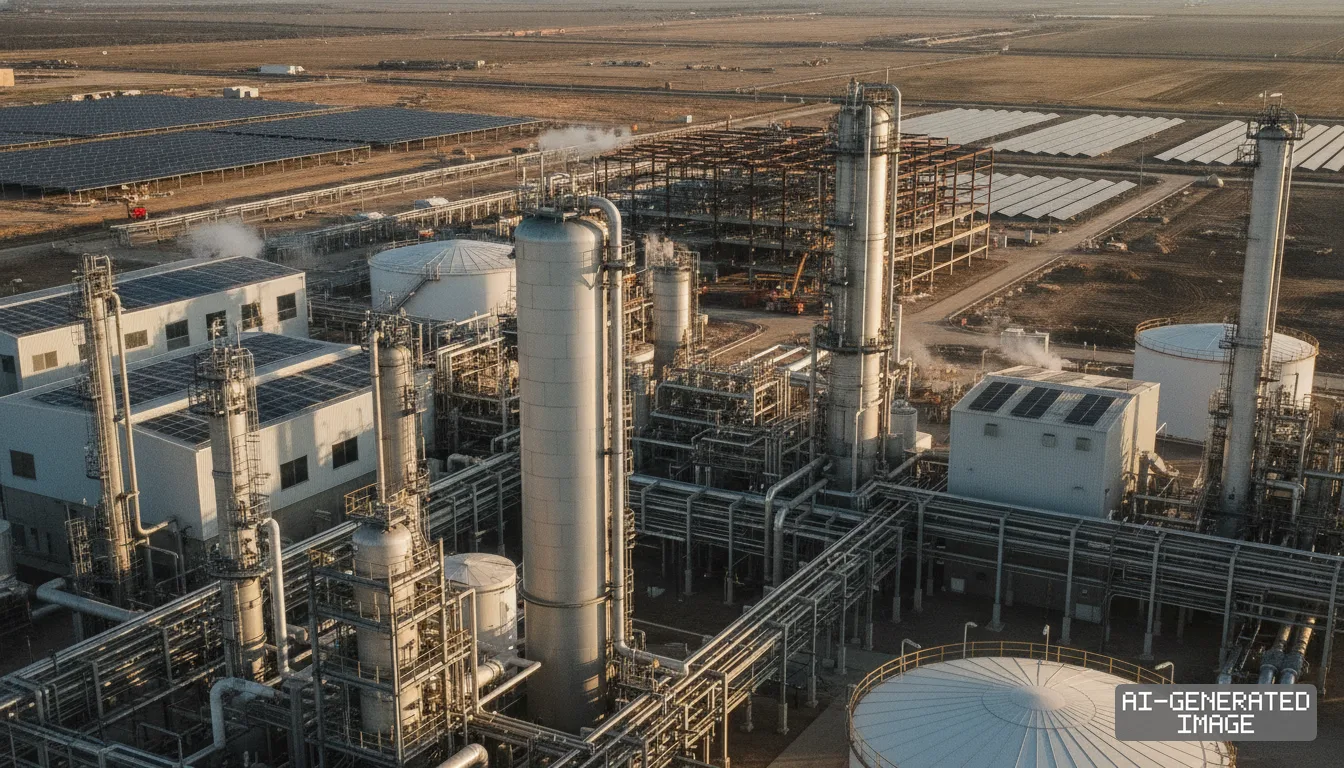
The Lingang site spans 210 mu of industrial land in Shanghai's free trade zone and includes 50,000 square meters of cleanroom space. JCET opened the plant on March 10, 2026, to focus on automotive-grade semiconductors and robotics chips.
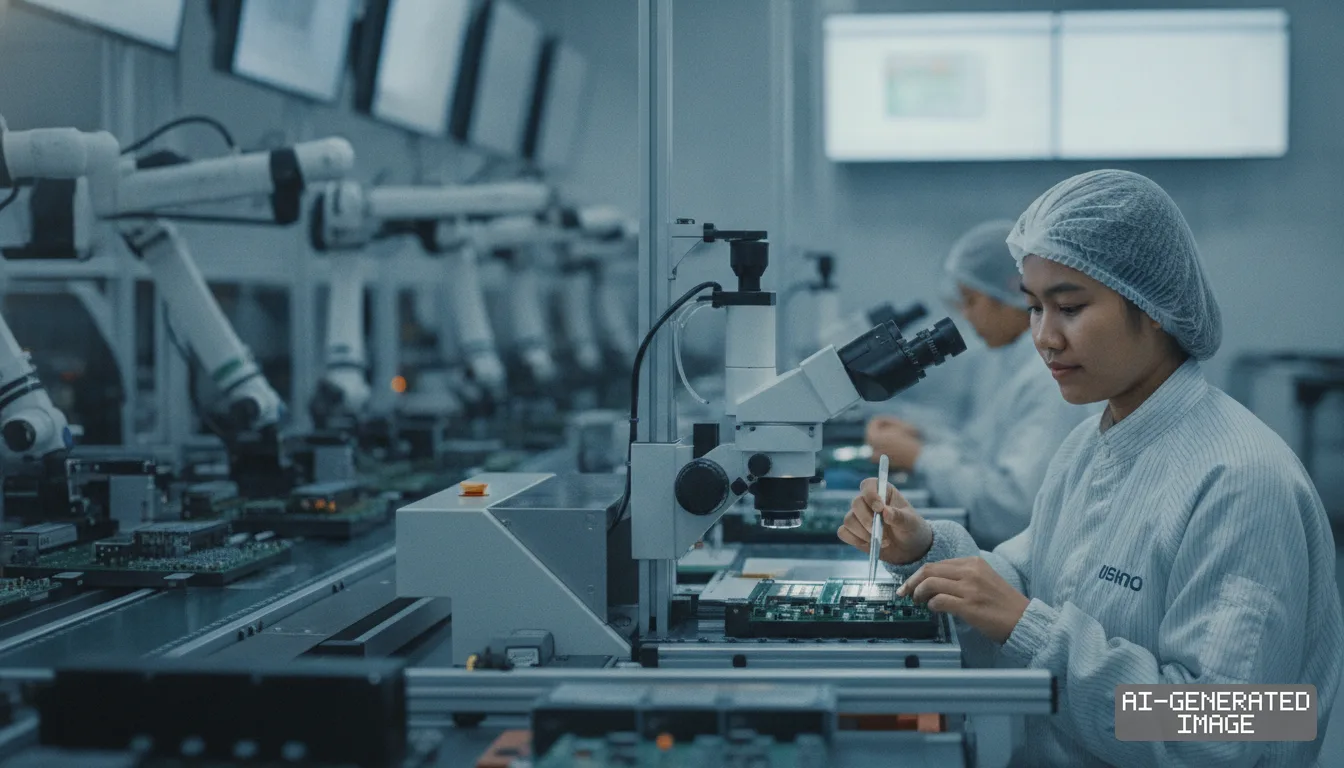
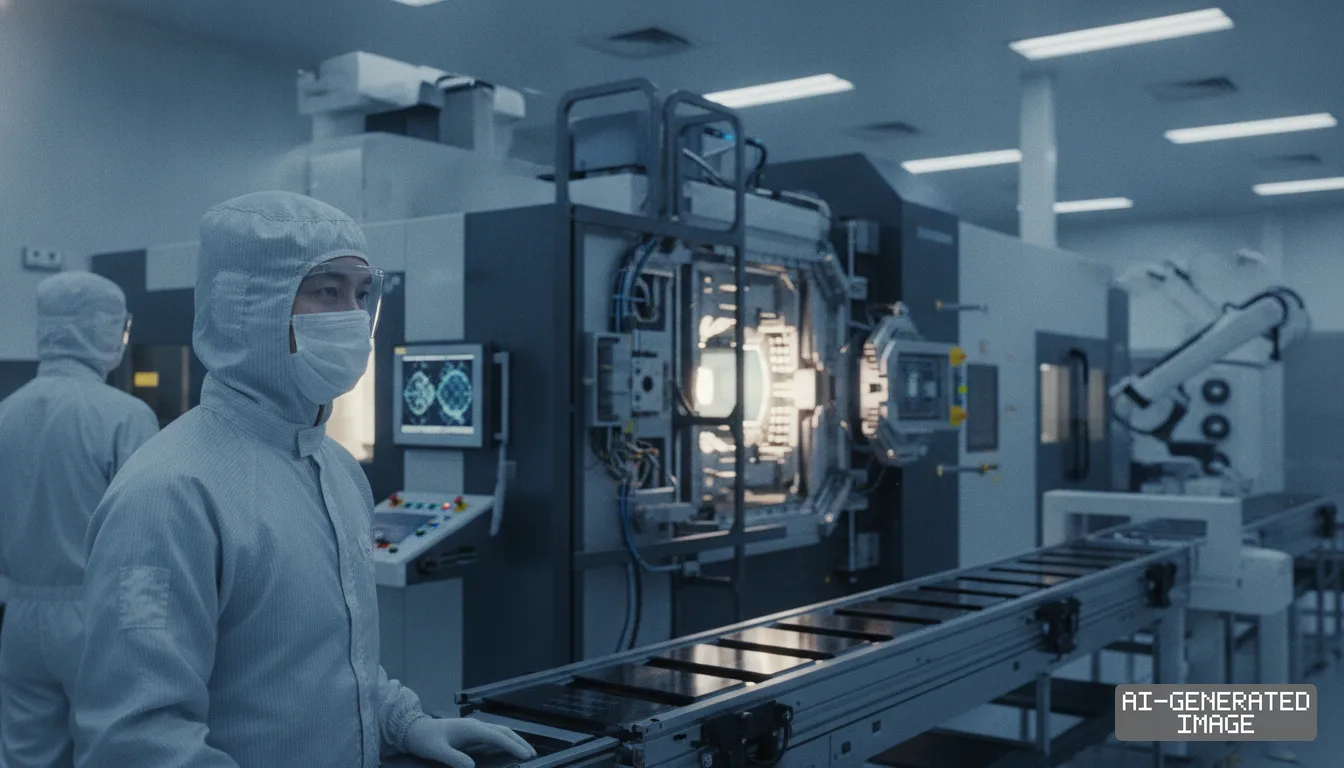
The Genie G2 units operate directly in the facility's chip testing workshop. The robots manage tray loading and unloading across active testing machines without direct assistance from human workers.
Semiconductor packaging and testing involves delicate silicon dies, high thermal cycles and rapid mechanical transfers. Minor mechanical vibrations during manual tray handling frequently cause integrated circuit units to tilt or dislodge, creating sorting defects.
The humanoid robots independently transfer raw trays to test sockets, retrieve completed trays and place inspected devices onto outbound carriers. Agibot configured the machines to run continuously along the line.
The robotic fleet also executes defect sorting during transfer cycles. The machines automatically separate qualified automotive semiconductor units from rejected dies based on automated test results.
Agibot linked the robots directly into JCET's manufacturing execution system and equipment automation program. The software bridge allows the robots to receive real-time testing schedules and line routing commands.
The interface relies on Agibot's proprietary architecture that fuses robot motion planning, visual recognition and industrial software integration. Under this system, a single robot body can service multiple testing stations within the same cleanroom bay.
Human workers represent the primary source of particulate contamination in advanced semiconductor cleanrooms. Eliminating physical operators reduces particulate shedding, lowering the risk of micro-scratches on packaged automotive microcontrollers and power modules.
Automotive-grade chips require strict zero-defect quality thresholds. Packaging lines that handle automotive silicon face stringent audit standards from vehicle manufacturers, making manual handling errors costly during mass production.
Major contract packaging providers have traditionally automated back-end cleanrooms using rigid overhead hoist transport systems and fixed robotic transfer arms. Fixed transport tracks require substantial capital expenditure and floor space modifications.
By contrast, mobile humanoid robots navigate existing factory corridors without physical track modifications. The platform allows OSAT operators to retrofit older testing bays without halting surrounding production cells.
JCET's global competitors are also testing flexible automation tools. ASE, which held 44.6% of top-10 OSAT revenue in 2024, operates several lights-out smart factories in Taiwan relying on autonomous mobile robots.
Amkor, which held a 15.2% revenue share, maintains advanced automated lines at its packaging hub in Vietnam. Neither overseas competitor has publicly integrated multi-jointed humanoid bipedal or wheeled platforms into live testing workshops.
Agibot confirmed that the deployment at Lingang remains in the parallel trial-run phase rather than full commercial mass production. The robots operate alongside existing cleanroom protocols to ensure process stability.
The companies did not disclose the quantitative yield improvement rate, nor did they publish the exact count of Genie G2 units deployed in the initial batch.
JCET did not file a regulatory disclosure with the Shanghai Stock Exchange, as the pilot project falls below material transaction disclosure thresholds.
Agibot and JCET plan to expand joint operational validation across additional advanced packaging processes, with line integration performance evaluations scheduled for completion by the end of the first quarter of 2027.
Impact map
How this development propagates across the region and out to global buyers.
| Event | Korea | China | Japan | Global impact |
|---|---|---|---|---|
| Humanoid robot line integration | domestic OSATs test stationary automated sorters without humanoid adoption | JCET automates cleanroom tray handling to curb particulate contamination and labor overhead | robot parts suppliers monitor precision actuator demand for cleanroom specs | ASE and Amkor evaluate embodied AI to counter rising cleanroom staffing expenses |
In this story
- Companies
- JCET GroupAgibot
- Tickers
- 600584.SH
- Exposed
- ASE Technology HoldingAmkor Technology
- Impact
- Supply ChainCapexCost Structure
Related briefings
- Silicon interposer scaling drives foundry and OSAT shifts in 3.5D chiplets Also on JCET Group, Amkor Technology, ASE Technology Holding
- JCET expands automotive radar SiP packaging lines to capture ADAS sensor demand Also on JCET Group, Amkor Technology, ASE Technology Holding
- EO Technics takes 20% of laser wafer dicing from Japan's Disco Also on JCET Group, Amkor Technology, ASE Technology Holding
- China DRAM Makers Advance Proprietary Vertical Stacking to Counter HBM Export Curbs Also on JCET Group, Cost Structure
Sources
Primary documents
Reporting
Confidence: high — how we grade this
The documents behind this briefing are linked above. East Asia Brief produces its English text with AI assistance under human editorial review, and does not translate or republish other outlets' articles. See our methodology and AI policy. Spotted an error? Tell us.
The Morning Brief
What changed in Korean, Chinese and Japanese industry overnight — and what it means for your supply chain. One email, weekday mornings, US time. Free.
The Morning Brief is in preparation. Leave your address and we will write to you once — when the first issue is ready. Nothing before that.