Intekplus wins $23 million inspection tool order as packaging demands surge
The Korean inspection supplier booked a 30.9 billion won contract for semiconductor substrate equipment, lifting cumulative 2026 disclosed orders past 103 billion won.
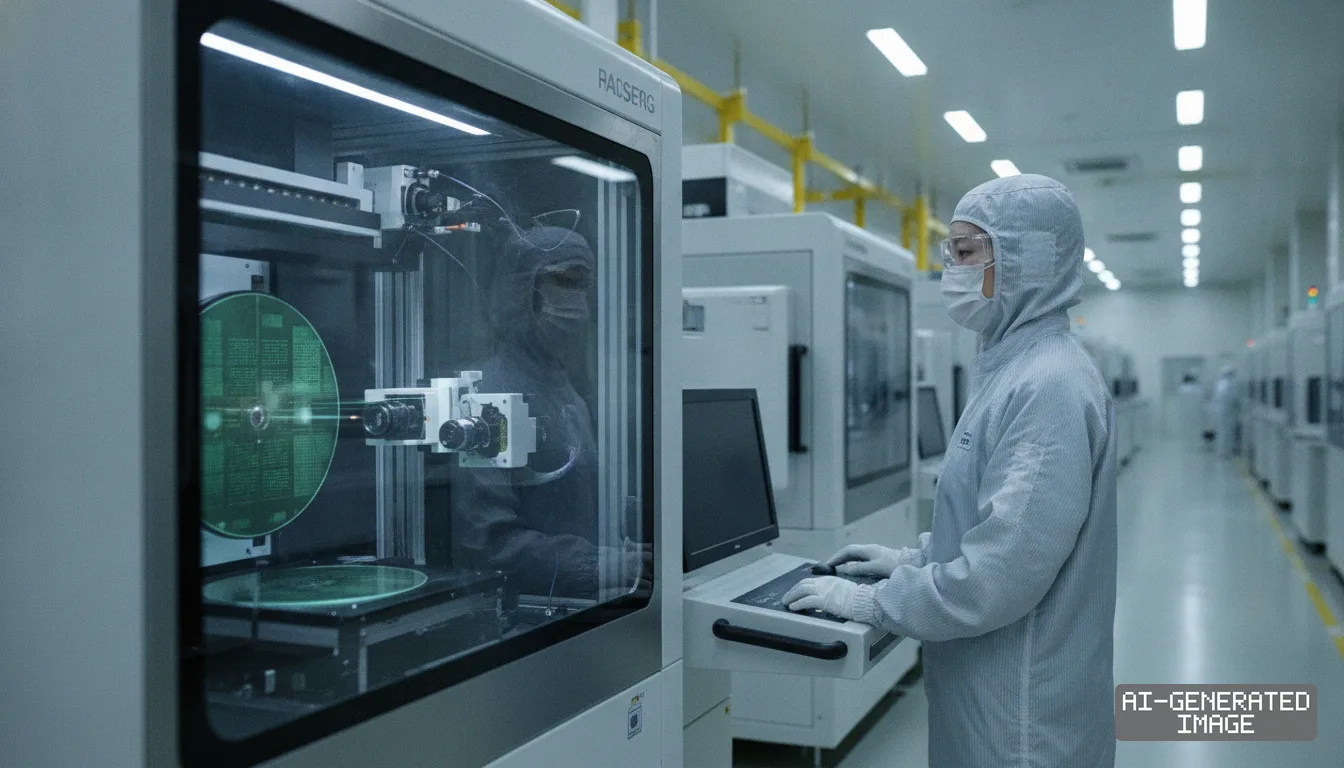
Intekplus signed a 30.90 billion won ($22.9 million) contract on Oct. 12, 2026, to supply semiconductor substrate inspection systems, marking its largest disclosed equipment agreement this year.
The order equals 34.43% of the company's 2025 consolidated revenue of 89.77 billion won ($66.5 million). It raises cumulative disclosed orders for Intekplus in 2026 to 103.58 billion won across eight public contracts.
The contract term runs from Oct. 8, 2026, through Jan. 10, 2028, covering a 459-day delivery schedule. Intekplus will manufacture the automated optical inspection systems in-house at its South Korean facilities.
Payment terms require an advance payment of 20%, an interim payment of 60% and a final balance payment of 20%. The transaction is a binding agreement with no conditional financing clauses attached, the company said in a regulatory filing.
The filing does not disclose the buyer's identity or the equipment's final installation site because the customer requested confidentiality through Jan. 10, 2028. The document notes that Intekplus executed comparable equipment contracts with the customer over the past three years.
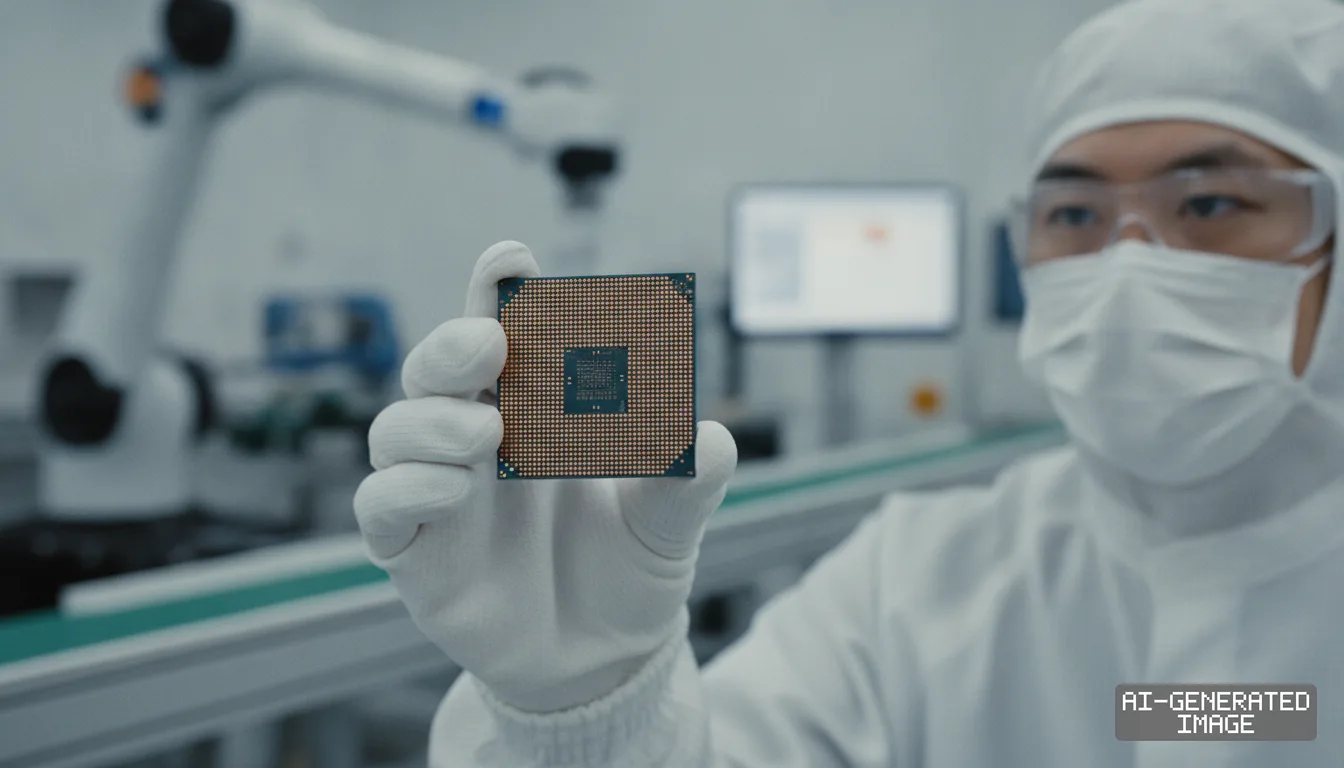
Advanced packaging architectures and multi-chip modules require high-density substrates with fine-pitch interconnects. Those substrates connect silicon chiplets through microscopic bump arrays that demand rigorous optical verification before final lamination.
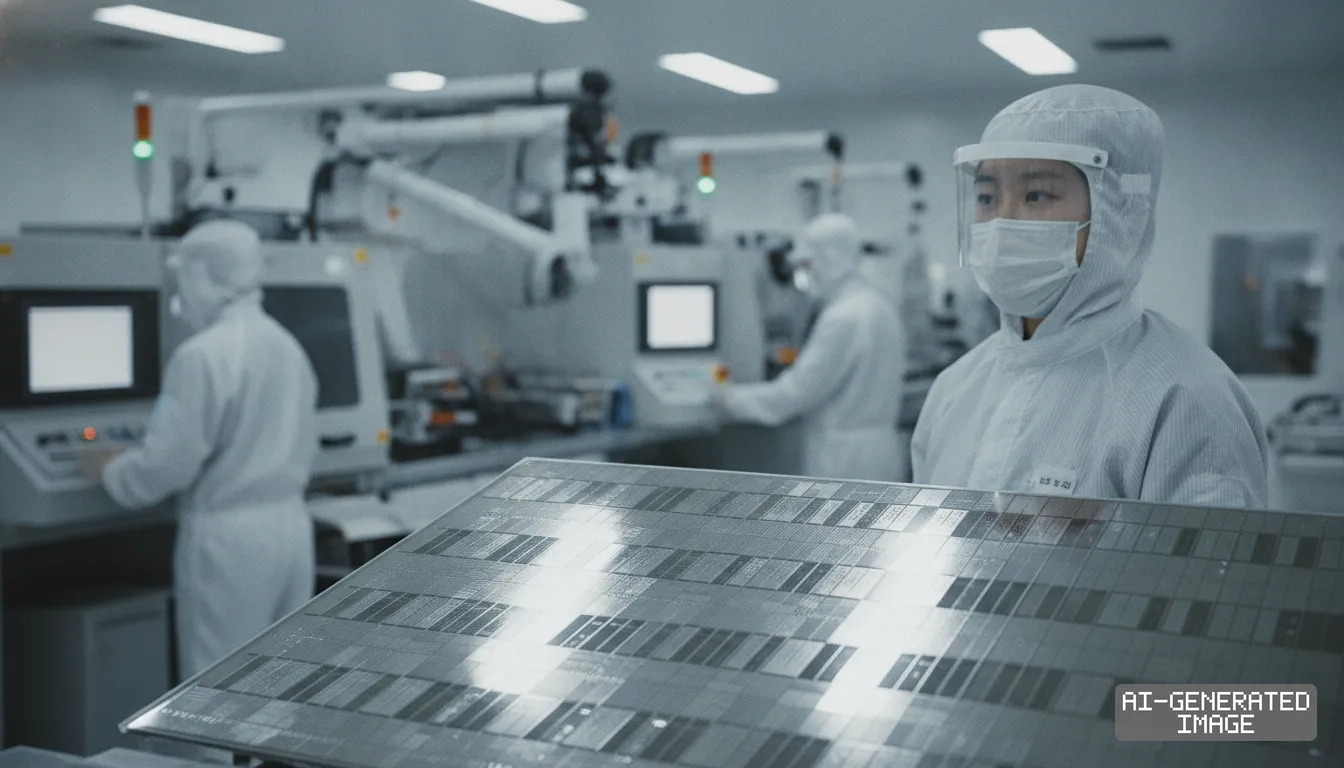
Surface defects, substrate warping and microscopic bump irregularities cause yield loss during multi-die packaging. Inspection platforms examine surface coplanarity and trace lines to ensure reliable mechanical and electrical contact.
Earlier this year, Intekplus secured three substrate equipment orders worth 25.30 billion won through Taiwanese sales agency Takewin International. Equipment supplied through Takewin targets high-density substrate lines operated by Taiwan-based manufacturers.
The company also booked two contracts totaling 19.30 billion won through Chinese distribution partner Alkaid Tech. Those shipments address manufacturing sites operated by advanced substrate makers in mainland production hubs.
In July, Intekplus disclosed a 21.90 billion won supply deal with an overseas semiconductor partner. It followed that transaction in September with a 6.10 billion won equipment agreement with Accutech, regulatory records show.
Intekplus reported an order backlog of 103.90 billion won at the end of June 2026. That backlog increased 66.6% from 62.40 billion won recorded 12 months earlier, according to the company's half-year financial statement.
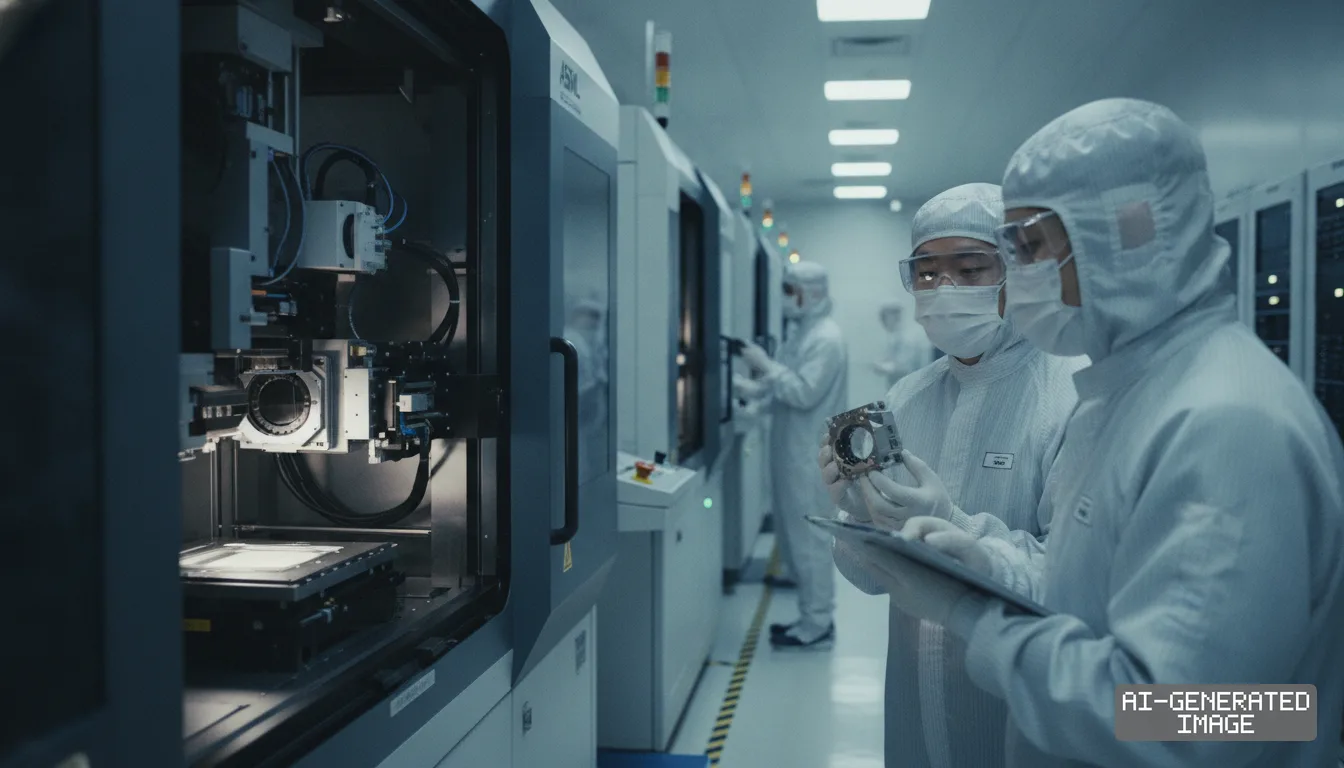
The equipment vendor builds automated optical inspection systems based on machine vision and white-light interferometry. Its product portfolio spans mid-end bump inspection, backend integrated circuit package inspection and display panel metrology.
The company's primary semiconductor offerings include the iPIS series, which measures dimensional accuracy and detects surface cracking on packaged dies. Specialized variants inspect ball-grid arrays and wafer-level packaging bumps down to microscopic tolerances.
AI processors and server-grade compute units require larger flip-chip ball grid array substrates with higher layer counts. Larger substrate areas increase thermal stress and board warping during manufacturing, multiplying defect risks.
High-density substrate manufacturers have expanded capital expenditure to add cleanroom inspection lines. Those lines prevent flawed boards from entering expensive assembly steps involving high-bandwidth memory and computing dies.
Intekplus competes in backend inspection against United States metrology vendor KLA and Japanese automated optical tool providers. The Korean vendor has expanded market share by offering mid-end bump metrology systems at lower price points.
The company will not recognize the full 30.90 billion won order during the current fiscal year. Revenue recognition depends on phased equipment installations and customer factory acceptance testing across 2027 and early 2028, the company said.
The regulatory filing does not state the exact tool models or the number of inspection units covered under the agreement. The identity of the purchasing manufacturer remains sealed under regulatory nondisclosure terms until the contract concludes on Jan. 10, 2028.
Impact map
How this development propagates across the region and out to global buyers.
| Event | Korea | China | Japan | Global impact |
|---|---|---|---|---|
| Substrate inspection contract | Intekplus secures 30.90 billion won order, expanding 2026 disclosed bookings past 103.58 billion won | Alkaid Tech channel expands substrate inspection deployments | Japanese substrate lines absorb alternative inspection vendors | High-density substrate makers add backend inspection capacity for AI chip packaging |
In this story
- Companies
- Intekplus
- Tickers
- 064290.KQ
- Exposed
- KLA
- Policy
- Economic Security
- Impact
- Order BookSupply ChainPricing
Track every Economic Security development →
Related briefings
- Nextin wins $18.8 million SK hynix wafer inspection order Also on KLA, Order Book
- Samsung denies Chinese tool testing as US tightens fab controls Also on KLA
- BYD opens second-generation Seagull orders for 2026 rollout Also on Pricing, Order Book
- Samsung SDI puts Gen 3 lithium packs in Textron E-Z-GO fleet Also on Pricing, Order Book
Sources
Reporting
Confidence: medium — how we grade this
The documents behind this briefing are linked above. East Asia Brief produces its English text with AI assistance under human editorial review, and does not translate or republish other outlets' articles. See our methodology and AI policy. Spotted an error? Tell us.
The Morning Brief
What changed in Korean, Chinese and Japanese industry overnight — and what it means for your supply chain. One email, weekday mornings, US time. Free.
The Morning Brief is in preparation. Leave your address and we will write to you once — when the first issue is ready. Nothing before that.