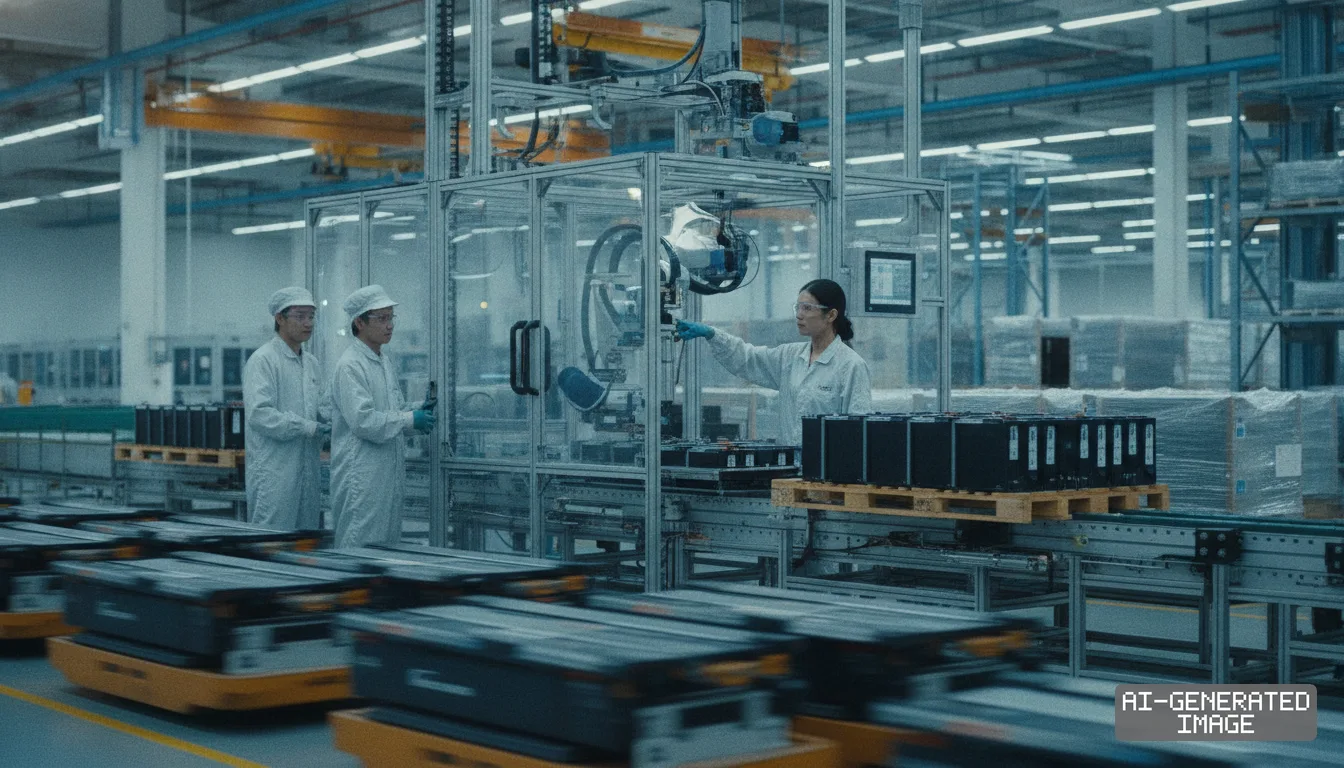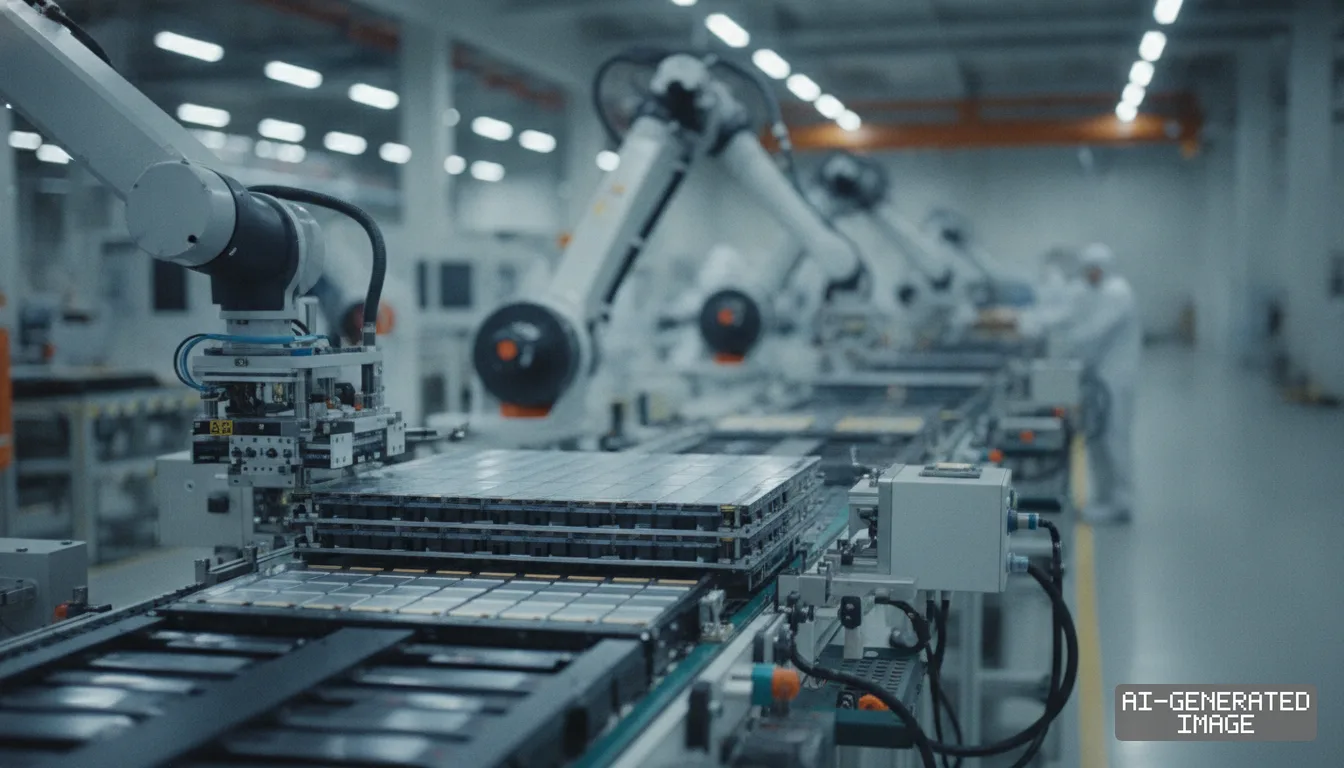
Samsung SDI puts Gen 3 lithium packs in Textron E-Z-GO fleet
The South Korean battery maker expands cylindrical pack shipments to 2027 utility carts as EV demand cools, adding automotive-grade safety controls.
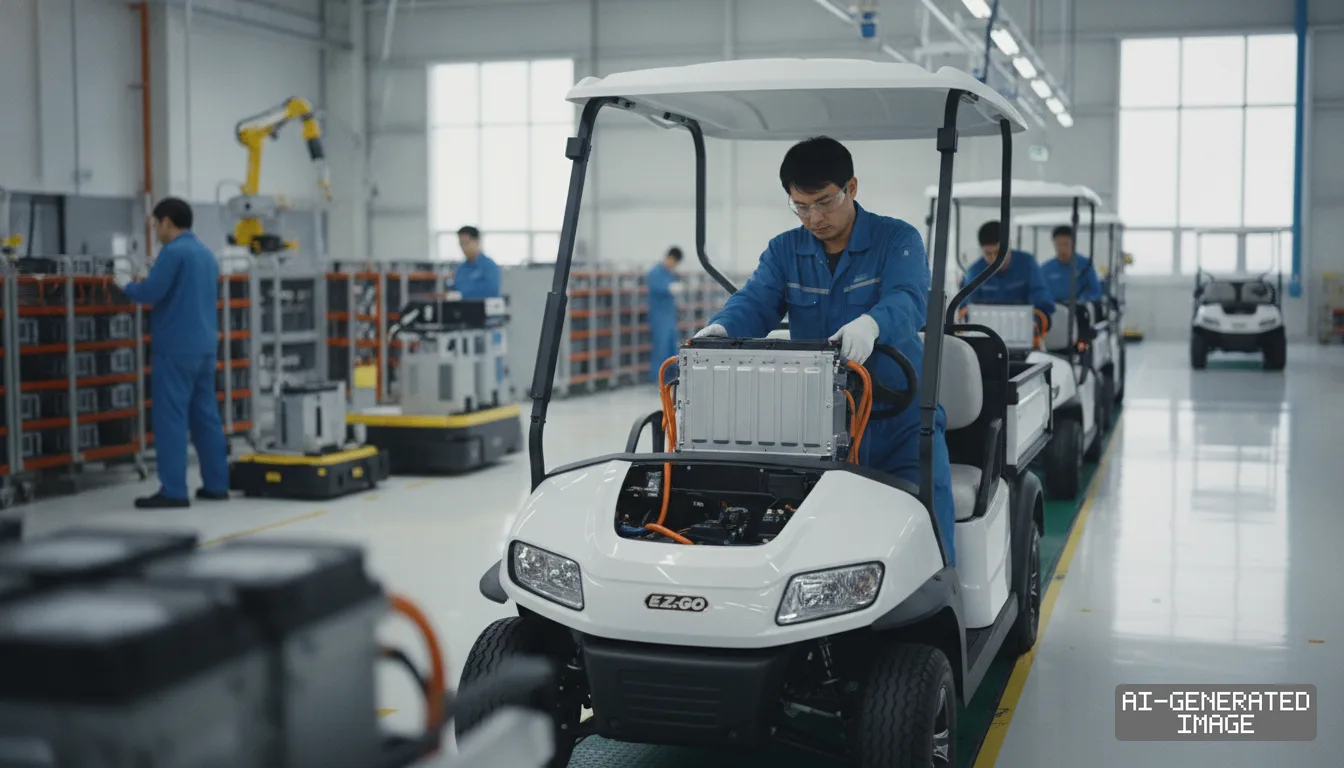
Textron E-Z-GO rolled out Samsung SDI's third-generation lithium battery systems across its 2027 commercial utility fleet on Oct. 2, 2026, expanding a nine-year partnership into specialized mobile equipment.
The update introduces automotive-grade safety management and lighter energy packs to professional golf and passenger vehicles. It marks the third product iteration since the industrial equipment manufacturer launched its ELiTE platform in 2017.
The new battery system reduces vehicle weight by more than 75 pounds (34 kilograms) compared with competing fleet golf carts. That reduction curtails turf compaction and improves overall operational efficiency for commercial course operators.
E-Z-GO currently operates more than 230,000 ELiTE vehicles across roughly 3,750 golf facilities worldwide. The installed base provides Samsung SDI with an established commercial channel outside passenger automotive manufacturing.
The generation upgrade applies directly to model-year 2027 builds of the E-Z-GO RXV, the Freedom RXV and the four-passenger Liberty. These models serve resort transport, municipal facilities and private golf operations.
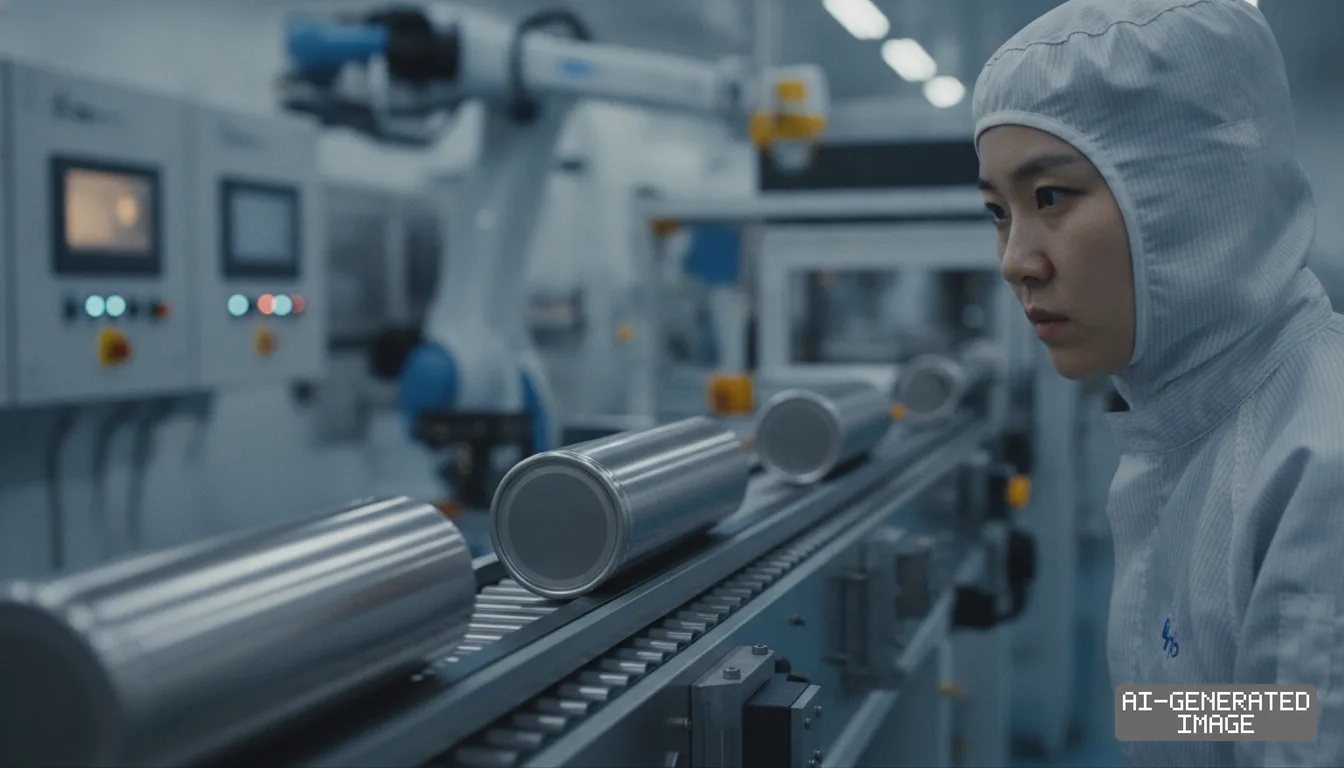
South Korea's Samsung SDI manufactures the cylindrical lithium-ion cells integrated into the modular packs. The company has supplied Textron Specialized Vehicles since the two companies signed their original supply pact on Jan. 26, 2017.
Automotive battery manufacturers in East Asia face a broader volume plateau across North American passenger electric car production. In response, cell producers are steering cylindrical manufacturing lines toward specialty utility machinery and energy storage equipment.
Specialized commercial vehicles generate steadier replacement cycles than retail passenger cars. Course operators cycle utility fleets on multi-year lease schedules, demanding predictable battery degradation profiles and low field service overhead.
The third-generation power architecture integrates an enhanced battery management system that monitors cell state-of-health continuously. The control unit inspects electrical vitals on automated intervals even when the vehicle is turned off and disconnected from chargers.
The system also includes an autonomous controlled energy discharge feature. If the battery management logic detects an internal cell irregularity, it discharges residual voltage automatically to suppress thermal propagation risks.
Traditional lead-acid golf car batteries require frequent electrolyte refilling and terminal cleaning. The lithium packs operate as sealed units requiring zero liquid maintenance throughout their operating lifetime, Textron said.
Textron Specialized Vehicles manufactures the carts at its industrial campus in Augusta, Georgia. The subsidiary designs utility machines under the E-Z-GO, Cushman and Jacobsen commercial brand names.
For Samsung SDI, supplying utility vehicles absorbs output from existing high-volume cylindrical battery lines. The company produces standard 18650 and 21700 cylindrical cells alongside its automotive prismatic lines in South Korea and Southeast Asia.
Small-format mobility applications offer battery producers higher unit margins than passenger EV joint ventures. Utility vehicle makers accept higher cell premiums in exchange for proven field reliability and established crash safety records.
Textron E-Z-GO plans to begin initial dealer shipments of the model-year 2027 ELiTE vehicles during upcoming ordering windows. Parent entity Textron Inc. will release its third-quarter financial results on Oct. 29, 2026.
Textron and Samsung SDI did not disclose total contract value, projected battery pack delivery volumes or specific cell chemistry designations in the launch announcements.
Samsung SDI has not posted a formal disclosure regarding the 2027 model year contract on South Korea's financial regulatory filing service, DART. The company has published no statement on its corporate newsroom concerning the updated delivery schedule.
Impact map
How this development propagates across the region and out to global buyers.
| Event | Korea | China | Japan | Global impact |
|---|---|---|---|---|
| Gen 3 utility cart battery supply | Samsung SDI diversifies cylindrical cell output into 230,000-unit fleet channel | Domestic LFP cart pack makers face higher BMS safety barriers in US resorts | Panasonic commercial mobility arm encounters locked-in multi-year OEM fleet pacts | Golf course and utility fleet operators lower vehicle mass by 75 pounds per unit |
In this story
- Companies
- Samsung SDITextron Inc.
- Tickers
- 006400.KSTXT
- Policy
- Economic Security
- Impact
- Order BookSupply ChainPricing
Track every Economic Security development →
Related briefings
- Korea opens 1,180 MW battery auction to balance power grid Also on Samsung SDI, Pricing, Order Book
- CATL lists 587Ah storage cells online to reset grid pricing at $65/kWh Also on Samsung SDI, Pricing, Order Book
- BYD targets 2027 solid-state battery debut in luxury fleet Also on Samsung SDI, Pricing
- CATL targets 2027 pilot output for all-solid-state batteries Also on Samsung SDI, Pricing
Sources
Primary documents
Reporting
Confidence: high — how we grade this
The documents behind this briefing are linked above. East Asia Brief produces its English text with AI assistance under human editorial review, and does not translate or republish other outlets' articles. See our methodology and AI policy. Spotted an error? Tell us.
The Morning Brief
What changed in Korean, Chinese and Japanese industry overnight — and what it means for your supply chain. One email, weekday mornings, US time. Free.
The Morning Brief is in preparation. Leave your address and we will write to you once — when the first issue is ready. Nothing before that.