BYD opens second-generation Seagull orders for 2026 rollout
The redesigned hatchback lengthens the chassis by 425 mm, installs FinDreams battery packs up to 39.2 kWh and adds optional LiDAR to counter rival entry-level electric vehicle platforms.
BYD opened blind pre-orders for its redesigned second-generation Seagull electric vehicle on Oct. 9, 2026, taking refundable deposits through its smartphone application ahead of a planned domestic market launch.
The 2,000 yuan ($300) deposit secures early production allocation for an urban model that logged 10,103 sales in August. That volume represented roughly 3% of BYD's total monthly passenger battery-electric deliveries.
Zhang Zhuo, general manager of BYD's Ocean sales division, announced the reservation campaign on Weibo, releasing promotional material that confirmed six exterior paint options for the revamped subcompact hatchback.
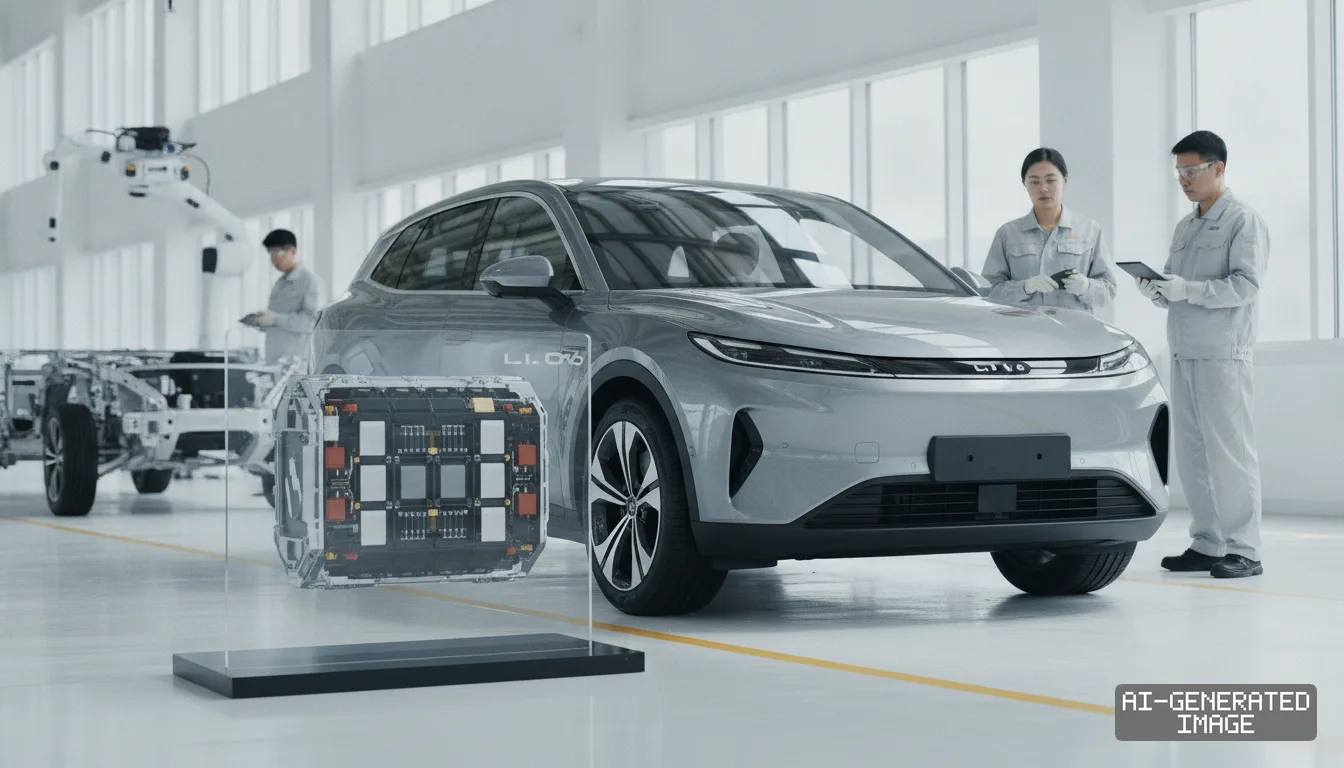
Homologation paperwork filed with China's Ministry of Industry and Information Technology shows the vehicle measures 4,205 mm long, 1,810 mm wide and 1,570 mm tall. The body stretches 425 mm longer than the outgoing car.
The wheelbase expands by 150 mm to 2,650 mm, allowing engineers to replace the previous four-seat configuration with a five-passenger layout. That structural expansion moves the model into direct competition with larger compacts.
Storage utility expands alongside the passenger cell. The vehicle adds a 94-liter front luggage compartment under the hood, while folding the rear seats expands cargo volume to 1,380 liters, according to company technical data.
Propulsion switches to a rear-mounted permanent-magnet synchronous motor producing 95 kW (127 hp), manufactured by Zhengzhou BYD Auto Co., Ltd. That powertrain represents a 73% power increase over the older 55 kW front-wheel drive setup.
Top speed rises to 150 km/h, up from 130 km/h on the original hatchback. Chassis engineers paired the powertrain with an independent multi-link rear suspension, replacing the torsion-beam axle used on the first-generation platform.
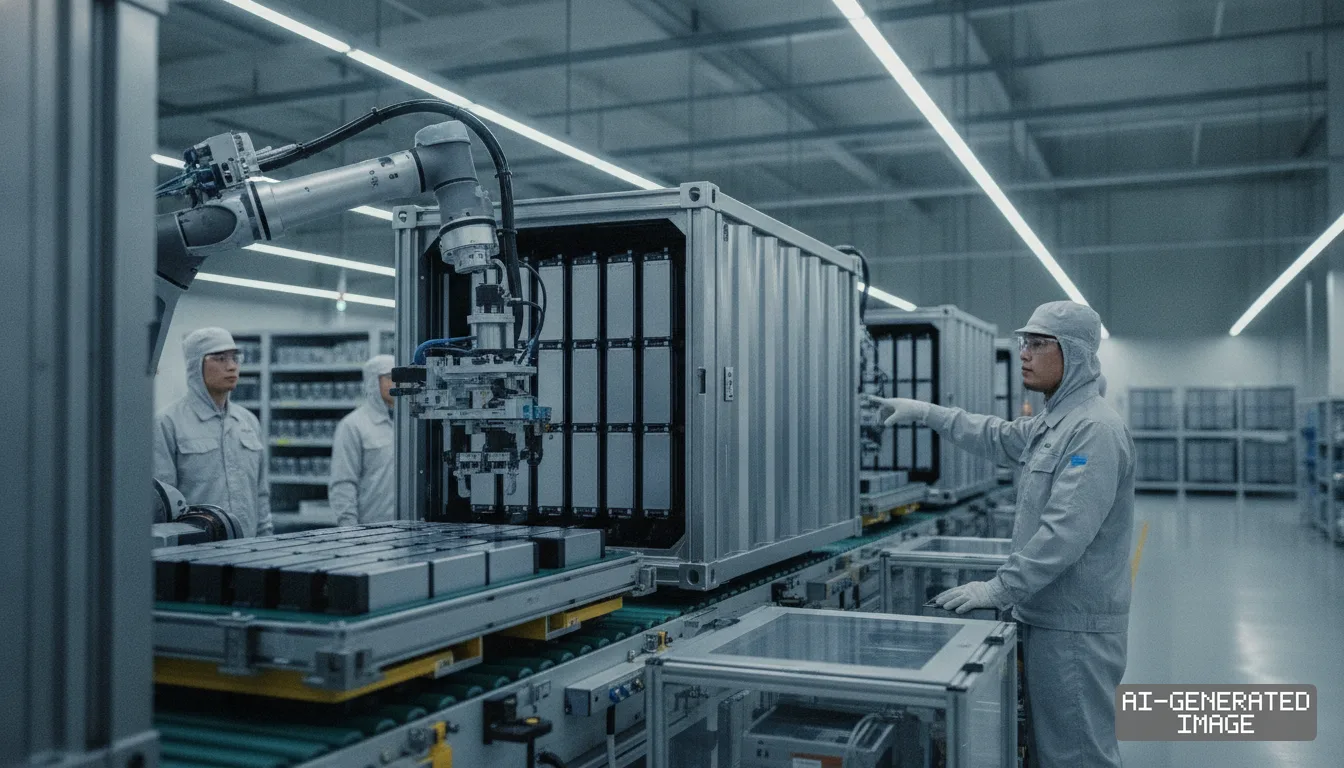
Energy storage comes entirely from Shaoxing FinDreams Battery Co., Ltd., the wholly owned cell manufacturing subsidiary of BYD. FinDreams packages two lithium iron phosphate Blade battery capacities, rated at 29.99 kWh and 39.23 kWh.
The smaller pack yields 320 km of driving range under the China Light-Duty Vehicle Test Cycle. The larger pack extends driving endurance to 420 km, equivalent to roughly 340 km under European testing metrics.
Base curb weight registers at 1,180 kg, while higher-specification editions weigh 1,255 kg. The additional mass stems from reinforced cabin structures, the larger battery enclosures and expanded onboard electronics, regulatory declarations confirmed.
Higher trims incorporate roof-mounted LiDAR sensors and peripheral radar hardware. The sensing suite runs BYD's DiPilot 300 driver-assistance software, bringing semi-autonomous navigation features to entry-level pricing brackets, the company filings showed.
The platform overhaul marks a deliberate strategic shift in vehicle packaging. BYD is repositioning its cheapest nameplate from a bare-bones city runabout into a higher-specification family commuter capable of generating higher gross margins per unit.
Domestic market pressure accelerated the redesign. Arch-rival Geely Automobile delivered 465,000 units of its competing Xingyuan hatchback in 2025, capturing roughly 11% of China's subcompact electric car market and eclipsing previous Seagull sales.
The previous Seagull retailed between 69,900 yuan ($9,870) and 97,900 yuan ($13,820) following an annual refresh on May 11, 2026. The new architectural dimensions place the second-generation vehicle closer to BYD's Dolphin hatchback.
Rising tariffs in the European Union and the United States have restricted exports of affordable Chinese hatchbacks. Consequently, domestic automakers must fight for urban volume by packing premium chassis hardware into sub-$15,000 domestic platforms.
FinDreams supplies 100% of the pack assembly for the platform from its domestic plants. The battery subsidiary utilizes standardized prismatic Blade cells to contain cathode manufacturing costs while scaling volume across Zhengzhou vehicle assembly lines.
Interior modifications also reflect cost-conscious consolidation. The cabin replaces traditional instrument clusters with a floating central display, while integrating steering-column gear selectors to free center console space, promotional sketches revealed.
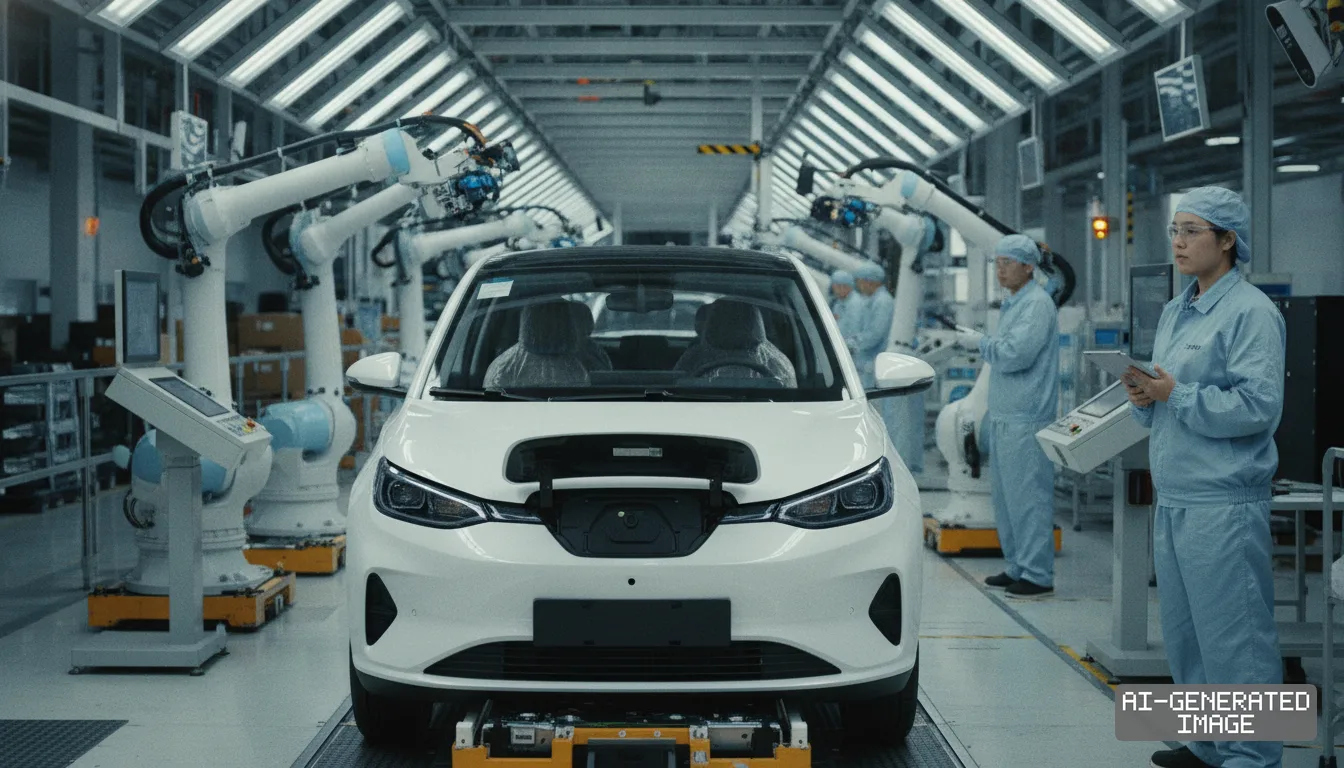
Manufacturing takes place under Zhengzhou BYD Auto Co., Ltd., which coordinates electric drive assembly alongside final body stamping. Localizing components within Henan province helps reduce logistical overhead across the high-volume assembly network.
The commercial reservation process functions as a demand-testing tool. Prospective buyers retain full refund rights on their deposits until formal retail prices appear and orders become legally locked, dealership representatives said.
Official filings do not state showroom retail prices for the new vehicle lineup. Furthermore, BYD has not confirmed whether its second-generation Blade battery flash-charging architecture will be standard equipment across all commercial production trims.
Customers can convert their refundable 2,000 yuan reservations into binding purchase orders before the end of 2026, when official retail deliveries begin across mainland dealerships, Zhang said.
Impact map
How this development propagates across the region and out to global buyers.
| Event | Korea | China | Japan | Global impact |
|---|---|---|---|---|
| BYD Seagull platform upgrade | Hyundai Motor faces intensified pricing pressure in Southeast Asian entry-level EV channels | Geely Automobile defends 465,000-unit Xingyuan volume as BYD upgrades motor to 95 kW | Suzuki and Honda entry-level EV projects face wider powertrain cost gap | Urban EV standards reset as rear multi-link suspension and LiDAR enter sub- |
| BYD Seagull platform upgrade | Hyundai Motor faces intensified pricing pressure in Southeast Asian entry-level EV channels | Geely Automobile defends 465,000-unit Xingyuan volume as BYD upgrades motor to 95 kW | Suzuki and Honda entry-level EV projects face wider powertrain cost gap | Urban EV standards reset as rear multi-link suspension and LiDAR enter sub-$15,000 tier |
In this story
- Companies
- BYD
- Tickers
- 002594.SZ1211.HK
- Exposed
- Geely AutomobileFinDreams Battery
- Policy
- TariffsEconomic Security
- Impact
- Supply ChainPricingOrder Book
Track every Tariffs development → Track every Economic Security development →
Related briefings
- BYD targets 2027 solid-state battery debut in luxury fleet Also on FinDreams Battery, BYD, Pricing
- BYD readies 300 kW Flash Charging for entry Seagull city car Also on FinDreams Battery, BYD, Pricing
- Chinese EVs capture 35% Korea market share under 8% tariff Also on Geely Automobile, BYD, Tariffs
- UBTECH opens humanoid robot plant with 10,000-unit capacity Also on Geely Automobile
Sources
Reporting
Confidence: medium — how we grade this
The documents behind this briefing are linked above. East Asia Brief produces its English text with AI assistance under human editorial review, and does not translate or republish other outlets' articles. See our methodology and AI policy. Spotted an error? Tell us.
The Morning Brief
What changed in Korean, Chinese and Japanese industry overnight — and what it means for your supply chain. One email, weekday mornings, US time. Free.
The Morning Brief is in preparation. Leave your address and we will write to you once — when the first issue is ready. Nothing before that.