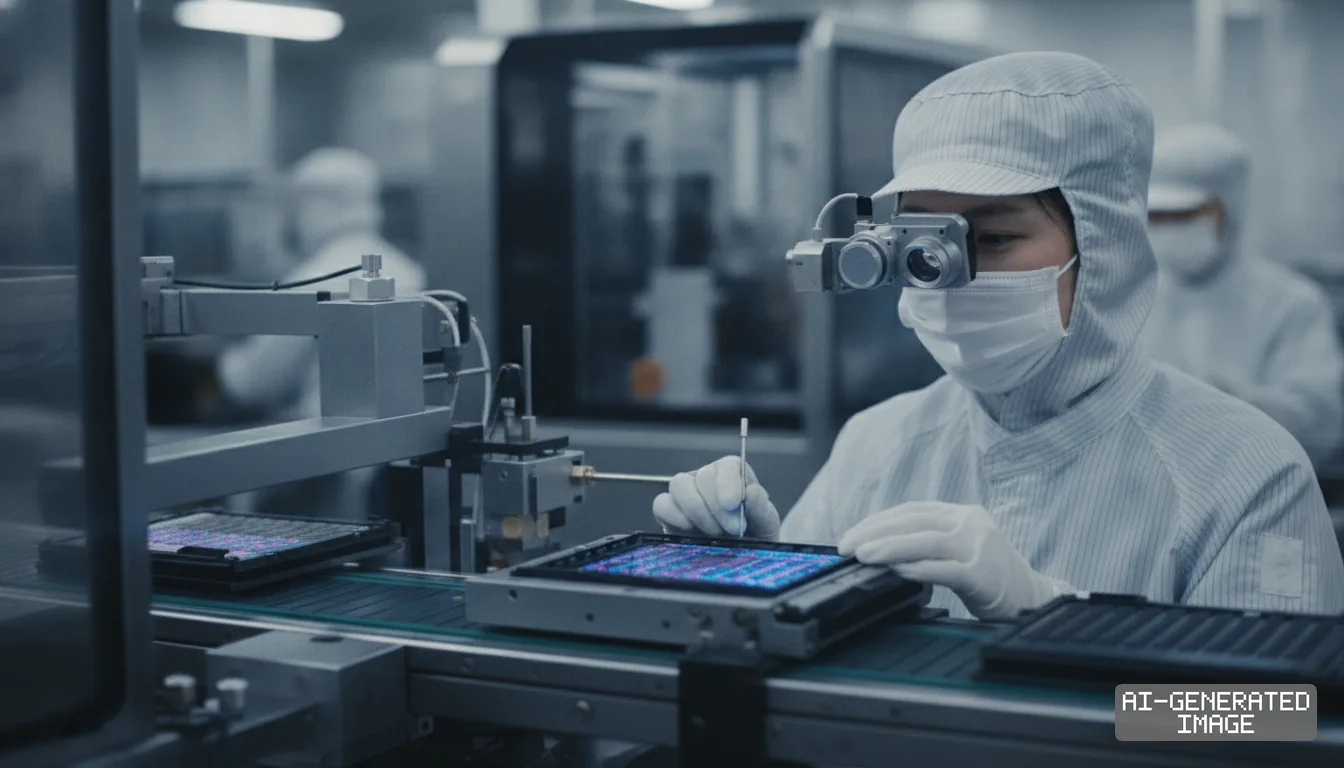
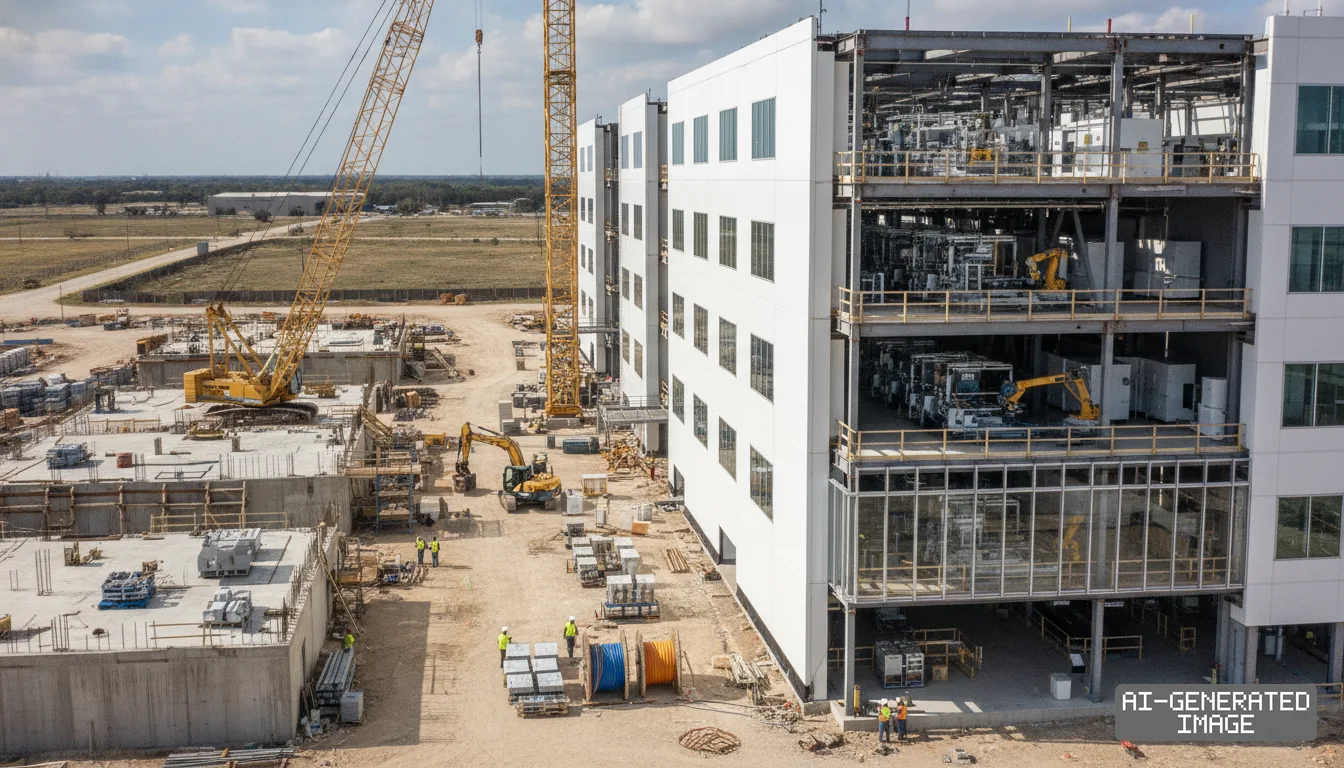
Greene Tweed builds 43.6 billion won chip seal facility in South Korea
The US materials maker received a ministerial award for investing through 2028 in an Ochang plant that will produce 600,000 plasma-resistant units a year.
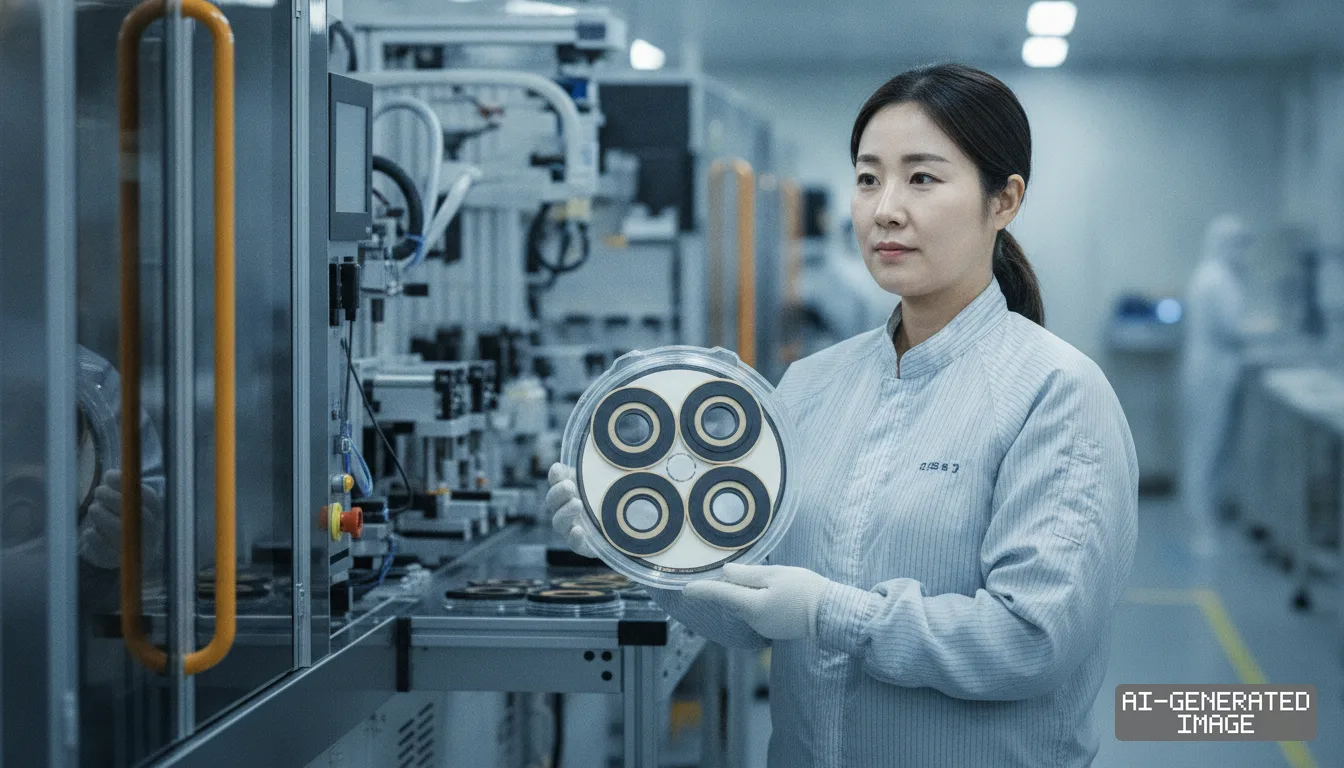
Greene Tweed said Nov. 4 that Chief Executive Officer Magen Buterbaugh received a South Korean ministerial citation for building a domestic semiconductor sealing facility in North Chungcheong Province.
The award came during the annual Foreign Company Day ceremony in Seoul on Nov. 3. The Ministry of Trade, Industry and Energy recognized the company for localizing advanced fabrication components.
Greene Tweed is committing 43.6 billion won ($31.6 million) through 2028 to the greenfield project. The Ochang plant manufactures up to 600,000 high-performance elastomer sealing units annually for domestic memory and logic fabs.
The investment will create 123 manufacturing jobs in the Ochang Foreign Investment Zone in Cheongju. South Korea hosts the world's two largest memory producers, making local consumable part production a supply priority.
Elastomer seals — flexible rings that maintain vacuum barriers inside processing tools — prevent chamber contamination. Advanced wafer manufacturing exposes these parts to extreme heat and corrosive fluorinated plasma chemistries.
Samsung Electronics and SK hynix operate major dynamic random-access memory and flash fabs nearby. Both chipmakers rely on continuous replacements of perfluoroelastomer seals to maintain high wafer yields during dielectric and conductor etching.
Greene Tweed completed initial factory construction in June 2024. The site produces Chemraz perfluoroelastomer seals, a material engineered to withstand operating temperatures reaching 300 degrees Celsius inside corrosive etching tools.
Before the Ochang plant opened, Korean chipmakers imported most specialized perfluoroelastomer seals from overseas plants. Sourcing seals domestically reduces shipping lead times from several months to days during global supply disruptions.
Buterbaugh visited the North Chungcheong provincial government office in Cheongju on Nov. 3. She met with Vice Governor for Economic Affairs Lee Bok-won to discuss adding production lines at the Ochang facility.
The company plans to broaden domestic manufacturing to support international semiconductor equipment vendors operating in Korea. Expanding local tool integration aligns with the country's broader push to anchor critical component suppliers near domestic mega-fabs.
Physical artificial intelligence and high-bandwidth memory production require deeper plasma etching steps. These aggressive dry etch conditions degrade standard rubber seals faster, driving higher replacement turnover per chamber every month.
The Ochang facility incorporates automated compounding systems, solar panel arrays and water recycling units. Greene Tweed designed the site to mirror manufacturing standards used at its primary American plants in Pennsylvania.
To secure technical staff, Greene Tweed signed workforce agreements in May 2026 with two regional vocational schools. The company established hiring tracks with Chungbuk Semiconductor High School and Daesung Girls' Commercial High School.
Those educational partnerships prepare secondary students for cleanroom production and polymer quality control. The initiative addresses skilled technician shortages across the semiconductor materials cluster centered in North Chungcheong Province, local officials said.
The investment originated in April 2023 during a bilateral presidential summit in Washington. Greene Tweed filed its foreign investment commitment with South Korea's trade ministry before breaking ground that June.
Buterbaugh assumed leadership of the 163-year-old engineered materials company in January 2023. She established a strategic blueprint called Vision 2030 to expand Asian production capacity closer to leading semiconductor foundries.
Operating head Kim Jong-tae directs daily manufacturing at the Ochang site. The Korean facility serves as Greene Tweed's primary operational base for customer technical support across East Asian chip fabrication hubs.
Equipment makers like Lam Research, Applied Materials and Tokyo Electron design specialized seals into plasma chambers. Having certified seal fabrication in Korea enables tool builders to qualify replacement parts directly with local wafer fabs.
Fluorinated elastomers remain under tight environmental and technical scrutiny across global trade channels. Localized production insulates Korean fabs from logistical bottlenecks that affected chemical shipments between 2021 and 2023, industry analysts said.
The notice does not state the precise capital commitment or timeline for the prospective line expansion discussed in Cheongju, and North Chungcheong Province has not published a revised site agreement.
Greene Tweed plans to complete its initial 43.6 billion won expenditure program by 2028, while provincial officials review infrastructure support for subsequent cleanroom tooling phases.
The South Korean government awarded 45 citations during the Foreign Company Day ceremony. Trade officials affirmed that foreign suppliers investing in domestic chip hubs will retain accelerated regulatory and site assistance.
Impact map
How this development propagates across the region and out to global buyers.
| Event | Korea | China | Japan | Global impact |
|---|---|---|---|---|
| Ochang semiconductor seal localization | Samsung and SK hynix secure local supply of 600,000 Chemraz O-rings yearly | Memory fabs face longer delivery lead times for imported US fluoroelastomer seals | Tool suppliers Tokyo Electron and Canon qualify local seal sources for Korean fabs | Semiconductor chamber seal lead times cut from months to days for Asian foundries |
In this story
- Companies
- Greene Tweed
- Exposed
- Samsung ElectronicsSK hynix
- Impact
- Supply ChainCapex
Related briefings
- Toshiba trims Kioxia stake below 13% in NAND governance shakeup Also on SK hynix, Samsung Electronics
- Intel pits EMIB-T packaging against TSMC to win AI chip orders Also on SK hynix, Samsung Electronics
- Nvidia halts H200 chip lines, shifting TSMC output to Rubin Also on SK hynix, Samsung Electronics
- CXMT validates 4F² sixth-generation DRAM to cut cell area Also on SK hynix, Samsung Electronics
Sources
Primary documents
Reporting
Confidence: high — how we grade this
The documents behind this briefing are linked above. East Asia Brief produces its English text with AI assistance under human editorial review, and does not translate or republish other outlets' articles. See our methodology and AI policy. Spotted an error? Tell us.
The Morning Brief
What changed in Korean, Chinese and Japanese industry overnight — and what it means for your supply chain. One email, weekday mornings, US time. Free.
The Morning Brief is in preparation. Leave your address and we will write to you once — when the first issue is ready. Nothing before that.