UK inquiry warns Chinese mineral grip endangers AI and defense
A parliamentary report urges an allied buyers club as domestic demand for lithium jumps 45-fold and Chinese refiners dominate seven key metals.
The British House of Commons Business, Innovation, Science and Trade Committee warned Nov. 5, 2026, that critical mineral dependence on China leaves national defense rearmament and artificial intelligence infrastructure vulnerable to sudden supply shocks.
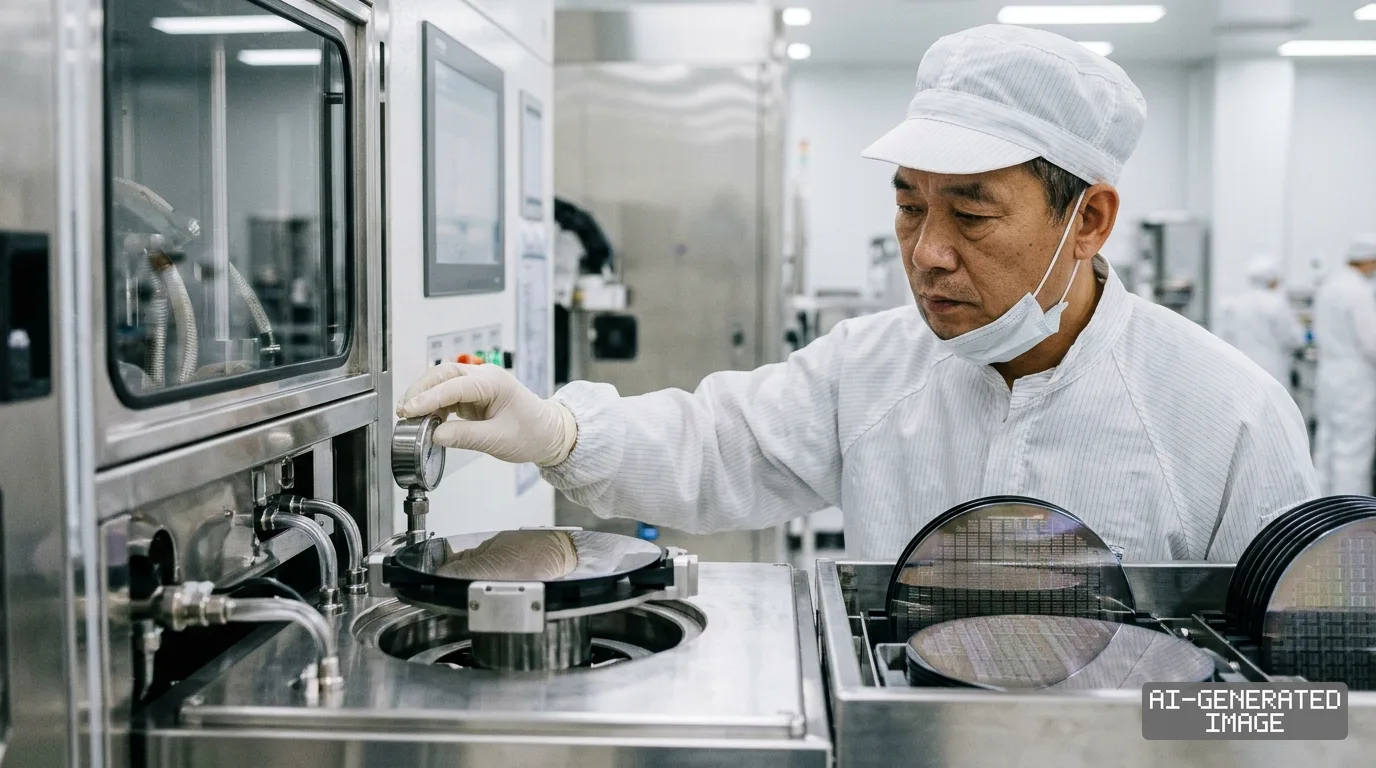
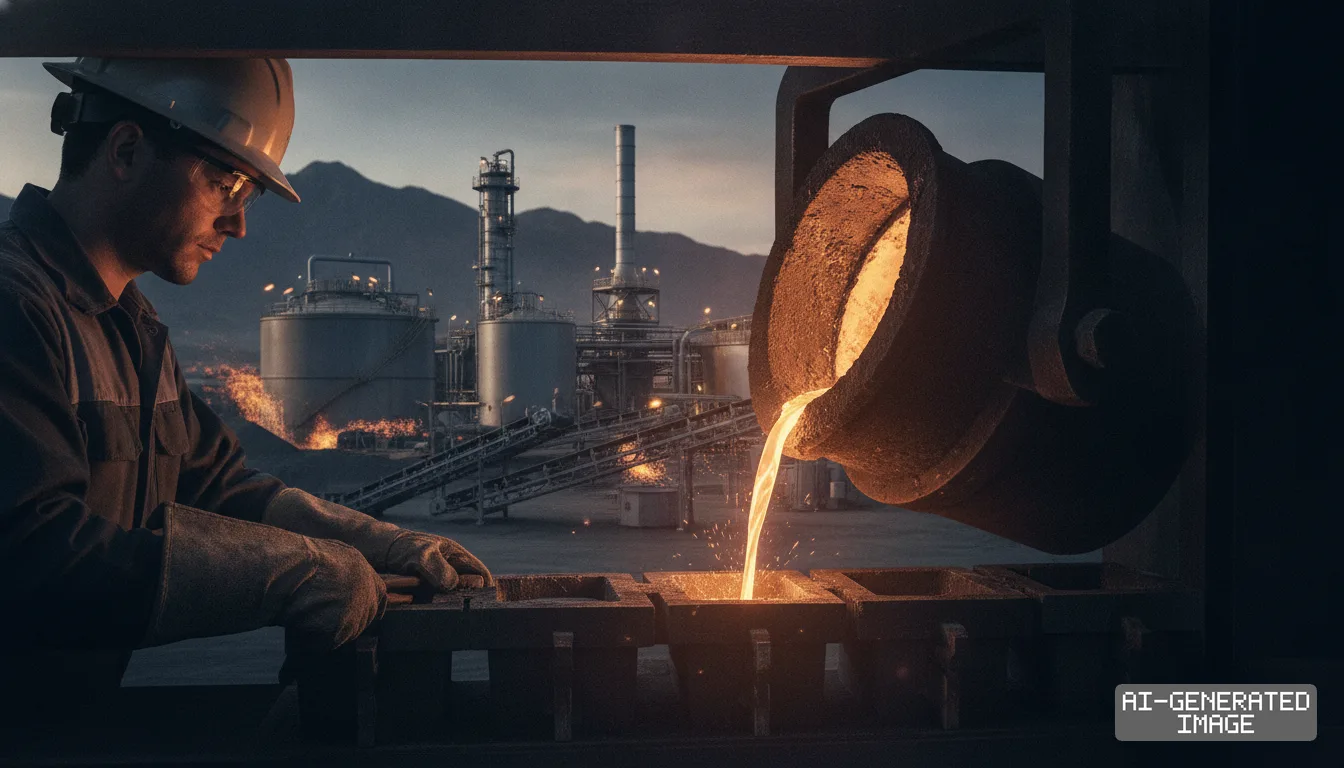
In an inquiry report titled "Britain cannot afford to drift", lawmakers said Chinese state refiners control processing across seven critical materials, creating a single point of failure for allied industrial supply chains.
British annual demand for battery-grade lithium will surge 45-fold by 2030, while domestic demand for rare earth permanent magnets will expand 16-fold, according to committee evidence.
The report concluded that the United Kingdom currently fails all 10 tests established by parliamentary researchers to measure effective de-risking of vital industrial mineral inputs.
Severe domestic bottlenecks undermine resilience, with 80% of British scrap metal currently exported abroad due to an acute shortage of domestic refining facilities and uncompetitive industrial electricity rates, the report said.
Exporters ship scrap containing antimony, gallium and rare earths to facilities in Asia, forcing British manufacturers to buy back refined materials at substantially higher prices, lawmakers noted.
Antimony remains central to defense production, serving as a critical hardening agent for munitions, armor plating and optical glass used across military night-vision sensors, according to the findings.
Chinese state restrictions on antimony exports implemented in late 2024 left Western defense primes scrambling to secure certified ingot for artillery propellant and precision guidance components, the report said.
Defense contractor BAE Systems depends on imported specialty metals for armored fighting vehicles and naval radar arrays, exposing complex manufacturing lines to Asian export quota controls, lawmakers stated.
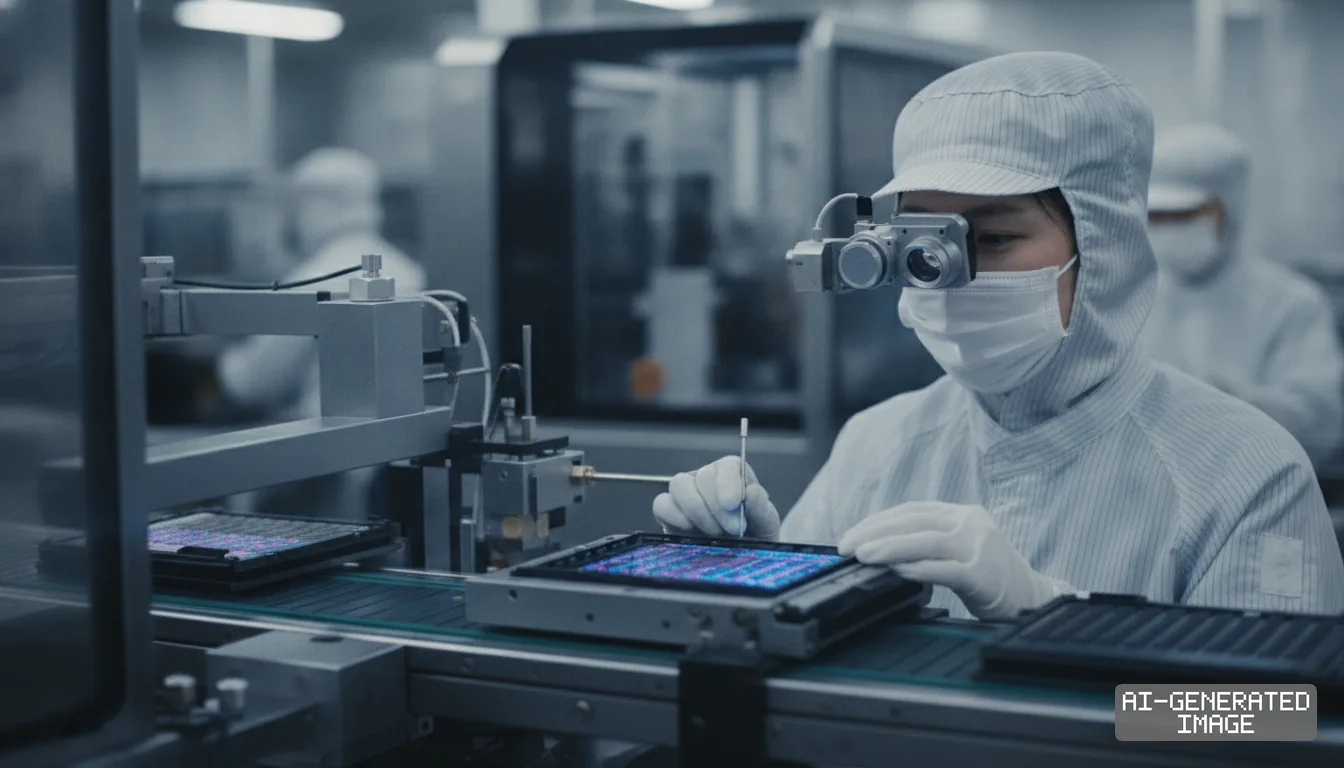
Parallel risks affect high-performance computing, where expanding British AI data centers require large quantities of neodymium-iron-boron magnets for liquid cooling pump motors and high-voltage electricity transmission systems, the report found.
The British government committed £400 million ($520 million) under its Vision 2035 Critical Minerals Strategy, but the committee described the official response as slow, fragmented and underfunded.
Vision 2035 sets statutory ambitions to produce 10% of minerals domestically, generate 20% through recycling and cap reliance on any single country at 60% by 2035.
Lawmakers argued that these targets provide little protection during the next five years, when the bulk of defense and computing investments occur.
Building a standalone commercial extraction and processing hub requires capital investments reaching $1 billion to $3 billion per site, according to financial data submitted to the committee.
Private lenders avoid such projects without price floor guarantees because dominant overseas state miners frequently depress spot prices to derail competing Western capital investment, the report observed.
To overcome capital hurdles, the committee recommended that the British government establish an allied buyers club linking the Group of Seven, European Union partners and Indo-Pacific manufacturing nations.
The proposed grouping would pool procurement volumes from defense and technology contractors, guaranteeing steady demand and fixed off-take pricing for new refineries built outside Chinese territory.
Cooperation with South Korea and Japan represents an essential operational leg of the proposed club, given their established positions in chemical precursor processing and magnet manufacturing, lawmakers noted.
The report called on the Treasury to launch an immediate Critical Minerals Finance Facility to provide low-cost public loans, equity capital and loan guarantees to processing startups.
The instrument would complement the £50 million funding package announced in June 2026 for processing assets at the Wilton Centre in Teesside, which lawmakers characterized as insufficient.
Specialized British recycling firms demonstrate emerging domestic technical capability but lack scale, according to testimony delivered by executive officers during the six-month parliamentary investigation into raw materials.
HyProMag produced 9.2 metric tons of recycled neodymium-iron-boron alloy at its Birmingham plant this year, representing an initial domestic alternative to imported magnet alloys, project filings showed.
Clean-technology developers DEScycle and Seloxium are completing e-waste metal recovery lines in northern England, yet both operators require long-term procurement commitments from domestic manufacturers to operate profitably.
Domestic processing plants also face electricity costs roughly 50% above European averages, despite the government's British Industry Supercharger relief mechanism, the committee noted.
What changes next is a statutory procedure: the British government must deliver its formal written response to the committee's recommendations to Parliament by Jan. 5, 2027.
The published report does not disclose the specific monetary value of supply-chain disruption facing Ministry of Defence procurement programs, as lawmakers classified those figures under national security rules.
The committee said it will evaluate classified military mineral stockpiles and allied procurement arrangements during a follow-up defense supply review scheduled for March 2027.
Impact map
How this development propagates across the region and out to global buyers.
| Event | Korea | China | Japan | Global impact |
|---|---|---|---|---|
| UK critical minerals inquiry | positions cathode and magnet firms as alternative procurement partners | preserves domestic refining leverage over defense-grade rare earths and antimony | integrates heavy rare earth processing into proposed allied buyers club | defense primes and data center builders face rising capital costs for non-Chinese feedstocks |
In this story
- Companies
- BAE Systems
- Tickers
- BA.L
- Exposed
- HyProMag
- Policy
- Export ControlsProcurement Rules
- Impact
- Supply ChainCapexCompliance
Track every Export Controls development → Track every Procurement Rules development →
Related briefings
- Korean Yards Win US Navy Overhauls for 43% of Cargo Fleet Also on BAE Systems, Procurement Rules
- US Army Names Hanwha Artillery as XM1776 in $263M Deal Also on BAE Systems, Compliance
- EMAT expands Pohang rare earth magnet output to 6,000 tons Also on Procurement Rules, Export Controls
- Arafura signs 850-ton rare earth deal for Western magnets Also on Procurement Rules, Export Controls
Sources
Primary documents
Reporting
Confidence: high — how we grade this
The documents behind this briefing are linked above. East Asia Brief produces its English text with AI assistance under human editorial review, and does not translate or republish other outlets' articles. See our methodology and AI policy. Spotted an error? Tell us.
The Morning Brief
What changed in Korean, Chinese and Japanese industry overnight — and what it means for your supply chain. One email, weekday mornings, US time. Free.
The Morning Brief is in preparation. Leave your address and we will write to you once — when the first issue is ready. Nothing before that.