Toshiba trims Kioxia stake below 13% in NAND governance shakeup
A regulatory filing in Japan details the equity sale, surrendering lead-shareholder status at the world's third-largest flash memory maker.
Toshiba Corporation disclosed on Nov. 5, 2026, that it has further reduced its stake in Kioxia Holdings Corporation, winding down an equity position that once stood at 40.6%.
The amended shareholding report filed with Japan's Kanto Local Finance Bureau confirms the ongoing equity liquidation. The transaction leaves Toshiba with an ownership holding of roughly 12.8%, down from 15.1% in July.
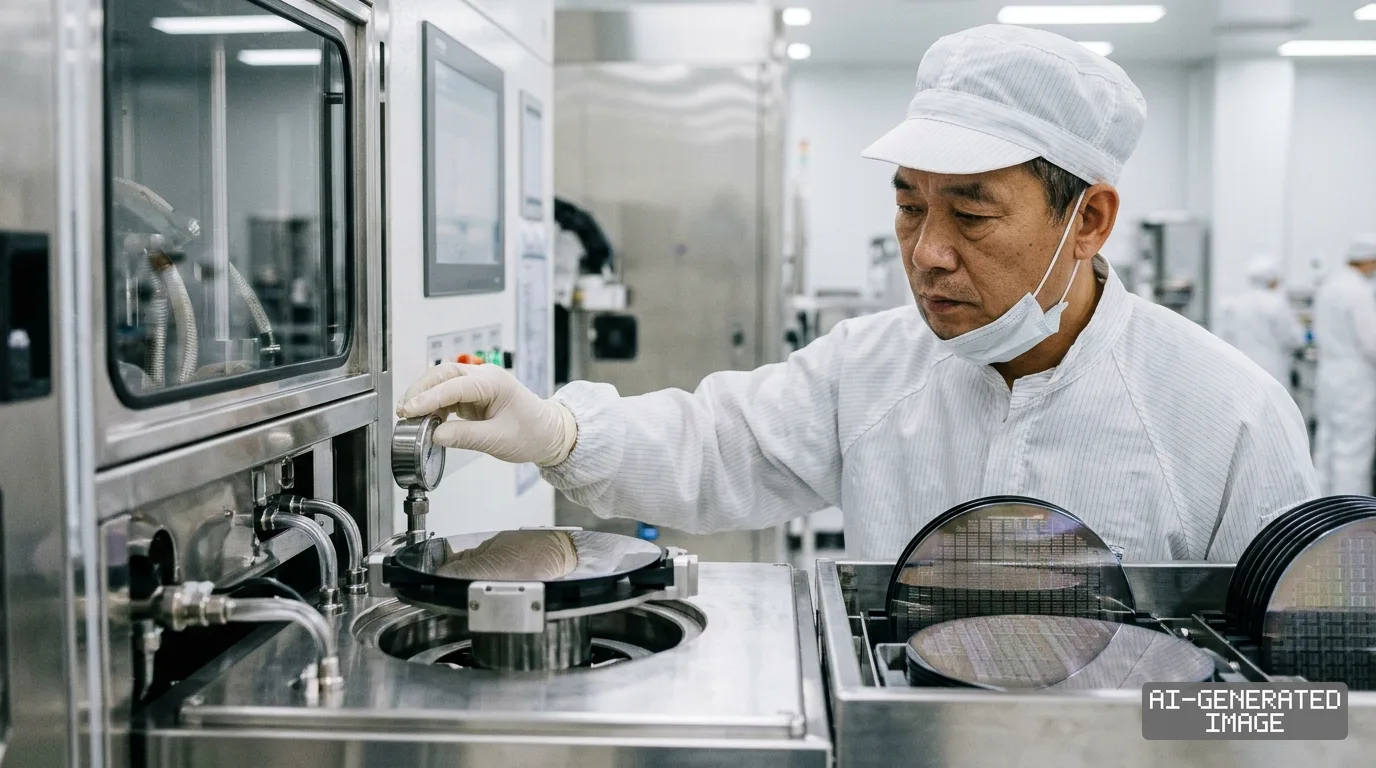
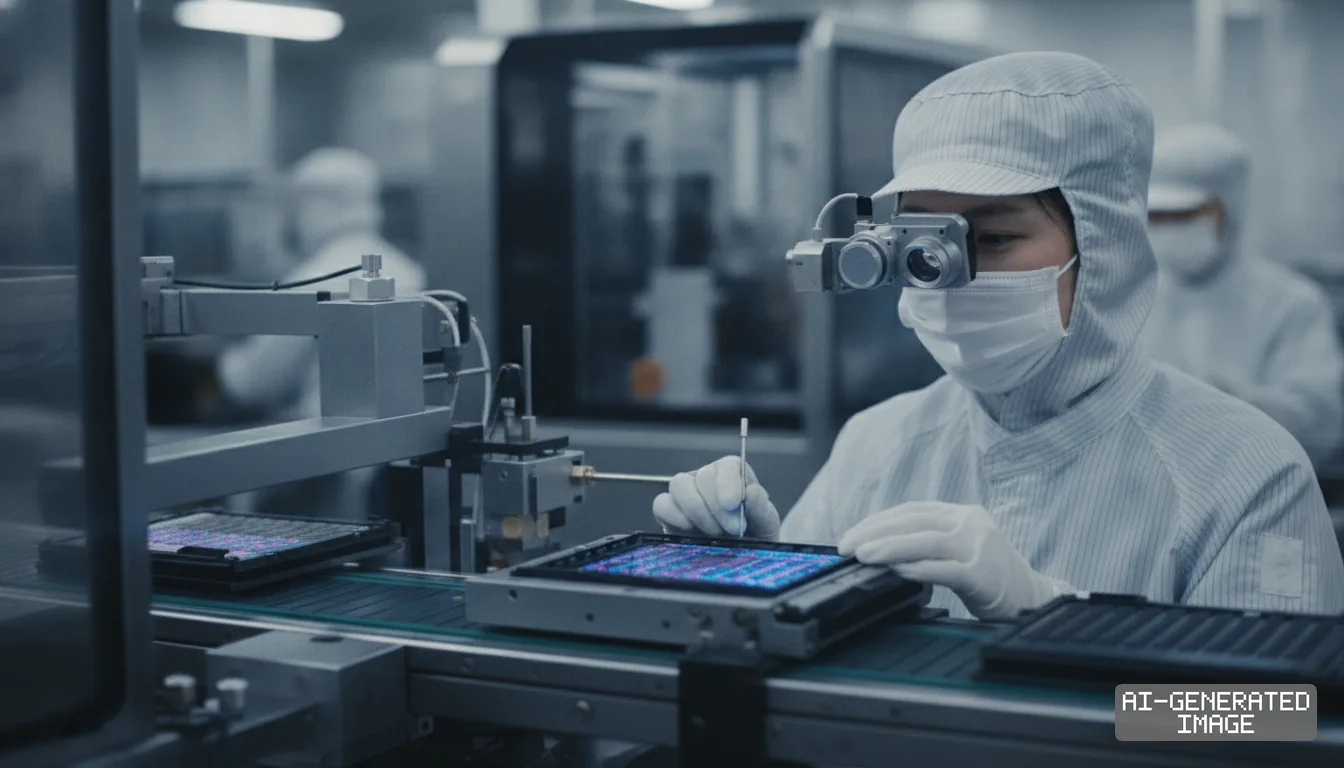
Kioxia accounts for roughly 14% of global NAND flash memory revenue, trailing Samsung Electronics at 37% and SK hynix at 22%. NAND flash chips retain saved data without electrical power and supply high-capacity enterprise storage drives.
The systematic share reduction surrenders Toshiba's status as top shareholder to BCPE Pangea Cayman2, an investment vehicle operated by Bain Capital holding 14.2%. South Korea's SK hynix holds convertible bonds covering virtually all voting rights in that special vehicle.
SK hynix committed ¥395 billion ($2.6 billion) to the Bain-led buyout consortium in 2018. That exposure included ¥129 billion in convertible debt, establishing an indirect bridge into Japan's sole volume producer of flash memory.
Under the 2018 consortium agreement, SK hynix cannot exercise more than 15% of Kioxia's total voting rights before 2028 without separate approvals. That covenant prevents an immediate boardroom takeover, but Toshiba's retreat expands the Korean chipmaker's strategic influence.
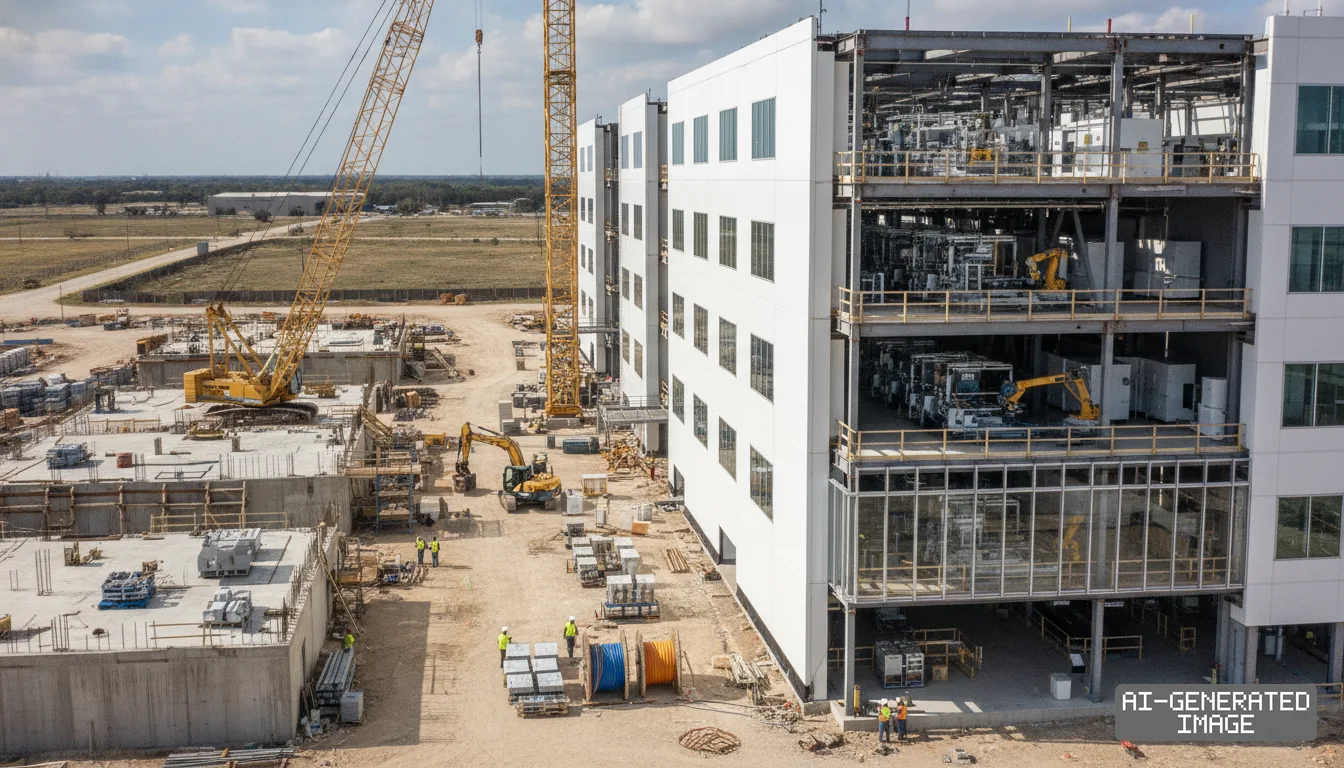
The shifting share register touches Kioxia's joint production footprint. Kioxia operates nine wafer fabrication facilities across Yokkaichi in Mie Prefecture and Kitakami in Iwate Prefecture through Flash Ventures, an operational alliance shared with SanDisk Corporation.
SanDisk and Kioxia split fabrication capital expenditure and finished wafer output equally across the Japanese facilities. An ascendant South Korean competitor on Kioxia's register creates friction for future joint cleanroom expansion and wafer allocation schedules.
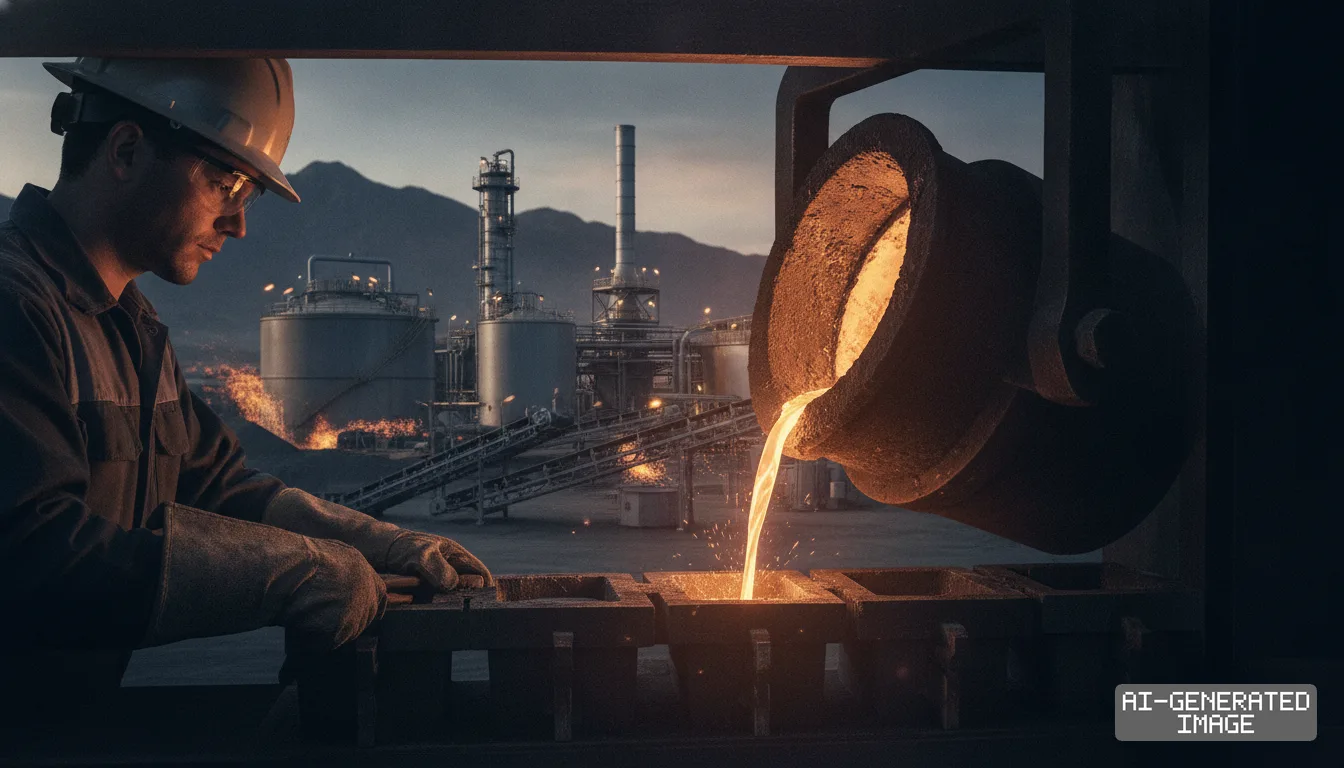
Toshiba has used the market sell-down to generate liquidity following its 2023 privatization by Japan Industrial Partners. Offloading semiconductor assets provides direct capital to service leveraged buyout obligations and fund power electronics, the company said in regulatory disclosures.
Kioxia completed its listing on the Tokyo Stock Exchange in December 2024 following multiple market delays. Surging artificial intelligence cluster demand for enterprise solid-state drives lifted earnings, but major secondary sales by private equity sponsors created equity overhang.
Bain Capital fully exited its direct common shareholding earlier this year after selling tranches through public offerings. That divestment left the structured vehicle backed by SK hynix as the primary remaining private equity block on Kioxia's register.
To stabilize trading, Kioxia conducted an open-market repurchasing campaign between August and October. The memory maker notified the Kanto Local Finance Bureau that it exhausted its entire ¥800 billion ($5.2 billion) cash buyback authorization while acquiring 16.1 million shares.
That buyback completed only 54% of Kioxia's 30 million-share target before cash caps halted open-market purchases. The depleted repurchasing reserve leaves the equity exposed to further unhedged market sales from institutional holders.
SK hynix benefits directly from Kioxia's public market valuation through non-operating investment gains. However, converting convertible bonds into direct equity requires clearance from antitrust authorities across South Korea, the United States, Japan and China.
Regulatory authorities in Beijing rejected Western Digital's attempted combination with Kioxia in 2023. Antitrust regulators remain sensitive to memory market concentration, as a joint SK hynix and Kioxia bloc would control 36% of global NAND shipments.
The transition from Toshiba's industrial custody to investment fund ownership alters Kioxia's long-term research posture. Toshiba previously anchored development agreements in materials and fundamental solid-state physics, which must now be funded independently from operating cash flow.
Kioxia allocated ¥141 billion ($920 million) to research and development last fiscal year, targeting tenth-generation BiCS FLASH memory. Preserving that development pace requires consistent operating margins amid cyclical swings in commodity flash memory spot pricing.
Equipment suppliers in Japan also track the equity restructuring closely. Tokyo Electron and Screen Holdings maintain tool supply agreements across Kioxia's cleanrooms, relying on multi-year fab expansion programs planned jointly with SanDisk.
Memory module makers in Taiwan and North America draw substantial wafer volumes from Yokkaichi lines. A shift toward Korean governance could alter long-term wafer pricing formulas for enterprise customers seeking supply chain diversity outside South Korea.
The 2018 consortium covenant restricting SK hynix from holding more than 15% of Kioxia's voting rights expires on Dec. 31, 2027. That date establishes the calendar deadline for Bain Capital, Toshiba and SK hynix to restructure terminal ownership before 2028.
The latest Kanto Local Finance Bureau filings do not state the floor price for Toshiba's remaining open-market shares, and Toshiba has not published a binding timetable for selling its remaining 12.8% stake.
Impact map
How this development propagates across the region and out to global buyers.
| Event | Korea | China | Japan | Global impact |
|---|---|---|---|---|
| Toshiba Kioxia stake selldown | SK hynix secures passive lead-shareholder status via 14.2% SPC holding | SAMR reviews antitrust exposure on potential 36% joint NAND market share | Kioxia manages joint fab investment and wafer splits with SanDisk across 9 lines | Enterprise SSD procurement faces governance shifts across non-Korean memory makers |
In this story
- Companies
- ToshibaKioxia HoldingsSK hynix
- Tickers
- 285A.T000660.KS
- Exposed
- SanDiskTokyo ElectronSamsung Electronics
- Policy
- Antitrust
- Impact
- Supply ChainCapexCompliance
Track every Antitrust development →
Related briefings
- Kioxia Rejects SK hynix Flash Alliance to Guard SanDisk Ties Also on Toshiba, SanDisk, Kioxia Holdings
- Japan offers U.S. chip investment to win semiconductor tariff relief Also on Toshiba, Tokyo Electron, Compliance
- Kioxia warns NAND price rally will stall as PC demand slows Also on Sandisk, Kioxia Holdings, SK hynix
- Kioxia operating profit hits ¥1.99 trillion on AI SSD demand Also on SanDisk, SK hynix, Samsung Electronics
Sources
Primary documents
Reporting
Confidence: high — how we grade this
The documents behind this briefing are linked above. East Asia Brief produces its English text with AI assistance under human editorial review, and does not translate or republish other outlets' articles. See our methodology and AI policy. Spotted an error? Tell us.
The Morning Brief
What changed in Korean, Chinese and Japanese industry overnight — and what it means for your supply chain. One email, weekday mornings, US time. Free.
The Morning Brief is in preparation. Leave your address and we will write to you once — when the first issue is ready. Nothing before that.