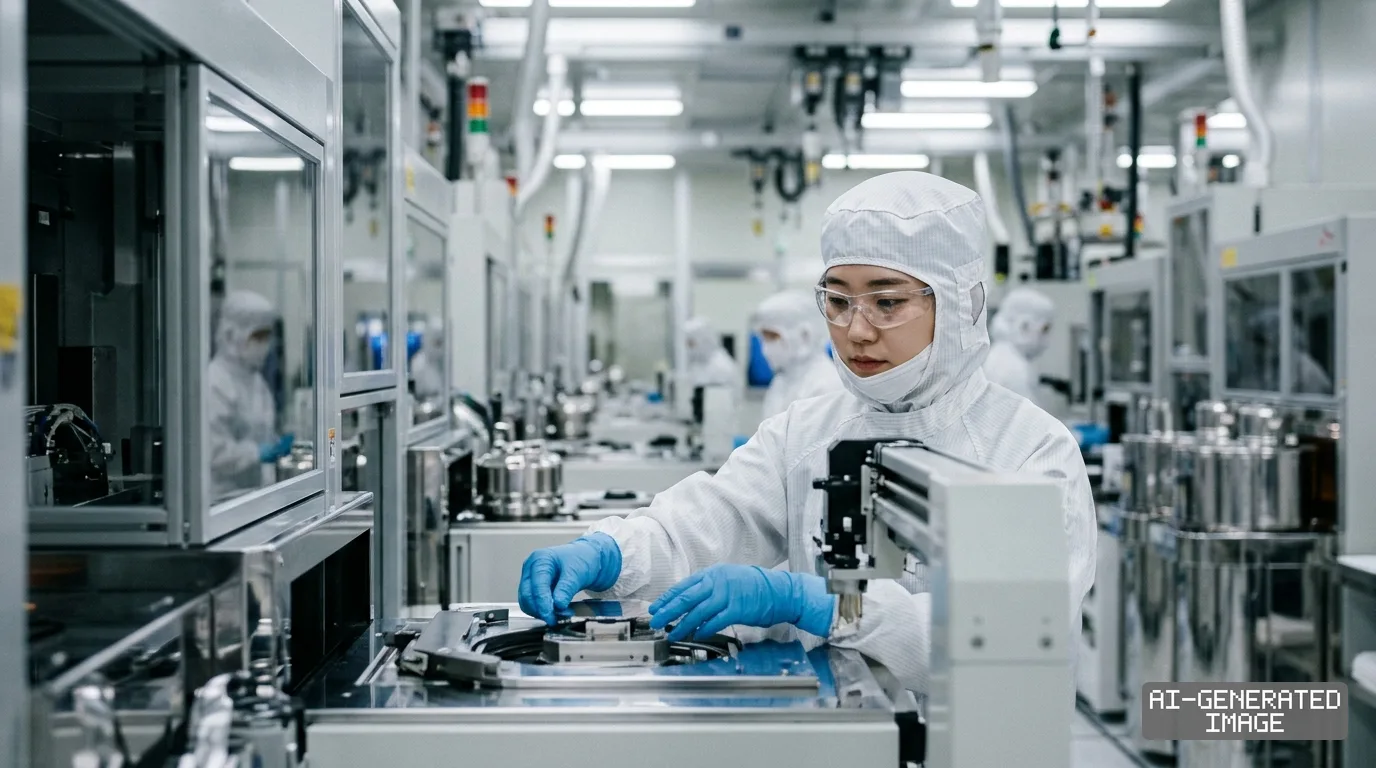
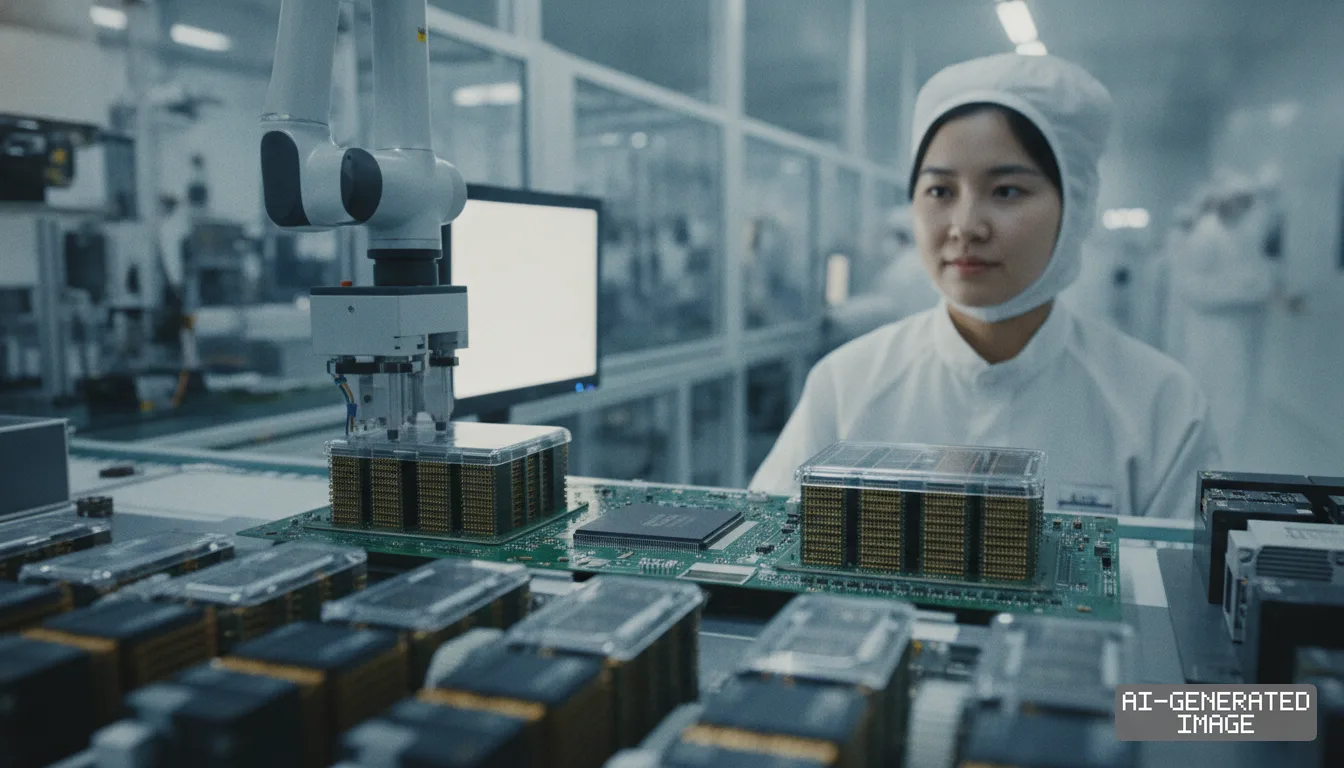
SK hynix taps Hanmi Semiconductor for 44 billion won HBM4 tools
Filings confirm deliveries of TC Bonder units to Cheongju for sixth-generation memory after the chipmaker started commercial HBM4 shipments in early 2026.
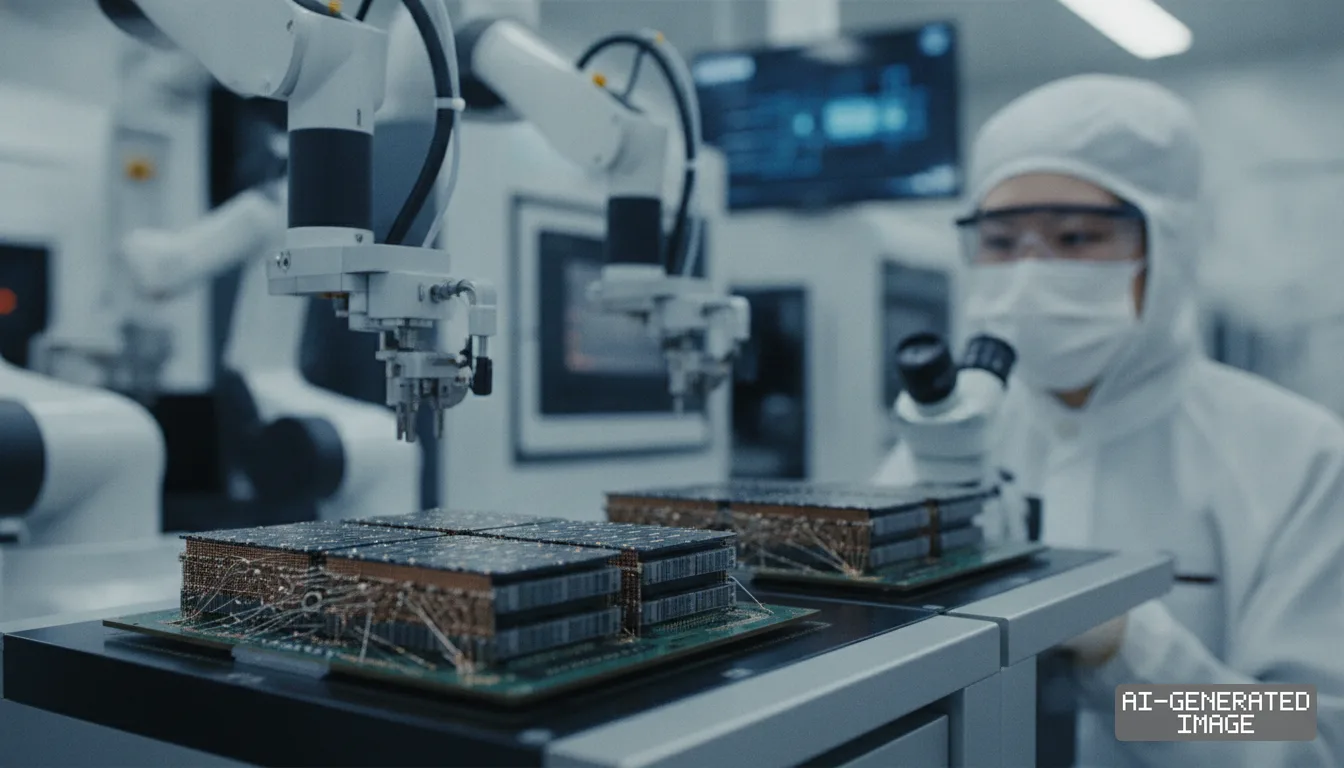
SK hynix maintained its established high-bandwidth memory equipment pipeline on Nov. 16, 2026, as regulatory filings show sixth-generation HBM4 production tools were already secured earlier in the year.
The company had already begun commercial shipments of HBM4 in the second quarter of 2026. Management confirmed that ramp during its July 29 earnings conference, following dedicated bonder procurement in June.
Hanmi Semiconductor secured the primary equipment order on June 8, booking a 44.2 billion won ($29 million) deal for thermal compression bonders. That contract represented 7.7% of Hanmi's 2025 consolidated revenue.
The equipment order covered approximately 15 units of the TC Bonder 4.5 Griffin model. Hanmi Semiconductor designed the specialized machinery specifically to stack dynamic random-access memory dies for sixth-generation high-bandwidth memory.
SK hynix deployed the bonders to its packaging and test facility in Cheongju. The installation targeted high-density memory stacks required for next-generation artificial intelligence accelerators, the company said in regulatory disclosures.
Thermal compression bonding applies precise heat and downward force to connect vertically stacked silicon dies. The process creates microscopic electrical pathways between microbumps on each layer without damaging the thin silicon wafers.
SK hynix pairs that hardware with its advanced mass reflow molded underfill technique. The proprietary method injects a liquid protective compound between stacked dies before hardening, eliminating thermal air pockets and improving heat dissipation.
The packaging technique serves as a core alternative to non-conductive film bonding. By using liquid resin rather than solid adhesive sheets, the process reduces die stress and lowers thermal resistance across the module.
Packaging capacity remains a central bottleneck across the artificial intelligence computing sector. High-performance processors require stacks of 12 to 16 memory dies operating in parallel, demanding extreme precision during automated die assembly.
Sixth-generation HBM4 widens the memory bus interface to 2,048 bits, doubling the connection lanes of earlier memory standards. That wider base die requires tighter physical tolerances from back-end packaging equipment during high-speed production.
The supplier delivery schedule ran from June 8 through Sept. 2, 2026. Hanmi Semiconductor completed tool testing, installation and inspection at the Cheongju plant before commercial production expanded.
The June order marked Hanmi's second bonder contract with the memory maker in 2026. The two companies previously agreed on a 9.65 billion won ($6.5 million) equipment supply contract on Jan. 16.
That initial January agreement covered hybrid equipment capable of handling fifth-generation HBM3E as well as early sixth-generation units. The June purchase represented the first disclosed order exclusively dedicated to the Griffin model.
SK hynix posted record financial results on July 29, reporting second-quarter revenue of 79.32 trillion won ($58 billion). Operating profit climbed to 60.54 trillion won, yielding an operating margin of 76%.
Sales of premium artificial intelligence memory, including modules destined for Nvidia computing platforms and enterprise solid-state drives, drove the earnings expansion. The company closed long-term supply agreements with roughly 10 global customers, management said.
The memory maker had accumulated 88 trillion won in cash and cash equivalents by the end of June. Total debt fell to 18.6 trillion won, providing net cash reserves of 69.4 trillion won.
The financial reserves gave the chipmaker flexibility to absorb capital expenditure for cleanroom expansion. Production lines at Cheongju were converted from legacy memory packaging to support high-stack sixth-generation assembly without halting operations.
Industry speculation regarding fresh procurement negotiations on Nov. 16, 2026, conflicted with confirmed manufacturing milestones. The suggested first-half 2026 production target had already concluded four months prior to the recent rumors.
Earlier reporting on preliminary tool talks originated in mid-November 2024, when back-end planning was in initial development. At that stage, engineers evaluated cleanroom layout requirements for monthly wafer processing capacity exceeding 20,000 units.
Subsequent formal orders replaced those preliminary planning estimates over the following 18 months. Capital allocation shifted toward the Cheongju M15X facility as customer delivery timelines for next-generation computing systems accelerated.
Regulatory records show no filings on Nov. 16, 2026, indicating new equipment negotiations, and SK hynix has not published revised packaging tool orders for its Cheongju fab.
SK hynix listed its most recent corporate disclosure on Oct. 28, declaring a cash dividend payment. The company also announced international safety certifications for automotive memory components on Nov. 11.
SK hynix plans to broaden sixth-generation HBM4 volume output through the remainder of 2026, fulfilling shipments under established multi-year supply contracts.
Impact map
How this development propagates across the region and out to global buyers.
| Event | Korea | China | Japan | Global impact |
|---|---|---|---|---|
| HBM4 tooling and ramp | Hanmi Semiconductor books 44.2 billion won in bonder orders; SK hynix expands Cheongju packaging capacity | CXMT remains two generations behind in high-bandwidth memory packaging | Tokyo Electron and Shin-Etsu supply materials and wafer processing tools for HBM base dies | Server makers face easing memory bandwidth bottlenecks as HBM4 shipments ramp in late 2026 |
In this story
- Companies
- SK hynixHanmi Semiconductor
- Tickers
- 000660.KS042700.KS
- Exposed
- Nvidia
- Impact
- CapexSupply ChainOrder Book
Related briefings
- HANMI Semiconductor posts 50% operating margin on HBM bonder demand Also on HANMI Semiconductor, Nvidia, SK hynix
- HANMI Semiconductor expands San Jose hub for HBM chip bonders Also on HANMI Semiconductor, SK hynix, Order Book
- Hanmi Semiconductor cements 71% share in HBM TC bonder tools Also on Hanmi Semiconductor, SK hynix, Order Book
- SK hynix delays HBM4 equipment procurement into early 2027 Also on Hanmi Semiconductor, SK hynix, Order Book
Sources
Primary documents
Reporting
Confidence: high — how we grade this
The documents behind this briefing are linked above. East Asia Brief produces its English text with AI assistance under human editorial review, and does not translate or republish other outlets' articles. See our methodology and AI policy. Spotted an error? Tell us.
The Morning Brief
What changed in Korean, Chinese and Japanese industry overnight — and what it means for your supply chain. One email, weekday mornings, US time. Free.
The Morning Brief is in preparation. Leave your address and we will write to you once — when the first issue is ready. Nothing before that.